Forte de Nossa Senhora dos Remédios
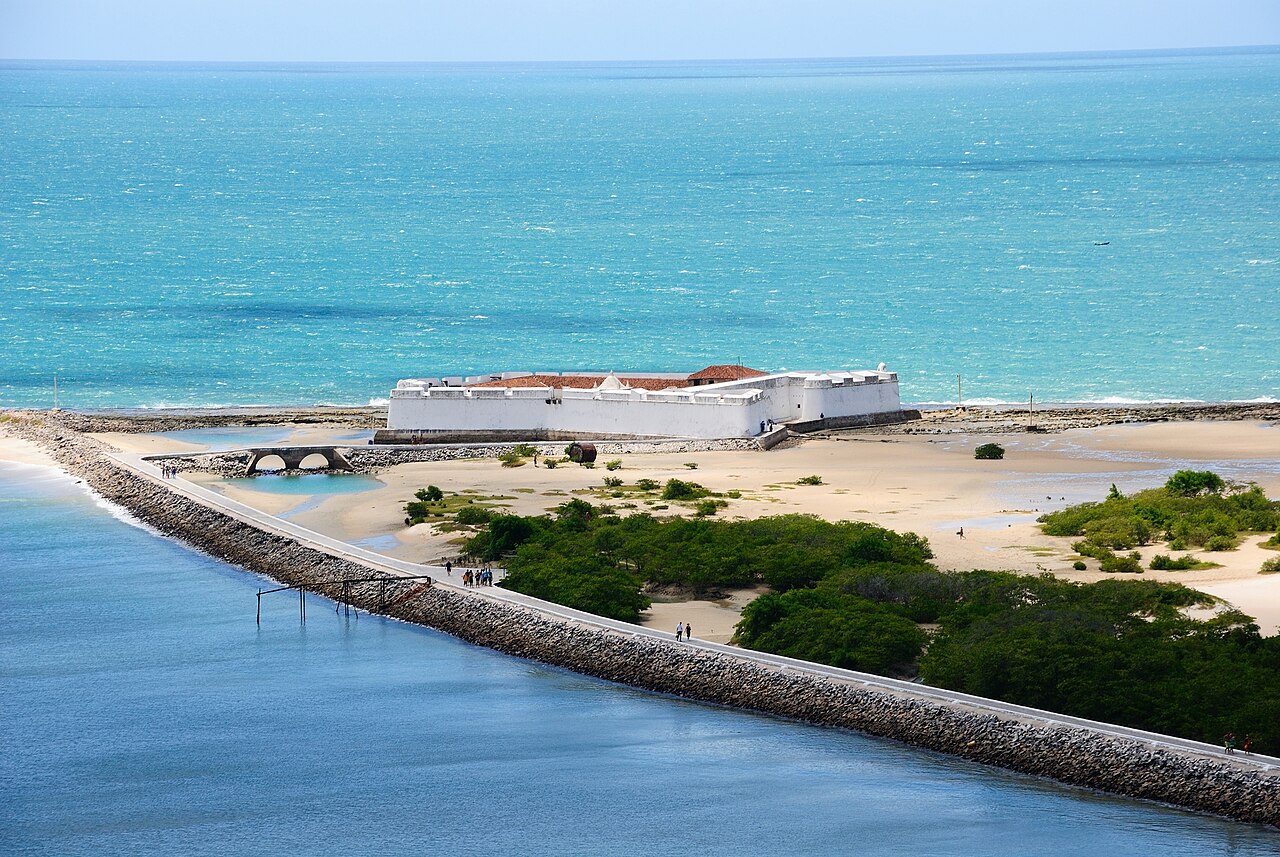
Forte de Nossa Senhora dos Remédios is a prominent bastioned fortress situated on the island of Fernando de Noronha, part of the archipelago and municipality of the same name, located in the state of Pernambuco, Brazil. This fortification played a critical role in the defense system protecting the strategic maritime routes of the South Atlantic Ocean during the colonial period.
Historical context and strategic importance
The fort was constructed during the period when European powers, particularly the Portuguese Crown, sought to secure their overseas territories and maritime trade routes. Fernando de Noronha, positioned approximately 350 kilometers off the Brazilian coast, was a vital point for controlling naval traffic between Europe, Africa, and the Americas. Forte de Nossa Senhora dos Remédios was part of a network of fortifications established to defend the island against foreign invasions and pirate attacks, which were common threats during the 17th and 18th centuries.
The fort's name honors Our Lady of Remedies, reflecting the religious influence intertwined with military endeavors in Portuguese colonial architecture. The fortress was essential in safeguarding the island's harbor and providing a base for Portuguese naval operations in the region.
Architectural features and design
Forte de Nossa Senhora dos Remédios exemplifies the bastioned fortress typology, a military architectural style developed in response to advances in artillery technology during the Renaissance and later periods. This style is characterized by angular bastions projecting outwards from the curtain walls, allowing defenders to cover adjacent walls with overlapping fields of fire, minimizing blind spots.
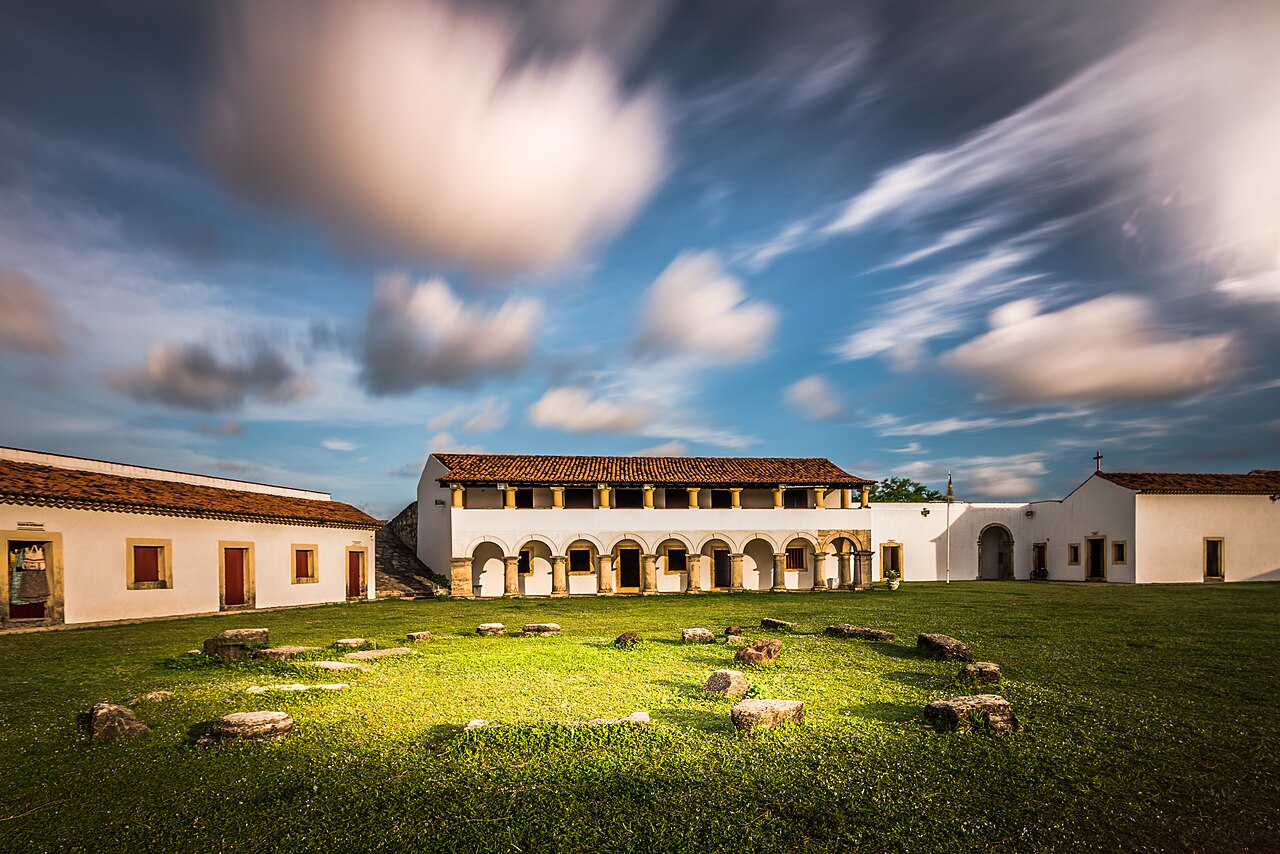
The fortress is constructed primarily of local stone and mortar, with thick walls designed to absorb and deflect cannon fire. Its layout includes multiple bastions connected by curtain walls forming a polygonal shape, optimized for defense. The fort also features a central courtyard, powder magazines, barracks for soldiers, and gun emplacements strategically positioned to command the surrounding sea approaches.
The use of bastions and low, thick walls reflects the adaptation of European military engineering principles to the tropical island environment. The fort's design balances defensive strength with the need to withstand the harsh coastal weather conditions, including salt spray and strong winds.
Role in regional defense and historical events
Throughout its operational history, Forte de Nossa Senhora dos Remédios served as a deterrent against foreign naval incursions and pirate raids. Its presence contributed to the Portuguese Crown's control over the Fernando de Noronha archipelago, which was a key stopover for ships traveling between Europe and the Americas.
Although the fort did not witness large-scale battles, its strategic position helped maintain Portuguese dominance in the region. Over time, as naval technology and geopolitical dynamics evolved, the fortress's military importance diminished, leading to periods of neglect and partial deterioration.
Current condition and preservation efforts
Today, Forte de Nossa Senhora dos Remédios stands as a partially preserved historical monument on Fernando de Noronha island. It attracts visitors interested in colonial military architecture and Brazilian maritime history. Preservation efforts have focused on maintaining the structural integrity of the bastions and walls while promoting the site as part of the island's cultural heritage.
The fort is accessible to tourists, offering panoramic views of the surrounding Atlantic Ocean and insights into the defensive strategies employed during Brazil's colonial era. Conservation initiatives aim to balance tourism with the protection of the fragile island ecosystem.
Visiting information and cultural significance
Visitors to Fernando de Noronha can explore the fort as part of guided tours that highlight the island's natural beauty and historical landmarks. The site provides educational opportunities regarding Portuguese colonial military architecture and the broader history of Atlantic navigation and defense.
Forte de Nossa Senhora dos Remédios remains an important cultural symbol for the region, reflecting the intersection of European military engineering and Brazil's colonial past. Its preservation contributes to understanding the strategic maritime history of the South Atlantic and the legacy of fortifications in safeguarding colonial territories.
Frequently asked questions (FAQ)
- How do I get to Forte de Nossa Senhora dos Remédios?
- Forte de Nossa Senhora dos Remédios is located on the island of Fernando de Noronha, accessible by flights from major Brazilian cities. Once on the island, you can reach the fort via a short hike or by taking a guided tour that includes transportation.
- What is the historical significance of Forte de Nossa Senhora dos Remédios?
- Built in the 18th century, Forte de Nossa Senhora dos Remédios served as a strategic military defense point against invasions and piracy. Today, it stands as a monument to the island's colonial history and maritime heritage, attracting history enthusiasts and tourists alike.
- When was Forte de Nossa Senhora dos Remédios constructed?
- Construction of the fort began in 1737 and was completed in 1755. It was established to protect the island's resources and shipping routes, playing a crucial role in the defense of Brazil's northeastern coast.
- Can I visit Forte de Nossa Senhora dos Remédios?
- Yes, visitors can explore the fort, which is open to the public. Guided tours are available to enhance your experience, providing insights into its history and architecture.
- Why is the architecture of Forte de Nossa Senhora dos Remédios unique?
- The fort features a blend of military architecture typical of the colonial period, with thick stone walls and strategic vantage points. Its design reflects the defensive needs of the time while also harmonizing with the natural landscape of Fernando de Noronha.
- Is it possible to access the fort with mobility challenges?
- While the fort is open to the public, access may be limited for those with mobility challenges due to the terrain and steps involved in reaching the site. It's advisable to check with local tour operators for options that accommodate visitors with disabilities.
- What is the best time to visit Forte de Nossa Senhora dos Remédios?
- The best time to visit is during the dry season, from August to December, when the weather is typically sunny and pleasant. This is also when the island sees fewer tourists, allowing for a more enjoyable experience at the fort.
- What are the ticket prices for visiting the fort?
- Entry to Forte de Nossa Senhora dos Remédios is generally included in the guided tour fees, which vary depending on the provider. It's best to check with local tour companies for the most current pricing and availability.
- What are the opening hours of Forte de Nossa Senhora dos Remédios?
- The fort is usually open for visits from 9 AM to 5 PM, but hours may vary based on the season and weather conditions. It is recommended to check in advance or with your tour guide for the most accurate information.
- Are there nearby attractions to visit after exploring the fort?
- Yes, after visiting the fort, you can explore beautiful beaches such as Praia do Sancho and Baía dos Porcos, both known for their stunning landscapes and clear waters. Additionally, the island offers opportunities for snorkeling, hiking, and observing local wildlife.
Photo gallery

Photo by Carlos Luis M C da Cruz•Public domain
Information
Loading map...
Visitor reviews
No reviews yet. Been here? Write the first review and help other travelers!
Write the first reviewVisited this castle? Share your experience
Your review helps other travelers and adds first-hand knowledge to our encyclopedia.