Forte de Nossa Senhora da Conceição de Inhambane
Forte de Nossa Senhora da Conceição de Inhambane is a historic bastioned fortress situated in the city of Inhambane, within the province of the same name in Mozambique. Constructed in the 16th century during the Renaissance period, this fortress represents a significant example of Portuguese colonial military architecture on the East African coast.
Historical context and strategic importance
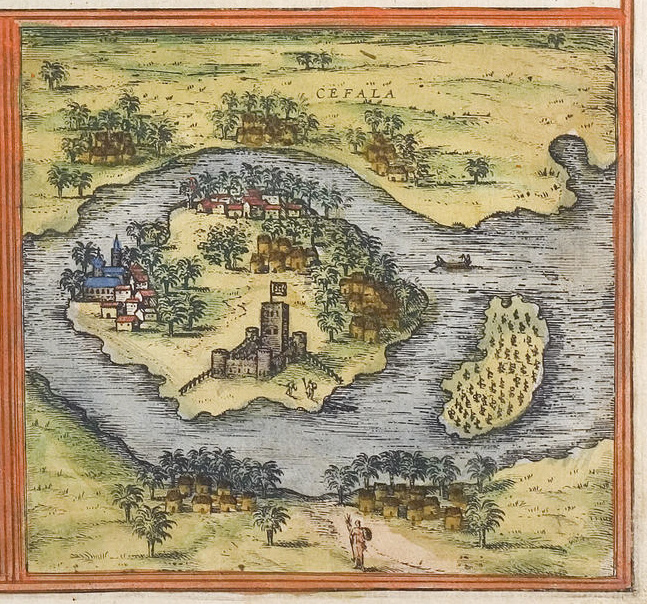
The fortress was established by the Portuguese as part of their efforts to control the Indian Ocean trade routes and to secure their colonial possessions in southeastern Africa. Inhambane was an important port and trading center, and the fort served as a defensive stronghold to protect the settlement from rival European powers and local resistance. The construction of the fort reflected the broader Portuguese strategy of establishing fortified outposts along the coast to maintain maritime dominance.
Architectural features and design
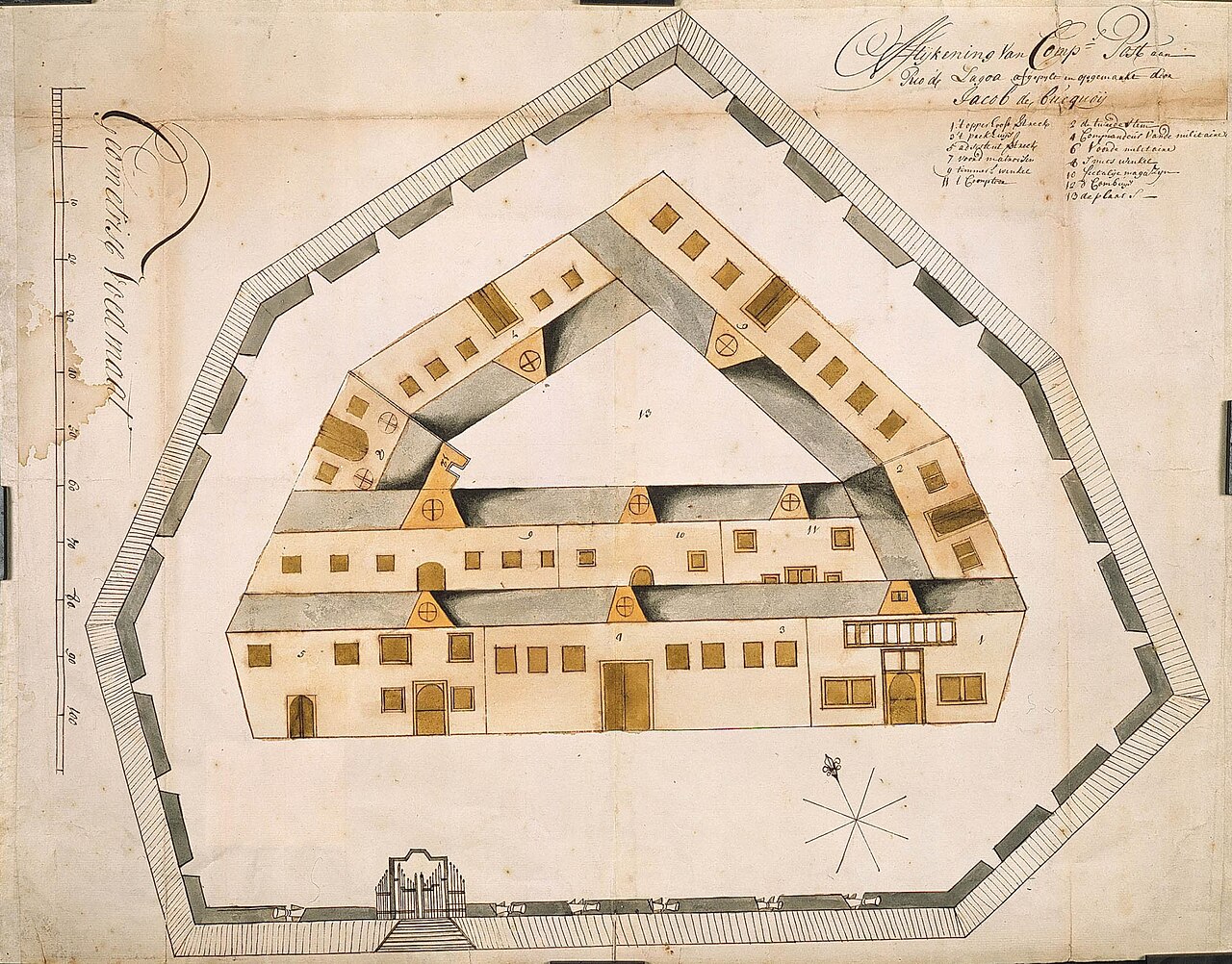
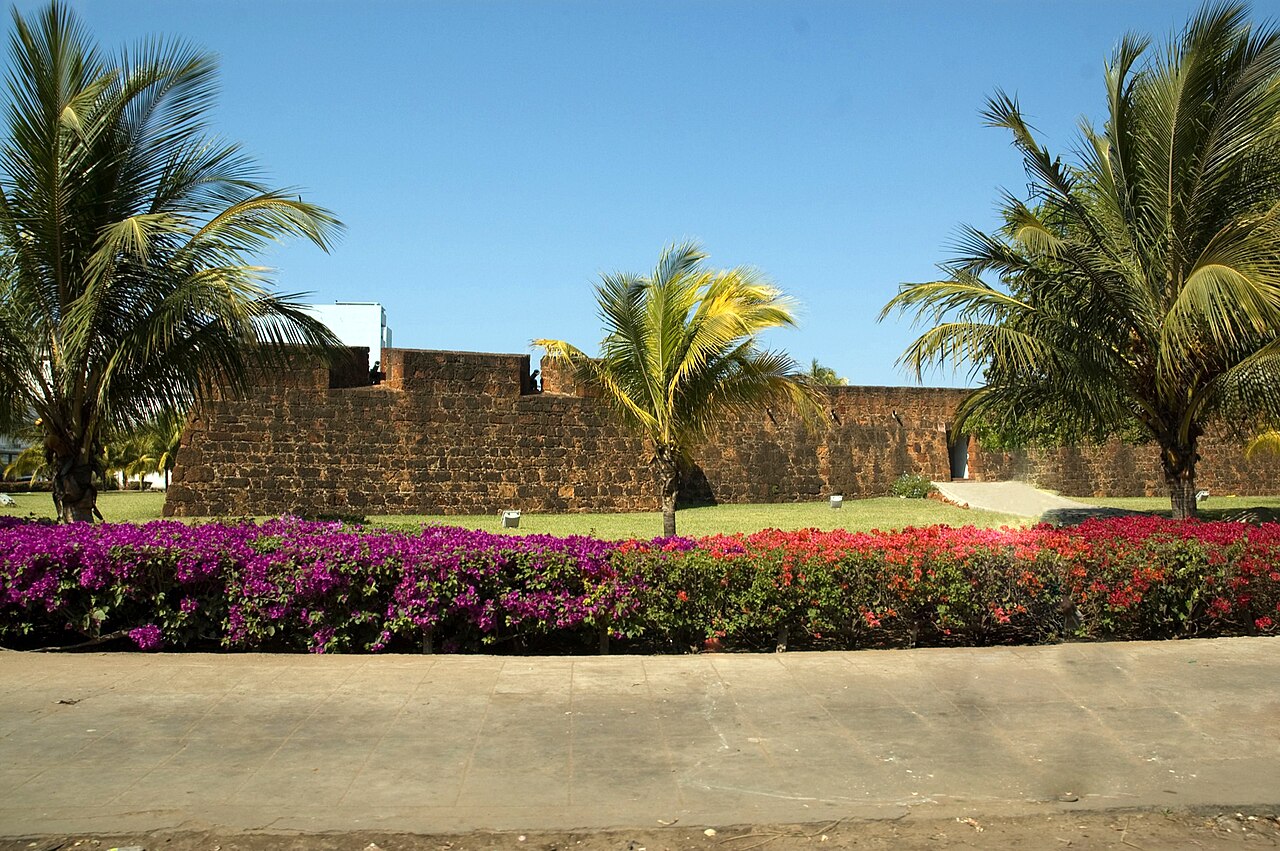
Forte de Nossa Senhora da Conceição de Inhambane is characterized by its bastioned design, a hallmark of Renaissance military architecture that emphasized angular bastions for improved defense against artillery attacks. The fortress layout typically included thick stone walls, bastions projecting from the curtain walls, and a central courtyard. These bastions allowed defenders to cover all approaches with overlapping fields of fire, reducing blind spots and enhancing the fort's defensive capabilities.
The fort's construction materials primarily consisted of local stone and lime mortar, common in Portuguese colonial forts of the period. The walls were designed to withstand cannon fire, and the bastions were positioned to maximize coverage of the surrounding area, including the harbor approaches.
Defensive structures
The fortress featured several key defensive elements such as ramparts, battlements, and gun embrasures, which housed cannons to repel naval and land-based attacks. The entrance was typically fortified with a gatehouse and possibly a drawbridge or heavy wooden doors to control access. The design balanced defensive strength with the need to accommodate a garrison and store supplies.
Role in regional history
Throughout its history, the fort played a pivotal role in the defense of Portuguese interests in the region. It was a center for military operations and administration, overseeing the surrounding territory and serving as a base for expeditions into the interior. The fort also functioned as a symbol of Portuguese authority and influence along the Mozambican coast.
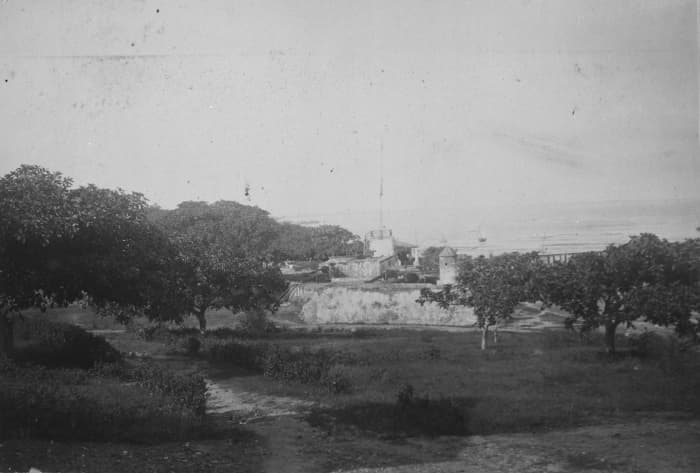
Over time, the fort's military importance declined with changes in naval technology and shifting political dynamics. However, it remains a key historical landmark reflecting the era of European colonial expansion in Africa.
Current condition and preservation
Today, Forte de Nossa Senhora da Conceição de Inhambane is recognized as a site of cultural heritage in Mozambique. Its condition varies, with some sections of the fortress preserved or partially restored, while others have suffered from neglect and environmental wear. Efforts to conserve and promote the site contribute to the understanding of Mozambique's colonial past and its architectural legacy.
Visiting information and cultural significance
The fortress attracts visitors interested in history, architecture, and colonial heritage. Its location in Inhambane offers additional opportunities to explore the city's rich cultural landscape and coastal environment. The site serves as an educational resource and a tangible connection to the complex history of Portuguese influence in southeastern Africa.
Frequently asked questions (FAQ)
- What is the historical significance of Forte de Nossa Senhora da Conceição de Inhambane?
- Forte de Nossa Senhora da Conceição de Inhambane is a significant historical landmark built in the 16th century by the Portuguese. It served as a military fortification to protect the coastal town of Inhambane from invasions and has played a crucial role in the region's colonial history.
- When was Forte de Nossa Senhora da Conceição de Inhambane built?
- The fort was constructed in 1534, making it one of the oldest structures in Mozambique. Its architecture reflects the Portuguese colonial style, and it has been preserved as a testament to the country's rich history.
- What are the opening hours for visiting the castle?
- Forte de Nossa Senhora da Conceição de Inhambane is typically open for visitors from 9 AM to 5 PM, Tuesday through Sunday. It is advisable to check for any public holidays or special events that may affect opening hours before your visit.
- Can I take guided tours of the fort?
- Yes, guided tours are available for visitors who wish to learn more about the history and architecture of the fort. These tours can provide in-depth insights and are often led by knowledgeable local guides.
- Is it possible to access Forte de Nossa Senhora da Conceição de Inhambane for visitors with disabilities?
- The fort's accessibility can vary, as its historical structure may not fully accommodate modern accessibility standards. However, staff members are usually available to assist visitors with mobility challenges, so it is recommended to inquire in advance.
- What is the best time to visit Forte de Nossa Senhora da Conceição de Inhambane?
- The best time to visit is during the dry season, from May to October, when the weather is cooler and more comfortable for sightseeing. This period also coincides with fewer rain showers, making it ideal for exploring outdoor attractions.
- Are there any nearby attractions to visit after exploring the fort?
- Yes, after visiting the fort, you can explore the vibrant local markets, beautiful beaches, and the nearby Inhambane Museum. These attractions offer a glimpse into the local culture and history of the region.
- What are the ticket prices for visiting the fort?
- The entrance fee to Forte de Nossa Senhora da Conceição de Inhambane is generally affordable, with prices ranging for local and international tourists. It is best to check the official website or inquire at the entrance for the most current pricing information.
Photo gallery

Information
Loading map...
Visitor reviews
No reviews yet. Been here? Write the first review and help other travelers!
Write the first reviewVisited this castle? Share your experience
Your review helps other travelers and adds first-hand knowledge to our encyclopedia.