Fort Lijdzaamheid
Fort Lijdzaamheid is a bastioned fortress located in Mozambique, representing a significant example of colonial military architecture in East Africa. Built during the period of European colonial expansion, this fortress was designed to serve both defensive and administrative functions. Its strategic position allowed control over local trade routes and provided protection against rival colonial powers and local resistance.
Historical context and construction
The construction of Fort Lijdzaamheid dates back to the era when Mozambique was under Portuguese colonial rule, predominantly in the 17th and 18th centuries. The fortress was part of a network of coastal and inland fortifications established to secure Portuguese interests in the region, particularly along the Indian Ocean trade routes. The name "Lijdzaamheid," which translates to "patience" in Dutch, reflects the influence of multiple European powers in the region and possibly the fortress's role during periods of conflict and negotiation.
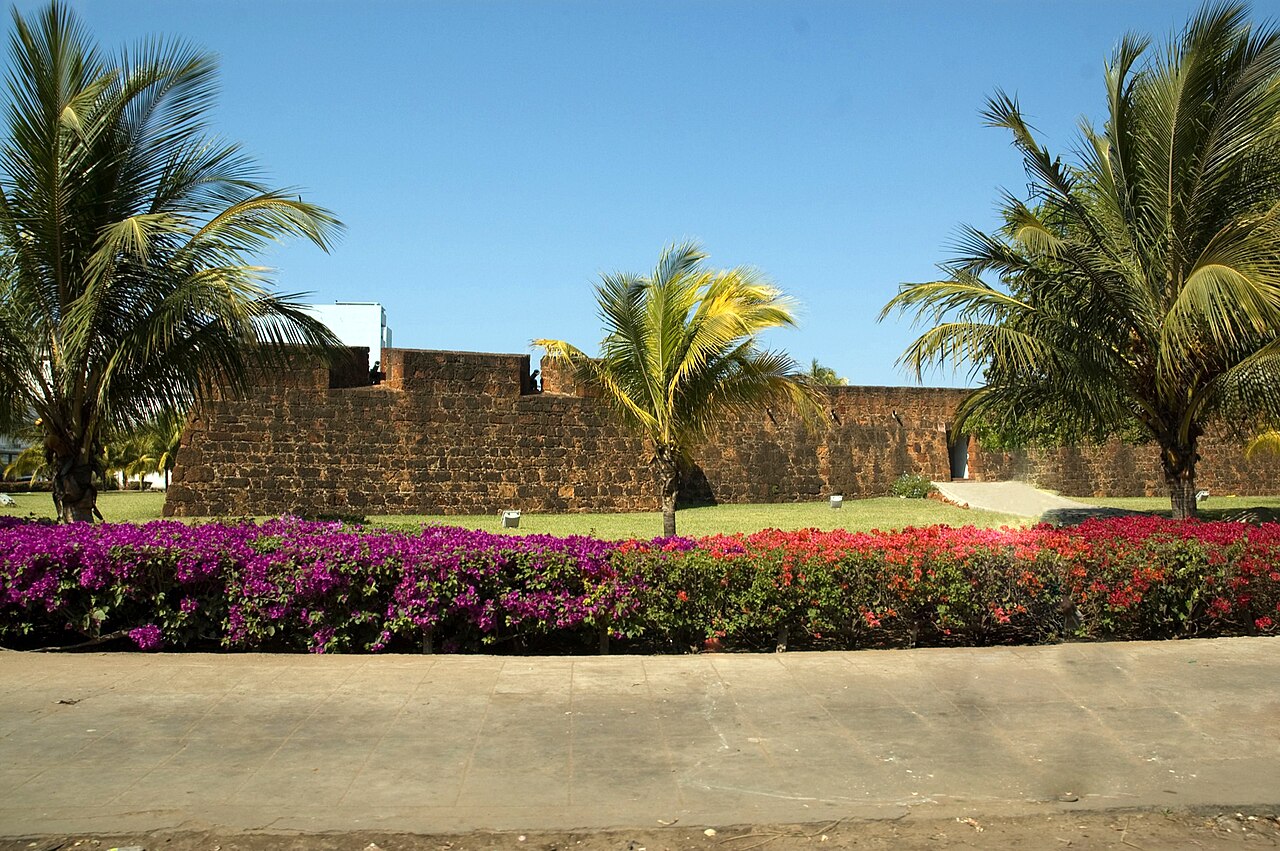
The fortress's design incorporates the bastioned fortress style, characterized by angular bastions projecting from the walls to provide overlapping fields of fire and reduce blind spots. This architectural approach was widely adopted in the 16th to 18th centuries as a response to the development of artillery and gunpowder warfare. Fort Lijdzaamheid's walls were constructed with locally sourced stone and lime mortar, ensuring durability against both natural elements and military assaults.
Architectural features
Fort Lijdzaamheid exhibits key features typical of bastioned fortresses, including:
- Angular bastions at each corner, allowing defenders to cover adjacent walls effectively.
- Thick curtain walls designed to withstand cannon fire and sieges.
- Moats or ditches surrounding the fortress to hinder enemy approach.
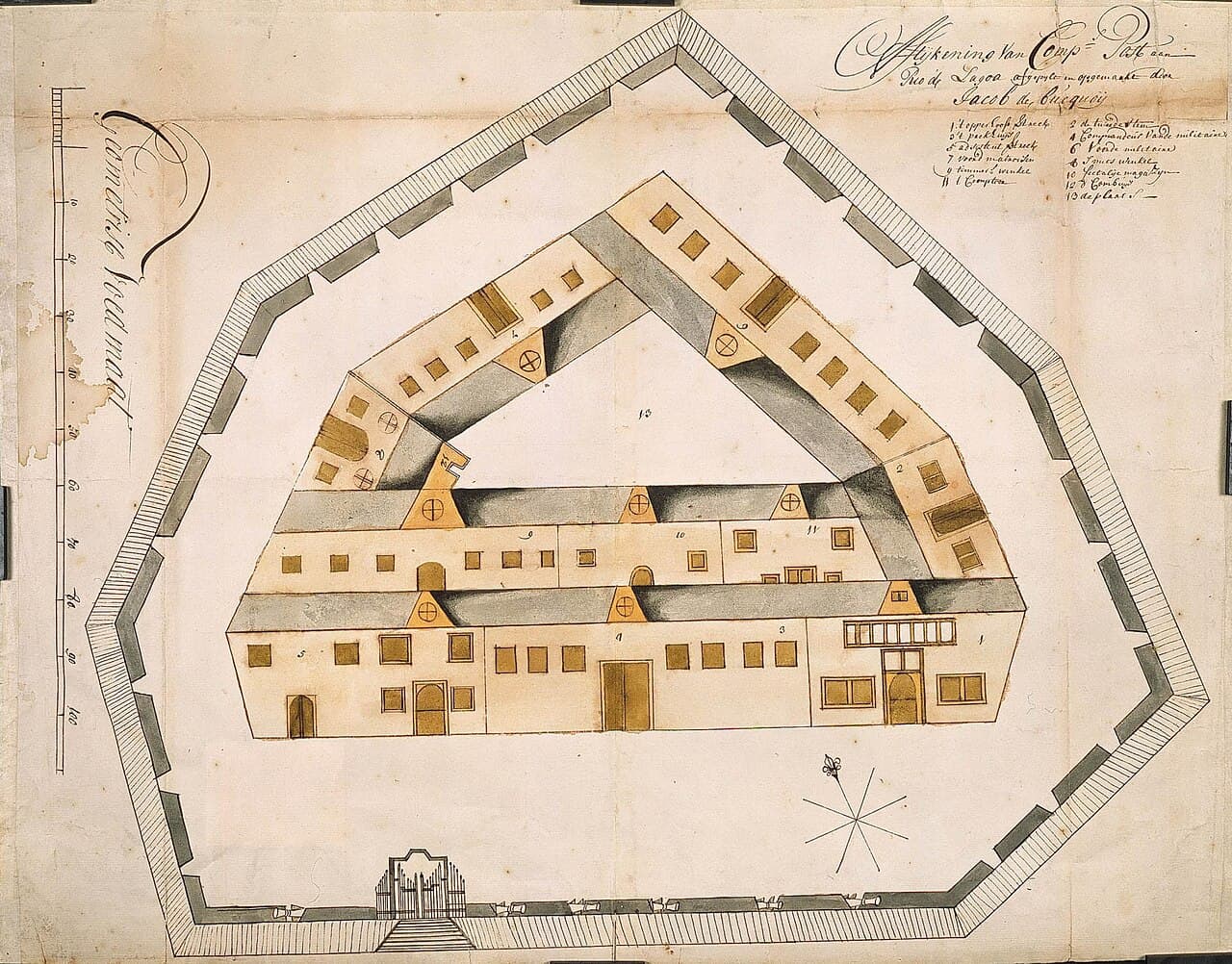
- Central courtyard providing space for troop assembly and logistical operations.
- Interior buildings such as barracks, armories, and command posts arranged within the protective walls.
The fortress's layout reflects the military engineering principles of the Renaissance period, adapted to the local topography and climate. The use of bastions allowed for a more effective defense compared to earlier medieval castles, which relied on high walls and towers without angular projections.
Role in regional history
Throughout its active use, Fort Lijdzaamheid played a crucial role in the defense of Portuguese colonial territories in Mozambique. It served as a military garrison, a center for administration, and a symbol of colonial authority. The fortress witnessed several conflicts, including skirmishes with local African kingdoms and rival European powers competing for influence in the region.
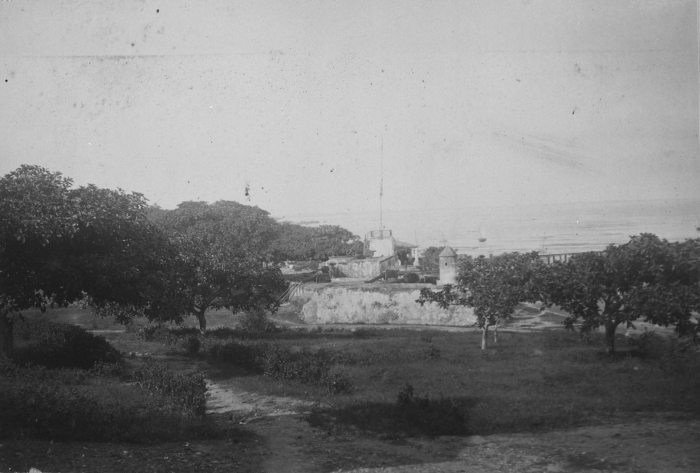
Its strategic location facilitated control over maritime routes and inland trade, contributing to the economic and political stability of Portuguese Mozambique. Over time, as military technology and political circumstances evolved, the fortress's defensive importance declined, leading to changes in its use and maintenance.
Current condition and preservation
Today, Fort Lijdzaamheid stands as a partially preserved historical monument. While some sections of the fortress have suffered from natural decay and neglect, efforts have been made to maintain and restore key elements of its structure. The site attracts historians, architects, and tourists interested in colonial military architecture and the history of Mozambique.
Preservation initiatives focus on stabilizing the remaining walls, protecting the bastions, and promoting awareness of the fortress's cultural heritage. The fortress's condition reflects both the challenges of conserving colonial-era structures in tropical environments and the growing recognition of their historical value.
Visiting Fort Lijdzaamheid
Visitors to Fort Lijdzaamheid can explore the fortress's imposing walls and bastions, gaining insight into the military strategies of the colonial period. The site offers panoramic views of the surrounding landscape, highlighting its strategic placement. Informational signage and guided tours provide context about the fortress's construction, historical role, and architectural significance.
Frequently asked questions (FAQ)
- What is Fort Lijdzaamheid and where is it located?
- Fort Lijdzaamheid is a bastioned fortress situated in Mozambique, built during the Portuguese colonial period to secure trade routes and territorial control.
- When was Fort Lijdzaamheid constructed?
- The fortress was constructed primarily in the 17th and 18th centuries, reflecting Renaissance military architectural principles adapted for colonial defense.
- What are the key architectural features of Fort Lijdzaamheid?
- Key features include angular bastions, thick curtain walls, moats, a central courtyard, and interior buildings such as barracks and armories, characteristic of bastioned fortresses.
- Is Fort Lijdzaamheid open to visitors?
- Yes, the fortress is accessible to visitors who can explore the preserved sections and learn about its historical and architectural significance through guided tours and informational displays.
- What is the current condition of Fort Lijdzaamheid?
- Fort Lijdzaamheid is partially preserved, with ongoing efforts to maintain and restore its structural elements to protect its heritage.
Photo gallery

Photo by Jacob de Bucquoy•Public domain
Information
Loading map...
Visitor reviews
No reviews yet. Been here? Write the first review and help other travelers!
Write the first reviewVisited this castle? Share your experience
Your review helps other travelers and adds first-hand knowledge to our encyclopedia.