Fort São Caetano
Fort São Caetano de Sofala, also known as Fortaleza de Sofala or São Caetano Fort of Sofala, is a significant 16th-century bastioned fortress located in present-day Sofala, Mozambique. This fort holds an important place in the history of Portuguese colonial expansion along the East African coast. Its construction began in 1505 following the capture of the city by the Portuguese commander Pedro d'Anhaya, marking a strategic effort to control the vital gold trade routes in the region.
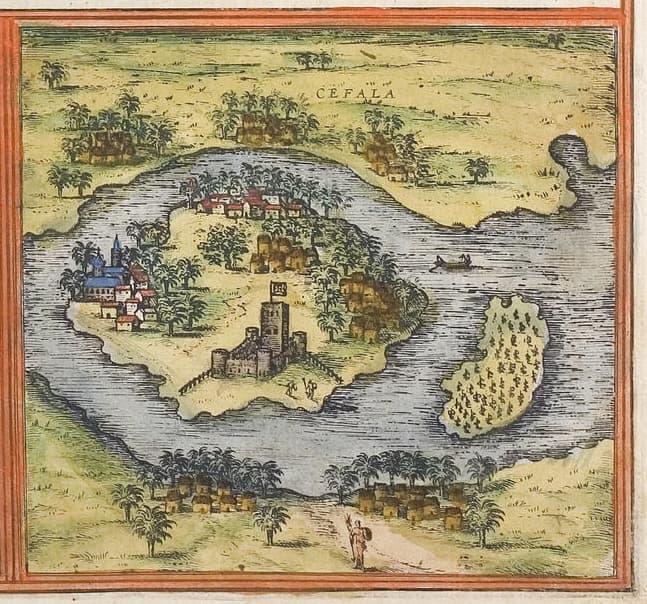
The original structure of Fort São Caetano was built using mangrove wood, a readily available local material. However, recognizing the need for a more durable and defensible fortification, the Portuguese rebuilt the fort in stone by 1507. This transition from wood to stone construction reflected the growing importance of the site and the need to withstand attacks from rival powers and local resistance.
Architectural features and design
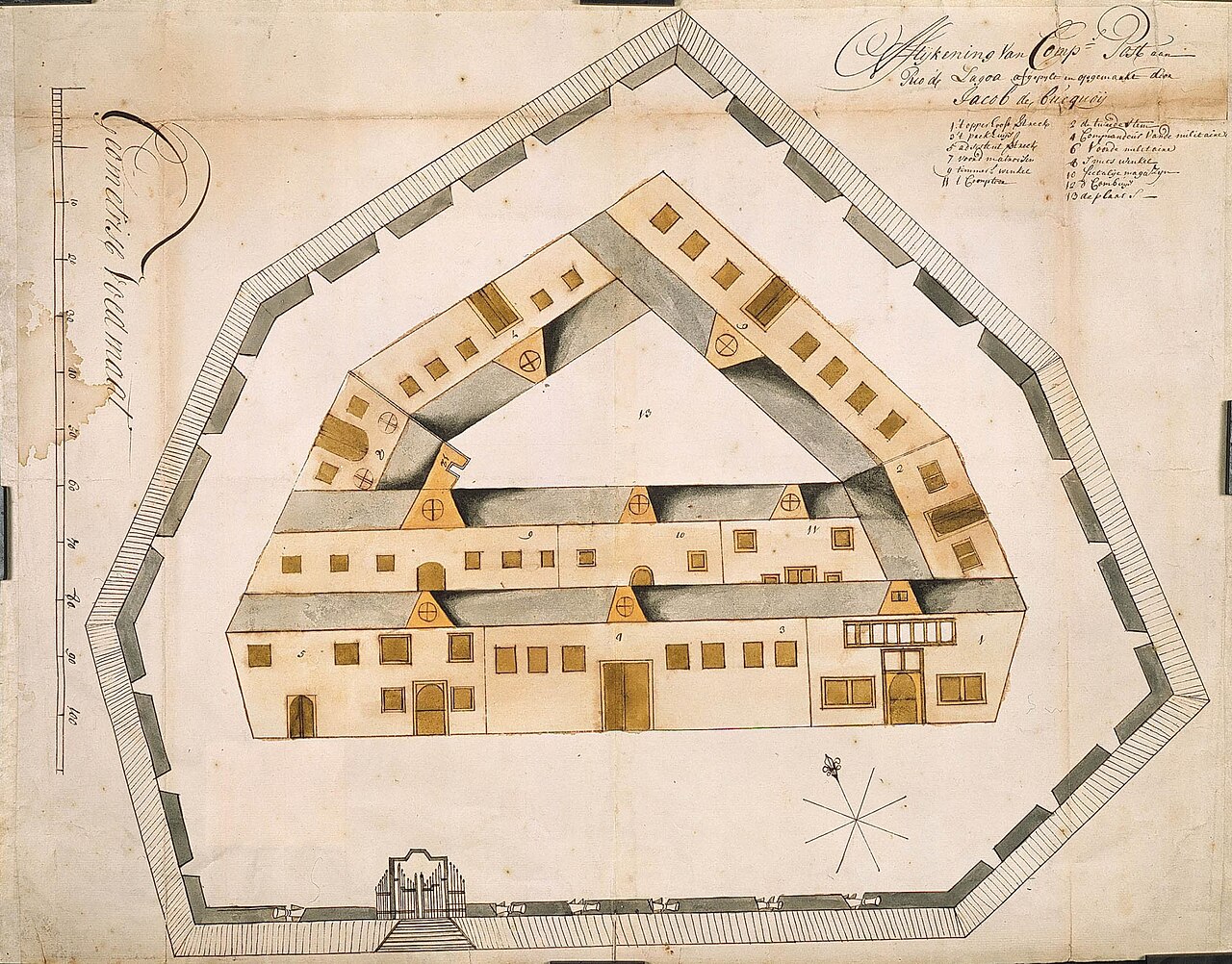
Fort São Caetano is classified as a bastioned fortress, a style that became prominent during the Renaissance period. This type of fortification was designed to resist artillery attacks, featuring angled bastions that allowed defenders to cover all approaches with overlapping fields of fire. The fort's layout includes thick stone walls, bastions at the corners, and a central courtyard, typical of Portuguese military architecture of the time.
The stone walls were constructed using locally sourced materials, and the fort's design incorporated both defensive and administrative functions. The bastions provided platforms for cannons, enhancing the fort's ability to control the surrounding area and protect Portuguese trade interests.
Strategic importance and historical context
Located in Sofala, which was a key port in the gold trade network of East Africa, Fort São Caetano served as a critical military and trading post for the Portuguese Empire. The fort's establishment allowed Portugal to secure its influence over the region's lucrative trade routes, particularly those involving gold and ivory, and to challenge the dominance of Arab and Swahili traders.
Throughout the 16th century, the fort played a central role in the Portuguese colonial administration and military operations in Mozambique. It was a base for expeditions into the interior and a symbol of Portuguese authority on the East African coast.
Preservation and current condition
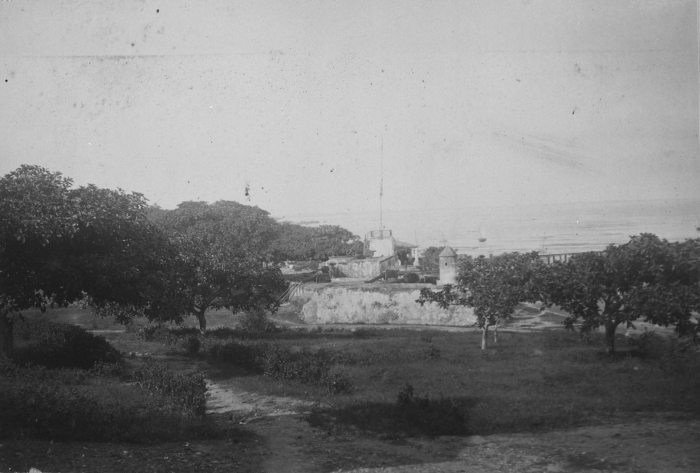
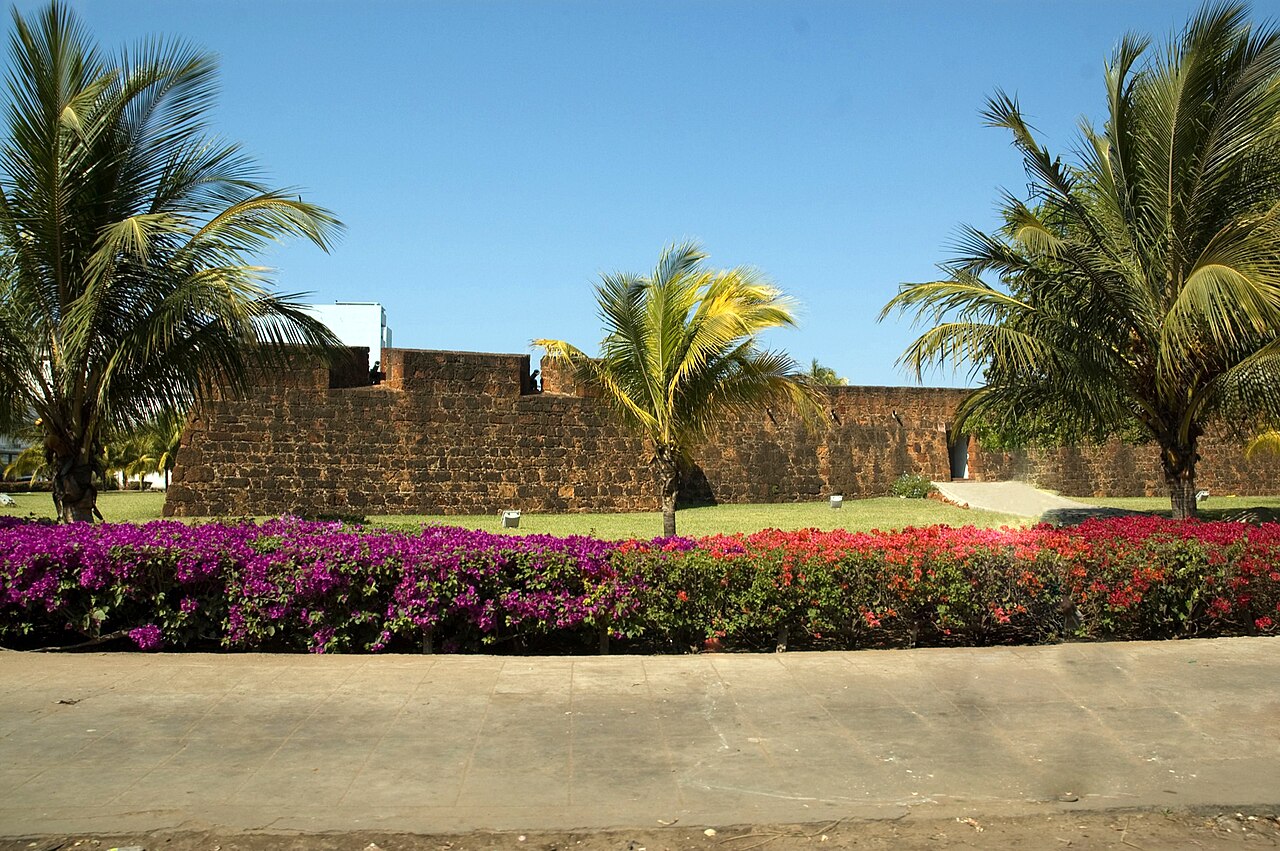
Today, Fort São Caetano remains a partially preserved historical site. While some sections of the original stone walls and bastions survive, the fort has suffered from centuries of weathering and neglect. Efforts have been made to maintain the ruins as a cultural heritage site, highlighting its importance in the history of Mozambique and Portuguese colonialism.
The site attracts historians, archaeologists, and visitors interested in early colonial fortifications and the complex history of East Africa during the Renaissance period.
Legacy and cultural significance
Fort São Caetano stands as a testament to the early Portuguese maritime empire and its ambitions in Africa. It represents the intersection of European military architecture and African trade networks. The fort's remains offer valuable insights into the strategies used by the Portuguese to establish and maintain control over distant territories during the 16th century.
As a heritage site, it contributes to the understanding of Mozambique's colonial past and the broader history of global trade and cultural exchanges during the Renaissance era.
Frequently asked questions (FAQ)
- When was Fort São Caetano built and by whom?
- Fort São Caetano was initially constructed in 1505 by the Portuguese commander Pedro d'Anhaya after capturing Sofala. It was originally built in wood and rebuilt in stone by 1507.
- What is the architectural style of Fort São Caetano?
- Fort São Caetano is a bastioned fortress typical of the Renaissance period, designed to resist artillery attacks with angled bastions and thick stone walls.
- Why was Fort São Caetano important historically?
- The fort was strategically important for controlling the gold and ivory trade routes in East Africa, serving as a military and trading post for the Portuguese Empire.
- What is the current condition of Fort São Caetano?
- The fort is partially preserved, with some stone walls and bastions still standing, though it has suffered from weathering and neglect over centuries.
- Can visitors access Fort São Caetano?
- Visiting details are limited, but the site is recognized as a cultural heritage location, attracting historians and tourists interested in early colonial fortifications.
Photo gallery

Photo by Georg Braun; Frans Hogenberg•Public domain
Information
Loading map...
Visitor reviews
No reviews yet. Been here? Write the first review and help other travelers!
Write the first reviewVisited this castle? Share your experience
Your review helps other travelers and adds first-hand knowledge to our encyclopedia.