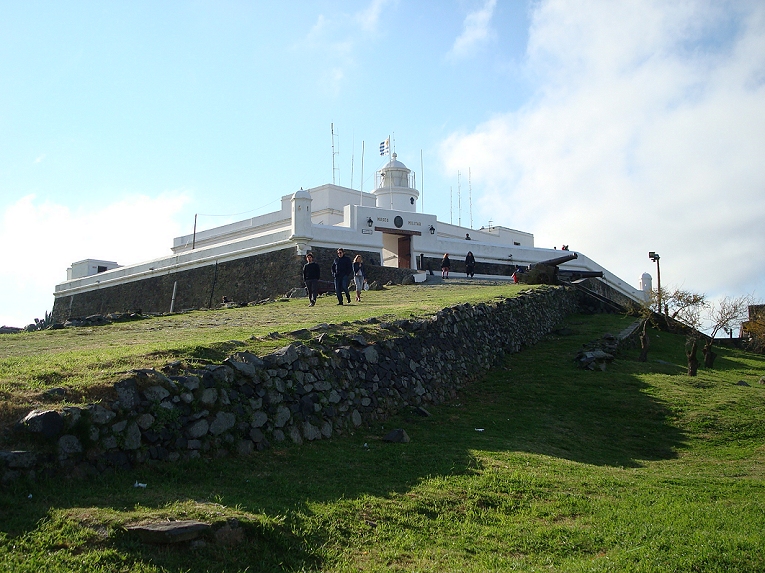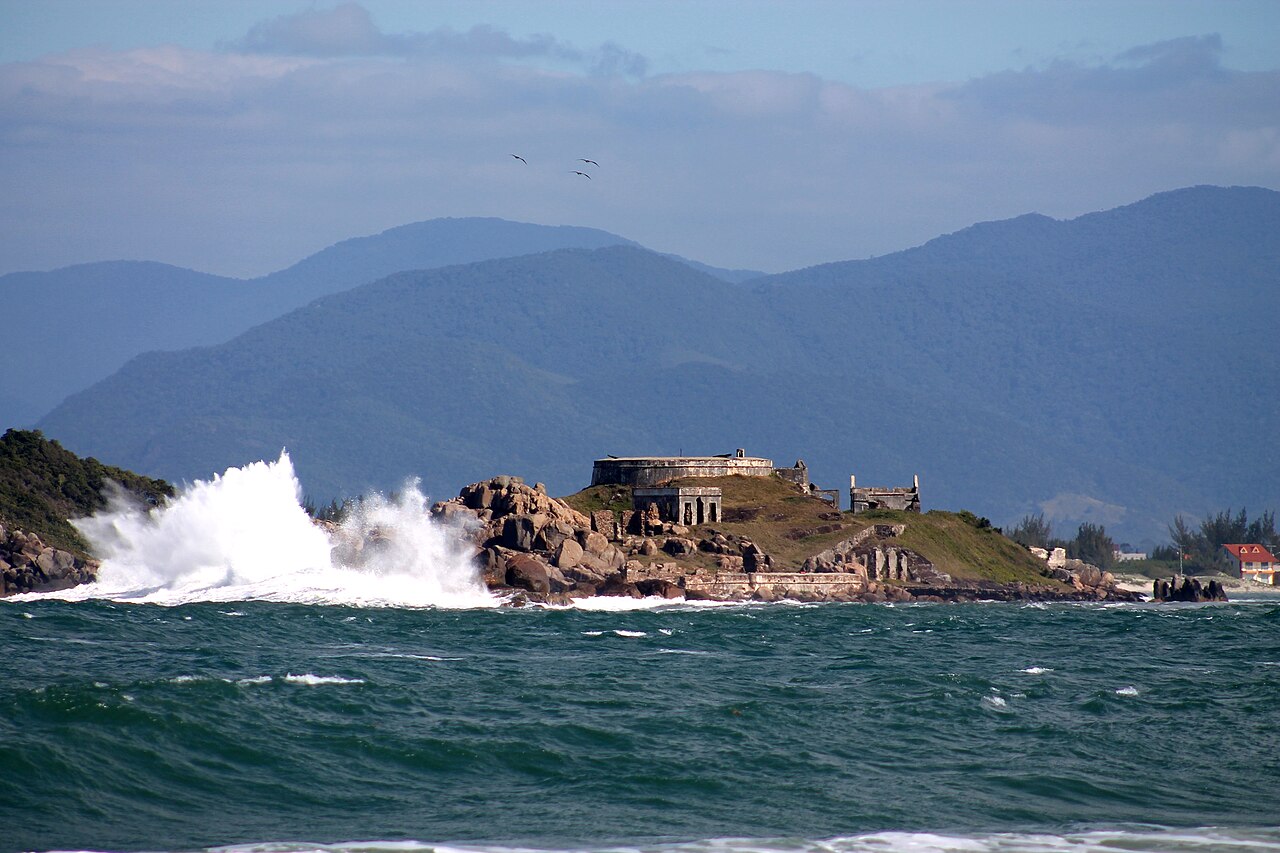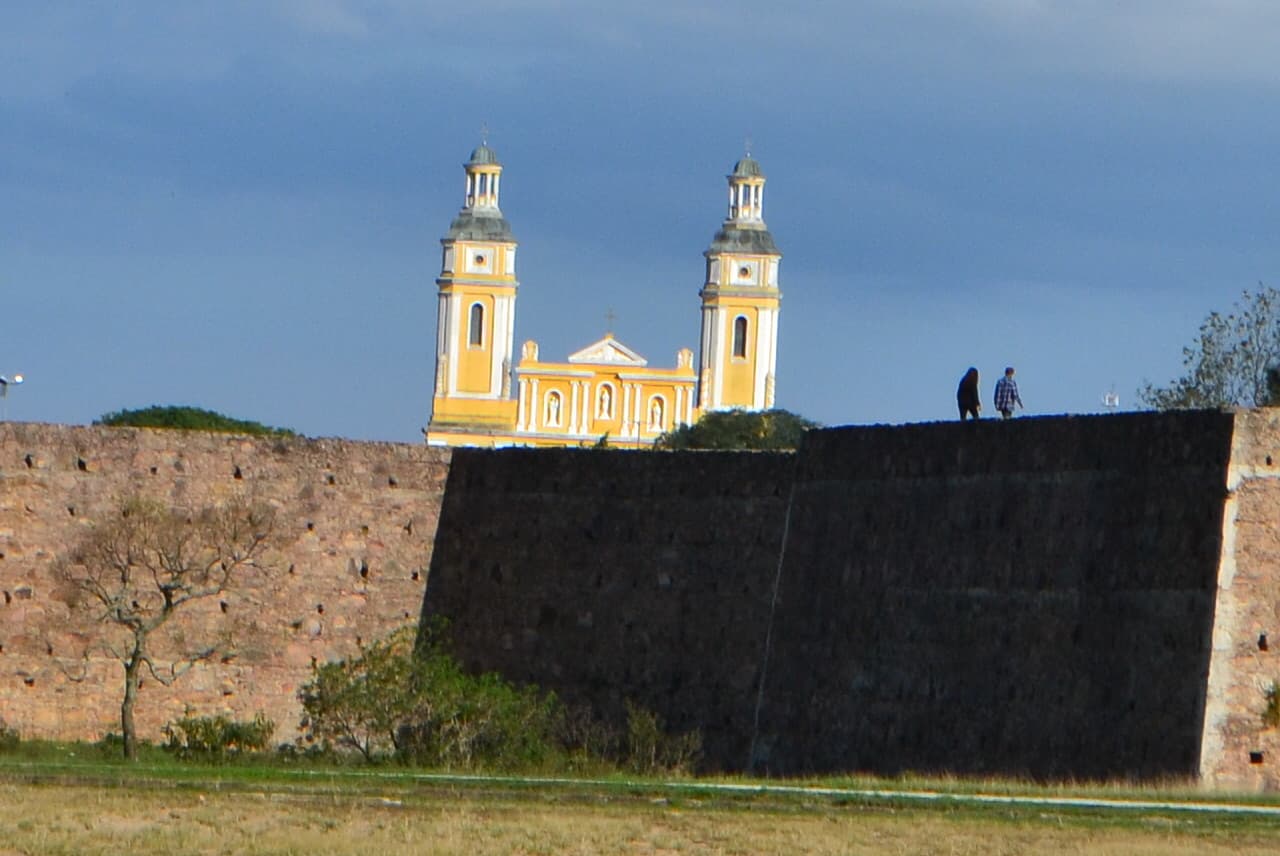
Forte de D. Pedro II de Caçapava is a notable example of a bastioned fortress located in Brazil, reflecting the strategic military architecture employed during the colonial period. Though its exact city location is often unspecified in many sources, the fort is historically significant for its role in regional defense and colonial military organization.
Historical background and significance
The fortress is named after Dom Pedro II, the second and last emperor of Brazil, who reigned from 1831 to 1889. While the fort's construction predates or coincides with the imperial era, the naming reflects the importance of the imperial period in Brazilian history. This fortress was part of a network of fortifications designed to protect strategic points along the Brazilian coast and inland waterways against foreign invasions and internal conflicts.
During the 18th and 19th centuries, Brazil saw numerous conflicts, including struggles for territorial control and defense against European powers. Fortifications like Forte de D. Pedro II de Caçapava were essential in maintaining Portuguese and later Brazilian sovereignty. The fortress contributed to the military readiness and regional security in the area it guarded.
Architectural features and design
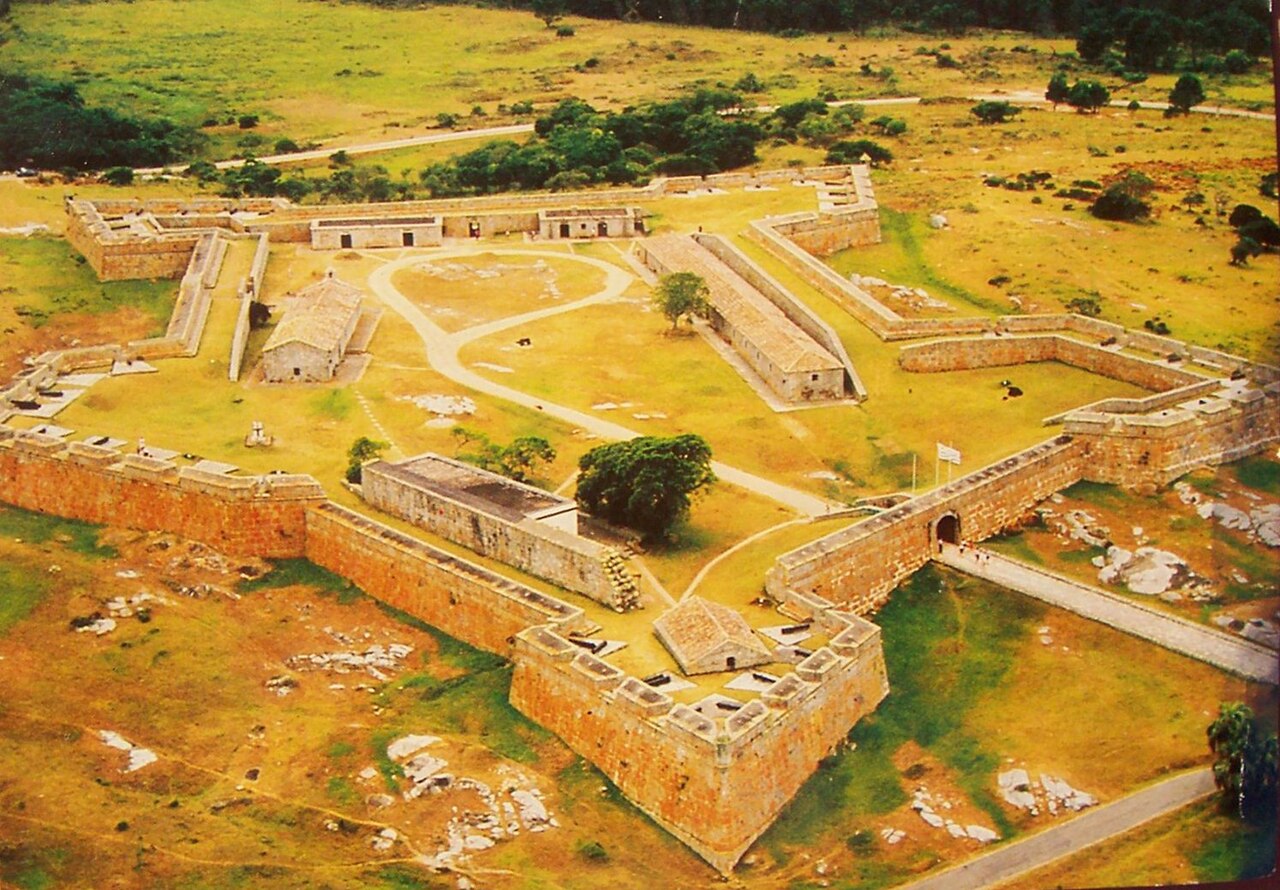
As a bastioned fortress, Forte de D. Pedro II de Caçapava features the characteristic angular bastions protruding from the main walls, designed to provide overlapping fields of fire and eliminate blind spots. This design reflects the influence of the trace italienne style, which revolutionized fortifications in the early modern period by adapting to the use of artillery.
The fortress likely includes thick masonry walls, ramparts, and a surrounding ditch or moat to impede attackers. The bastions would have been equipped with artillery placements, allowing defenders to fire upon approaching enemies while remaining protected. The layout typically includes a central courtyard, barracks, armories, and storage facilities necessary for sustaining a garrison.
Defensive structures
The bastions are key to the fortress's defense, providing vantage points for cannons and muskets. The walls are angled to deflect cannonballs and reduce damage. The fortress's entrance would have been fortified with a gatehouse and possibly a drawbridge over a moat or ditch.
Materials and construction
Construction materials likely included locally sourced stone and brick, combined with lime mortar. The use of durable materials was essential for withstanding prolonged sieges and the tropical climate of Brazil. The fortress's design balances defensive needs with the practicalities of construction in a colonial setting.
Role in regional defense and military history
Forte de D. Pedro II de Caçapava played a role in the defense system protecting Brazilian territory during periods of colonial tension and early independence. Its strategic position allowed control over important routes and waterways, deterring invasions and rebellions.
Although specific battles or sieges involving the fortress are not widely documented, its presence contributed to the broader network of fortifications that maintained order and security in the region. The fort also served as a garrison for troops and a base for military operations.
Preservation and current status
The current condition of Forte de D. Pedro II de Caçapava varies depending on preservation efforts, which are often challenged by environmental factors and urban development. It is generally considered a historic site of cultural importance, reflecting Brazil's colonial and imperial military heritage.
Efforts to maintain and restore the fortress help preserve its architectural integrity and historical value. Visitors to the site can observe the bastioned walls and gain insight into the defensive strategies of the period.
Visiting information and cultural importance
While specific visitor information such as opening hours and ticket prices may vary or be limited, the fortress represents an important cultural landmark. It offers educational opportunities for those interested in military architecture, Brazilian history, and colonial fortifications.
Nearby attractions often include other historical sites and natural landscapes, providing a broader context for understanding the region's past.
Frequently asked questions (FAQ)
- What is the historical significance of Forte de D. Pedro II de Caçapava?
- Forte de D. Pedro II de Caçapava is a significant military fortification built in the 19th century, reflecting Brazil's colonial history and military architecture. It served as a strategic point for the defense of the region and played a vital role during various conflicts, showcasing the evolution of military strategies in South America.
- When was Forte de D. Pedro II de Caçapava built?
- The construction of Forte de D. Pedro II de Caçapava began in 1856 and was completed in 1861. It was designed to protect the interior of Brazil from potential invasions, particularly during the tumultuous periods of the 19th century.
- Can I visit Forte de D. Pedro II de Caçapava?
- Yes, visitors can explore Forte de D. Pedro II de Caçapava. The fort is open to the public, allowing guests to experience its historical architecture and learn about its significance in Brazilian history.
- What are the opening hours for Forte de D. Pedro II de Caçapava?
- Forte de D. Pedro II de Caçapava is typically open to visitors from Tuesday to Sunday, from 9 AM to 5 PM. It's advisable to check ahead for any changes in hours, especially during holidays or special events.
- Is it possible to access Forte de D. Pedro II de Caçapava with public transportation?
- Yes, public transportation options are available to reach Forte de D. Pedro II de Caçapava. Visitors can use local buses or taxis, and there are parking facilities nearby for those who prefer to drive.
- What is the best time to visit Forte de D. Pedro II de Caçapava?
- The best time to visit Forte de D. Pedro II de Caçapava is during the dry season, which runs from May to September. During these months, the weather is typically more pleasant for outdoor exploration and enjoying the scenic views of the surrounding area.
- Are there any nearby attractions to visit when at Forte de D. Pedro II de Caçapava?
- Yes, several attractions are located nearby, including the picturesque town of Caçapava and various natural parks. Visitors can enjoy exploring the local culture and nature, making it a great addition to your itinerary.
- What are the ticket prices for visiting Forte de D. Pedro II de Caçapava?
- Entry to Forte de D. Pedro II de Caçapava is generally free, promoting accessibility to all visitors. However, special guided tours and educational programs may have associated fees.
Photo gallery

Information
Loading map...
Visitor reviews
No reviews yet. Been here? Write the first review and help other travelers!
Write the first reviewVisited this castle? Share your experience
Your review helps other travelers and adds first-hand knowledge to our encyclopedia.