Cerro Fortress
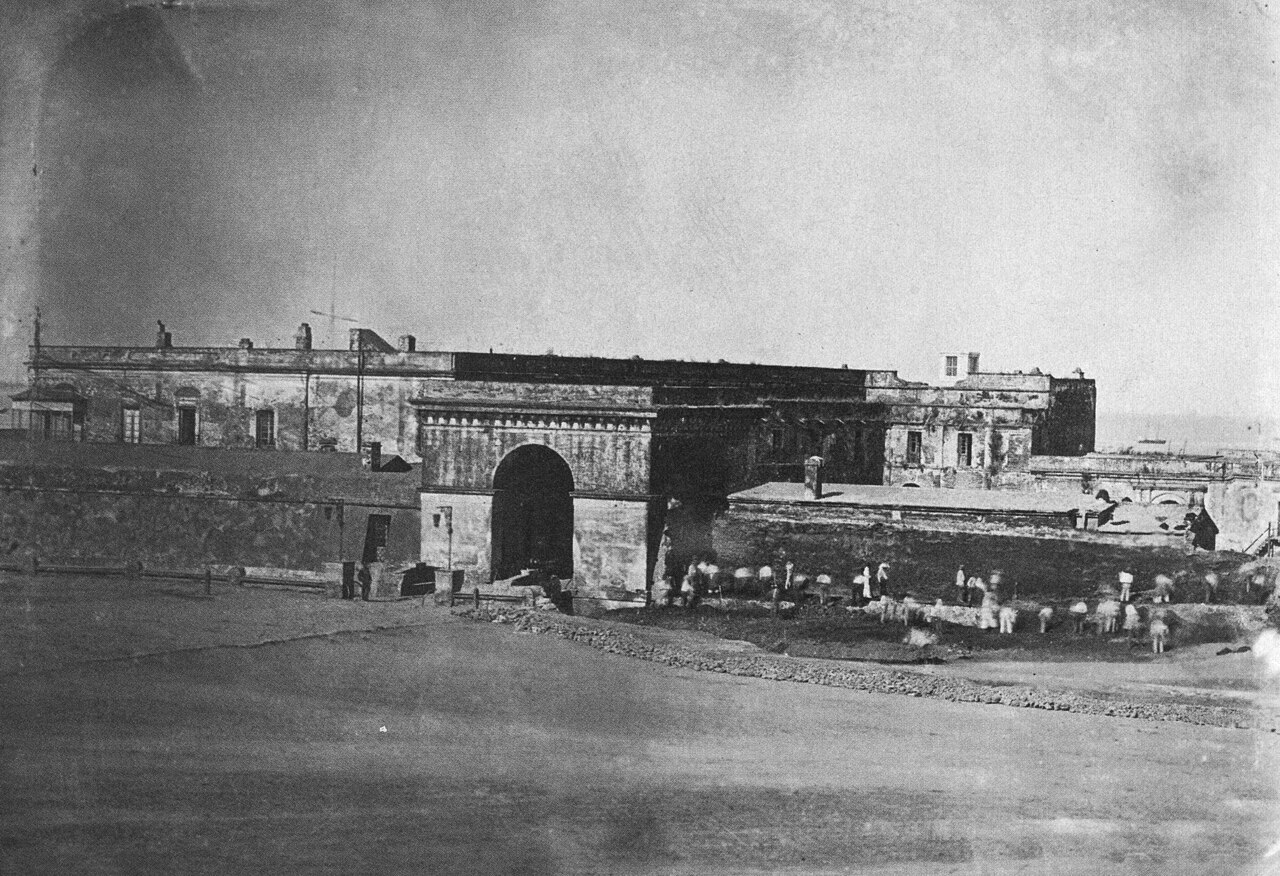
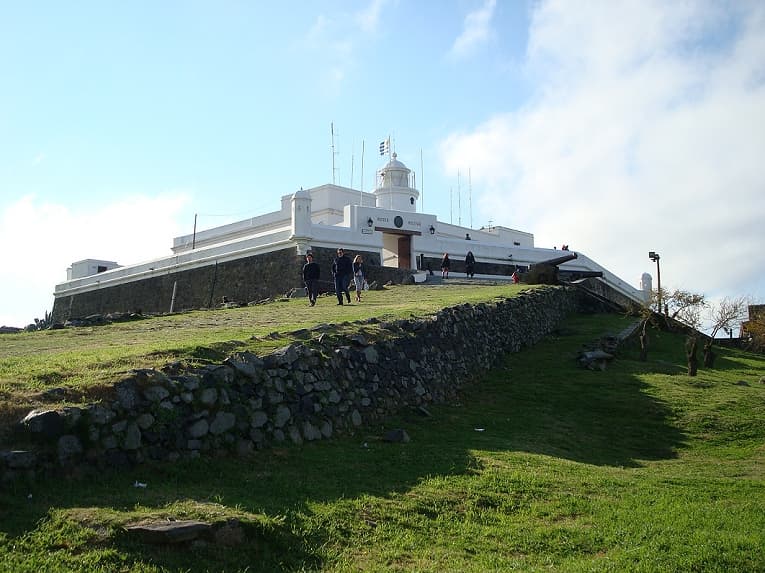
The Fortaleza del Cerro, also known as Fortaleza General Artigas, is a prominent 19th-century bastioned fortress located in Montevideo, Uruguay. It stands on the highest hill in Montevideo, known as Cerro de Montevideo, at an altitude of 134 meters above sea level. This strategic position offers commanding views over the Bay of Montevideo and the río de la Plata, making it a critical military installation for the defense of the city and its port. The fortress is situated in the Casabó barrio, on the western side of Villa del Cerro.
Historical background and construction
The fortress was commissioned by Governor Francisco Javier de Elío in 1809 during the final years of Spanish colonial rule in the region. Its construction spanned three decades, reaching completion in 1839. This timeline places the fortress within the modern period of military architecture, reflecting the evolution of fortification design in response to advances in artillery and siege warfare. Notably, Fortaleza del Cerro was the last Spanish fort built in Uruguay, marking the end of an era of colonial military engineering in the country.
Architectural features and design
The fortress exemplifies the characteristics of a bastioned fortress, a style developed to withstand cannon fire and provide overlapping fields of defensive fire. Its design includes angular bastions that project outward from the main walls, allowing defenders to cover the adjacent walls and moat effectively. The fortress's walls are constructed of thick masonry, designed to absorb and deflect artillery impacts.
The layout includes a central courtyard surrounded by barracks, storage rooms, and defensive positions. The entrance is fortified with a gatehouse and protected by additional defensive works such as ravelins and curtains. The fortress's elevated position on Cerro de Montevideo enhances its defensive capabilities by providing long-range visibility and firing angles over the bay and approaches to Montevideo.
Military significance and usage
Fortaleza del Cerro played a crucial role in the defense of Montevideo and its harbor throughout the 19th century. Its strategic location allowed it to control naval access to the city and deter potential attacks from foreign powers or insurgent forces. The fortress's artillery batteries could engage enemy ships attempting to enter the bay, protecting the vital port facilities and urban center.
Over time, as military technology and tactics evolved, the fortress's active defensive role diminished. However, it remained a symbol of Montevideo's military heritage and national defense. Since 1916, the fortress has housed the Military Museum, preserving and showcasing Uruguay's military history and artifacts within its historic walls.
Preservation and cultural importance
Today, Fortaleza del Cerro is a well-preserved historical monument and a popular tourist attraction in Montevideo. Its status as a bastioned fortress from the 19th century provides valuable insight into the military architecture of the period and the colonial history of Uruguay. Visitors can explore the fortress's ramparts, bastions, and museum exhibits, gaining an understanding of the strategic importance of this site.
The fortress's location on Cerro de Montevideo also offers panoramic views of the city and the bay, making it a significant cultural and scenic landmark. Its preservation contributes to the appreciation of Uruguay's national heritage and the legacy of Spanish colonial fortifications in South America.
Visiting information and accessibility
Fortaleza del Cerro is accessible to the public, offering guided tours and museum access. Visitors can learn about the fortress's construction, military history, and the broader context of Uruguay's colonial and post-colonial periods. The site is suitable for history enthusiasts, architecture scholars, and tourists interested in military heritage.
Frequently asked questions (FAQ)
- What is Cerro Fortress?
- Cerro Fortress, or Castillo del Cerro, is a historic fortress located in Montevideo, Uruguay. Constructed in the 18th century, it was designed to protect the city from maritime threats and has significant military historical importance.
- When was Cerro Fortress built?
- Cerro Fortress was built between 1763 and 1776. It served as a strategic military installation during various conflicts in the region, showcasing the architectural style of its time.
- What are the opening hours for Cerro Fortress?
- Cerro Fortress is open to visitors from Tuesday to Sunday, typically from 10 AM to 5 PM. It's advisable to check their official website for any changes in hours or special events.
- Can I visit Cerro Fortress with my family?
- Yes, Cerro Fortress is a family-friendly destination. Visitors of all ages can explore its historical grounds and enjoy the panoramic views of Montevideo and its coastline.
- Is it possible to access Cerro Fortress by public transportation?
- Yes, Cerro Fortress is accessible via public transportation in Montevideo. Several bus lines service the area, making it convenient for visitors to reach the fortress without a car.
- What is the best time to visit Cerro Fortress?
- The best time to visit Cerro Fortress is during the spring and fall when the weather is mild and pleasant for outdoor exploration. Additionally, these seasons tend to have fewer tourists, allowing for a more relaxed experience.
- Are there any nearby attractions to visit after Cerro Fortress?
- Yes, nearby attractions include the picturesque Parque del Cerro and the scenic beaches along the Montevideo coastline. These sites offer additional opportunities for exploration and relaxation after visiting the fortress.
- What are the ticket prices for visiting Cerro Fortress?
- Admission to Cerro Fortress is generally free, but donations are appreciated to help maintain the site. Special guided tours may have a fee, so it's best to check in advance.
- Why is Cerro Fortress significant in Uruguayan history?
- Cerro Fortress is significant as it represents Uruguay's colonial military history and architectural heritage. It played a crucial role in the defense of Montevideo during various conflicts, reflecting the strategic importance of the location.
Photo gallery

Information
Loading map...
Visitor reviews
No reviews yet. Been here? Write the first review and help other travelers!
Write the first reviewVisited this castle? Share your experience
Your review helps other travelers and adds first-hand knowledge to our encyclopedia.