Fortaleza Ozama
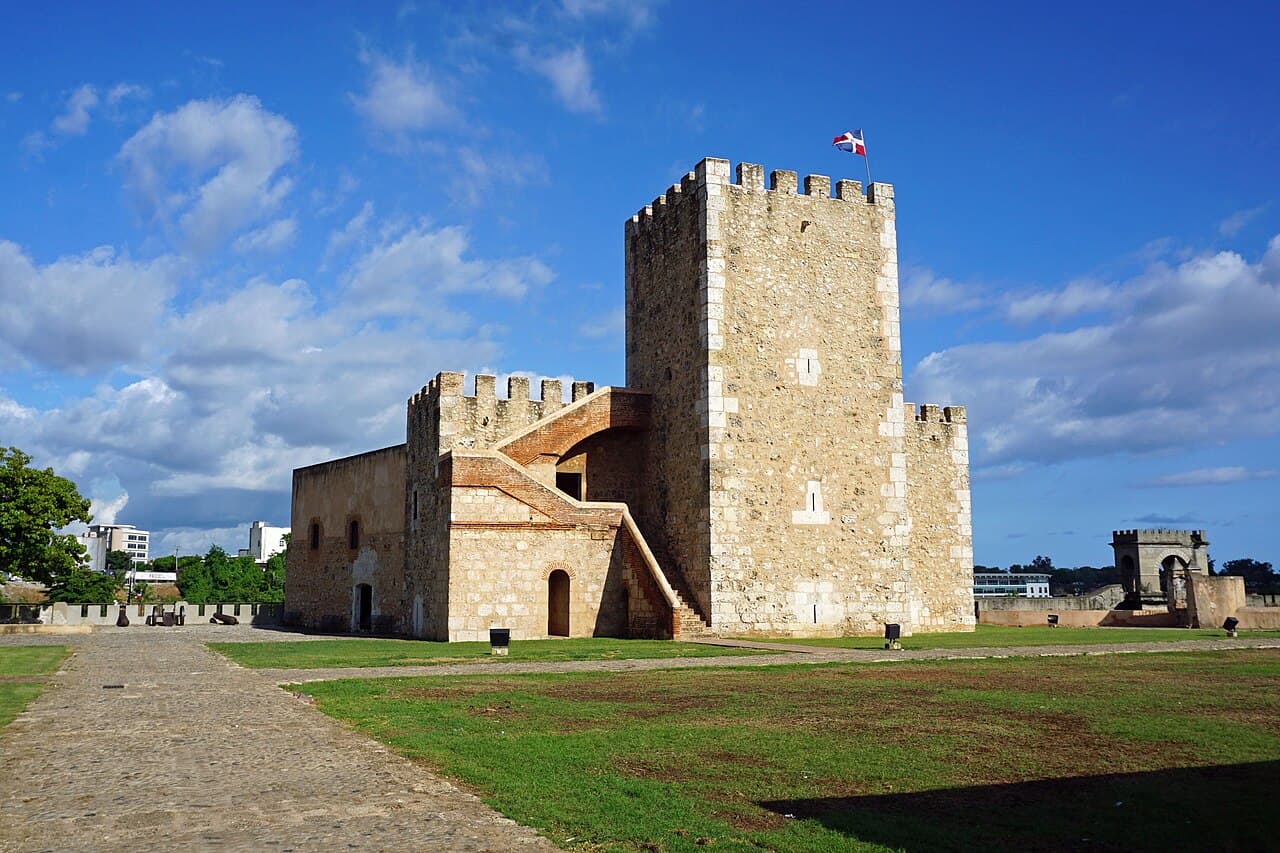
Fortaleza Ozama, located in the heart of Santo Domingo, Dominican Republic, stands as a remarkable example of early European military architecture in the Americas. Constructed between 1502 and 1508 under the direction of Governor Nicolás Ovando, this 16th-century bastioned fortress was strategically positioned at the entrance to Santo Domingo's Ciudad Colonial, overseeing the vital Ozama River. It is recognized as the oldest European military construction in the New World and forms a key part of the UNESCO World Heritage Site encompassing the historic district.
Historical context and significance
The fortress was built during the early phase of Spanish colonization, reflecting the urgent need to protect the fledgling settlement of Santo Domingo from potential attacks by rival European powers and pirates. Its construction marked a critical development in the military defense of the Americas, establishing a fortified presence that would influence subsequent colonial fortifications across the Caribbean and beyond.
Fortaleza Ozama was originally part of the city walls, serving as a defensive stronghold known as the Homage Tower. Its imposing presence symbolized Spanish authority and control over the region. The fortress also played a significant role in the administration of justice and security, with its dungeons used to imprison notable figures, including Christopher Columbus during his final years.
Architectural features and design
The design of Fortaleza Ozama is characteristic of Renaissance military architecture, incorporating elements adapted to the Caribbean environment and the evolving art of fortification. The fortress is built primarily from stone, featuring robust walls, a bastioned layout, and a prominent tower rising approximately 18 meters high, which was the tallest European structure in the Americas at the time of its completion.
The fortress includes several key architectural components:
- Bastions: These angular projections allowed defenders to cover adjacent walls with crossfire, enhancing the fortress's defensive capabilities against artillery and infantry assaults.
- Thick stone walls: Designed to resist cannon fire, the walls are a testament to early adaptation of European fortification techniques in the New World.
- Tower (Homage Tower): Serving both as a lookout and a symbol of power, this tower provided commanding views over the river and surrounding lands.
- Interior tunnels and dungeons: These subterranean spaces were used for secure imprisonment and storage, reflecting the fortress's multifaceted military and administrative functions.
- Parapets and bartizans: Defensive features added in later modifications, including a reinforced concrete wall built in 1938 to mimic colonial fortifications during modernization efforts under Rafael Trujillo.
Construction techniques and materials
The fortress was constructed using locally sourced stone and mortar, techniques brought from Spain and adapted for the tropical climate. The builders employed thick masonry walls and vaulted ceilings to ensure durability and resistance to both attack and environmental conditions such as humidity and hurricanes.
Fortaleza ozama through the centuries
Over the centuries, Fortaleza Ozama has witnessed numerous historical events, including colonial conflicts, pirate raids, and political upheavals. Its strategic location made it a focal point in the defense of Santo Domingo and the wider Caribbean region.
During the 20th century, the fortress underwent significant changes. In 1938, a reinforced concrete wall was added along the riverside as part of port modernization under the regime of Rafael Trujillo. This addition was designed to blend aesthetically with the original colonial architecture, featuring parapets and bartizans that echoed the fortress's historic defensive elements.
Today, Fortaleza Ozama remains a well-preserved monument, open to the public as a museum and cultural landmark. It offers visitors insight into early colonial military engineering, the history of European settlement in the Americas, and the complex legacy of Spanish colonial rule.
Cultural and heritage importance
The fortress is a key component of the Ciudad Colonial, a UNESCO World Heritage Site recognized for its exceptional preservation of early colonial urban and military architecture. Fortaleza Ozama represents the earliest phase of European fortification in the New World and serves as an educational resource on the intersection of military, political, and social history in the Caribbean.
Its association with Christopher Columbus adds to its historical allure, drawing scholars and tourists interested in the Age of Discovery and its consequences.
Visiting fortaleza ozama
Visitors to Fortaleza Ozama can explore its extensive fortifications, including the tower, walls, dungeons, and interior courtyards. The site often hosts guided tours that explain the architectural features and historical context in detail. The fortress's location along the Ozama River provides scenic views and photographic opportunities.
Opening hours and ticket prices vary seasonally, so prospective visitors are advised to check current information before planning their visit. The site is accessible and offers educational materials to enhance the visitor experience.
Frequently asked questions (FAQ)
- When was Fortaleza Ozama built and by whom?
- Fortaleza Ozama was constructed between 1502 and 1508 by the Spanish under Governor Nicolás Ovando to defend the early settlement of Santo Domingo.
- What architectural style characterizes Fortaleza Ozama?
- The fortress exemplifies Renaissance military architecture with bastions, thick stone walls, and a prominent tower designed for defense and surveillance.
- Is Fortaleza Ozama open to visitors and what can be seen there?
- Yes, Fortaleza Ozama is open to the public, offering tours of its bastions, dungeons, tower, and courtyards, providing insight into early colonial military defenses.
- What is the significance of Fortaleza Ozama in the history of the Americas?
- It is the oldest European military construction in the Americas and played a crucial role in the defense and administration of the early Spanish colony in Santo Domingo.
- Are there any notable historical figures associated with Fortaleza Ozama?
- Christopher Columbus was imprisoned in Fortaleza Ozama during his later years, adding to the fortress's historical importance.
Photo gallery

Information
Address
Ciudad Colonial, Santo Domingo, Dominican Republic
Loading map...
Visitor reviews
No reviews yet. Been here? Write the first review and help other travelers!
Write the first reviewVisited this castle? Share your experience
Your review helps other travelers and adds first-hand knowledge to our encyclopedia.