Fort Orange (Ghana)
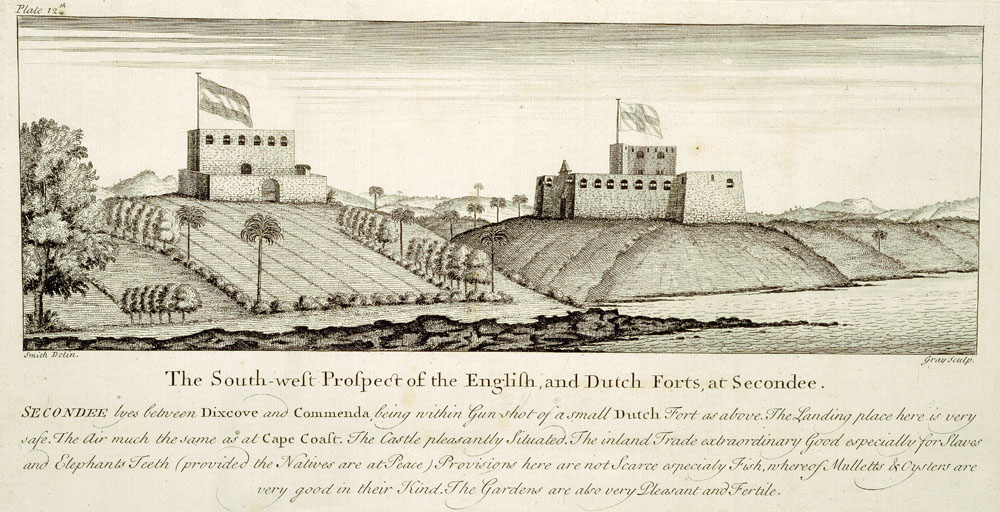
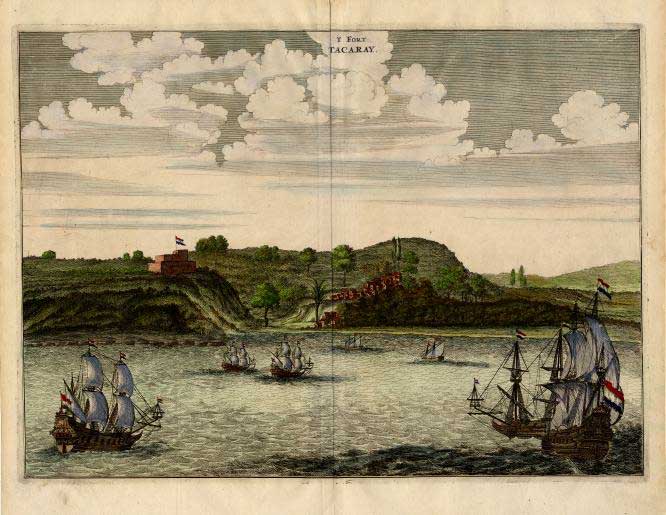
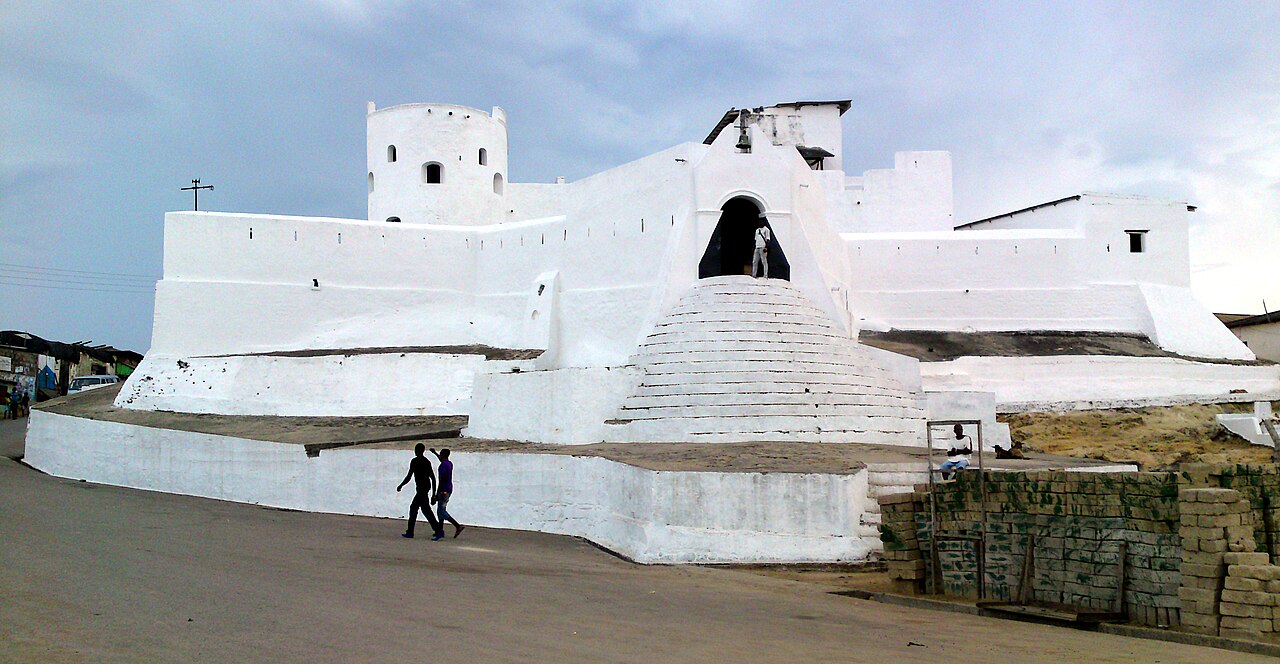
Fort Orange (Dutch: Fort Oranje) is a historic bastioned fortress located in Sekondi, in the Western Region of Ghana. Constructed initially in 1642 by the Dutch as a modest trading lodge, it was expanded significantly into a full-fledged fort by 1690 to accommodate the increasing demands of European trade along the Gold Coast. The fort played a crucial role in the complex network of commerce and colonial rivalry during the Renaissance period, especially in the context of the trans-Atlantic trade.
Historical background and strategic importance
The establishment of Fort Orange was part of the Dutch efforts to secure their foothold on the Gold Coast, a region rich in gold and other resources. The fort's location in Sekondi was strategically chosen to facilitate trade and to serve as a defensive stronghold against both indigenous resistance and competing European powers, notably the British and Portuguese. The fort's proximity to Fort Sekondi, built by the English in 1682, underscores the intense rivalry among colonial powers in this area.
In 1872, under the terms of the Anglo-Dutch Treaty, the Dutch ceded their possessions on the Gold Coast, including Fort Orange, to the British. This transfer marked a significant shift in colonial control and the eventual integration of the fort into the British colonial administration.
Architectural features and fortifications
Fort Orange exemplifies the characteristics of a bastioned fortress, a design that emerged during the Renaissance to improve defensive capabilities against artillery. The fort's layout includes angled bastions that allowed defenders to cover all approaches with overlapping fields of fire, minimizing blind spots and enhancing protection against attacks.
The fort's walls are constructed of robust stone and mortar, designed to withstand cannon fire and sieges. Inside, the fort contained various essential structures such as armories, warehouses, living quarters, and trading halls. These facilities supported the fort's dual role as a military installation and a commercial hub.
Defensive elements
The bastions are connected by thick curtain walls, with embrasures for cannons positioned to defend the fort's perimeter. The fort also featured a moat and a drawbridge, common defensive features intended to deter direct assaults. The design reflects the military engineering principles of the 17th century, adapted to the coastal environment of West Africa.
Role in trade and colonial history
During its operational period under Dutch control, Fort Orange was integral to the trade of gold, ivory, and unfortunately, enslaved people, as part of the trans-Atlantic slave trade. The fort served as a collection and dispatch point for goods and human cargo destined for Europe and the Americas.
Its presence helped the Dutch maintain influence in the region amid fierce competition from other European powers. The fort's commercial importance declined after the British takeover, but it remains a symbol of the colonial era's complex and often troubling history.
Current condition and heritage status
Today, Fort Orange is classified as partially preserved. While some of its original structures remain intact, the fort has experienced deterioration due to weathering and lack of continuous maintenance over the centuries. Efforts have been made to conserve the site as a cultural heritage monument, recognizing its significance in Ghana's colonial past and its architectural value.
The fort is accessible to visitors and forms part of the broader historical landscape of European forts along the Ghanaian coast, which collectively illustrate the region's role in global trade networks and colonial conflicts.
Visiting Fort Orange
Visitors to Fort Orange can explore its ramparts, bastions, and internal chambers, gaining insight into 17th-century military architecture and colonial history. The fort's location in Sekondi makes it accessible for those interested in Ghana's heritage and the history of European presence in West Africa.
Nearby attractions include the adjacent Fort Sekondi and other forts along the coast, which together offer a comprehensive view of the historical dynamics of the Gold Coast.
Frequently asked questions (FAQ)
- How do I get to Fort Orange in Sekondi?
- Fort Orange is located in Sekondi, Western Region of Ghana. It is accessible by road from major cities like Takoradi and Accra, with local transport options available.
- What is the historical significance of Fort Orange?
- Fort Orange was a key Dutch fortification on the Gold Coast, serving both military and commercial purposes during the 17th and 18th centuries, especially in the trans-Atlantic trade.
- Can I visit Fort Orange year-round?
- Yes, Fort Orange is open to visitors throughout the year. It is advisable to check local conditions and opening hours before planning your visit.
- What architectural features make Fort Orange unique?
- Fort Orange features classic bastioned fortress design with angled bastions, thick curtain walls, and embrasures for cannons, reflecting 17th-century military engineering adapted to coastal West Africa.
- Is there an entrance fee to visit Fort Orange?
- Entrance fees may apply depending on current management policies. Visitors should inquire locally or at the site for up-to-date ticket prices.
Photo gallery

Public domain
Information
Loading map...
Visitor reviews
No reviews yet. Been here? Write the first review and help other travelers!
Write the first reviewVisited this castle? Share your experience
Your review helps other travelers and adds first-hand knowledge to our encyclopedia.