Fort Nassau (Ghana)
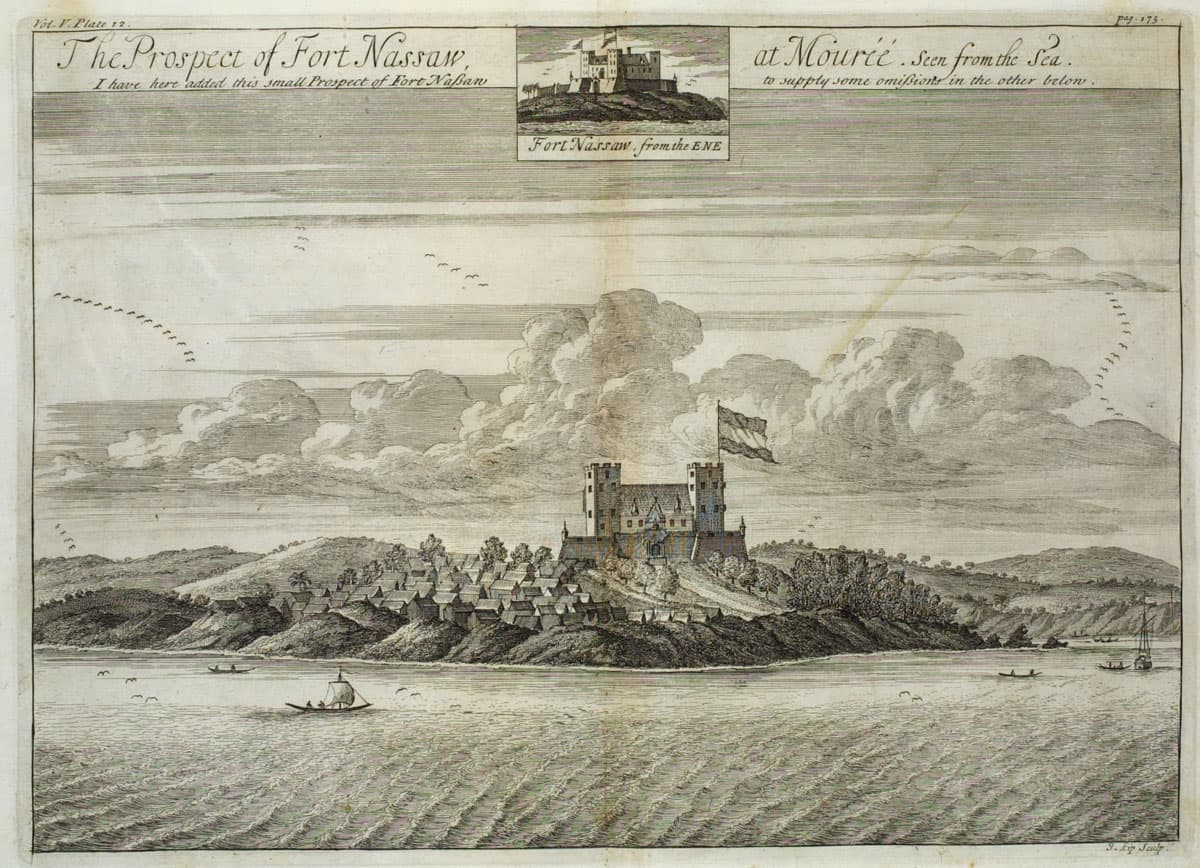
Fort Nassau, located near Moree, Ghana, holds the distinction of being the first fort established by the Dutch on the territory that would later be known as the Dutch Gold Coast. Constructed in the 17th century, this bastioned fortress played a significant role during the Renaissance period of European expansion and colonial competition in West Africa. Its strategic position along the Atlantic coast made it a vital hub for the gold trade and the Atlantic slave trade, two of the most impactful economic activities that shaped the region's history.
Historical context and significance
The establishment of Fort Nassau in 1612 marked the beginning of Dutch involvement in the West African coast, competing with other European powers such as the Portuguese and the English. The fort was constructed to secure Dutch interests in the lucrative trade of gold, ivory, and enslaved people. Its presence symbolized the growing influence of the Dutch West India Company in the region and their efforts to control trade routes and resources.
During its operational period, Fort Nassau served as a trading post and military stronghold. The fort's design reflects the military architecture of the Renaissance era, incorporating bastions for improved defense against artillery attacks. Its walls and ramparts were built to withstand sieges and to assert Dutch dominance over rival European powers and local African states.
Architectural features and construction
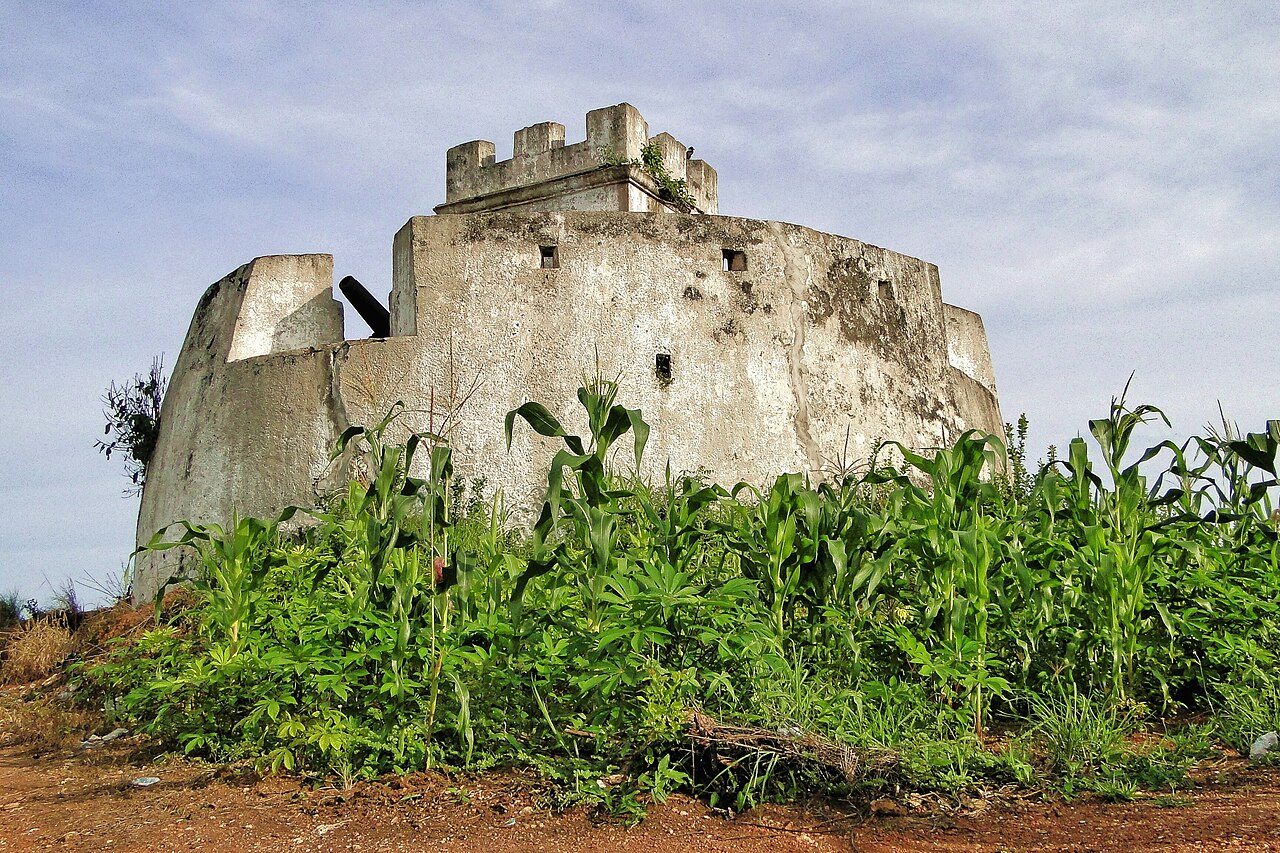
Fort Nassau is characterized by its bastioned fortress design, a style common in European military architecture of the 17th century. The fort features angular bastions at its corners, allowing defenders to cover all approaches with overlapping fields of fire. This design was a response to the increasing use of gunpowder artillery, requiring fortifications to be adapted for cannon defense.
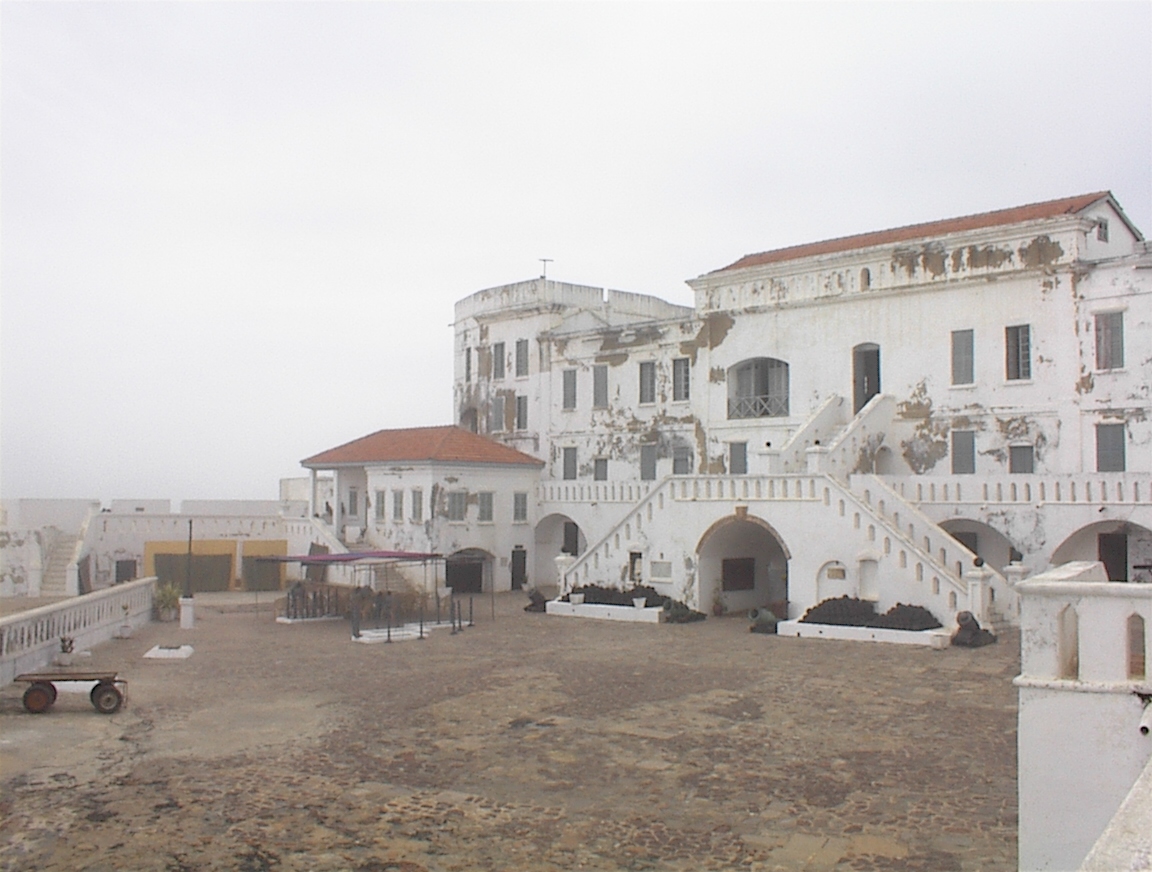
The fort's walls were constructed using locally sourced materials, including stone and mortar, adapted to withstand the coastal climate. The layout includes a central courtyard surrounded by barracks, warehouses, and officers' quarters. The positioning near the coast allowed for control of maritime traffic and facilitated the loading and unloading of goods and enslaved people.
Role in the Atlantic slave trade and gold commerce
Fort Nassau was a key node in the transatlantic slave trade network. Enslaved Africans were held in dungeons within the fort before being transported across the Atlantic to the Americas. The fort's role in this trade is a somber reminder of the human suffering involved in European colonial enterprises.
In addition to the slave trade, the fort was instrumental in the export of gold, a highly prized commodity that attracted European powers to the West African coast. The fort facilitated the exchange between European traders and African merchants, impacting the economic and political dynamics of the region.
Preservation and cultural heritage
Today, Fort Nassau stands as a well-preserved example of early European fortifications in West Africa. It was inscribed on the UNESCO World Heritage list in 1979, along with several other forts and castles in Ghana, recognizing its importance in illustrating the history of European colonization, the gold trade, and the Atlantic slave trade.
The fort is managed as a cultural heritage site, attracting visitors interested in history, architecture, and the legacy of colonialism. Efforts have been made to maintain the structural integrity of the fort while providing educational resources about its complex past.
Visiting Fort Nassau
Visitors to Fort Nassau can explore the ramparts, bastions, and internal chambers that reveal the fort's military and commercial functions. The site offers insights into the architectural adaptations made for defense and trade during the Renaissance period. Guided tours often include discussions on the fort's role in the Atlantic slave trade and its impact on Ghanaian and global history.
The fort's coastal setting also provides scenic views and opportunities to understand the geographical factors that influenced its location and design. Visitor facilities and opening hours may vary, so checking local information before planning a visit is recommended.
Frequently asked questions (FAQ)
- When was Fort Nassau built and by whom?
- Fort Nassau was built in 1612 by the Dutch as their first fort on the Gold Coast, marking the start of Dutch colonial presence in the region.
- What architectural style characterizes Fort Nassau?
- Fort Nassau features a bastioned fortress design typical of 17th-century Renaissance military architecture, with angled bastions for artillery defense.
- What was the role of Fort Nassau in the Atlantic slave trade?
- The fort served as a holding site for enslaved Africans before their forced transport across the Atlantic, playing a significant role in the transatlantic slave trade.
- Is Fort Nassau accessible to visitors today?
- Yes, Fort Nassau is a well-preserved heritage site open to visitors who can explore its bastions, ramparts, and internal chambers to learn about its history.
- Why is Fort Nassau a UNESCO World Heritage site?
- Fort Nassau is recognized by UNESCO for its historical importance in European colonial expansion, the gold trade, and the Atlantic slave trade on the West African coast.
Photo gallery

Public domain
Information
Loading map...
Visitor reviews
No reviews yet. Been here? Write the first review and help other travelers!
Write the first reviewVisited this castle? Share your experience
Your review helps other travelers and adds first-hand knowledge to our encyclopedia.