Fort Washakie
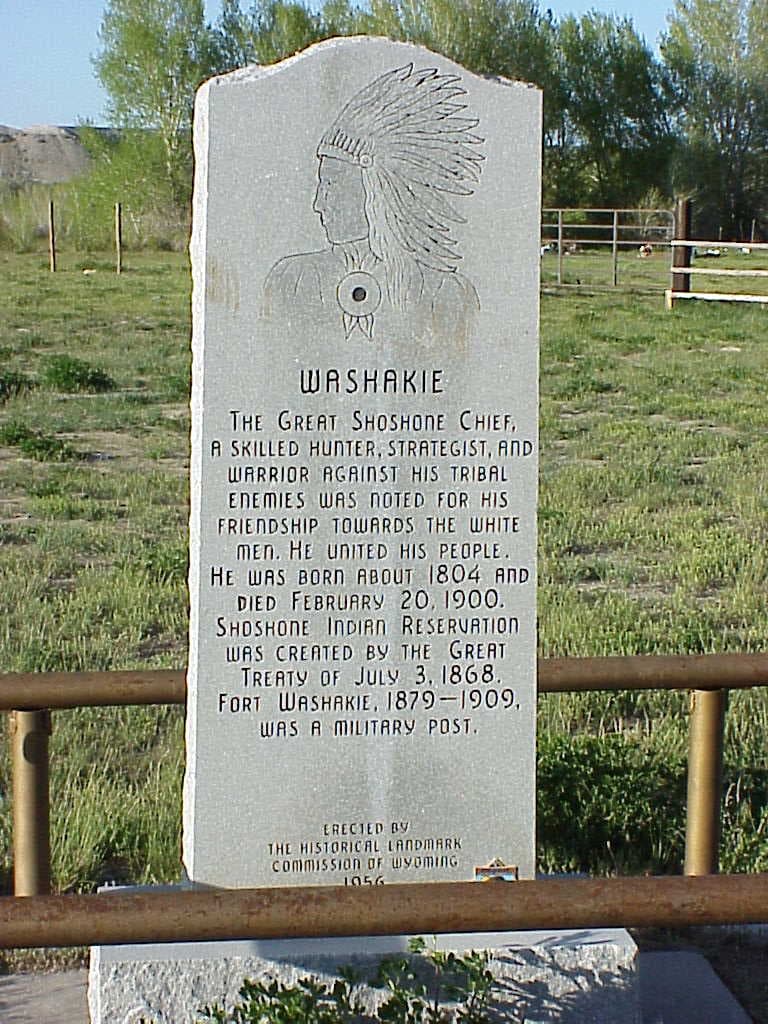
Fort Washakie is a historic U.S. Army fort located in what is now the state of Wyoming. Established in 1869 as Camp Augur, it was named after General Christopher C. Augur, commander of the Department of the Platte. The fort underwent several name changes in its early years, reflecting significant military and Native American figures. In 1870, it was renamed Camp Brown in honor of Captain Frederick H. Brown, who was killed in the Fetterman Massacre of 1866. The final renaming occurred in 1878, when it received the name Fort Washakie to honor Chief Washakie of the Shoshone tribe. This renaming was notable as it made the fort one of the few U.S. military outposts named after a Native American leader, a rare acknowledgment of indigenous influence in military history.
Historical significance and military role
Fort Washakie served as a critical military outpost during the late 19th century, a period marked by conflict and negotiation between the U.S. government and Native American tribes. Its establishment was part of a broader effort to exert control and provide security in the western territories during the post-Civil War expansion. The fort's strategic location within the Wind River Indian Reservation allowed it to function as a center for military administration and interaction with the Shoshone people.
The fort was operational until 1909, when it was decommissioned under the command of William A. McCain, the last post commander. Following its closure, the property was transferred to the Shoshone Indian Agency, reflecting a shift from military to tribal governance and marking a significant moment in the history of U.S.-Native American relations.
Architectural characteristics and fortifications
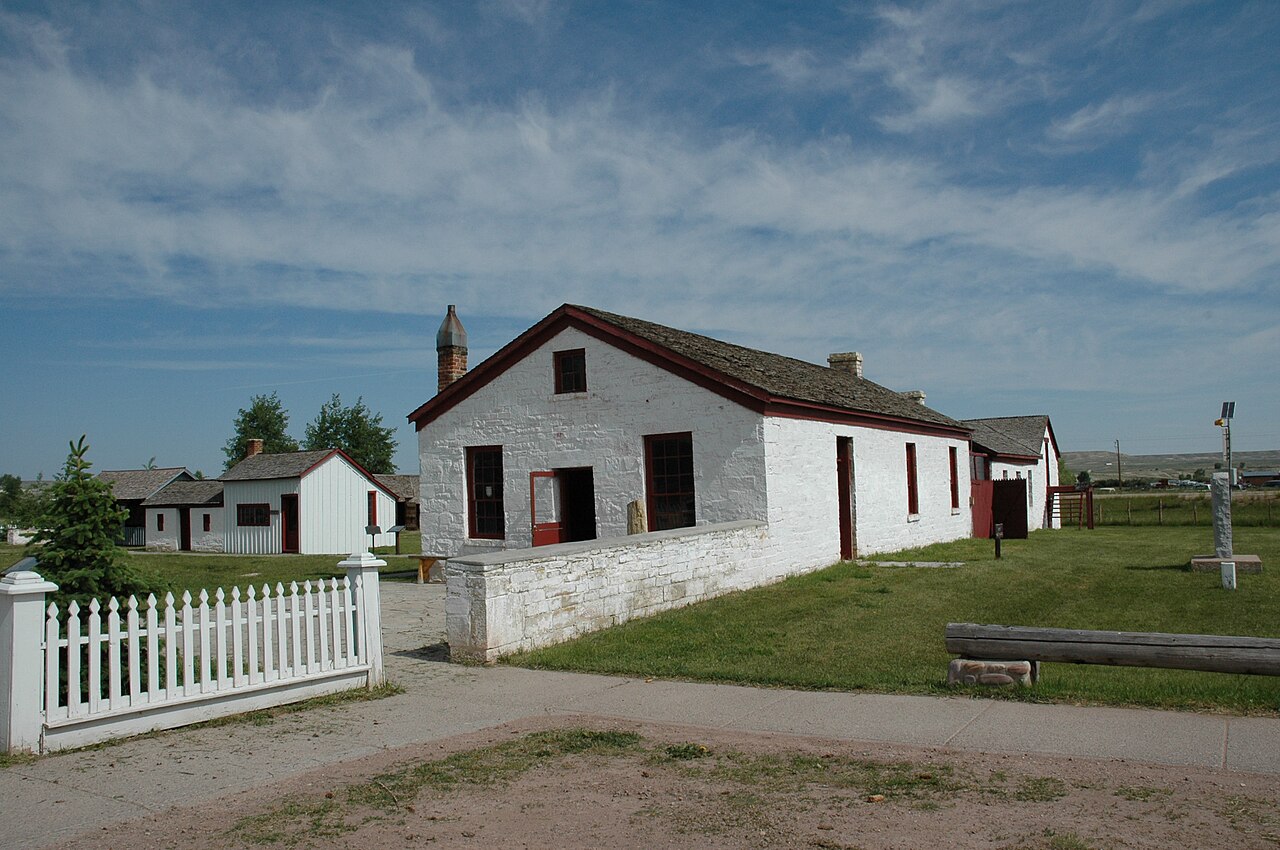
Fort Washakie was constructed as a bastioned fortress, a style characterized by projecting bastions that allowed defenders to cover adjacent walls with gunfire. This design was common in military architecture of the period, emphasizing defense against potential attacks from both Native American tribes and other hostile forces. The fort's layout included typical features such as barracks, officers' quarters, storehouses, and parade grounds, designed to support a self-sufficient military community.
While specific architectural details and surviving structures of Fort Washakie are limited, the fort's design reflected the practical needs of frontier military installations. Its buildings were likely constructed from locally available materials, with wood and stone used to provide durability and protection against the harsh Wyoming climate.
Cultural and memorial importance
The site of Fort Washakie holds significant cultural value, particularly due to its association with prominent Native American figures. The graves of Chief Washakie and Sacajawea, the renowned guide of the Lewis and Clark Expedition, are located on the fort's grounds. These burial sites underscore the fort's role as a place of historical memory and cultural intersection between Native American heritage and U.S. military history.
Chief Washakie was a respected leader of the Shoshone people, known for his diplomatic efforts and alliance with the United States. His legacy is commemorated through the fort's name and the preservation of his gravesite, which attracts visitors interested in Native American history and the complex narratives of the American West.
Present-day status and visitor information
Today, Fort Washakie is part of the Wind River Indian Reservation and remains a site of historical interest. While the fort itself no longer functions as a military installation, its grounds and memorials serve as a reminder of the region's layered history. Visitors can explore the area to learn about the fort's military past and its significance to the Shoshone tribe.
The site is managed in cooperation with the Shoshone Indian Agency, ensuring that its preservation respects the cultural heritage of the indigenous community. Interpretive materials and guided tours may be available to provide deeper insight into the fort's history and architecture.
Frequently asked questions (FAQ)
- When was Fort Washakie established and what were its original names?
- Fort Washakie was established in 1869, initially named Camp Augur after General Christopher C. Augur. It was renamed Camp Brown in 1870 to honor Captain Frederick H. Brown, and finally renamed Fort Washakie in 1878 after Chief Washakie of the Shoshone tribe.
- Why is Fort Washakie significant in Native American history?
- Fort Washakie is one of the few U.S. military forts named after a Native American leader, Chief Washakie. The fort's grounds include the graves of Chief Washakie and Sacajawea, highlighting its cultural and historical importance to the Shoshone tribe and Native American heritage.
- What architectural style characterizes Fort Washakie?
- Fort Washakie was constructed as a bastioned fortress, featuring projecting bastions for defensive purposes. This style was typical of 19th-century military forts designed to provide comprehensive coverage against attacks.
- Is Fort Washakie open to visitors today?
- Fort Washakie is located within the Wind River Indian Reservation and is managed by the Shoshone Indian Agency. While it no longer functions as a military fort, visitors can explore the site to learn about its history and cultural significance, though specific visiting hours and tour availability may vary.
- Who was the last commander of Fort Washakie and what happened after its closure?
- The last commander was William A. McCain, who oversaw the fort's decommissioning in 1909. After closure, the fort was transferred to the Shoshone Indian Agency, marking a transition from military to tribal stewardship.
Photo gallery

Information
Current owner
Shoshone Indian Agency
Loading map...
Visitor reviews
No reviews yet. Been here? Write the first review and help other travelers!
Write the first reviewVisited this castle? Share your experience
Your review helps other travelers and adds first-hand knowledge to our encyclopedia.