Fort Bridger — United States of America castle

Fort Bridger

Fort Bridger: historic 19th-century trading post and military fort in Wyoming
Fort Bridger, Wyoming, United States of America
High Medieval (11th–13th c.)
Partially Restored

Fort Bridger originated as a 19th-century fur trading outpost founded in 1842 by mountain man Jim Bridger and his partner Louis Vasquez. Located on the Blacks Fork of the Green River in present-day Uinta County, Wyoming, the site was originally part of Mexican territory before becoming U.S. land. The fort quickly became a critical resupply and rest stop for emigrants traveling westward along the Oregon, California, and Mormon Trails, which were among the most important pioneer routes during the westward expansion of the United States.

Early establishment and strategic location

The fort was established primarily as a trading post to facilitate commerce between Native American tribes, trappers, and mountain men. Its location near the Green River provided access to fresh water and abundant game, making it an ideal spot for trade and rest. The fort's position also allowed it to serve as a key junction for travelers heading west, offering supplies, repairs, and guidance.

Military significance and development

In 1858, during the Utah War—a confrontation between the United States government and Mormon settlers in the Utah Territory—the U.S. Army established a military post at Fort Bridger. The military presence was intended to secure the area and protect emigrants traveling through the region. The fort was expanded with defensive structures, including and stockades, to withstand potential attacks. It remained an active military installation until its closure in 1890.

Architectural features and fortifications

Fort Bridger's layout included a series of wooden buildings enclosed by a stockade fence. The fort's design incorporated bastioned elements characteristic of frontier military forts, providing overlapping fields of fire to defend against attacks. The buildings housed troops, storage for supplies, and facilities for blacksmithing and wagon repair, essential services for emigrants.

Role in westward expansion

As a vital resupply point, Fort Bridger offered emigrants food, fresh horses, and equipment repairs, significantly easing the hardships of the long journey west. It also served as a center for communication and coordination among various groups moving along the pioneer trails. The fort's presence contributed to the increased migration to the western United States and the eventual settlement of Wyoming and surrounding territories.

Legacy and preservation

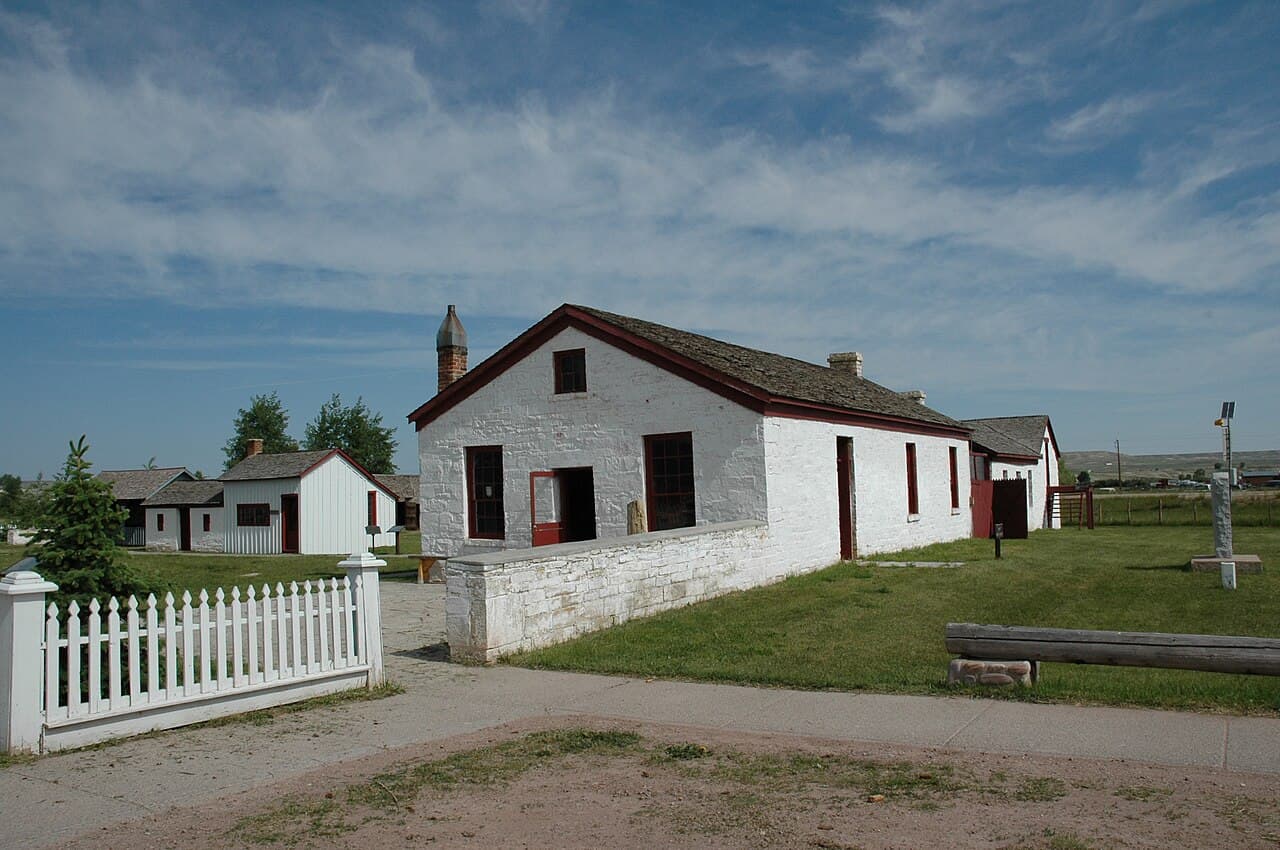
Today, Fort Bridger is recognized as a historic site that preserves the legacy of early western expansion and military history. Although the original fort structures have not survived intact, the site includes reconstructed buildings and interpretive exhibits that educate visitors about the fort's role in American history. The nearby town of Fort Bridger, Wyoming, continues to bear the fort's name, maintaining its connection to this important landmark.

Visitor information and cultural significance

The Fort Bridger Historic Site offers tours and educational programs that highlight the fort's significance in the 19th century. Visitors can explore the reconstructed fort, learn about the lives of mountain men, soldiers, and emigrants, and understand the challenges of frontier life. The site serves as a reminder of the complex interactions between Native Americans, settlers, and the U.S. military during a transformative period in American history.

Frequently asked questions (FAQ)

When was Fort Bridger established and by whom?
Fort Bridger was established in 1842 by mountain man Jim Bridger and Louis Vasquez as a fur trading post.
What role did Fort Bridger play in westward expansion?
Fort Bridger served as a vital resupply and rest stop for emigrants on the Oregon, California, and Mormon Trails, facilitating westward migration.
Is Fort Bridger open to visitors today?
Yes, Fort Bridger is a historic site with reconstructed buildings and offers tours and educational programs for visitors.
What military significance did Fort Bridger have?
The U.S. Army established a military post at Fort Bridger in 1858 during the Utah War to protect emigrants and secure the region.
Where is Fort Bridger located?
Fort Bridger is located near the town of Fort Bridger in Uinta County, Wyoming, United States.

Photo gallery

Fort Bridger
Click to view
1 photo • Click any image to view in full screen

Information

Bastioned Fortress

Current owner

State museum

Loading map...

Visitor reviews

No reviews yet. Been here? Write the first review and help other travelers!

Write the first review

Visited this castle? Share your experience

Your review helps other travelers and adds first-hand knowledge to our encyclopedia.

Write a review

(5/5)

0/2000 characters

Your review will be visible after admin approval

Nearby castles

130.6 km

Castle Manor

Hyde Park, United States of America

Castle Manor in Hyde Park, Utah, is a distinctive wedding reception and events venue designed to evoke the grandeur and charm of a traditional stone manor or castle. Completed in 2009, this property stands out for its impressive architectural styling that features multiple stone-clad towers and crenellations along the roofline, giving it a castle-like appearance that appeals to those seeking a romantic and elegant setting for their special occasions. Architectural features and design The design of Castle Manor draws inspiration from medieval European castles, evident in its use of stone cladding on the exterior walls and the inclusion of towers that punctuate the structure’s silhouette. The crenellated parapets along the roofline enhance its fortress-like character, providing a dramatic and picturesque backdrop for events. While not a historic castle, the building's architectural elements create a sense of timelessness and grandeur. The interior spaces are designed to accommodate a wide range of events, with flexible layouts that can host anywhere from 50 to 1,500 guests. The venue combines the aesthetic appeal of castle architecture with modern amenities and conveniences, making it suitable for weddings, receptions, corporate events, and other large gatherings. Location and accessibility Located at 710 W 200 N, Hyde Park, UT 84318, Castle Manor benefits from its scenic setting in northern Utah, offering guests access to beautiful natural surroundings alongside the venue's impressive architecture. Hyde Park itself is known for its welcoming community and picturesque landscapes, making it a desirable location for hosting memorable events. Event hosting and facilities Castle Manor is equipped to handle a diverse array of events, with facilities that support both intimate gatherings and large-scale celebrations. Its capacity to host up to 1,500 guests positions it among the larger event venues in the region. The venue offers ample parking, catering accommodations, and event planning support to ensure a seamless experience for clients and their guests. Cultural significance and appeal While Castle Manor is a modern construction rather than a historic fortress, its castle-inspired design taps into the cultural fascination with medieval architecture and romanticized notions of castles. This makes it particularly popular for weddings and celebrations where an atmosphere of elegance and fantasy is desired. Visitors and event attendees often appreciate the venue’s unique blend of historic architectural motifs and contemporary event functionality, making it a standout choice in the Utah event venue market.

Contemporary (20th–21st c.)
Details
141.7 km

Cherokee Ranch and Castle

Sedalia, United States of America

Cherokee Ranch and Castle is a distinctive landmark located near Denver, Colorado, encompassing a sprawling 3,400-acre ranch and a remarkable castle built in the style of a 15th-century Scottish castle. This unique estate combines the heritage of the American West with the architectural grandeur of medieval Europe, making it a rare cultural and historical treasure in the region. Historical background and origins The land that now comprises Cherokee Ranch originally consisted of two separate homesteads established in the late 1890s: the Flower Homestead and the Blunt Homestead. These homesteads were typical of the pioneering settlements that characterized the American West during that period. In 1924, the Flower Homestead was acquired by the Johnson Family, who initiated the construction of the castle, drawing inspiration from traditional Scottish architecture. In 1954, the property was sold to Tweet Kimball, a notable preservationist and philanthropist. Kimball expanded the estate by purchasing the adjacent Blunt Homestead, unifying the lands under the name Cherokee Ranch. Under her stewardship, the ranch not only maintained its agricultural functions but also became a cultural hub, hosting various events and preserving native wildlife habitats. Architectural features of Cherokee Castle The castle is a striking example of medieval Scottish architectural style transplanted to the American West. Constructed primarily from locally sourced rhyolite and petrified wood, the building showcases the use of native materials in a manner that pays homage to traditional European castle construction. The stonework is notable for its durability and aesthetic appeal, blending naturally with the surrounding landscape. The castle's design includes characteristic elements such as towers, battlements, and stone walls that evoke the defensive structures of the 15th century. Inside, the castle houses an impressive collection of world-class art, antiques, and rare books, reflecting the refined tastes of its owners and serving as a cultural repository. Interior and collections The interiors of Cherokee Castle are richly appointed, featuring period furnishings and decorative arts that enhance its historic ambiance. The collection includes rare books and antiques that provide insight into both European and American history. This cultural wealth supports the castle's role as a venue for cultural, scientific, and civic events, attracting visitors interested in history, art, and architecture. The ranch and natural environment Beyond the castle itself, Cherokee Ranch encompasses vast tracts of land that sustain diverse native wildlife, flora, and fauna. The ranch's management emphasizes the preservation of these natural habitats, contributing to the conservation of the region's ecological heritage. The blend of agricultural use and environmental stewardship reflects the ranch's commitment to maintaining the legacy of the American West. Land use and preservation The ranch continues to operate as a working cattle ranch, maintaining traditional ranching practices alongside conservation efforts. This dual focus ensures the sustainability of the land and supports the cultural narrative of the West. Visitors to Cherokee Ranch and Castle can experience both the historic architecture and the natural beauty of the Colorado landscape. Visiting Cherokee Ranch and Castle Cherokee Castle offers guided tours that allow visitors to explore its historic architecture and extensive art and antique collections. The castle also hosts tea and brunch events, providing a unique cultural experience in a historic setting. Additionally, the venue is available for private events such as weddings and other special occasions, capitalizing on its picturesque surroundings and elegant interiors. The castle's location at 6113 N. Daniels Park Road, Sedalia, Colorado, makes it accessible for visitors from Denver and surrounding areas. The site is managed by the Cherokee Ranch & Castle Foundation, which oversees its preservation and public programming. Public engagement and cultural significance Through its public events and educational programs, Cherokee Ranch and Castle plays a vital role in promoting awareness of both historical architecture and western heritage. The combination of a 15th-century Scottish-style castle with a traditional American ranch creates a unique cultural landmark that bridges continents and centuries.

Post-Renaissance (17th–18th c.)
Details
145.5 km

Castle Creek Inn

Cottonwood Heights, United States of America

Castle Creek Inn is a unique castle-like bed and breakfast located in Cottonwood Heights, Utah. This charming inn offers guests a distinctive experience that combines the allure of historic castle architecture with modern comforts. While not a traditional medieval fortress, the inn's design evokes the romantic and stately qualities of a castle, making it a popular venue for wedding ceremonies, wedding receptions, and other special occasions. Architectural style and features The inn's architecture features elements reminiscent of castle design, including stone facades, turret-like structures, and arched windows that create a sense of grandeur and historic charm. The interiors blend this castle-inspired aesthetic with elegant fireplaces and other period touches that enhance the atmosphere of sophistication and comfort. Modern amenities and guest experience Despite its historic appearance, Castle Creek Inn is equipped with contemporary conveniences to ensure a comfortable stay. Guests can enjoy amenities such as jetted tubs, cozy fireplaces, and an extensive, free movie library. The inn's ambiance invites visitors to "travel through time" to a period of pristine elegance and sophistication, while still benefiting from all the comforts of modern life. Events and hospitality Castle Creek Inn serves as a premier venue for weddings and other celebrations. Its castle-like setting provides a picturesque backdrop for ceremonies and receptions, making it a favored choice for couples seeking a romantic and memorable location. The inn's staff offers attentive hospitality to create a seamless and enjoyable experience for guests and event attendees alike. Location and accessibility Situated at 7391 Creek Rd, Cottonwood Heights, Utah, Castle Creek Inn is conveniently accessible from the surrounding Salt Lake City metropolitan area. The location offers a serene environment that complements the inn's historic and elegant character. Historical context and significance While Castle Creek Inn is not a historic castle in the traditional sense, its design and function pay homage to the grandeur and romance associated with castle architecture. It stands as a modern interpretation that captures the spirit of historic castles, offering guests a unique blend of history-inspired ambiance and contemporary luxury. Visitors to Castle Creek Inn can expect a distinctive experience that celebrates both the past and present, making it a notable destination within the region for those seeking a castle-like retreat with modern comforts.

Details
