Fort VIII Służew — Poland castle

Fort VIII Służew

Fort VIII Służew: bastioned fortress in Poland
Post-Renaissance (17th–18th c.)

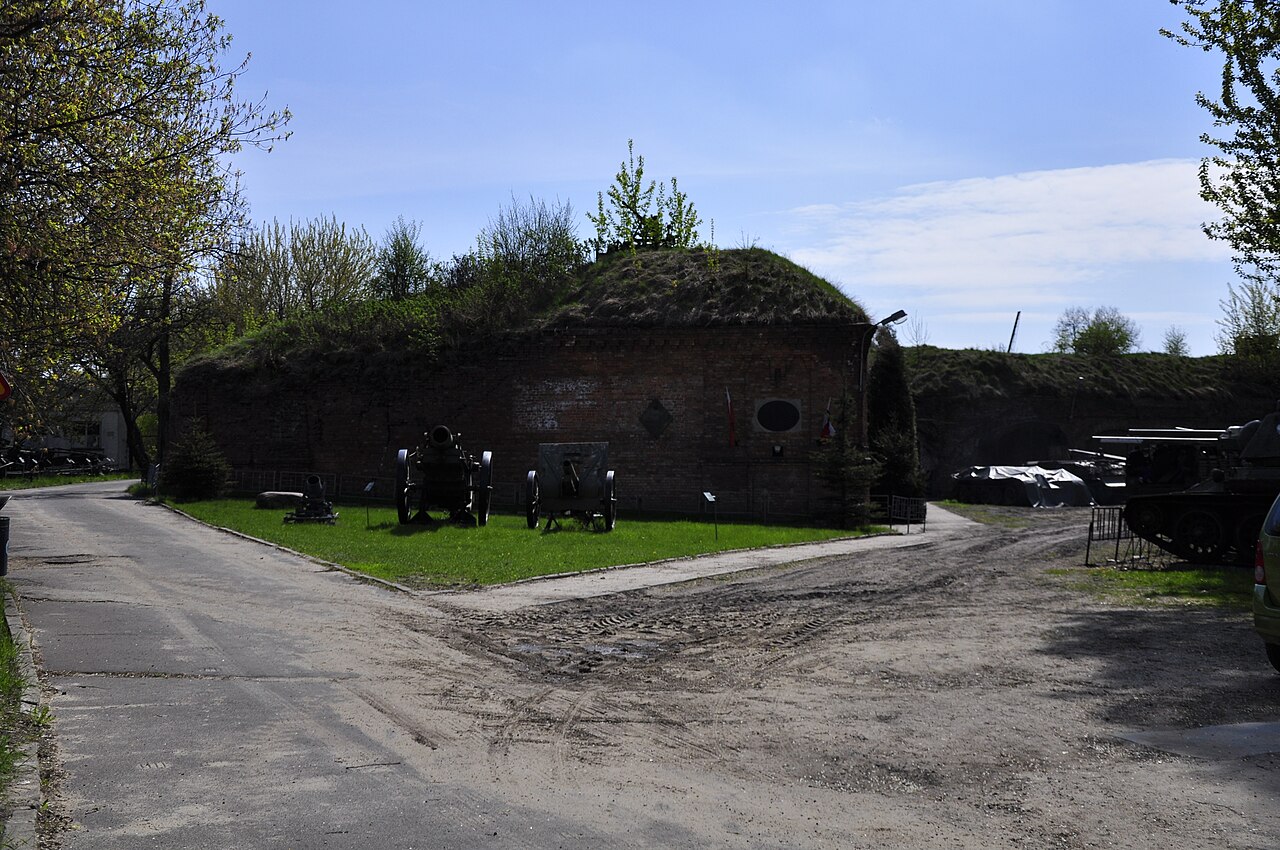
Fort VIII Służew is a significant example of a bastioned fortress constructed in the 19th century as part of the extensive defensive ring around Warsaw, Poland. This fortification was designed to strengthen the city's military defenses during a period marked by rapid advancements in artillery and siege warfare. It reflects the strategic military architecture of the era, combining robust bastions, thick walls, and carefully planned defensive features.

Historical context and strategic importance

Constructed in the late 19th century, Fort VIII Służew was part of the Warsaw Fortress system, a network of fortifications built by the Russian Empire to protect the city, which was then under Russian control. The fortress played a crucial role in the defensive strategy aimed at deterring enemy advances and securing the approaches to Warsaw. Its location was carefully chosen to cover key access routes and to work in conjunction with other forts in the ring, creating overlapping fields of fire and mutual support.

Architectural features and design

The fort exemplifies the bastioned fortress style, characterized by angular bastions projecting from the main walls, allowing defenders to cover adjacent walls with gunfire and eliminate blind spots. Its design reflects the military engineering principles of the time, emphasizing strong defensive capabilities against artillery bombardment and infantry assault.

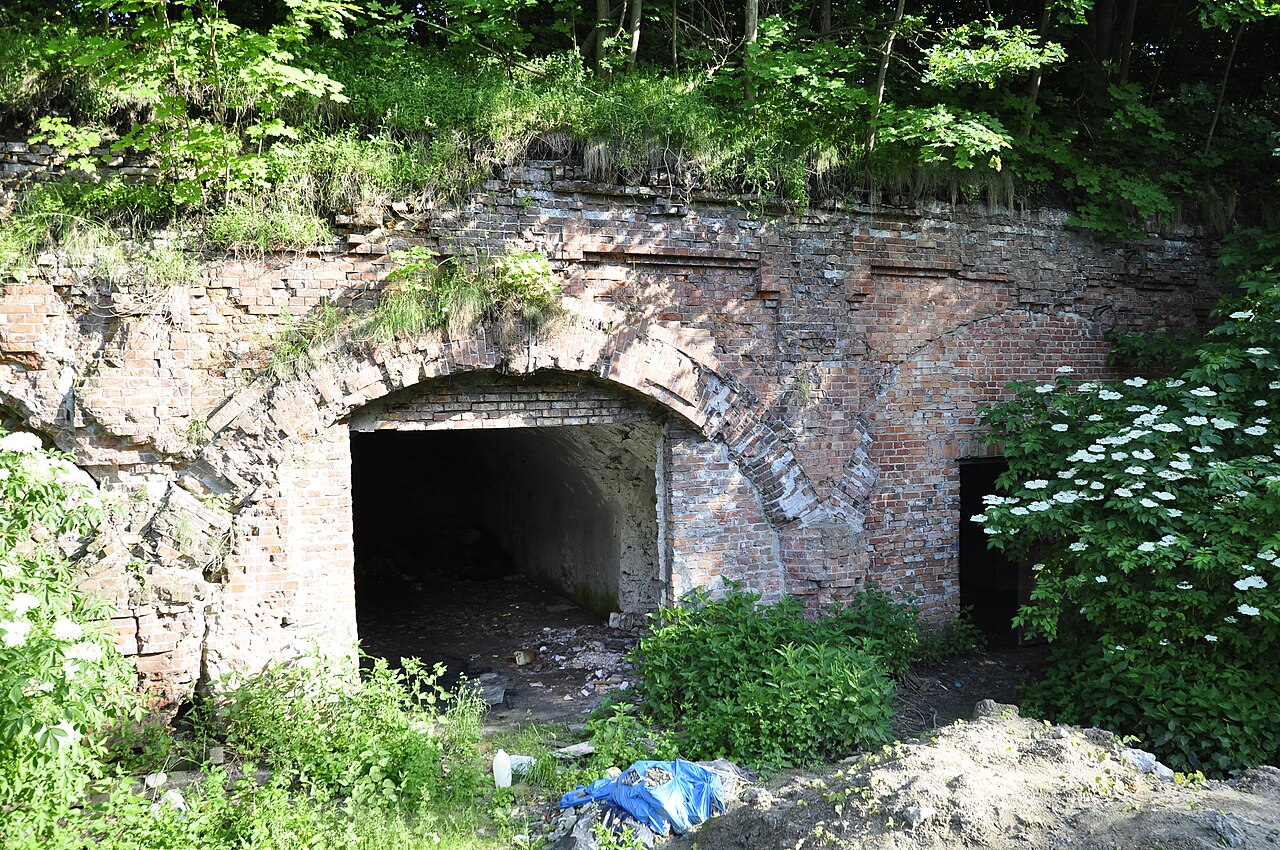
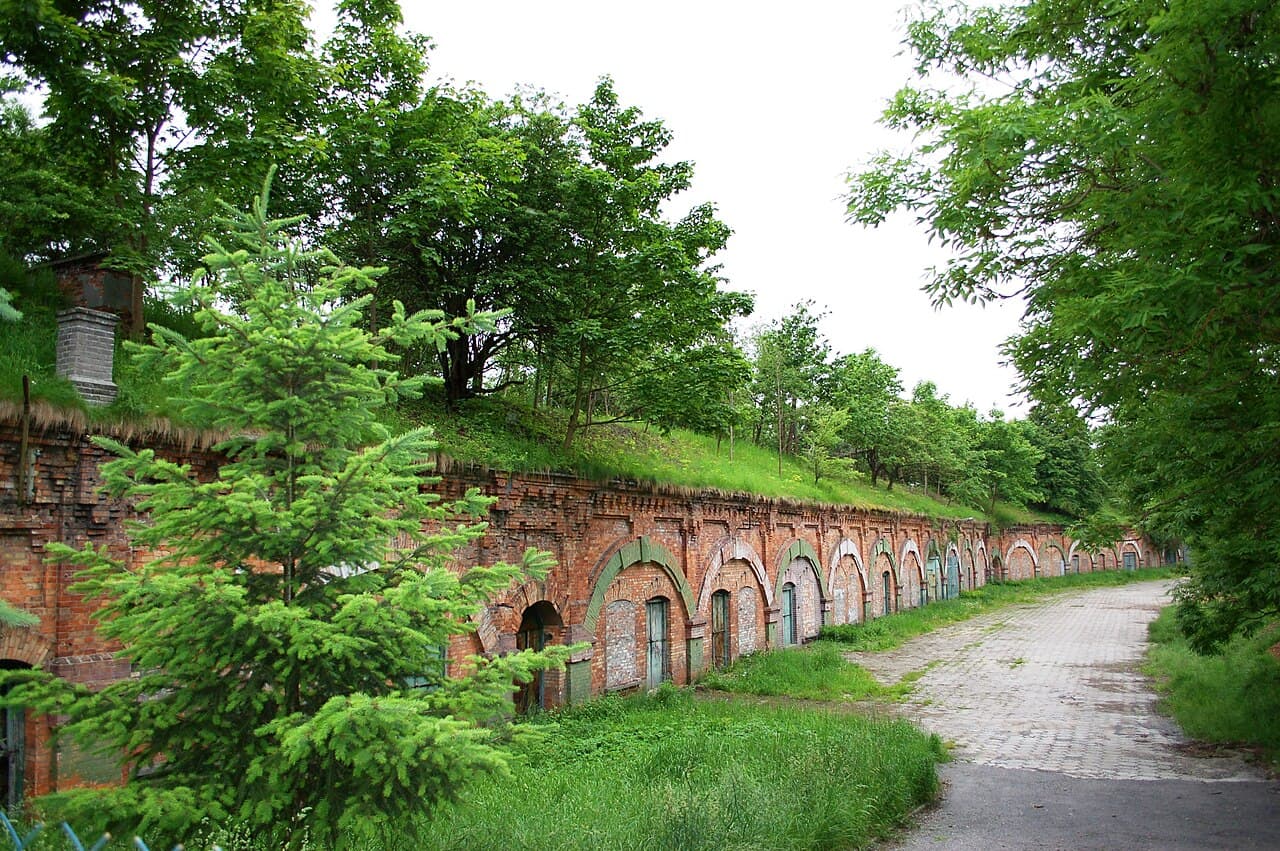
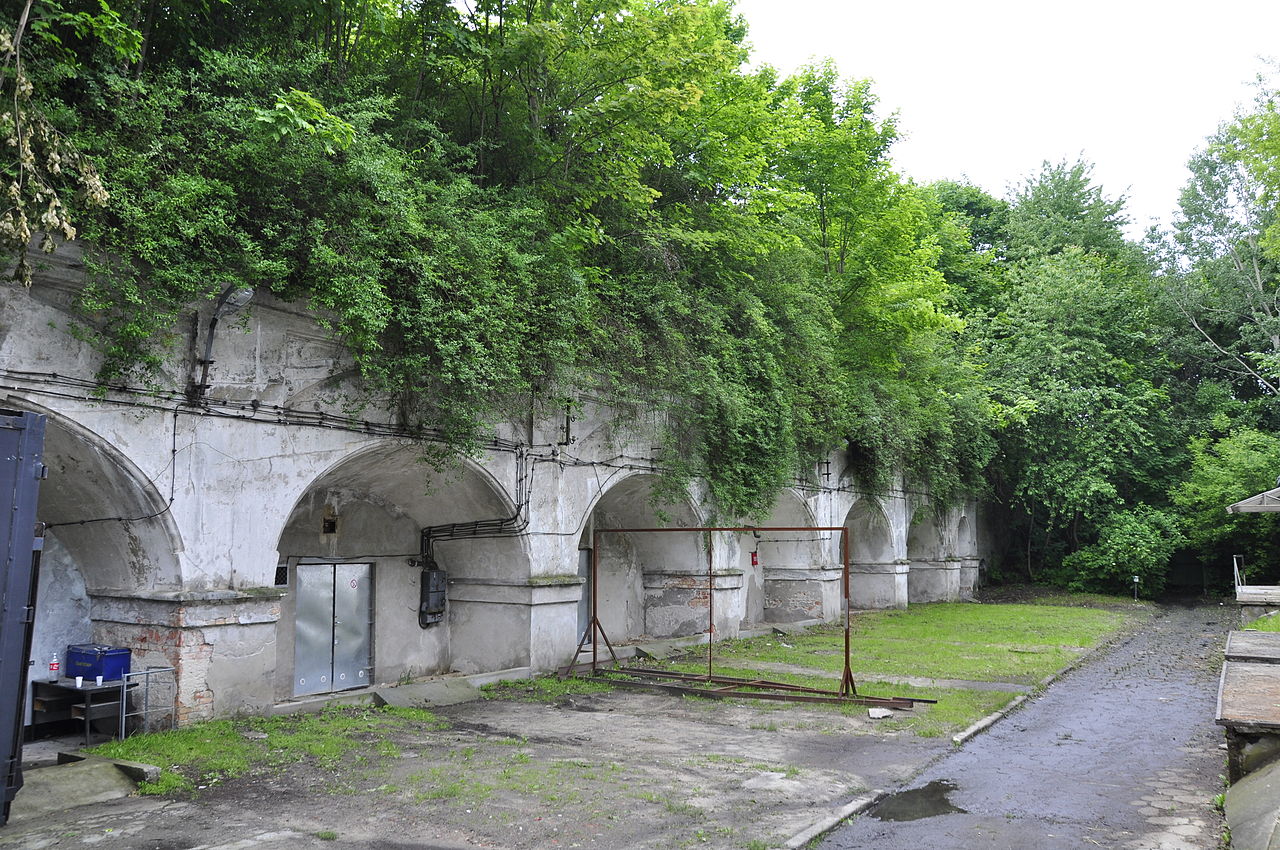
Fort VIII Służew features thick masonry walls, earthen ramparts, and a surrounding ditch or moat designed to impede attackers. The bastions are equipped with firing positions for artillery and infantry, while the interior includes barracks, ammunition storage, and command facilities. The layout is typically polygonal, maximizing defensive coverage and minimizing vulnerable angles.

Defensive structures

  • Bastions: Angular projections allowing enfilading fire along the walls.
  • Moat or ditch: Surrounds the fortress to hinder enemy approach.
  • Thick walls and ramparts: Constructed to absorb artillery fire.
  • Casemates and firing positions: Protected areas for troops and artillery.

Role in military history

While Fort VIII Służew did not see major battles, it formed a key part of Warsaw's layered defense system. The fortifications were intended to delay and disrupt any invading forces, buying time for the city's main defenses to mobilize. Over time, advances in military technology and changing political circumstances reduced the strategic relevance of such forts.

Current condition and preservation

Today, Fort VIII Służew remains a valuable historic site, although its condition varies. Parts of the fortress have been preserved or restored, while others show signs of decay. The site offers insight into 19th-century military architecture and the defensive strategies employed in Eastern Europe during that period.

Visitors can explore the remains of the bastions, walls, and other defensive features, gaining an understanding of how such fortresses functioned. The fort is a point of interest for history enthusiasts and those interested in military architecture.

Frequently asked questions (FAQ)

How do I get to Fort VIII Służew?
Fort VIII Służew is easily accessible by public transport from central Warsaw. You can take a bus or tram to the nearest stop, and from there, it's just a short walk to the castle.
What is the historical significance of Fort VIII Służew?
Fort VIII Służew was part of the Warsaw Fortress system, built in the late 19th century to defend the city. It played a strategic role during various conflicts and is a notable example of military architecture from that period.
When was Fort VIII Służew built?
Construction of Fort VIII Służew began in 1886 and was completed in 1890. It was designed as a part of a broader defensive strategy for Warsaw during the Russian Empire.
Can I visit Fort VIII Służew?
Yes, Fort VIII Służew is open to visitors. Guided tours are available, allowing you to explore its fascinating history and architecture.
Why is Fort VIII Służew considered an architectural landmark?
Fort VIII Służew is recognized for its unique military architecture, showcasing the design principles of the late 19th century. Its robust structure and strategic layout reflect the military needs of its time, making it a significant historical site.
Is it possible to hold events at Fort VIII Służew?
Yes, Fort VIII Służew can be rented for private events and functions. The unique ambiance of the fortress makes it a popular choice for weddings, corporate events, and exhibitions.
What are the opening hours of Fort VIII Służew?
Fort VIII Służew typically opens to the public from Tuesday to Sunday, with specific hours varying by season. It’s advisable to check the official website for the most accurate and up-to-date information.
What are the ticket prices for visiting Fort VIII Służew?
Ticket prices for Fort VIII Służew are generally affordable, with discounts available for students and seniors. Children under a certain age may be admitted for free, making it a great family outing.
What is the best time to visit Fort VIII Służew?
The best time to visit Fort VIII Służew is during the spring and early autumn when the weather is mild and pleasant. This allows for a comfortable experience while exploring the grounds and enjoying the scenic surroundings.
Are there any nearby attractions to Fort VIII Służew?
Yes, there are several nearby attractions, including parks and museums that highlight the rich history of Warsaw. Visitors can also explore the surrounding area, which offers beautiful landscapes and additional historical sites.

Photo gallery

Fort VIII Służew
Click to view

Photo by Wistula•CC BY 3.0

1 photo • Click any image to view in full screen

Information

Bastioned Fortress

Loading map...

Visitor reviews

No reviews yet. Been here? Write the first review and help other travelers!

Write the first review

Visited this castle? Share your experience

Your review helps other travelers and adds first-hand knowledge to our encyclopedia.
Write a review

(5/5)

0/2000 characters

Your review will be visible after admin approval

Nearby castles

1.9 km
Fort VIIA — Poland castle

Fort VIIA

, Poland

Fort VIIA is a prominent example of a bastioned fortress located in Poland, constructed as part of a comprehensive defensive system in the early 20th century. This fortification was designed to serve as a critical component of military defense strategies during a period marked by rapid advancements in artillery and warfare technology. Its architecture reflects the principles of modern fortification, emphasizing strong defensive walls, bastions for artillery placement, and strategic positioning to control key approaches. Historical context and strategic importance Built during the late 19th and early 20th centuries, Fort VIIA was part of a larger network of fortifications intended to protect important urban centers and military assets in Poland. The fort's construction coincided with a time of heightened military tensions in Europe, leading up to World War I. It was designed to withstand artillery bombardment and infantry assaults, incorporating modern military engineering techniques of the era. The fort played a role in the defensive plans of the region, contributing to the layered protection of key strategic points. Its location was carefully chosen to maximize control over surrounding terrain and to provide overlapping fields of fire with neighboring forts. Architectural features and design Fort VIIA exemplifies the bastioned fortress typology, characterized by angular bastions projecting from the main walls, allowing defenders to cover adjacent walls with gunfire. This design minimizes blind spots and enhances the fort's defensive capabilities against attackers attempting to breach the walls. The fort's walls were constructed from reinforced concrete and masonry, materials selected for their durability and resistance to artillery shells. Defensive elements include deep moats, reinforced gates, and underground chambers used for troop accommodation, ammunition storage, and command posts. The layout typically features a polygonal shape with bastions at the corners, enabling effective crossfire. Inside the fort, barracks, powder magazines, and observation posts were strategically placed to support sustained defense during sieges. Defensive structures The bastions are equipped with artillery emplacements designed to cover all approaches. The fort's moat adds an additional layer of defense, deterring direct assaults on the walls. Access to the fort was controlled through heavily fortified gates with drawbridges or other mechanisms to prevent enemy entry. Internal facilities Within the fort, facilities were built to support the garrison, including living quarters, storage rooms, and communication centers. These spaces were often protected by thick walls and situated underground or within the most secure parts of the fortress to shield occupants from bombardment. Role during conflicts Fort VIIA's military significance was most pronounced during World War I and the interwar period, when it formed part of Poland's defensive infrastructure. Although it may not have seen major combat, its presence contributed to deterrence and regional security. During World War II, many similar forts in Poland were utilized or targeted due to their strategic value. The exact operational history of Fort VIIA during this period is less documented, but its design reflects the military priorities of the early 20th century. Current condition and preservation Today, Fort VIIA remains a significant historical monument representing early modern military architecture. The fort is generally in a partially preserved state, with many of its defensive structures still visible. Some restoration efforts may have been undertaken to maintain structural integrity and to allow for public access. Visitors to the site can observe the characteristic bastions, walls, and moats that define this type of fortress. The fort serves as a cultural heritage site, offering insight into Poland's military history and the evolution of fortification design. Visiting Fort VIIA While specific visiting details may vary, forts like Fort VIIA often provide guided tours or informational displays to educate visitors about their historical and architectural significance. The site may be accessible year-round, though opening hours and ticket prices depend on the managing authority. Frequently asked questions What is the historical significance of Fort VIIA? Fort VIIA was part of Poland's early 20th-century defensive system, designed to protect strategic areas against artillery and infantry attacks. Can visitors explore the interior of the fort? Depending on preservation and safety, some areas inside the fort may be accessible to visitors, often through guided tours. When was Fort VIIA constructed? The fort was built in the late 19th to early 20th century, reflecting modern military engineering of that time. What architectural style characterizes Fort VIIA? It is a bastioned fortress featuring reinforced concrete and masonry construction, typical of early modern military fortifications. Is the fort open year-round? Visiting hours depend on the managing entity, but many such forts are open seasonally or year-round with guided tours.

Post-Renaissance (17th–18th c.)
Details
2.5 km
Fort IX — Poland castle

Fort IX

, Poland

Fort IX is a prominent example of a bastioned fortress located in Poland, representing a significant period of military architecture primarily dating to the 19th century. This fortress was constructed as part of a broader system of fortifications designed to protect strategic locations and withstand artillery sieges, reflecting advancements in defensive military engineering. Historical context and strategic importance The construction of Fort IX aligns with the era when bastioned fortifications were widely employed across Europe to counter the increasing power of artillery. These fortresses were integral to the defense strategies of various empires and states, including those in the Polish territories, which were often contested due to their geographic position. The fort likely formed part of a defensive ring or network protecting a key city or military hub, although the exact city location remains unspecified. Architectural features of Fort IX Bastioned design and layout Fort IX exhibits the characteristic bastioned layout, featuring angular bastions projecting outward from the main walls. This design allowed defenders to cover adjacent walls with overlapping fields of fire, minimizing blind spots and enhancing the fortress's defensive capabilities. The bastions were typically equipped with artillery placements, enabling effective counterattacks against besieging forces. Defensive structures and materials The fortress walls were constructed using robust masonry, designed to absorb and deflect cannon fire. The walls are complemented by moats or dry ditches that further hindered enemy advances. Inside, the fort would have contained barracks, ammunition magazines, and command posts, organized around a central courtyard to facilitate troop movement and communication. Military role and historical significance As a bastioned fortress, Fort IX played a crucial role in regional defense, particularly during periods of conflict in the 19th and early 20th centuries. Such forts were often part of larger defensive systems that included multiple forts and outposts, designed to protect important urban centers and transportation routes. The specific historical engagements involving Fort IX are not well documented, but its design reflects the military doctrines of its time. Preservation and current condition The current condition of Fort IX is not fully documented, but bastioned fortresses of this era often survive in varying states, from well-preserved military museums to partially ruined sites. The robust construction typically allows for significant remains to endure, offering valuable insights into 19th-century military architecture and engineering. Visiting Fort IX Details regarding public access, visiting hours, and ticketing for Fort IX are not specified. Visitors interested in military history and fortress architecture may find such sites compelling for study and exploration, especially within the context of Poland's complex historical landscape.

Post-Renaissance (17th–18th c.)
Details
2.6 km
Fort Tsche — Poland castle

Fort Tsche

, Poland

Fort Tsche is a notable example of a bastioned fortress located in Poland. Though the exact city or town of its location remains unclear, its architectural significance and military design are well recognized within the context of European fortifications. Bastioned fortresses were a dominant form of military architecture from the Renaissance period onward, designed to withstand artillery sieges and provide overlapping fields of defensive fire. Architectural design and features The defining characteristic of Fort Tsche is its bastioned layout, a star-shaped plan that incorporates angled bastions projecting outward from the curtain walls. This design allowed defenders to cover adjacent bastions and curtain walls with flanking fire, eliminating blind spots that attackers could exploit. The fortress likely features thick, sloped walls constructed to absorb and deflect cannon fire, a hallmark of bastion fortification style. Typically, bastioned fortresses include multiple defensive elements such as moats, ravelins, covered ways, and glacis. While specific details about Fort Tsche’s ancillary structures are not documented, it is reasonable to infer the presence of such features given the standard military engineering practices of the era. Historical context and period Bastioned fortresses like Fort Tsche emerged during the Renaissance period, roughly from the 15th to the 17th centuries, as a response to the evolution of gunpowder artillery. This period saw a shift from medieval castles with high walls to lower, thicker walls and angular bastions that could better resist cannon bombardment. Poland, situated at a crossroads of European conflicts, saw the construction of numerous fortifications to defend against invasions and sieges. Fort Tsche would have been part of this broader network of military defenses, serving strategic purposes such as protecting key routes, cities, or border areas. Military function and strategic importance The bastioned design of Fort Tsche was intended to maximize defensive capabilities against contemporary siege tactics. The fortress’s layout would have allowed for a garrison to mount effective resistance, using artillery placed on bastions to cover approaches and prevent scaling of walls. Its location in Poland suggests it might have played a role in regional defense during periods of conflict such as the Swedish Deluge in the 17th century or other military engagements involving the Polish-Lithuanian Commonwealth. However, specific historical events tied to Fort Tsche are not well documented. Current condition and preservation The current condition of Fort Tsche is not clearly recorded in available sources. Many bastioned fortresses in Poland have suffered from neglect or damage over centuries due to warfare, changing military technologies, and urban development. Some have been preserved or restored as historical monuments, while others remain in ruins or partially preserved states. Without definitive information, it is difficult to ascertain Fort Tsche’s exact preservation status, but its classification as a bastioned fortress indicates a structure of considerable historical and architectural interest.

Details