Fort IX
Fort IX is a prominent example of a bastioned fortress located in Poland, representing a significant period of military architecture primarily dating to the 19th century. This fortress was constructed as part of a broader system of fortifications designed to protect strategic locations and withstand artillery sieges, reflecting advancements in defensive military engineering.
Historical context and strategic importance
The construction of Fort IX aligns with the era when bastioned fortifications were widely employed across Europe to counter the increasing power of artillery. These fortresses were integral to the defense strategies of various empires and states, including those in the Polish territories, which were often contested due to their geographic position. The fort likely formed part of a defensive ring or network protecting a key city or military hub, although the exact city location remains unspecified.
Architectural features of Fort IX
Bastioned design and layout
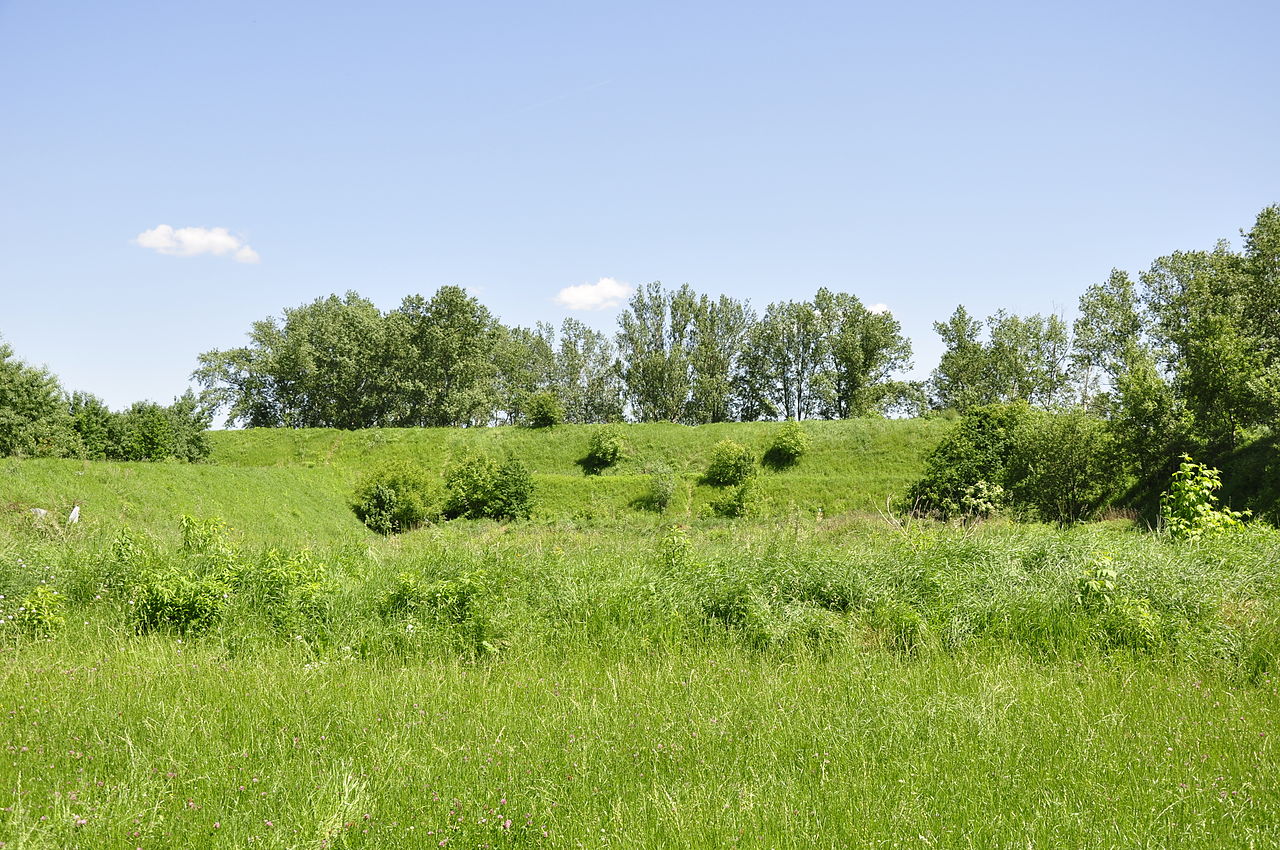
Fort IX exhibits the characteristic bastioned layout, featuring angular bastions projecting outward from the main walls. This design allowed defenders to cover adjacent walls with overlapping fields of fire, minimizing blind spots and enhancing the fortress's defensive capabilities. The bastions were typically equipped with artillery placements, enabling effective counterattacks against besieging forces.
Defensive structures and materials
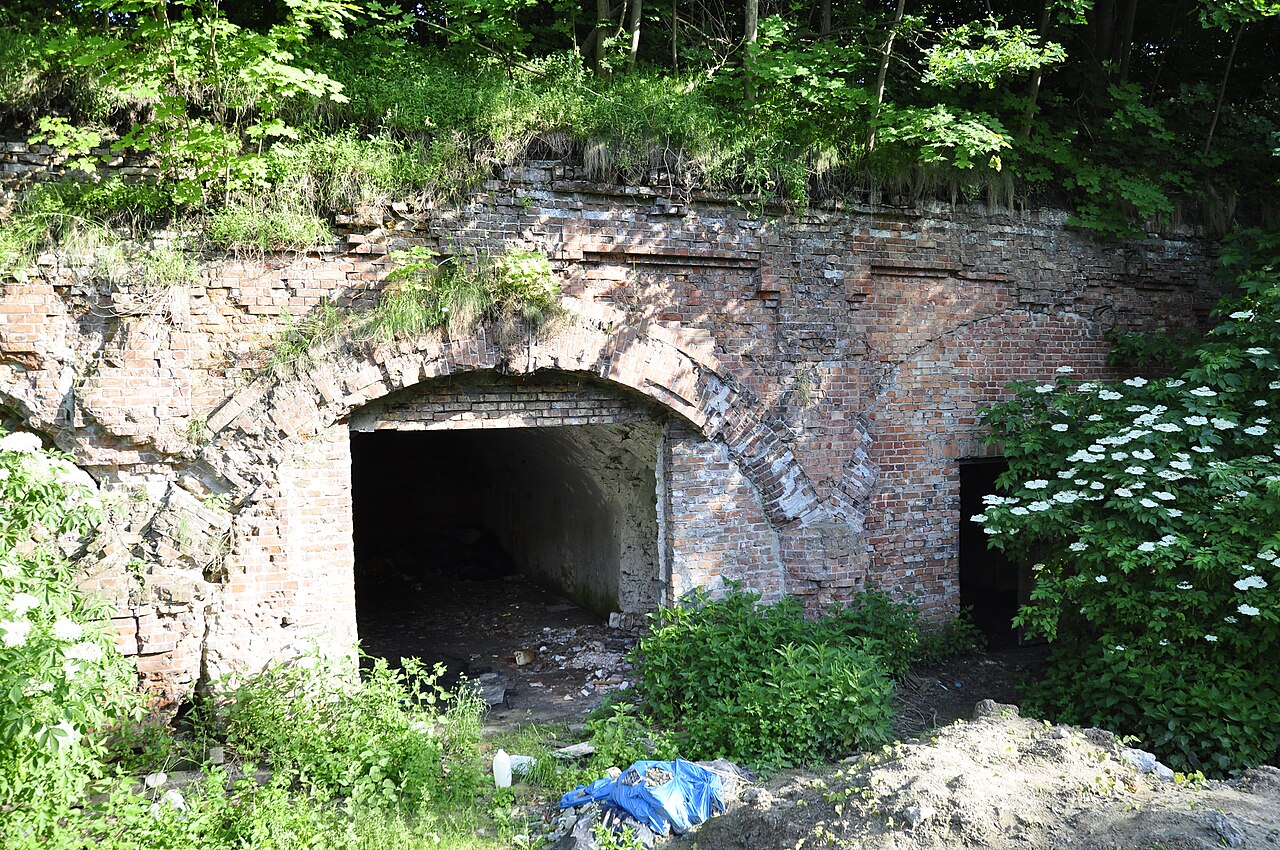
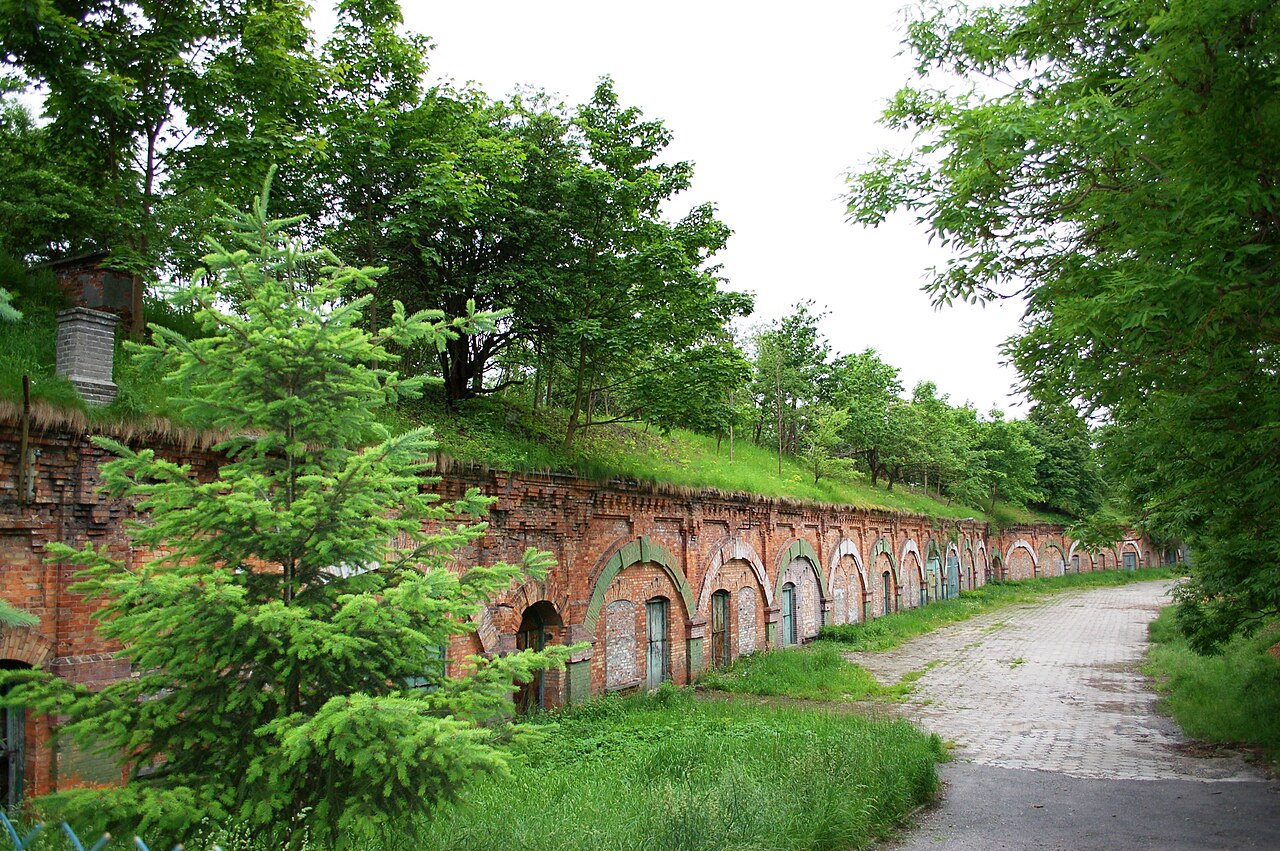
The fortress walls were constructed using robust masonry, designed to absorb and deflect cannon fire. The walls are complemented by moats or dry ditches that further hindered enemy advances. Inside, the fort would have contained barracks, ammunition magazines, and command posts, organized around a central courtyard to facilitate troop movement and communication.
Military role and historical significance
As a bastioned fortress, Fort IX played a crucial role in regional defense, particularly during periods of conflict in the 19th and early 20th centuries. Such forts were often part of larger defensive systems that included multiple forts and outposts, designed to protect important urban centers and transportation routes. The specific historical engagements involving Fort IX are not well documented, but its design reflects the military doctrines of its time.
Preservation and current condition
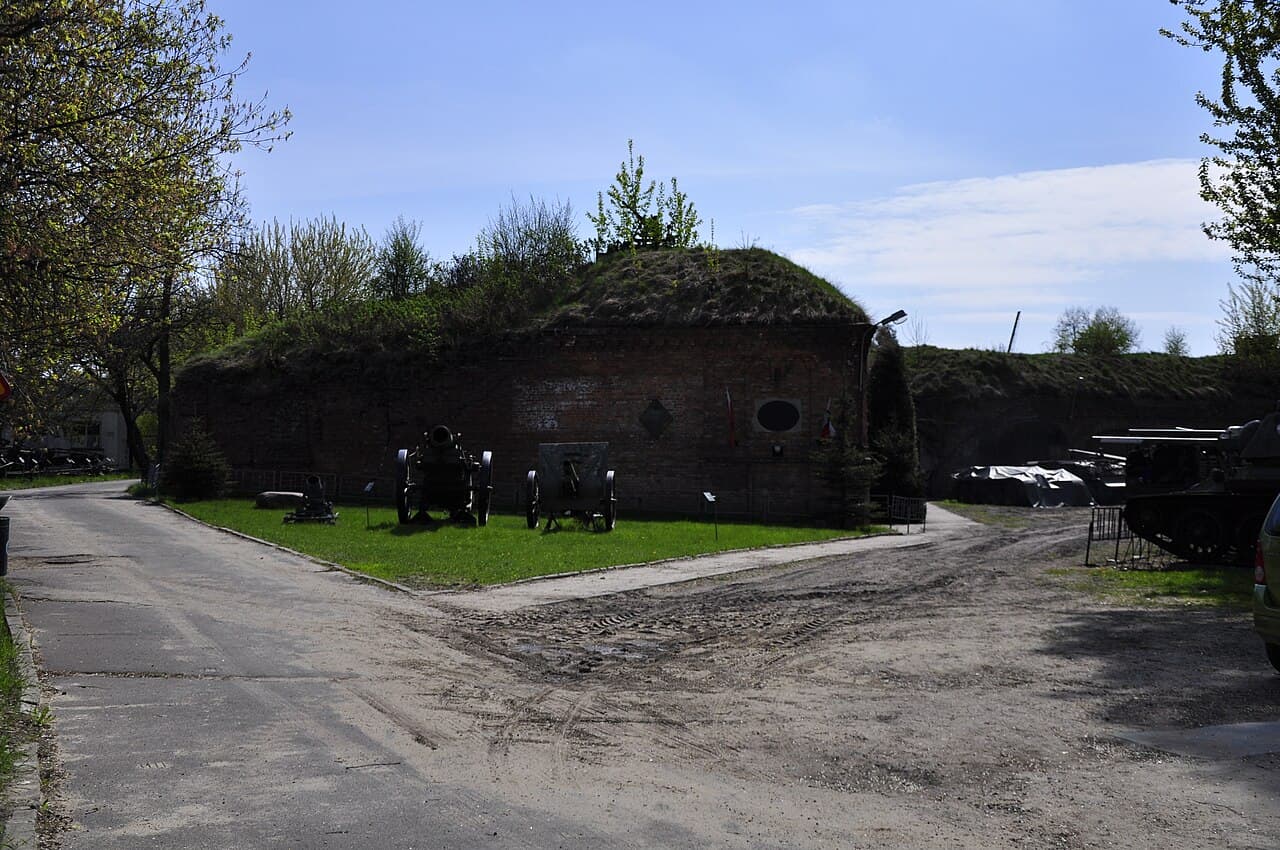
The current condition of Fort IX is not fully documented, but bastioned fortresses of this era often survive in varying states, from well-preserved military museums to partially ruined sites. The robust construction typically allows for significant remains to endure, offering valuable insights into 19th-century military architecture and engineering.
Visiting Fort IX
Details regarding public access, visiting hours, and ticketing for Fort IX are not specified. Visitors interested in military history and fortress architecture may find such sites compelling for study and exploration, especially within the context of Poland's complex historical landscape.
Frequently asked questions (FAQ)
- What is the architectural style of Fort IX?
- Fort IX is designed as a bastioned fortress, a style typical of the 19th century, focusing on angular bastions for defensive artillery coverage.
- When was Fort IX likely built?
- Fort IX was likely constructed in the 19th century during a period of extensive military fortification in Europe.
- Can I visit Fort IX?
- Information about public access and visiting hours for Fort IX is not readily available, so it is advisable to check locally before planning a visit.
- Why were bastioned fortresses like Fort IX important?
- Bastioned fortresses were crucial for defense against artillery attacks, allowing overlapping fields of fire and strong protection for strategic locations.
Photo gallery

Information
Loading map...
Visitor reviews
No reviews yet. Been here? Write the first review and help other travelers!
Write the first reviewVisited this castle? Share your experience
Your review helps other travelers and adds first-hand knowledge to our encyclopedia.