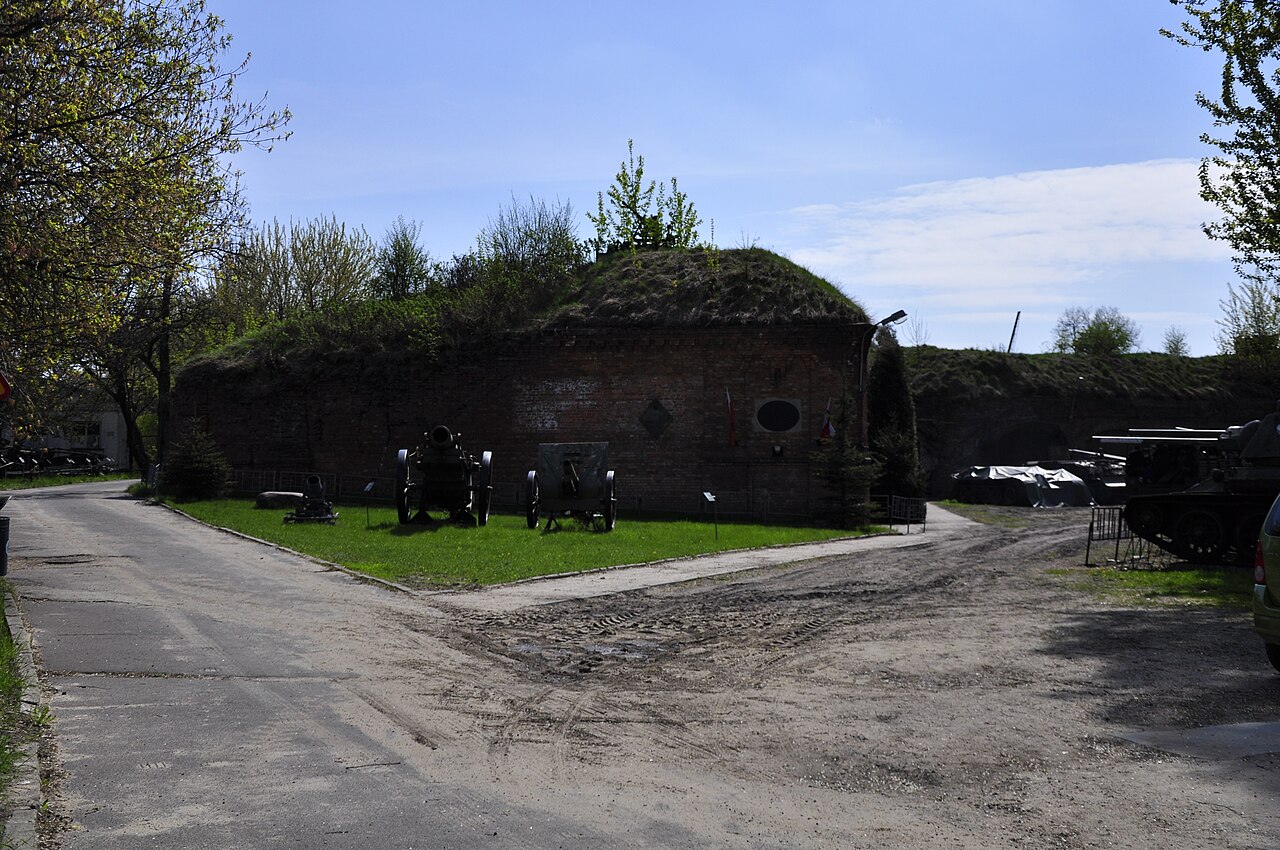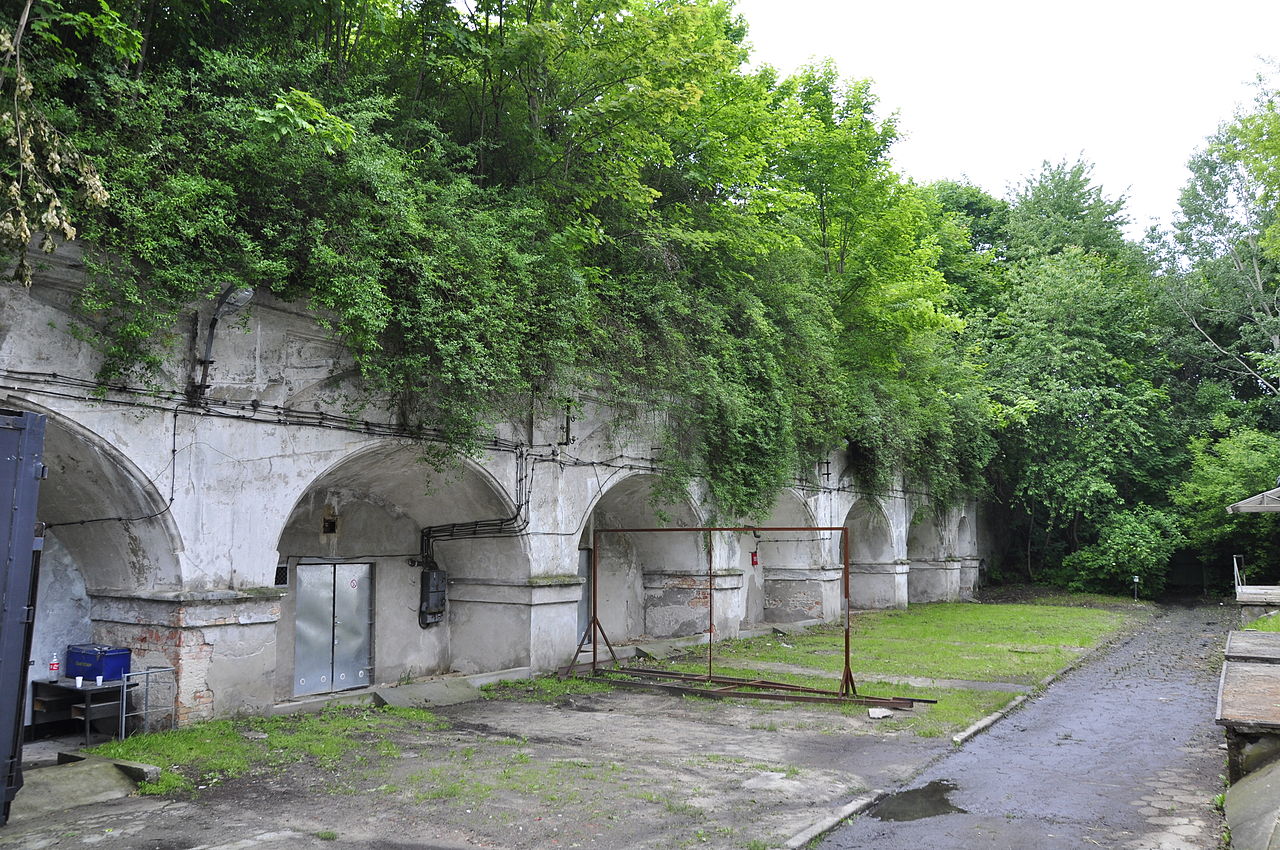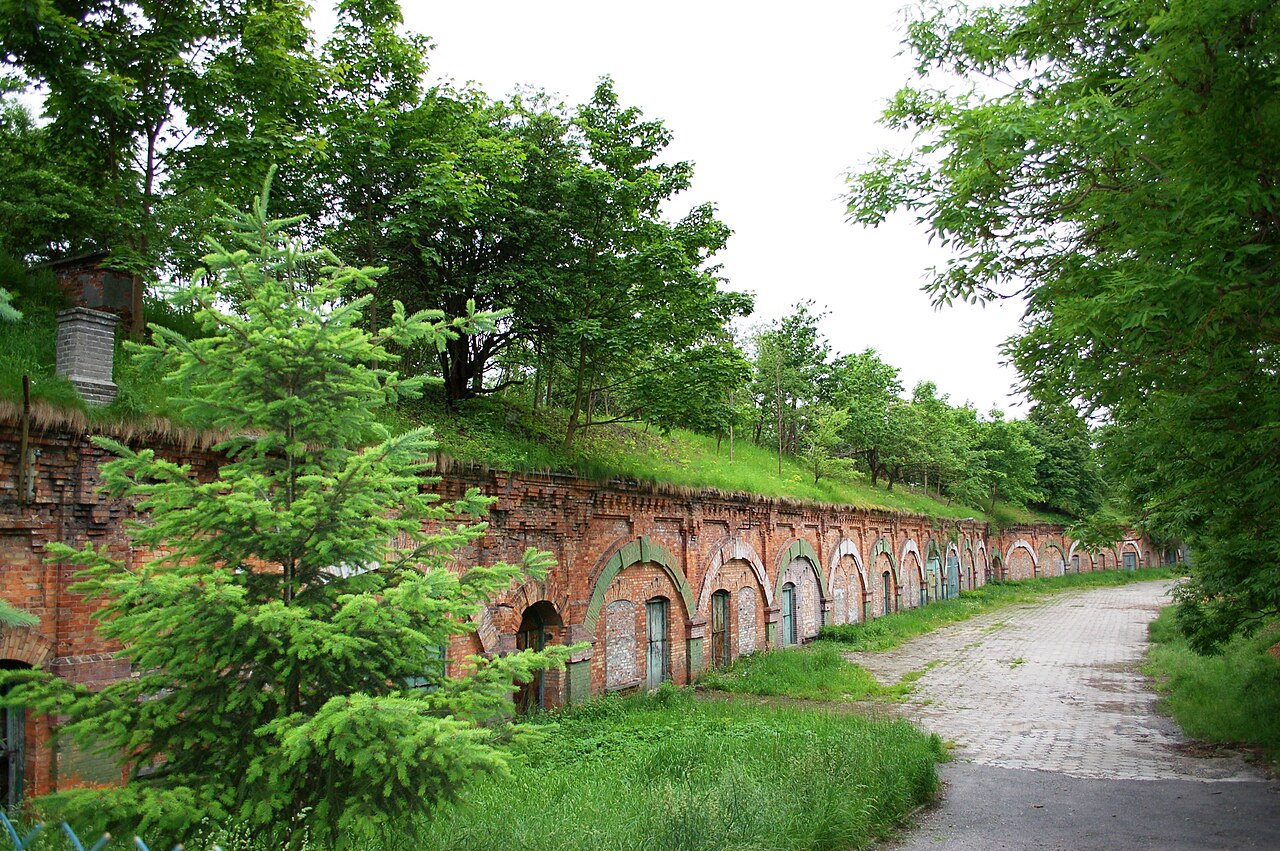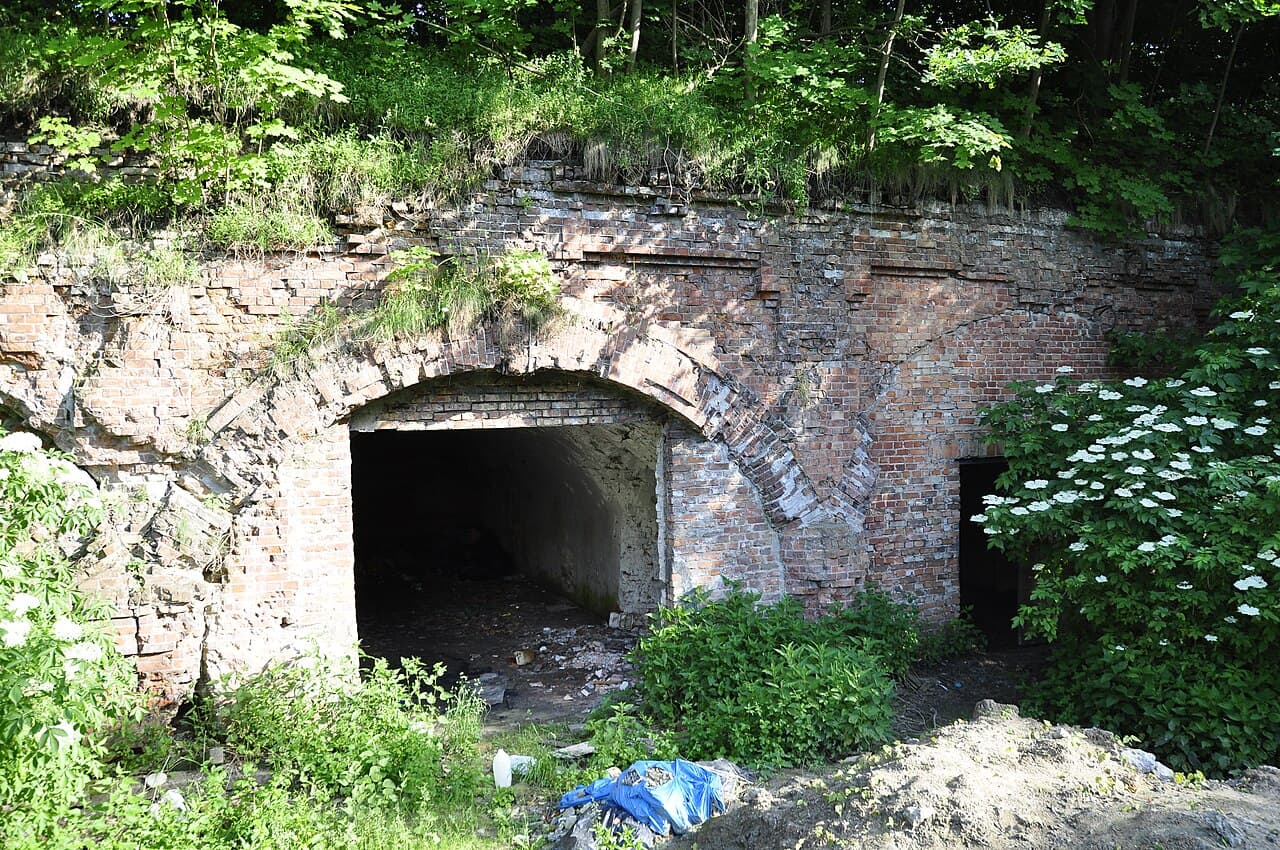
Fort Tsche is a notable example of a bastioned fortress located in Poland. Though the exact city or town of its location remains unclear, its architectural significance and military design are well recognized within the context of European fortifications. Bastioned fortresses were a dominant form of military architecture from the Renaissance period onward, designed to withstand artillery sieges and provide overlapping fields of defensive fire.
Architectural design and features
The defining characteristic of Fort Tsche is its bastioned layout, a star-shaped plan that incorporates angled bastions projecting outward from the curtain walls. This design allowed defenders to cover adjacent bastions and curtain walls with flanking fire, eliminating blind spots that attackers could exploit. The fortress likely features thick, sloped walls constructed to absorb and deflect cannon fire, a hallmark of bastion fortification style.
Typically, bastioned fortresses include multiple defensive elements such as moats, ravelins, covered ways, and glacis. While specific details about Fort Tsche’s ancillary structures are not documented, it is reasonable to infer the presence of such features given the standard military engineering practices of the era.
Historical context and period
Bastioned fortresses like Fort Tsche emerged during the Renaissance period, roughly from the 15th to the 17th centuries, as a response to the evolution of gunpowder artillery. This period saw a shift from medieval castles with high walls to lower, thicker walls and angular bastions that could better resist cannon bombardment.
Poland, situated at a crossroads of European conflicts, saw the construction of numerous fortifications to defend against invasions and sieges. Fort Tsche would have been part of this broader network of military defenses, serving strategic purposes such as protecting key routes, cities, or border areas.
Military function and strategic importance
The bastioned design of Fort Tsche was intended to maximize defensive capabilities against contemporary siege tactics. The fortress’s layout would have allowed for a garrison to mount effective resistance, using artillery placed on bastions to cover approaches and prevent scaling of walls.
Its location in Poland suggests it might have played a role in regional defense during periods of conflict such as the Swedish Deluge in the 17th century or other military engagements involving the Polish-Lithuanian Commonwealth. However, specific historical events tied to Fort Tsche are not well documented.
Current condition and preservation
The current condition of Fort Tsche is not clearly recorded in available sources. Many bastioned fortresses in Poland have suffered from neglect or damage over centuries due to warfare, changing military technologies, and urban development. Some have been preserved or restored as historical monuments, while others remain in ruins or partially preserved states.
Without definitive information, it is difficult to ascertain Fort Tsche’s exact preservation status, but its classification as a bastioned fortress indicates a structure of considerable historical and architectural interest.
Frequently asked questions (FAQ)
- How do I get to Fort Tsche?
- Fort Tsche is located in Poland, and you can reach it by car or public transport from major nearby cities. The nearest train station is a short distance away, and local buses frequently service the area, making it accessible for visitors.
- What is the historical significance of Fort Tsche?
- Fort Tsche was built in the 19th century as part of a series of military fortifications. It played a crucial role during various conflicts in Polish history and now serves as a symbol of national heritage and resilience.
- When was Fort Tsche constructed?
- Construction of Fort Tsche began in the early 1880s and was completed in 1886. The fort was designed to adapt to modern warfare techniques of the time, showcasing the architectural advancements of the period.
- Can I take guided tours of Fort Tsche?
- Yes, guided tours of Fort Tsche are available, providing visitors with in-depth insights into its history and architecture. It's recommended to book in advance, especially during peak tourist seasons, to ensure your spot.
- Why is the architecture of Fort Tsche unique?
- The architecture of Fort Tsche reflects the military design principles of the late 19th century, featuring thick walls and strategic positioning. Its design integrates both functionality and aesthetics, making it a fascinating subject for architecture enthusiasts.
- Is it possible to visit Fort Tsche year-round?
- Yes, Fort Tsche is open for visitors throughout the year, though opening hours may vary by season. It's best to check the official website for current hours and any seasonal events that may enhance your visit.
- What are the ticket prices for visiting Fort Tsche?
- Ticket prices for Fort Tsche are generally affordable, with discounts available for students, seniors, and groups. Children under a certain age may enter for free, making it a great destination for families.
- What is the best time to visit Fort Tsche?
- The best time to visit Fort Tsche is during the spring and early autumn months when the weather is mild and pleasant. These seasons also offer a chance to enjoy the surrounding natural beauty and any special events held at the fort.
- Are there nearby attractions to visit after Fort Tsche?
- Yes, there are several nearby attractions, including local museums and historical sites that complement your visit to Fort Tsche. Exploring the surrounding area will enrich your understanding of the region's history and culture.
Photo gallery

Information
Loading map...
Visitor reviews
No reviews yet. Been here? Write the first review and help other travelers!
Write the first reviewVisited this castle? Share your experience
Your review helps other travelers and adds first-hand knowledge to our encyclopedia.