Fort VIIA
Fort VIIA is a prominent example of a bastioned fortress located in Poland, constructed as part of a comprehensive defensive system in the early 20th century. This fortification was designed to serve as a critical component of military defense strategies during a period marked by rapid advancements in artillery and warfare technology. Its architecture reflects the principles of modern fortification, emphasizing strong defensive walls, bastions for artillery placement, and strategic positioning to control key approaches.
Historical context and strategic importance
Built during the late 19th and early 20th centuries, Fort VIIA was part of a larger network of fortifications intended to protect important urban centers and military assets in Poland. The fort's construction coincided with a time of heightened military tensions in Europe, leading up to World War I. It was designed to withstand artillery bombardment and infantry assaults, incorporating modern military engineering techniques of the era.
The fort played a role in the defensive plans of the region, contributing to the layered protection of key strategic points. Its location was carefully chosen to maximize control over surrounding terrain and to provide overlapping fields of fire with neighboring forts.
Architectural features and design
Fort VIIA exemplifies the bastioned fortress typology, characterized by angular bastions projecting from the main walls, allowing defenders to cover adjacent walls with gunfire. This design minimizes blind spots and enhances the fort's defensive capabilities against attackers attempting to breach the walls.
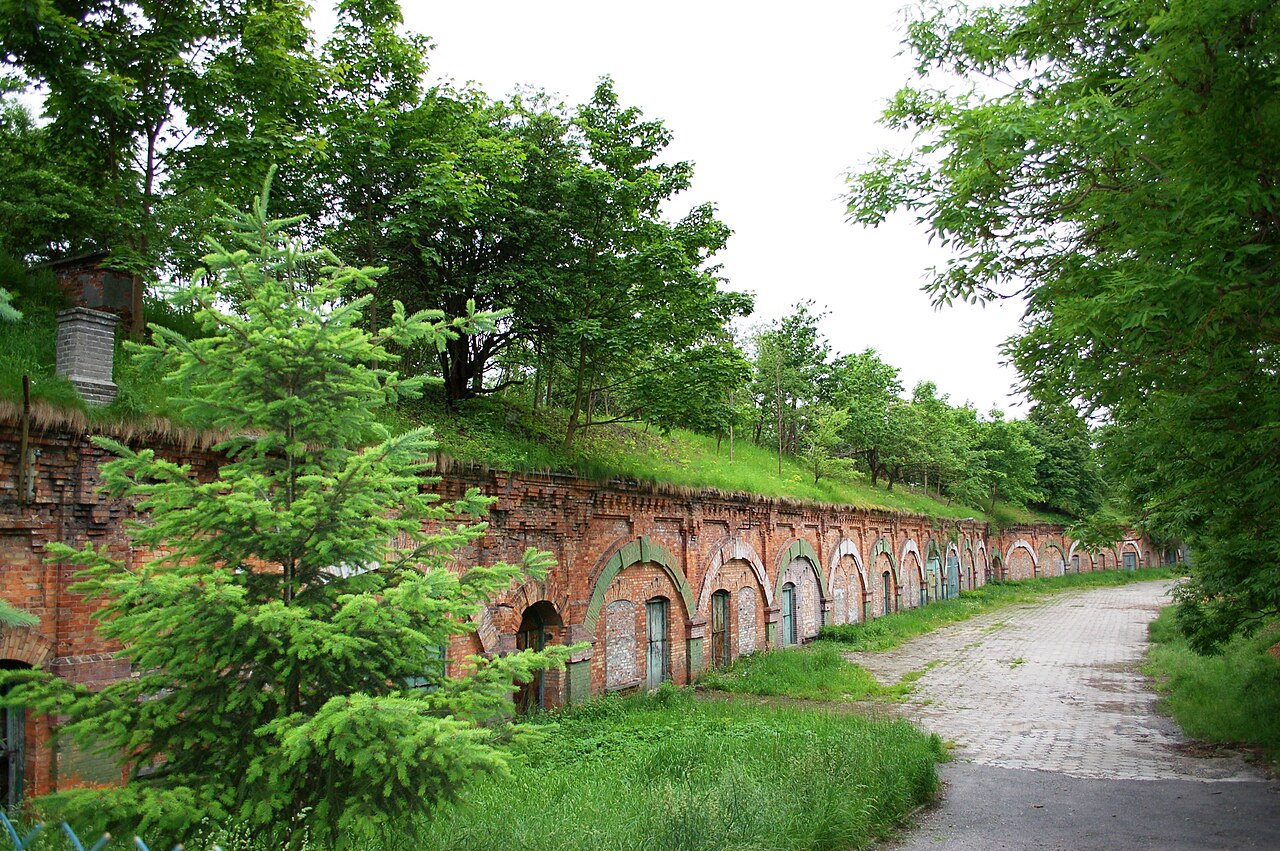
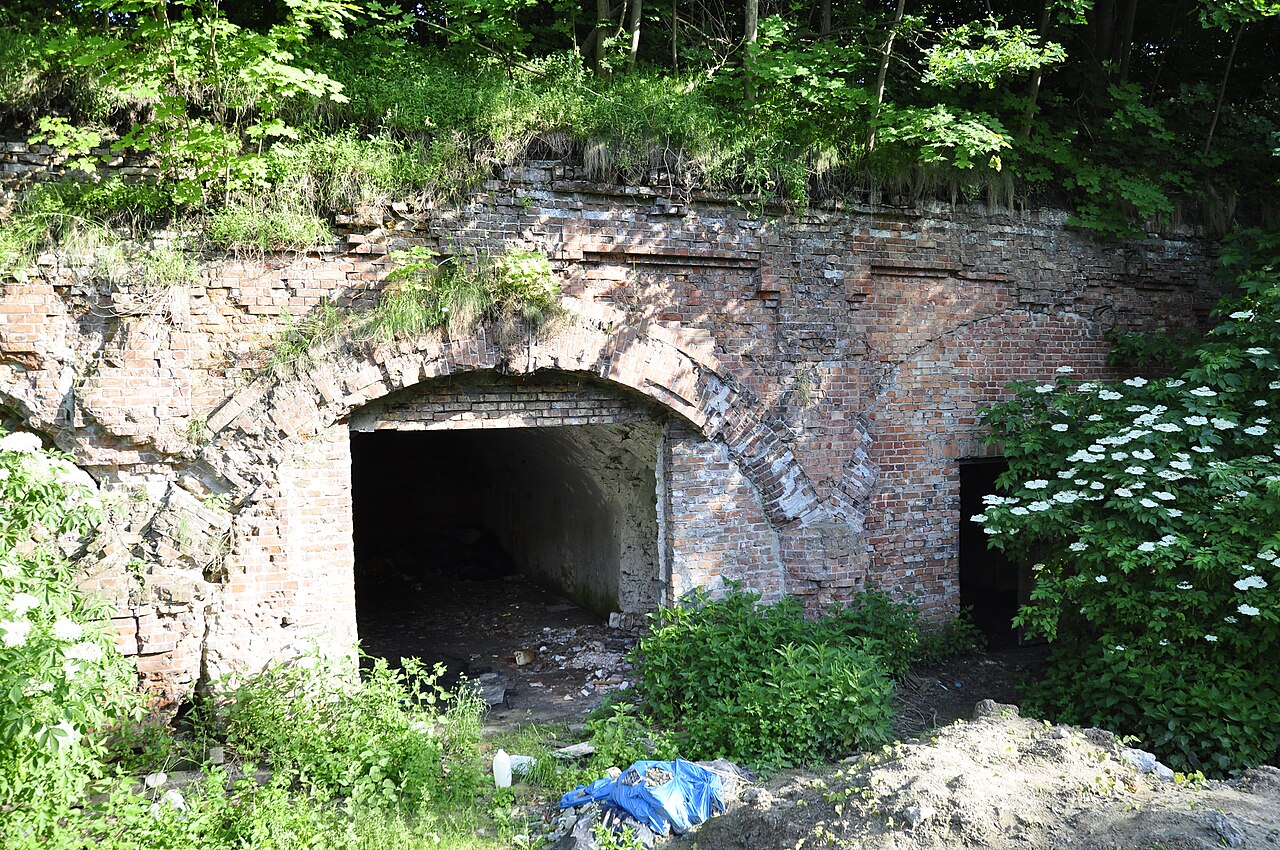
The fort's walls were constructed from reinforced concrete and masonry, materials selected for their durability and resistance to artillery shells. Defensive elements include deep moats, reinforced gates, and underground chambers used for troop accommodation, ammunition storage, and command posts.
The layout typically features a polygonal shape with bastions at the corners, enabling effective crossfire. Inside the fort, barracks, powder magazines, and observation posts were strategically placed to support sustained defense during sieges.
Defensive structures
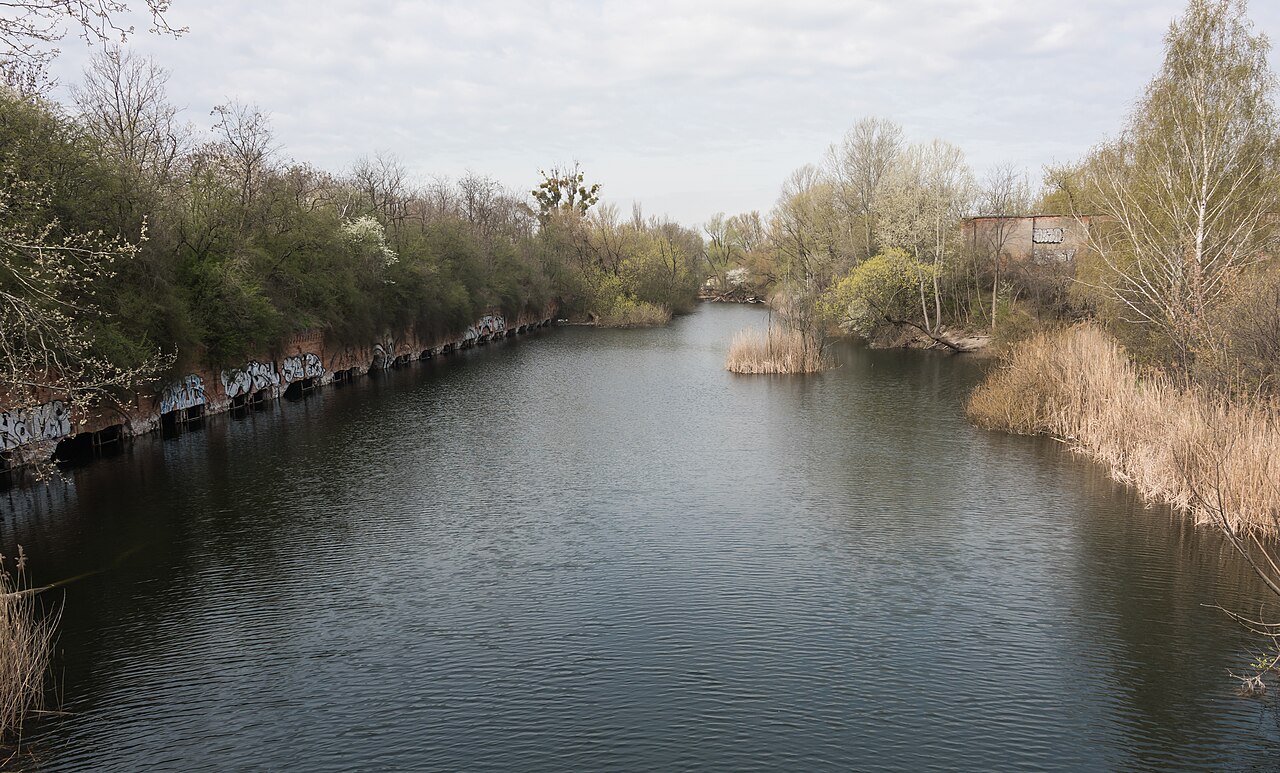
The bastions are equipped with artillery emplacements designed to cover all approaches. The fort's moat adds an additional layer of defense, deterring direct assaults on the walls. Access to the fort was controlled through heavily fortified gates with drawbridges or other mechanisms to prevent enemy entry.
Internal facilities
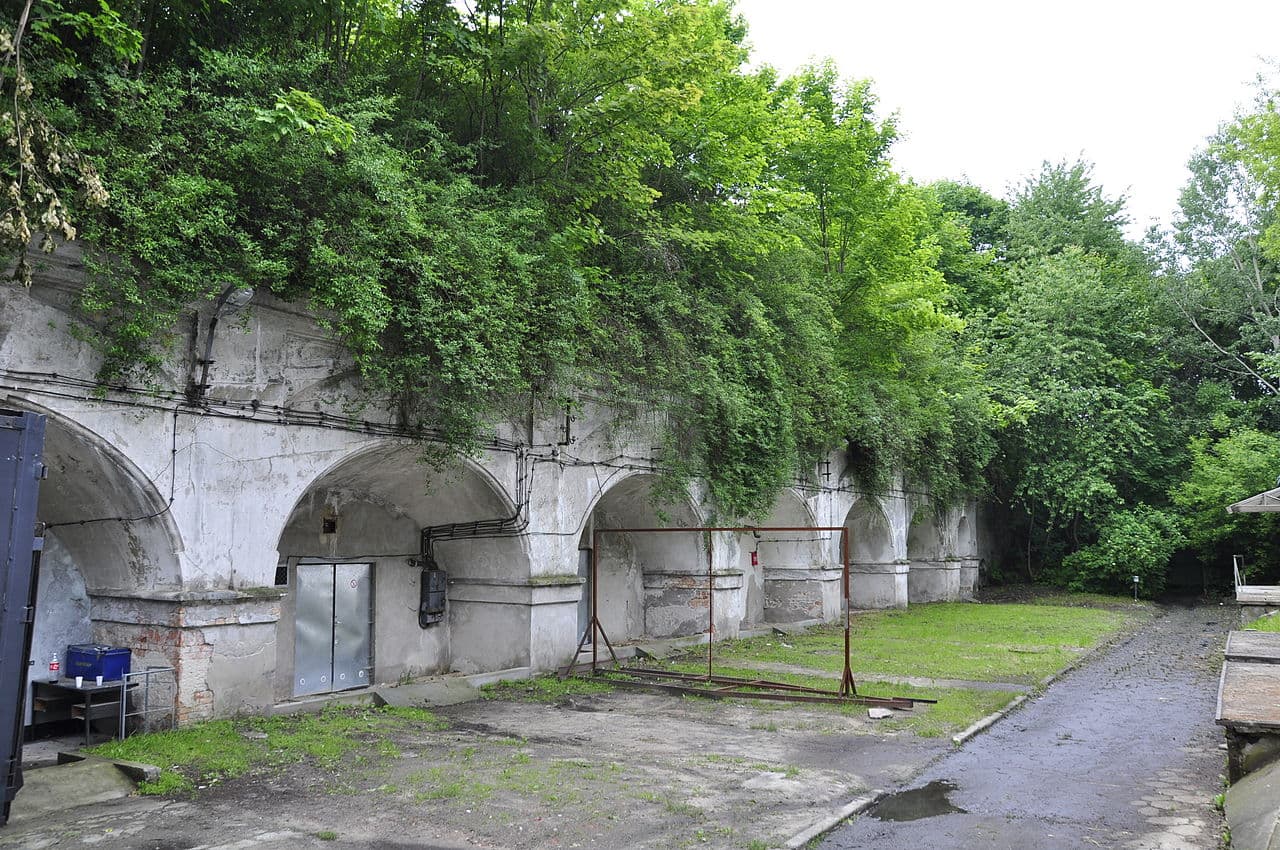
Within the fort, facilities were built to support the garrison, including living quarters, storage rooms, and communication centers. These spaces were often protected by thick walls and situated underground or within the most secure parts of the fortress to shield occupants from bombardment.
Role during conflicts
Fort VIIA's military significance was most pronounced during World War I and the interwar period, when it formed part of Poland's defensive infrastructure. Although it may not have seen major combat, its presence contributed to deterrence and regional security.
During World War II, many similar forts in Poland were utilized or targeted due to their strategic value. The exact operational history of Fort VIIA during this period is less documented, but its design reflects the military priorities of the early 20th century.
Current condition and preservation
Today, Fort VIIA remains a significant historical monument representing early modern military architecture. The fort is generally in a partially preserved state, with many of its defensive structures still visible. Some restoration efforts may have been undertaken to maintain structural integrity and to allow for public access.
Visitors to the site can observe the characteristic bastions, walls, and moats that define this type of fortress. The fort serves as a cultural heritage site, offering insight into Poland's military history and the evolution of fortification design.
Visiting Fort VIIA
While specific visiting details may vary, forts like Fort VIIA often provide guided tours or informational displays to educate visitors about their historical and architectural significance. The site may be accessible year-round, though opening hours and ticket prices depend on the managing authority.
Frequently asked questions
- What is the historical significance of Fort VIIA? Fort VIIA was part of Poland's early 20th-century defensive system, designed to protect strategic areas against artillery and infantry attacks.
- Can visitors explore the interior of the fort? Depending on preservation and safety, some areas inside the fort may be accessible to visitors, often through guided tours.
- When was Fort VIIA constructed? The fort was built in the late 19th to early 20th century, reflecting modern military engineering of that time.
- What architectural style characterizes Fort VIIA? It is a bastioned fortress featuring reinforced concrete and masonry construction, typical of early modern military fortifications.
- Is the fort open year-round? Visiting hours depend on the managing entity, but many such forts are open seasonally or year-round with guided tours.
Frequently asked questions (FAQ)
- What is the historical significance of Fort VIIA?
- Fort VIIA was part of Poland's early 20th-century defensive system, designed to protect strategic areas against artillery and infantry attacks.
- Can visitors explore the interior of the fort?
- Depending on preservation and safety, some areas inside the fort may be accessible to visitors, often through guided tours.
- When was Fort VIIA constructed?
- The fort was built in the late 19th to early 20th century, reflecting modern military engineering of that time.
- What architectural style characterizes Fort VIIA?
- It is a bastioned fortress featuring reinforced concrete and masonry construction, typical of early modern military fortifications.
- Is the fort open year-round?
- Visiting hours depend on the managing entity, but many such forts are open seasonally or year-round with guided tours.
Photo gallery

Information
Loading map...
Visitor reviews
No reviews yet. Been here? Write the first review and help other travelers!
Write the first reviewVisited this castle? Share your experience
Your review helps other travelers and adds first-hand knowledge to our encyclopedia.