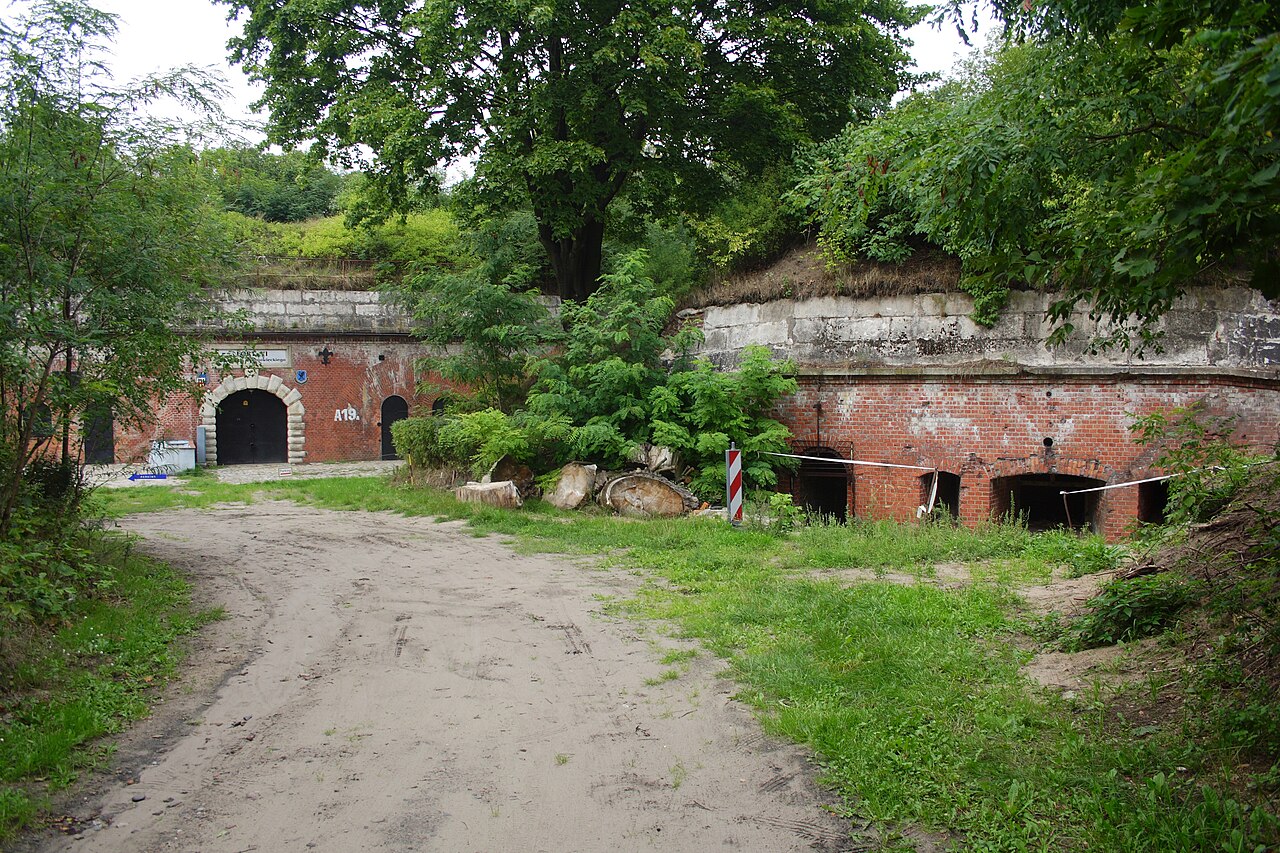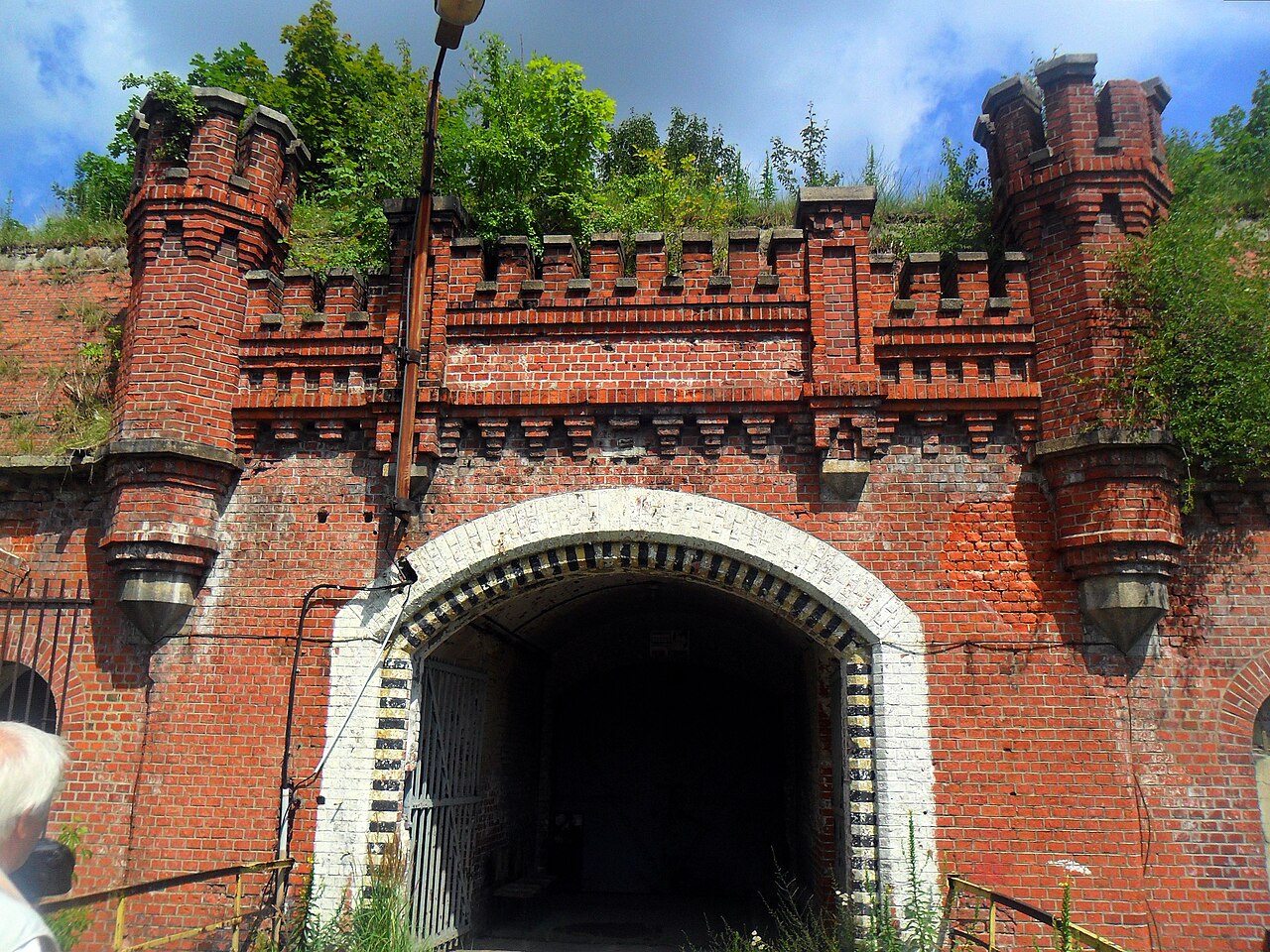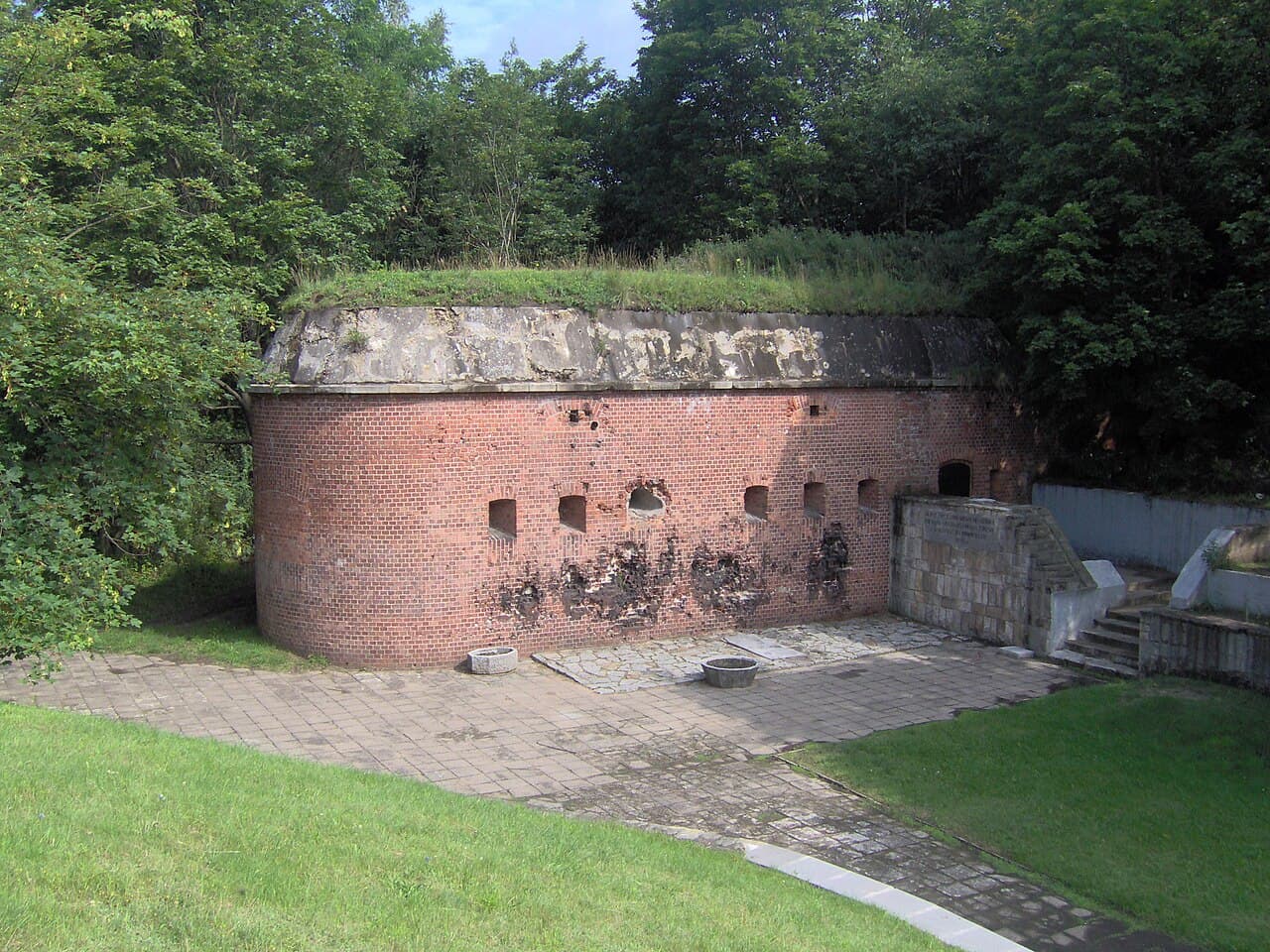
Fort VII is a significant example of a bastioned fortress located in Poland, constructed primarily during the 19th century as part of a larger system of fortifications. This fortress exemplifies military architectural principles developed to withstand artillery and siege warfare of its time.
Historical background and strategic importance
Built in the context of the 19th century's evolving military technology, Fort VII was designed to protect key strategic locations in Poland. It formed part of a network of forts intended to defend against invasions and secure territorial control. The fortress played roles in various military conflicts, reflecting the turbulent history of Poland through the 19th and 20th centuries.
Architectural design and features
As a bastioned fortress, Fort VII incorporates angular bastions projecting outward from the main walls, allowing defenders to cover adjacent walls with overlapping fields of fire. This design minimized blind spots and improved defensive capabilities against attackers. The fortress likely includes thick masonry walls, earthworks, and ditches or moats to impede enemy advances.
Bastions and defensive structures
The bastions of Fort VII are key architectural elements, constructed to absorb and deflect artillery fire. These protruding structures enable crossfire along the curtain walls and provide platforms for artillery placement. Additionally, the fortress would have included casemates—vaulted chambers within the walls—used for housing troops and artillery.
Moats and earthworks
Typical of bastioned fortresses, Fort VII probably featured a surrounding moat or ditch, enhancing its defensive perimeter. Earthworks such as ramparts and glacis would have been shaped to deflect incoming fire and provide cover for defenders. These features reflect the adaptation of fortress design to the challenges posed by modern artillery.
Role during conflicts and later history
Throughout its operational history, Fort VII served as a military stronghold in various conflicts, including those related to Poland's partitions and the World Wars. Its robust construction and strategic location made it a focal point during sieges and military engagements. Over time, as warfare technology advanced, the fortress's military significance declined, leading to changes in its use and preservation.
Current condition and preservation
Today, Fort VII's condition may range from partially preserved to ruins, depending on the extent of restoration efforts and historical damage. Some bastioned fortresses in Poland have been preserved as historical monuments or museums, offering insight into 19th-century military architecture and Poland's military history. Fort VII may be accessible for public visits, providing educational opportunities about its architectural and historical context.
Frequently asked questions (FAQ)
- What is the historical significance of Fort VII?
- Fort VII, built in the 19th century, is a notable example of Prussian fortifications in Poland. It played a critical role in the defense strategies during various conflicts, including World War II, and is a testament to the military architecture of its time.
- When was Fort VII constructed?
- Fort VII was constructed between 1877 and 1881 as part of the larger system of fortifications surrounding the city of Poznań. Its design reflects the military needs of the era and the advancements in defensive technology.
- What are the opening hours for Fort VII?
- Fort VII is typically open to visitors from Tuesday to Sunday, with hours varying by season. It is advisable to check the official website or contact the castle directly for the most current opening times before planning your visit.
- Can I visit Fort VII with a guided tour?
- Yes, guided tours are available at Fort VII, providing visitors with in-depth information about its history and architecture. These tours are led by knowledgeable guides and are a great way to enhance your experience.
- Is it possible to access Fort VII with mobility issues?
- Fort VII has made efforts to improve accessibility for visitors with mobility challenges. However, due to its historical structure, some areas may still present challenges, so it is recommended to inquire in advance about specific accessibility options.
- What is the best time to visit Fort VII?
- The best time to visit Fort VII is during the spring and early autumn months when the weather is mild and pleasant. Additionally, these seasons often see fewer crowds, allowing for a more enjoyable experience.
- What are the ticket prices for Fort VII?
- Ticket prices for Fort VII vary depending on age and group size, with discounts available for students and seniors. It is advisable to check the official website for the latest pricing information and any special offers.
- Are there any nearby attractions to visit alongside Fort VII?
- Yes, Fort VII is located near several other attractions in Poznań, including the historic city center and the Malta Lake area. Visitors can easily plan a day exploring both the fort and the surrounding sites for a comprehensive experience.
Photo gallery

Information
Loading map...
Visitor reviews
No reviews yet. Been here? Write the first review and help other travelers!
Write the first reviewVisited this castle? Share your experience
Your review helps other travelers and adds first-hand knowledge to our encyclopedia.