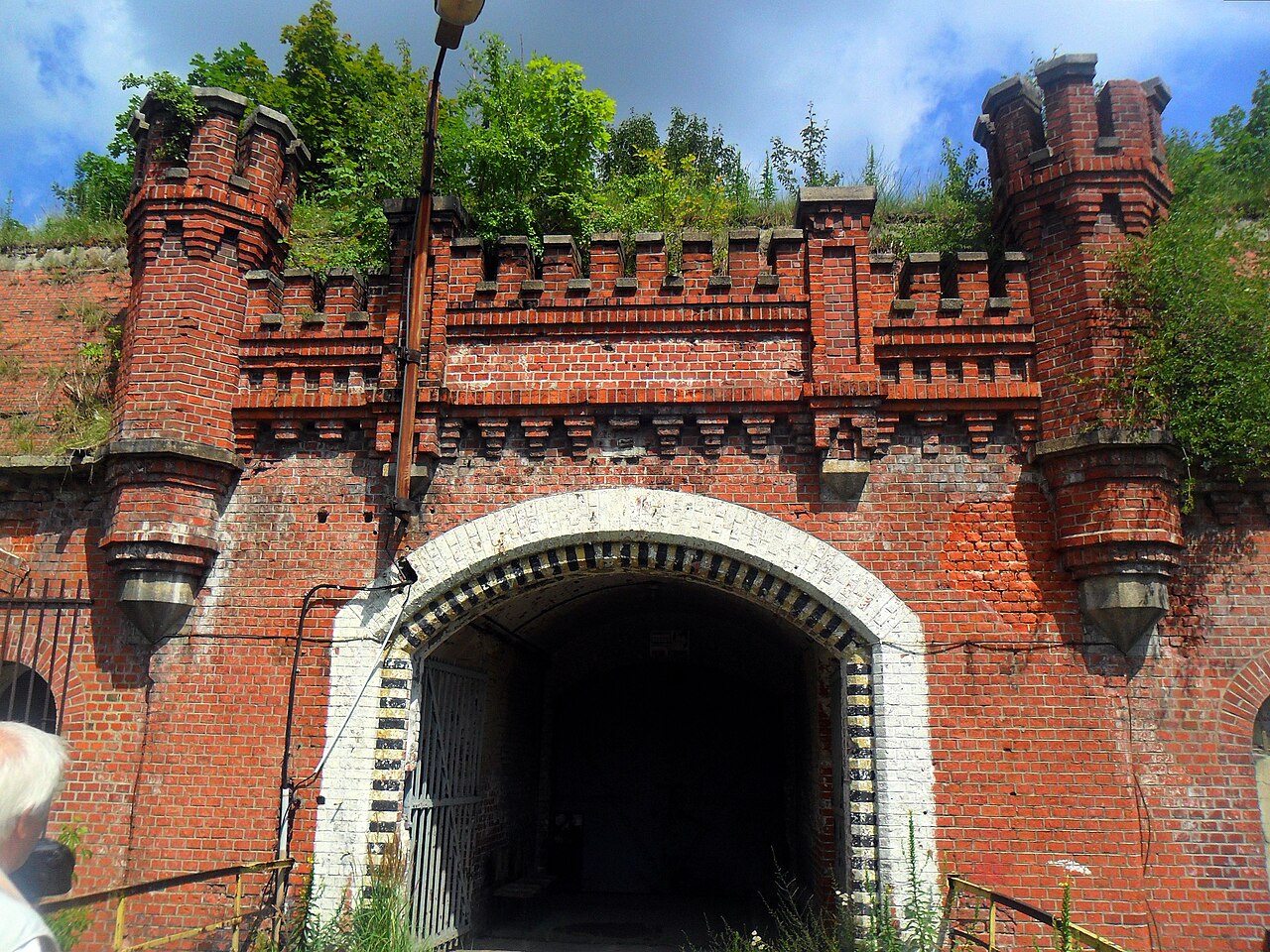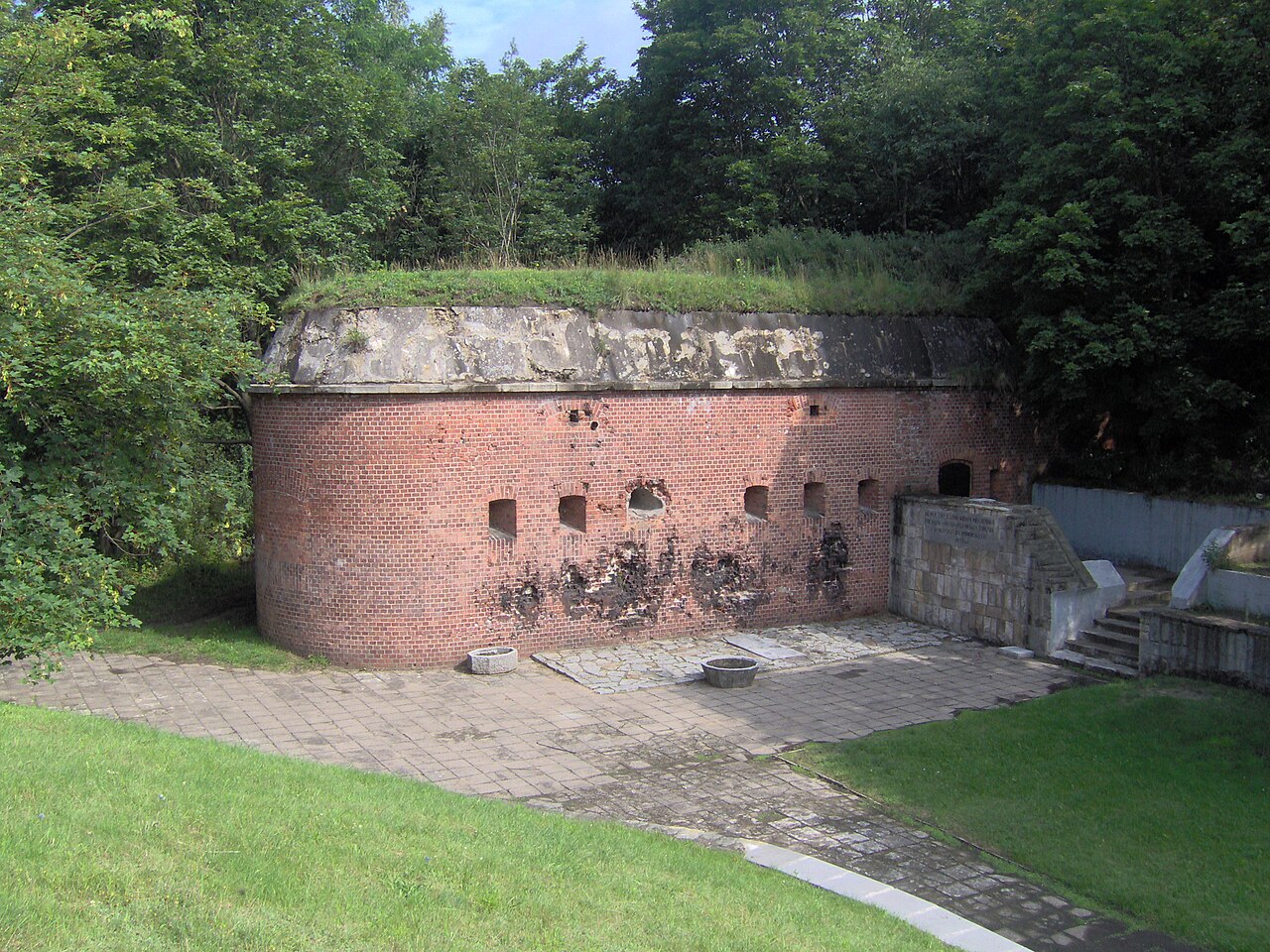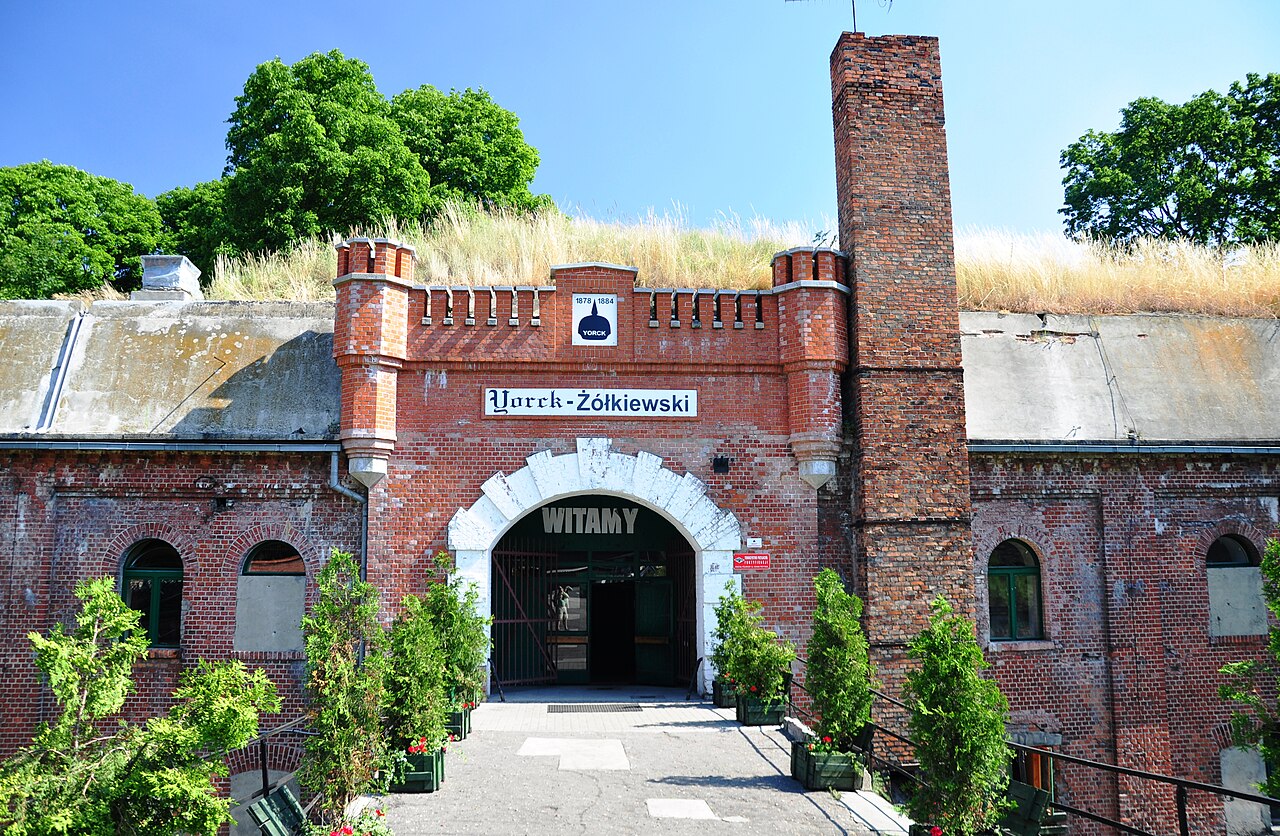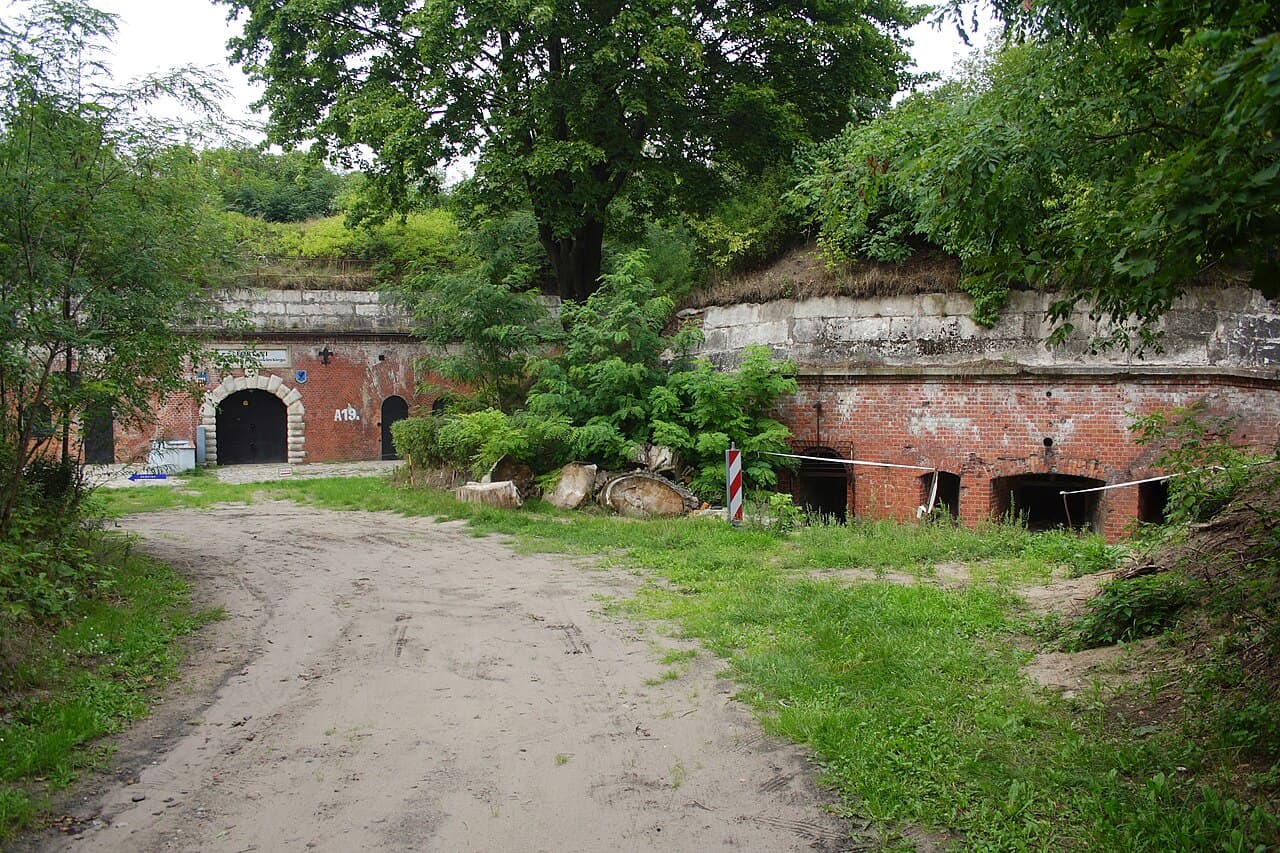
Fort VI is a notable example of a bastioned fortress located in Poland, representing the military architectural advancements of the 19th century. This fortress was designed as part of a larger defensive system, reflecting the strategic military thinking of the era, which prioritized strong fortifications capable of withstanding artillery sieges.
Historical context and strategic importance
Constructed during the period when European powers were modernizing their defenses, Fort VI was built to protect key territories and urban centers in Poland. This type of fortress was designed with angled bastions, allowing defenders to cover all approaches with overlapping fields of fire, an innovation that improved upon medieval castle designs.
The fortress was likely part of a ring of fortifications constructed around a significant city or military installation, although the exact location within Poland is not specified. The bastioned design was a response to the increasing power of artillery, requiring thick walls and earthworks to absorb cannon fire.
Architectural features of Fort VI
Bastions and walls
Fort VI features the characteristic angular bastions that project outward from the main walls, creating interlocking defensive zones. These bastions enabled defenders to cover the curtain walls and adjacent bastions with gunfire, minimizing blind spots.
The walls of the fortress were constructed using a combination of masonry and earthworks, designed to absorb and deflect artillery shells. The thickness and sloping profile of the walls were critical in reducing damage from bombardment.
Defensive structures and layout
The fortress likely includes a dry moat or ditch surrounding the main defensive walls, serving as an obstacle to attacking forces. Access to the fortress would have been controlled by fortified gates with additional defensive measures such as ravelins or hornworks.
Inside the walls, there would have been barracks, ammunition stores, and command posts, arranged to support sustained defense and troop deployment.
Military role and historical significance
As a bastioned fortress, Fort VI was part of the evolution of fortification design that bridged the gap between medieval castles and modern military forts. Its construction reflects the military engineering principles of the post-Napoleonic era, when nations sought to protect their borders and strategic points against increasingly powerful artillery and siege tactics.
While specific battles or sieges involving Fort VI are not documented here, such fortresses generally played key roles in regional defense and military readiness during times of conflict in the 19th and early 20th centuries.
Current status and preservation
The current condition of Fort VI is not detailed, but bastioned fortresses in Poland often exist as partially preserved or ruined sites, with some restored for historical and educational purposes. These sites provide valuable insights into the military architecture and history of the period.
Visitors to such fortresses can typically explore the remaining bastions, walls, and defensive earthworks, gaining a sense of the scale and complexity of 19th-century military fortifications.
Frequently asked questions (FAQ)
- What is a bastioned fortress?
- A bastioned fortress is a type of military fortification featuring angular bastions that project outward from the walls, allowing defenders to cover all approaches with overlapping fields of fire. This design improved defense against artillery in the 16th to 19th centuries.
- When was Fort VI likely built?
- Fort VI was likely constructed in the 19th century, a period when bastioned fortresses were common as nations modernized their defenses against artillery.
- Can visitors explore Fort VI today?
- The current condition of Fort VI is not specified, but many bastioned fortresses in Poland are partially preserved or restored and may be accessible for visitors interested in military history.
- Why were bastioned fortresses important?
- Bastioned fortresses were important because their design allowed defenders to cover all parts of the fortress walls with gunfire, reducing blind spots and improving resistance to siege artillery.

Information
Loading map...
Visitor reviews
No reviews yet. Been here? Write the first review and help other travelers!
Write the first reviewVisited this castle? Share your experience
Your review helps other travelers and adds first-hand knowledge to our encyclopedia.