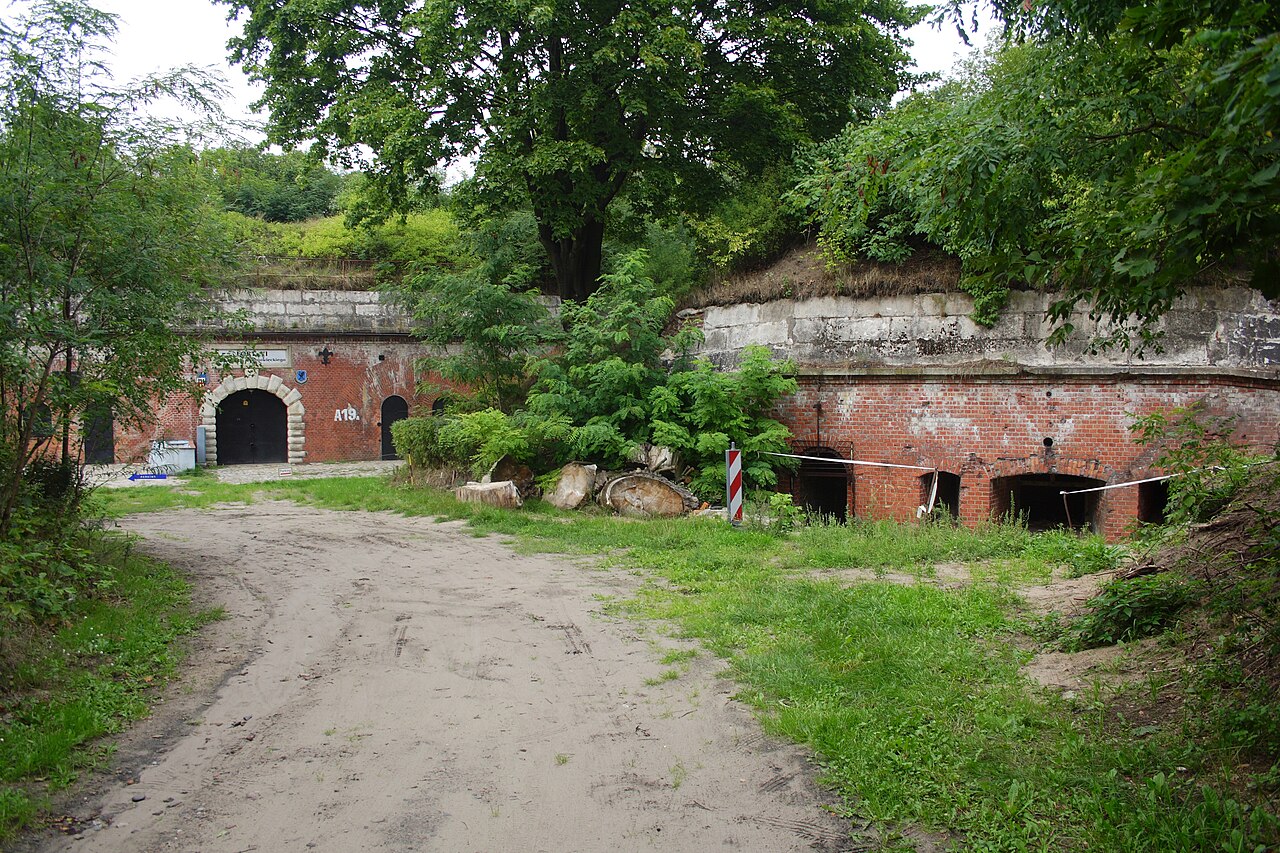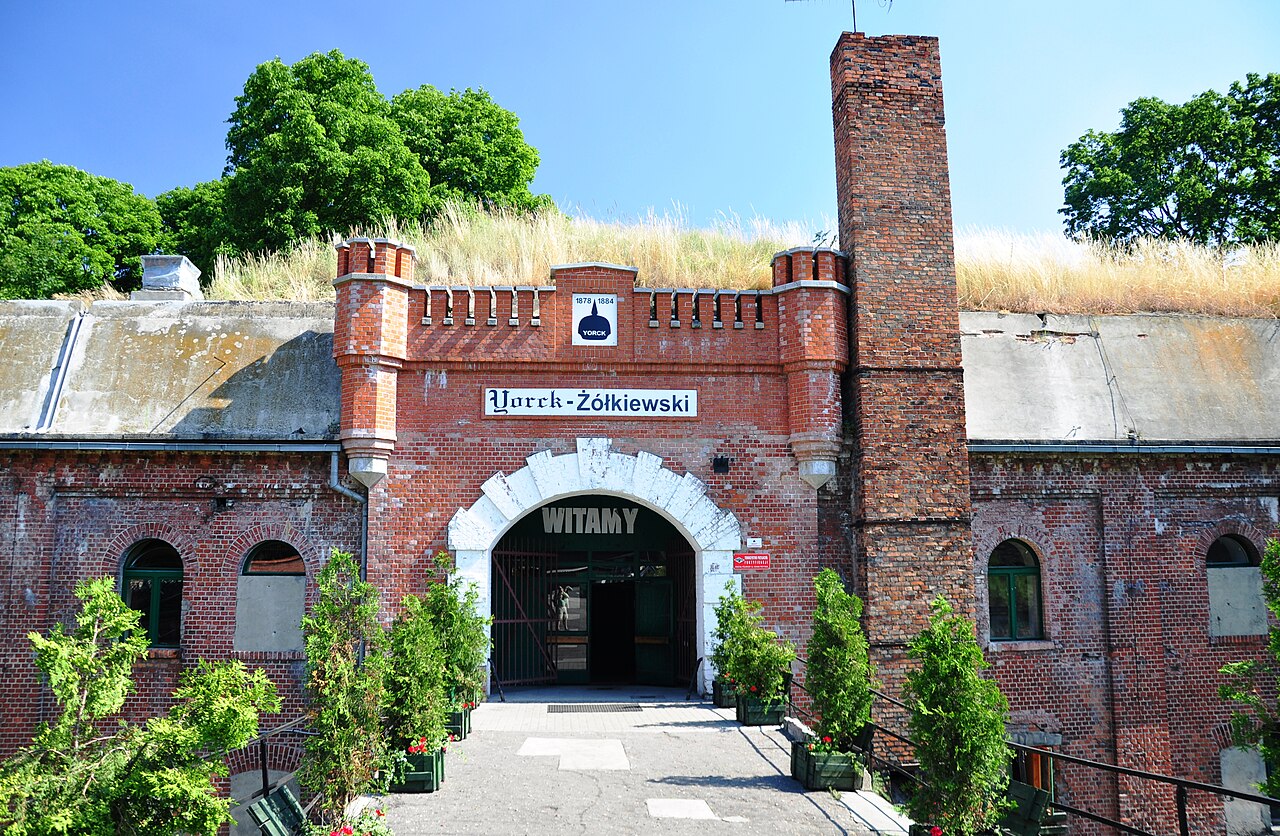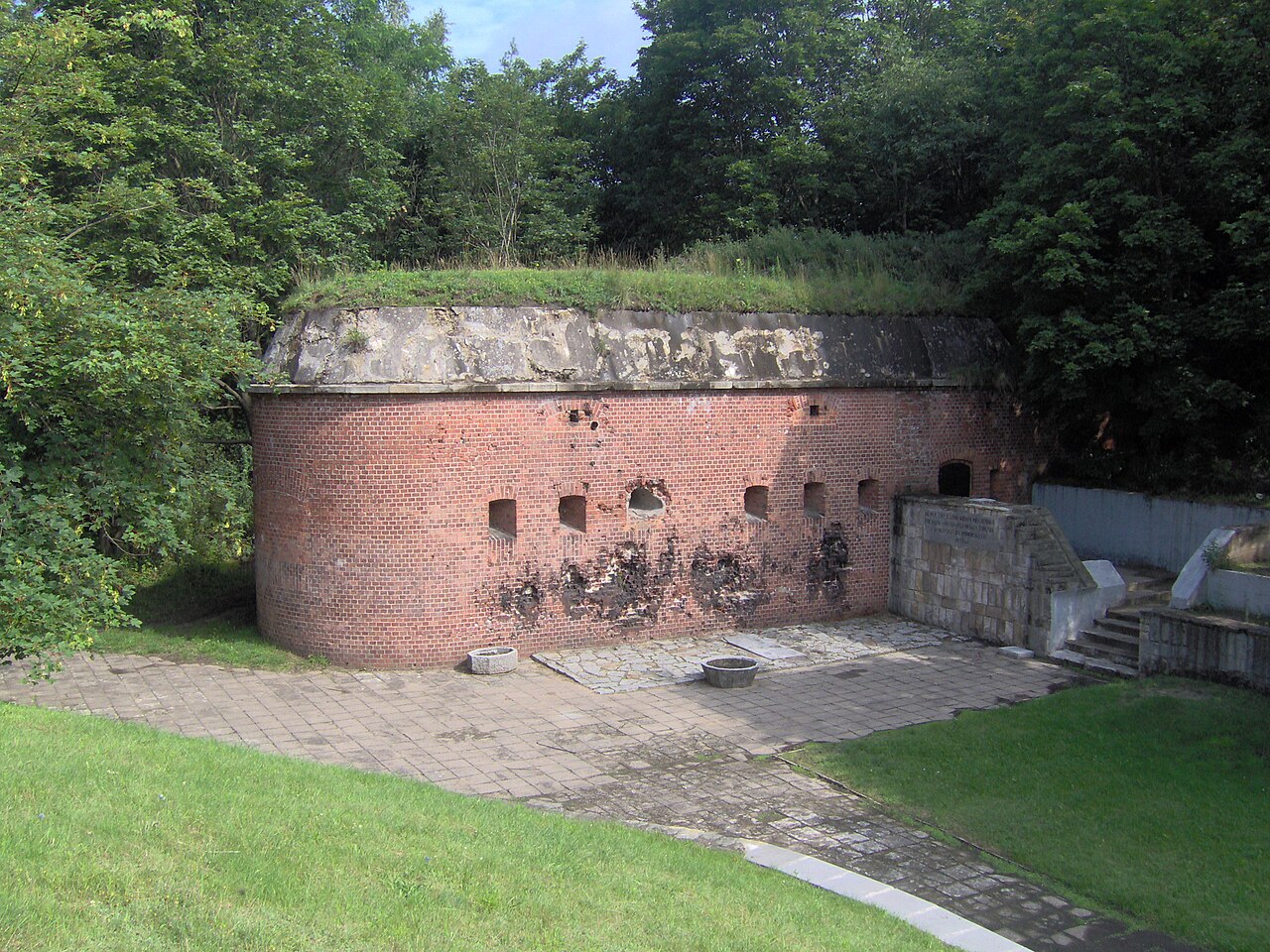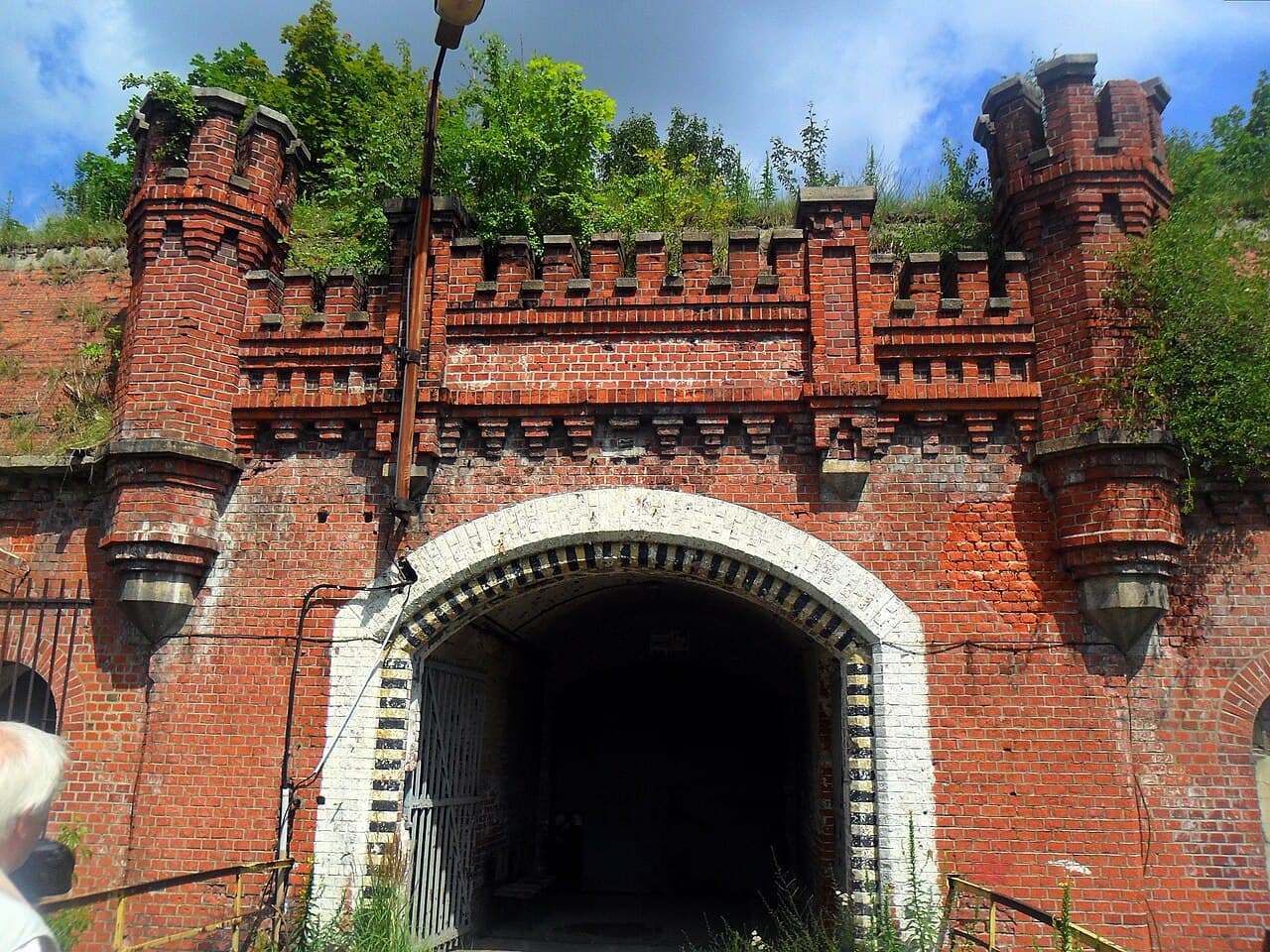
Fort V is a notable example of a bastioned fortress located in Poland, representing the military architectural advancements of the 19th century. This fortress is part of a broader system of fortifications designed to protect strategic locations using the principles of bastion fort design, which was prevalent in Europe from the Renaissance through the 19th century.
Historical context and strategic importance
Constructed during a period when artillery technology was rapidly evolving, Fort V was designed to withstand increasingly powerful cannon fire. The bastioned fortress layout allowed defenders to cover all approaches with overlapping fields of fire, eliminating blind spots. This design reflects the military engineering concepts developed in the post-medieval period, particularly adapted for the challenges of modern warfare in the 1800s.
Architectural features and design
Bastions and defensive structures
The fortress features multiple projecting bastions that form the core defensive elements, allowing defenders to fire along the fortress walls and repel attackers effectively. These bastions are connected by curtain walls, which are lower and thicker than medieval walls to absorb artillery impact. The design typically includes a dry moat or ditch surrounding the fortress to hinder enemy approach.
Internal layout and facilities
Inside the fortress, there would have been casemates—vaulted chambers used for housing troops and storing ammunition safely. The fortress likely included magazines, barracks, and command posts arranged to maximize operational efficiency during a siege. The layout was planned to support prolonged defense and sustain the garrison under attack.
Construction and materials
The construction of Fort V utilized brick and stone masonry, materials chosen for their durability and resistance to artillery fire. The walls were often faced with earthworks to absorb and dissipate the energy of cannonballs. The fortress’s robust construction reflects the engineering standards of the 19th century military fortifications in Poland and Central Europe.
Current condition and preservation
Although the exact current condition of Fort V is not detailed here, bastioned fortresses of this era in Poland vary from well-preserved to partially ruined states. Many such forts have been subjects of preservation efforts due to their historical and architectural significance, serving as cultural landmarks and tourist attractions.
Cultural and heritage significance
Fort V stands as a testament to the evolution of military architecture and the strategic defense systems of the 19th century. It reflects the historical military tensions in the region and the technological responses to new forms of warfare. As part of Poland’s heritage, it contributes to understanding the country’s historical landscape and military history.
Frequently asked questions (FAQ)
- How do I get to Fort V?
- Fort V is located in Poland, easily accessible by car or public transportation. If you're traveling by train, the nearest station is just a short bus ride away. Make sure to check local transit schedules for the best routes.
- What is the historical significance of Fort V?
- Fort V, built in the 19th century, served as a strategic military fortification during various conflicts. It played a crucial role in the defense of the region and is a testament to the military architecture of its time. Today, it stands as a reminder of Poland's rich military history.
- When was Fort V constructed?
- Construction of Fort V began in 1880 and was completed in 1886. It was part of a larger network of fortifications designed to protect the city of Gdańsk. The fort's design reflects the military engineering advancements of the late 19th century.
- Can I take guided tours of Fort V?
- Yes, guided tours are available at Fort V, providing visitors with an in-depth look at its history and architecture. These tours are led by knowledgeable guides who can share fascinating stories about the fort's past. It’s advisable to book in advance, especially during peak tourist seasons.
- Why is Fort V considered an architectural gem?
- Fort V is considered an architectural gem due to its unique blend of functionality and aesthetic design. The fort showcases the military architecture of the time, featuring robust stonework and strategic layouts. Its preservation allows visitors to appreciate the craftsmanship and ingenuity of 19th-century fortifications.
- Is it possible to visit Fort V year-round?
- Yes, Fort V is open to visitors year-round, although opening hours may vary seasonally. During the peak summer months, it operates longer hours to accommodate tourists. It's best to check the official website for the most current visiting times and any seasonal events.
- What are the ticket prices for visiting Fort V?
- Ticket prices for Fort V are quite reasonable, with discounts available for students and seniors. Children under a certain age may enter for free. Be sure to check the official site for the latest pricing information and any special events that may have different rates.
- What is the best time to visit Fort V?
- The best time to visit Fort V is during the spring and early autumn when the weather is pleasant for outdoor exploration. Summer can be busy with tourists, but it also offers extended hours and special events. Visiting during weekdays may provide a quieter experience.
- Are there any nearby attractions to Fort V?
- Yes, there are several nearby attractions worth exploring, including historical museums and beautiful parks. The city of Gdańsk is just a short drive away, offering a wealth of cultural sites and dining options. Consider making a day of your visit to enjoy the surrounding area fully.
Photo gallery

Information
Loading map...
Visitor reviews
No reviews yet. Been here? Write the first review and help other travelers!
Write the first reviewVisited this castle? Share your experience
Your review helps other travelers and adds first-hand knowledge to our encyclopedia.