Fort IV is a prominent example of a bastioned fortress located in Poland, representing the military architectural developments of the 19th century. This fortress is part of a larger system of fortifications designed to protect strategic urban centers and military installations during a period of significant geopolitical tension in Europe.
Historical context and strategic importance
Constructed during the 19th century, Fort IV was built as a response to advances in artillery technology and the changing nature of warfare. The fortress formed a critical component of a defensive ring, intended to shield key cities or military hubs from potential invasions. Its design reflects the military engineering principles of the era, emphasizing strong, angled bastions that allowed defenders to cover all approaches with interlocking fields of fire.
Architectural features and design
Bastioned layout
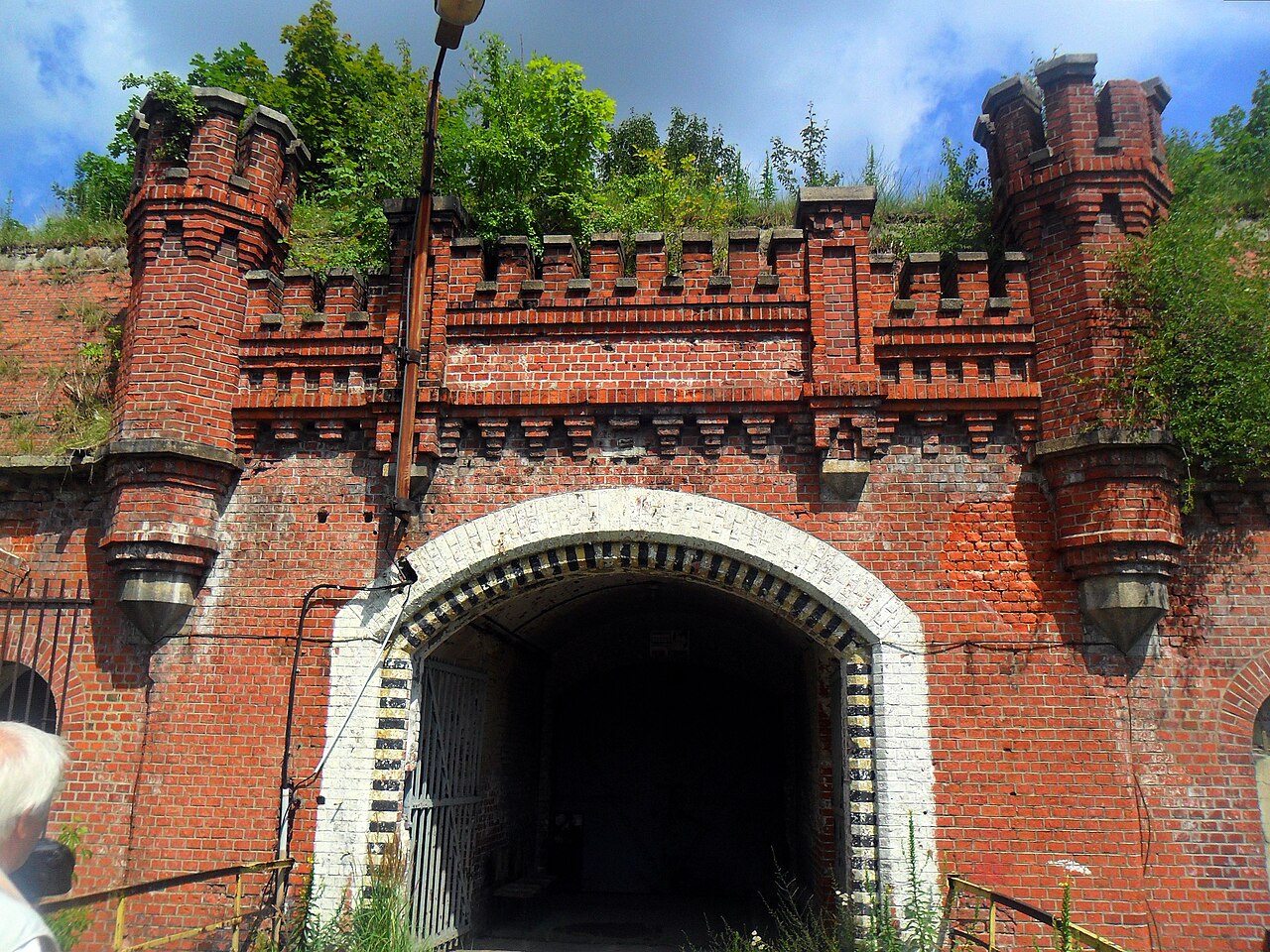
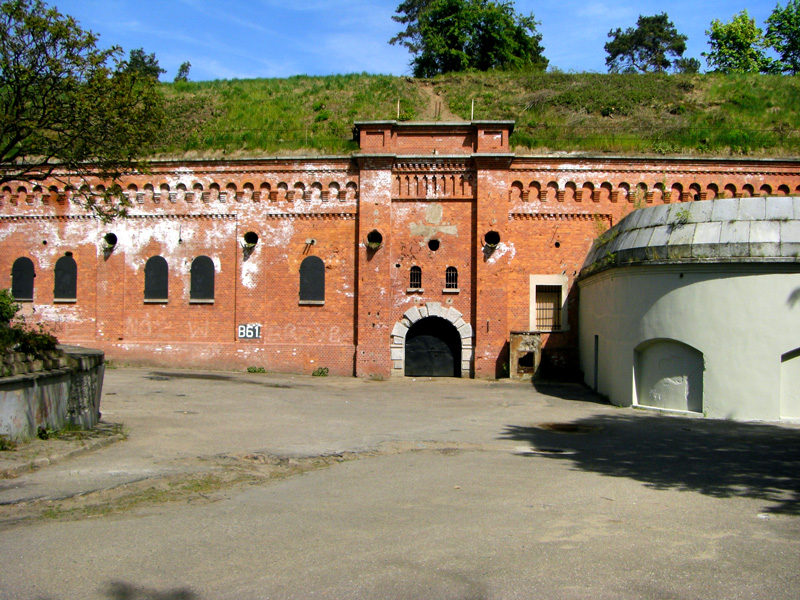
The defining characteristic of Fort IV is its bastioned fortress layout, which features multiple bastions projecting outward from the main walls. These bastions are designed to eliminate blind spots and enable defenders to fire upon attackers from multiple angles. The walls are typically thick and constructed from durable materials such as brick and stone, capable of withstanding artillery bombardment.
Defensive structures
In addition to the bastions, the fortress includes various defensive elements such as moats, ramparts, and covered firing positions. The moats, often filled with water or left dry depending on the terrain, serve as obstacles to slow down enemy advances. Ramparts provide elevated positions for artillery and infantry, while covered firing positions protect soldiers from enemy fire.
Internal facilities
Inside the fortress, there are barracks, ammunition depots, and command posts designed to support sustained military operations. These facilities were strategically placed to ensure functionality during sieges and prolonged conflicts. The layout also includes communication trenches and protected pathways to allow safe movement of troops within the fortress.
Role in military history
Fort IV played a significant role in regional defense during periods of conflict in the 19th and early 20th centuries. Its robust construction and strategic placement made it a formidable obstacle to advancing forces. While specific battles or sieges involving Fort IV may not be widely documented, its presence contributed to the overall defensive capability of the region.
Current condition and preservation
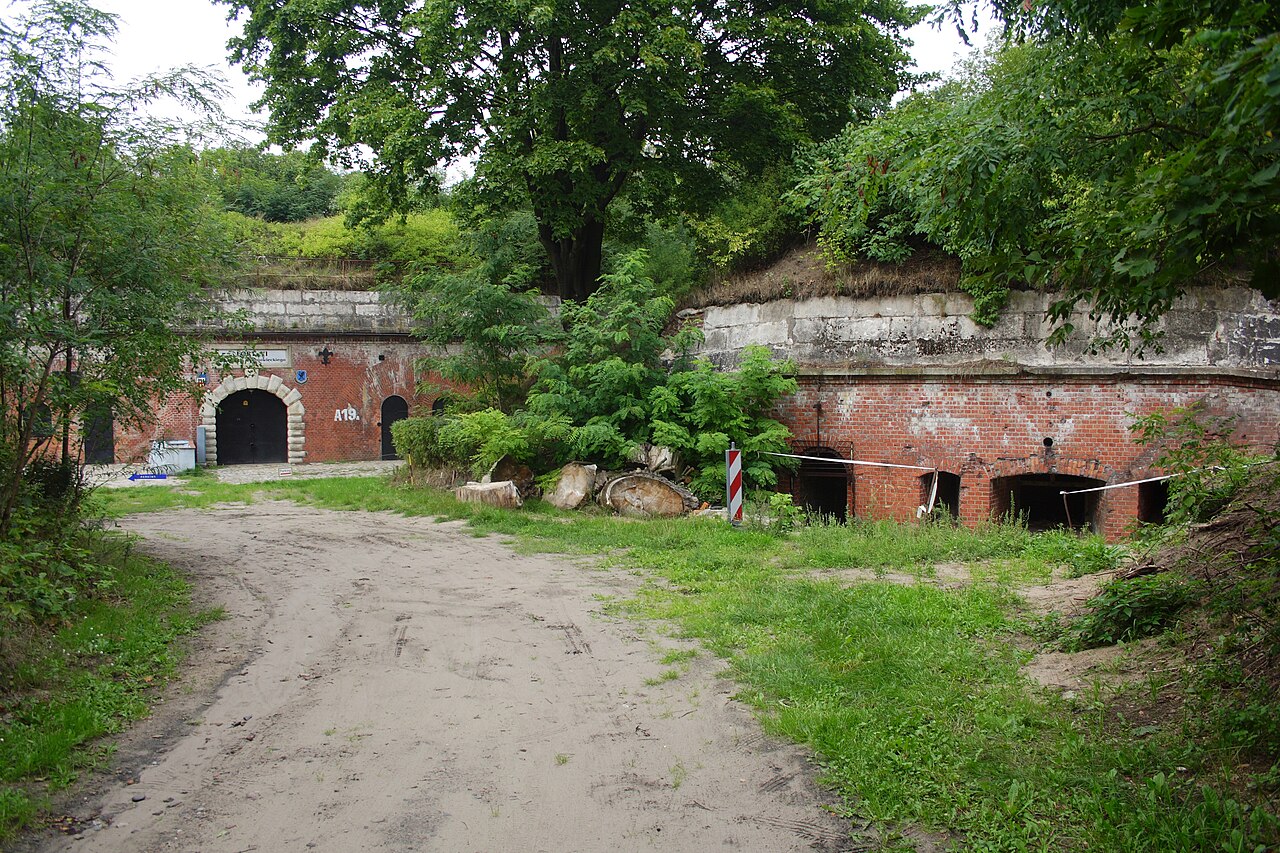
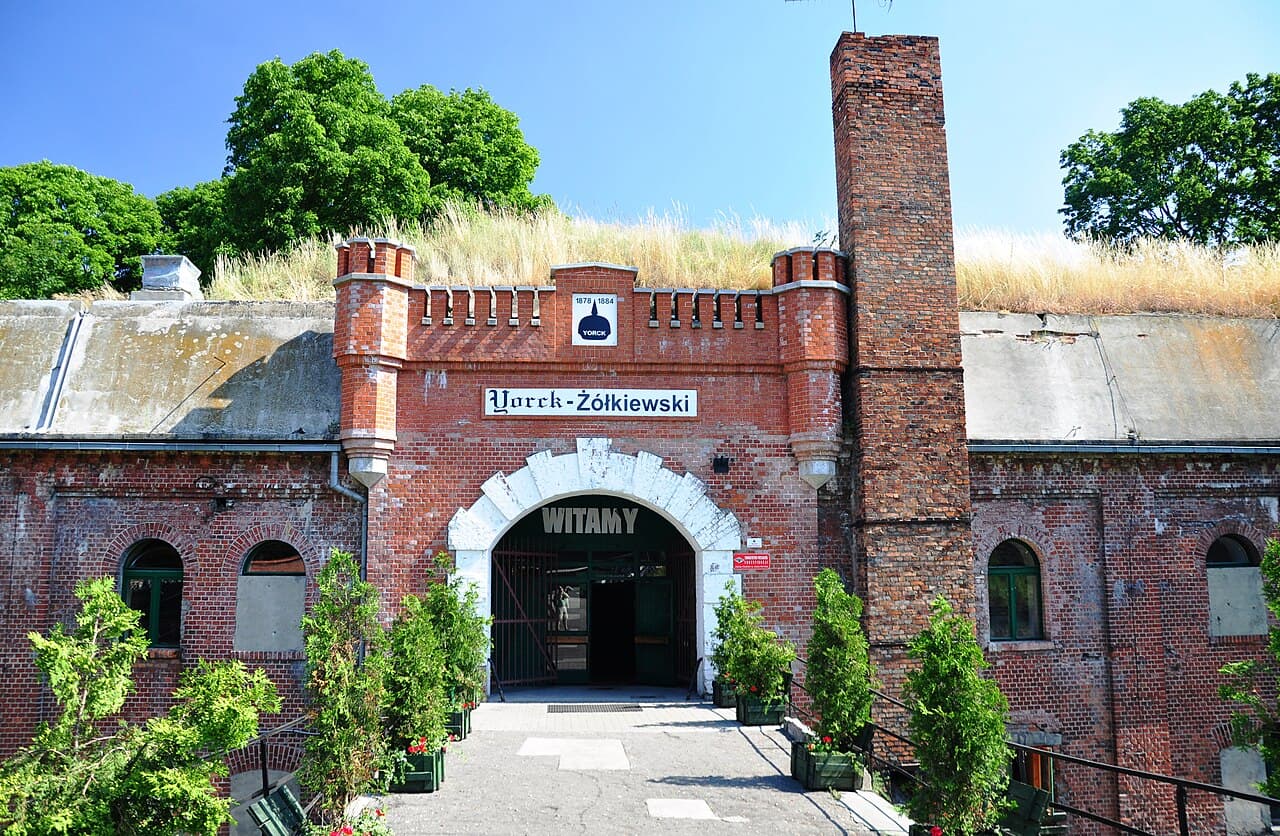
Today, Fort IV remains a notable historical site, although its condition varies depending on maintenance and restoration efforts. Many bastioned fortresses from this period have suffered from neglect, but some have been preserved or partially restored to serve as museums or cultural landmarks. Visitors to Fort IV can observe the characteristic bastions, walls, and defensive features that illustrate 19th-century military architecture.
Visiting information and accessibility
While detailed visitor information for Fort IV is limited, such sites typically offer guided tours or informational displays to educate the public about their historical and architectural significance. Accessibility may vary based on location and preservation status, so prospective visitors should seek local resources for up-to-date details.
Frequently asked questions (FAQ)
- What is a bastioned fortress and how does Fort IV exemplify this?
- A bastioned fortress is a type of fortification featuring projecting bastions that allow defenders to cover all approaches with overlapping fields of fire. Fort IV exemplifies this with its angled bastions and robust defensive walls designed in the 19th century.
- When was Fort IV built and what was its purpose?
- Fort IV was constructed in the 19th century as part of a defensive network to protect strategic locations in Poland from military threats during a period of evolving warfare technology.
- Can visitors tour Fort IV today?
- While specific visitor information is limited, Fort IV may be accessible for tours or visits depending on local preservation efforts. It is advisable to check with local tourism resources for current accessibility and visiting hours.
- What architectural features are notable in Fort IV?
- Notable features include thick brick and stone walls, multiple bastions projecting outward, moats, ramparts, and internal facilities such as barracks and ammunition depots designed for sustained defense.
- Why were bastioned fortresses like Fort IV important in the 19th century?
- Bastioned fortresses provided enhanced defensive capabilities against artillery advances by allowing defenders to cover all approaches and protect key strategic points, adapting to changes in military technology.
Photo gallery

Information
Loading map...
Visitor reviews
No reviews yet. Been here? Write the first review and help other travelers!
Write the first reviewVisited this castle? Share your experience
Your review helps other travelers and adds first-hand knowledge to our encyclopedia.