Fort V Włochy — Poland castle

Fort V Włochy

Fort V Włochy: bastioned fortress in Poland
Post-Renaissance (17th–18th c.)

Fort V Włochy is a historic bastioned fortress located in Poland, known for its role within a larger network of fortifications designed for military defense. This fortress is part of a 19th-century system of defensive structures built to protect strategic areas, reflecting the military architectural principles of the time.

Historical context and strategic importance

The construction of Fort V Włochy dates back to the period when Poland was under partitions, and various powers sought to fortify key locations. The fortress was integrated into a ring of forts designed to defend important urban centers and transportation routes. These bastioned fortresses were built following the principles of modern military engineering prevalent in the 19th century, emphasizing artillery defense and strategic positioning.

Architectural features and design

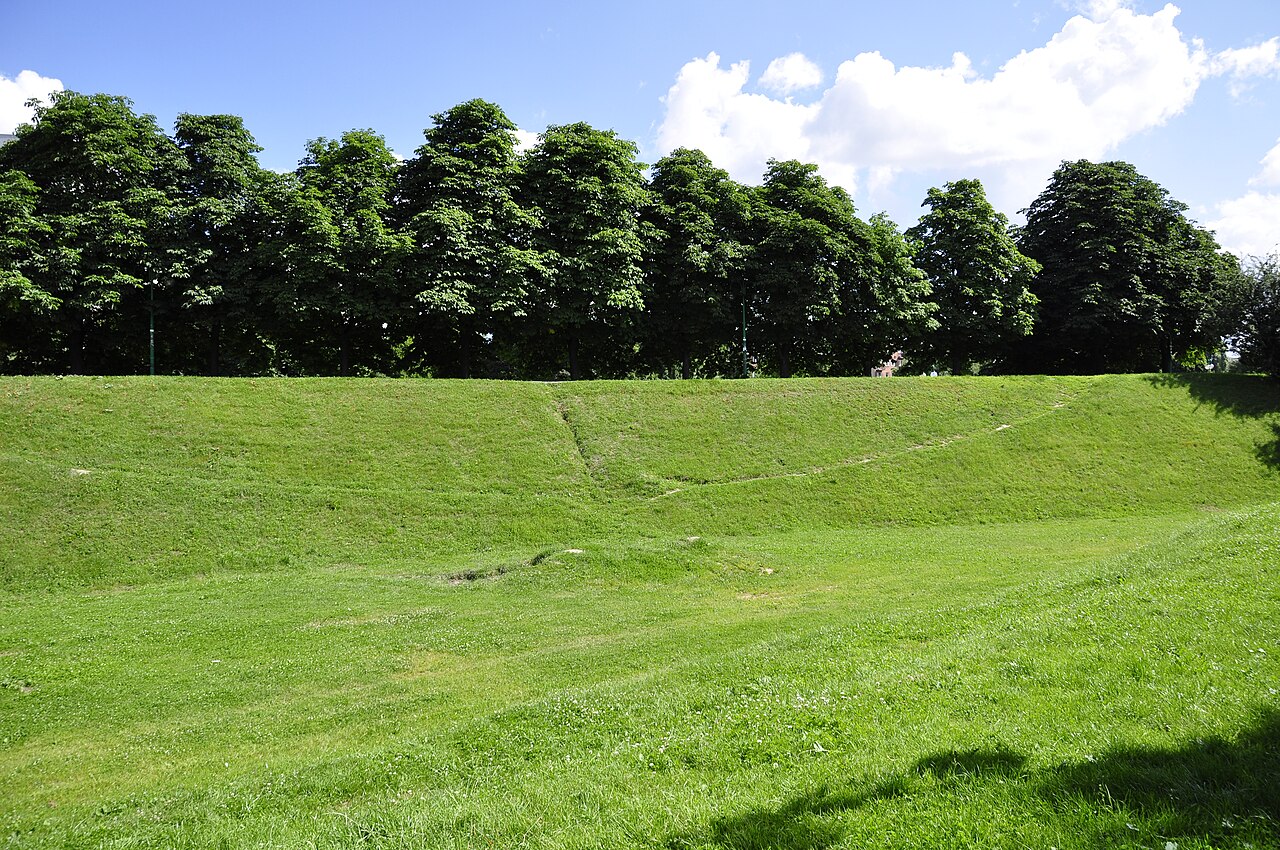
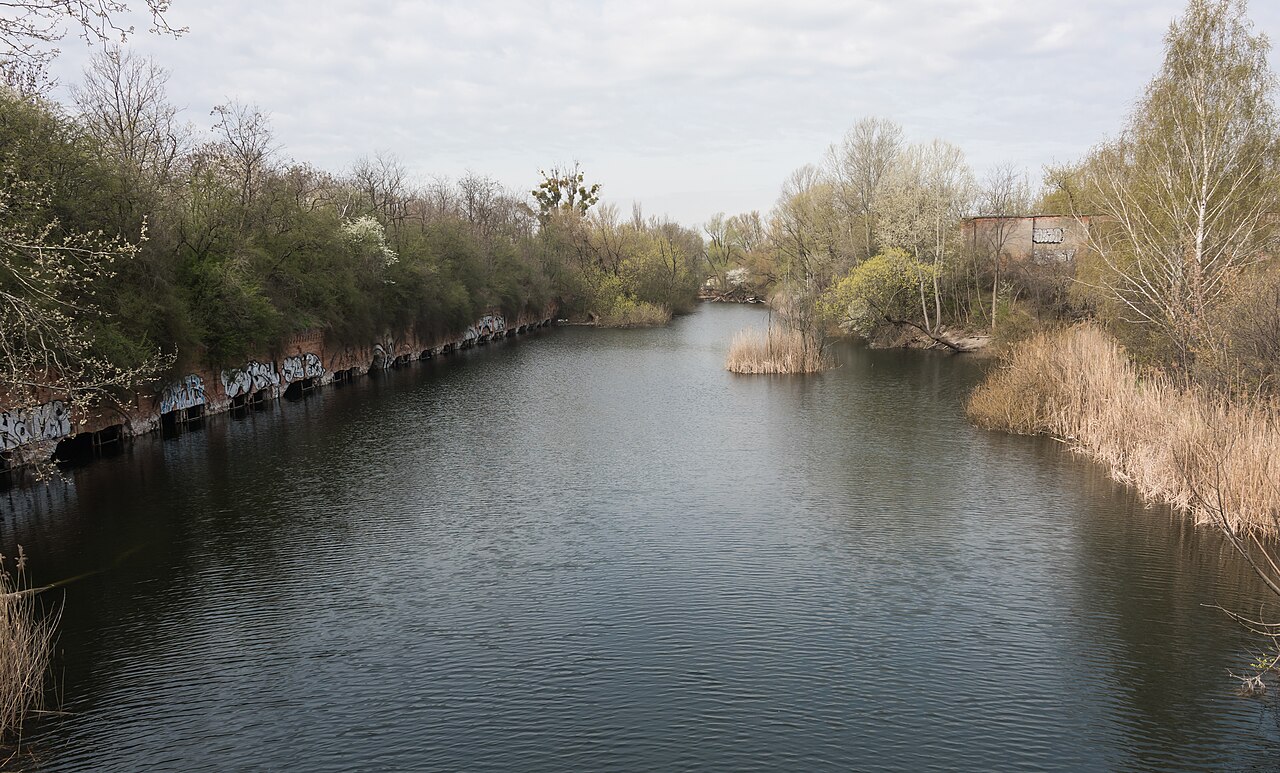
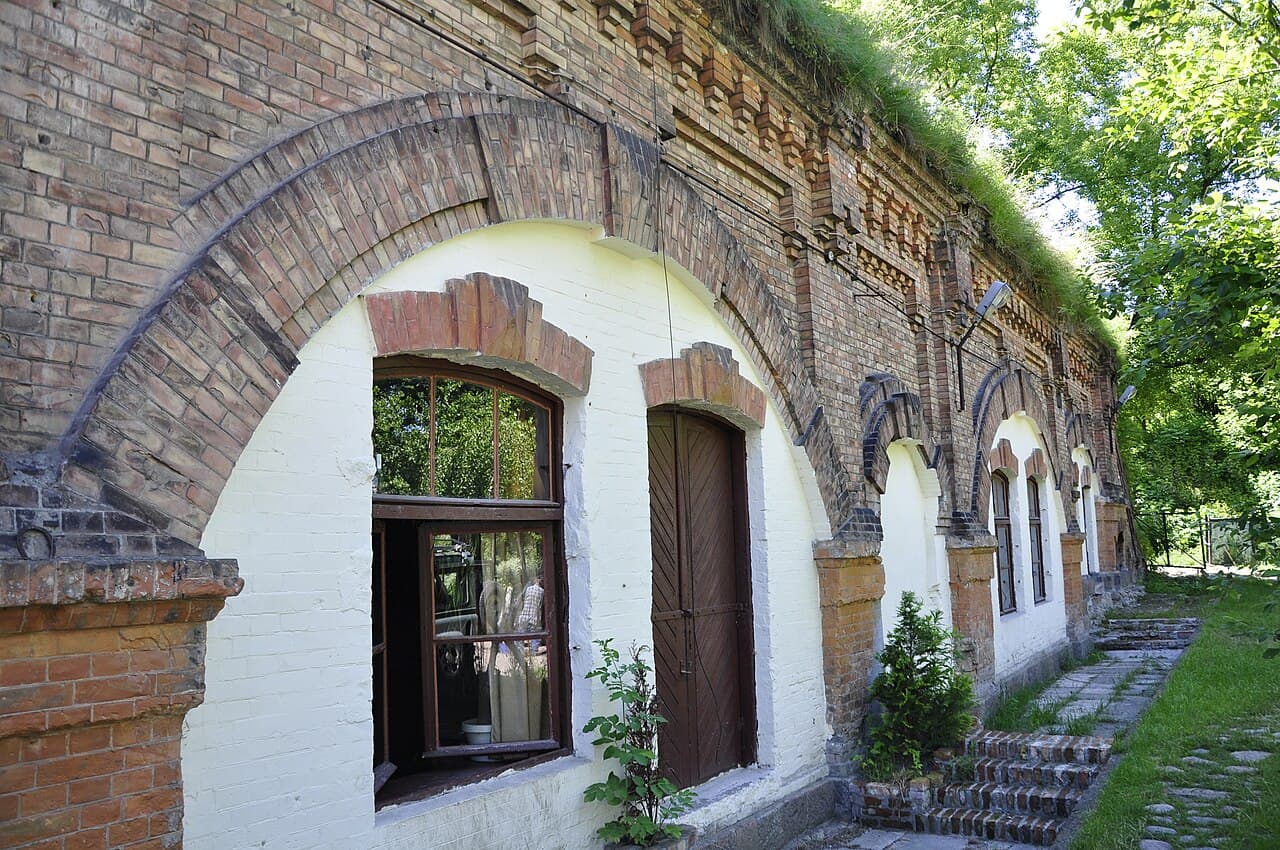
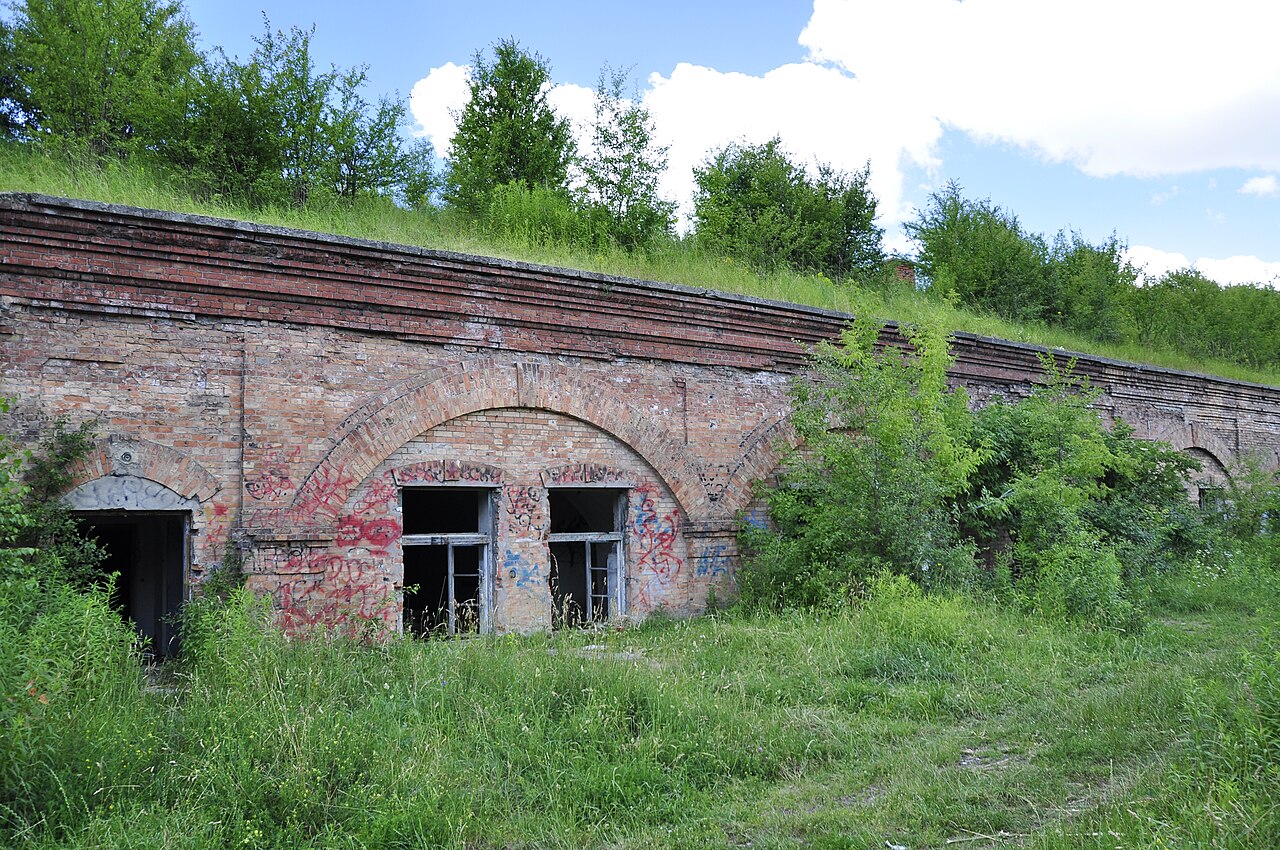
As a bastioned fortress, Fort V Włochy features characteristic angular bastions projecting from the main walls, allowing defenders to cover adjacent walls with overlapping fields of fire. This design minimized blind spots and improved the fortress's defensive capabilities against artillery and infantry assaults. The fortress likely includes thick masonry walls, earthworks, and possibly a surrounding ditch or moat to enhance its defensive perimeter.

The layout typically comprises a central courtyard surrounded by barracks, magazines, and defensive walls. The bastions are connected by curtain walls, creating a fortified enclosure that maximizes protection and facilitates troop movements within the complex.

Military role and historical use

Fort V Włochy served as a key component in the defensive system protecting the region during times of conflict. Its strategic location enabled control over surrounding areas and provided a stronghold against potential invasions or attacks. Throughout its operational history, the fortress may have been garrisoned by military forces tasked with maintaining security and readiness.

While detailed records of specific battles or sieges involving Fort V Włochy are limited, its construction and continued presence underscore its significance in regional defense strategies during the 19th and early 20th centuries.

Preservation and current status

The current condition of Fort V Włochy is not fully documented, but bastioned fortresses of this era often exist today as partially preserved or restored historical sites. Such fortresses may be accessible to the public for educational and cultural purposes, sometimes hosting exhibitions or guided tours that highlight their architectural and historical importance.

Preservation efforts typically focus on maintaining structural integrity and interpreting the fortress's role in military history, contributing to local heritage and tourism.

Visiting Fort V Włochy

Visitors interested in military architecture and 19th-century fortifications may find Fort V Włochy a valuable site to explore. While specific visitor information such as opening hours and ticket prices is not readily available, potential guests should check local tourism resources or heritage organizations for up-to-date details.

The fortress's design offers insight into the evolution of military engineering and the strategic considerations of its era, making it a noteworthy destination for history enthusiasts.

Frequently asked questions (FAQ)

What is Fort V Włochy and where is it located?
Fort V Włochy is a bastioned fortress located in Poland, part of a 19th-century defensive ring protecting strategic areas.
What are the key architectural features of Fort V Włochy?
The fortress features angular bastions, thick masonry walls, earthworks, and a layout designed for overlapping fields of fire.
When was Fort V Włochy built?
Fort V Włochy was constructed in the 19th century during the post-Renaissance period of military fortifications.
Is Fort V Włochy open to visitors?
Visitor information is limited, but the fortress may be accessible for educational and cultural purposes; check local sources for details.

Photo gallery

Fort V Włochy
Click to view

Photo by Wistula•CC BY 3.0

1 photo • Click any image to view in full screen

Information

Bastioned Fortress

Loading map...

Visitor reviews

No reviews yet. Been here? Write the first review and help other travelers!

Write the first review

Visited this castle? Share your experience

Your review helps other travelers and adds first-hand knowledge to our encyclopedia.
Write a review

(5/5)

0/2000 characters

Your review will be visible after admin approval

Nearby castles

2.7 km
Fort Tscha — Poland castle

Fort Tscha

, Poland

Fort Tscha is a notable example of a 19th-century bastioned fortress located in Poland. Constructed during the Modern period, this fortress reflects the evolution of military architecture adapting to advances in artillery and siege tactics. Its design incorporates the characteristic angular bastions that allowed for overlapping fields of fire, enhancing its defensive capabilities against attackers. Architectural design and features The fortress exemplifies the bastioned fortress type, a style prevalent in the Modern era that emphasized geometric shapes and angled walls to deflect cannon fire. Fort Tscha includes several bastions strategically positioned to cover all approaches, creating interlocking zones of defense. The walls are typically thick and constructed from robust materials suitable for resisting artillery bombardment. The layout likely includes a surrounding ditch or moat, ramparts, and protected entrances fortified with gates and possibly drawbridges. Bastions and defensive structures The bastions are the key defensive elements, projecting outward from the main curtain walls to eliminate blind spots. These angular projections allowed defenders to fire upon attackers from multiple directions. The fortress's design would also include casemates — vaulted chambers within the walls used for housing troops or artillery pieces protected from enemy fire. Internal facilities and layout Inside the fortress, there would be barracks for soldiers, storage rooms for ammunition and provisions, and command quarters. The internal arrangement was planned to support prolonged defense during sieges, with provisions for water supply and communication between bastions. The fortress's functional design reflects the military engineering principles of the 19th century, focusing on resilience and tactical advantage. Historical context and significance Constructed in the 19th century, Fort Tscha was part of a broader trend in Europe where nations fortified key strategic points to protect against increasingly powerful artillery and evolving warfare tactics. Poland, situated at a crossroads of various empires and conflicts, saw the development of such fortifications to defend important territories and routes. While specific historical events involving Fort Tscha are not widely documented, its existence underscores the military priorities of the time, emphasizing static defense lines and the importance of controlling territory through fortified positions. Preservation and current status The current condition of Fort Tscha is not extensively detailed, but as a Modern period bastioned fortress, it may be partially preserved or in ruins depending on historical developments and conservation efforts. Such fortresses often attract interest from historians, architects, and tourists interested in military history and engineering. Visiting information and accessibility Information about public access, visiting hours, and ticket prices for Fort Tscha is not readily available. Visitors interested in military architecture and history should check local resources or heritage organizations for the latest details on accessibility.

Modern (19th–20th c.)
Details
4.1 km
Fort Tscha-M — Poland castle

Fort Tscha-M

, Poland

Fort Tscha-M is a notable example of a bastioned fortress located in Poland, reflecting the military architectural advancements of the 19th century. These fortifications were designed to withstand artillery fire and improve defensive capabilities through the use of angled bastions, which allowed defenders to cover all approaches with overlapping fields of fire. Historical context and strategic importance The development of bastioned fortresses like Fort Tscha-M was driven by the evolution of siege warfare and artillery technology in Europe during the 18th and 19th centuries. Poland, situated at a crossroads of various empires and conflicts, saw the construction of such fortifications to protect key strategic locations, including cities, borders, and transportation routes. While specific historical records on Fort Tscha-M are limited, its classification as a bastioned fortress indicates it was part of a network of defensive works intended to secure territorial integrity and control over important military or administrative centers during periods of political instability. Architectural features of Fort Tscha-M The hallmark of a bastioned fortress is the presence of star-shaped bastions projecting from the main walls. These bastions allowed defenders to fire along the faces of adjacent walls, eliminating blind spots and enhancing defensive coverage. Fort Tscha-M likely includes: Thick masonry walls designed to absorb and deflect cannon fire. Angular bastions positioned at corners to provide overlapping fields of fire. Moats or ditches surrounding the fortress to impede attackers. Casemates and bombproof shelters for troops and ammunition storage. Gatehouses and drawbridges controlling access to the interior. These features combined to create a robust defensive system tailored to the warfare technology of the time. Construction period and style Fort Tscha-M is associated with the post-medieval military architecture period, specifically the 19th century, when bastioned fortifications were widely adopted across Europe. The style focuses on functionality and defense, characterized by geometric precision and the integration of artillery considerations into the design. Preservation and current condition The current condition of Fort Tscha-M is not well documented, but bastioned fortresses in Poland often exist today as ruins or partially preserved sites. Some have been restored or adapted for cultural and educational purposes, while others remain archaeological sites revealing the military heritage of the region. Significance in military architecture Fort Tscha-M exemplifies the transition from medieval castle designs to modern fortifications shaped by gunpowder weaponry. Its bastioned layout reflects the shift towards star forts, which became a dominant form of military architecture from the Renaissance through the 19th century. Such fortresses represent an important chapter in the history of defensive structures, illustrating how architects and engineers responded to changing warfare technologies.

Post-Renaissance (17th–18th c.)
Details
5.4 km
Fort VII Zbarż — Poland castle

Fort VII Zbarż

Warsaw, Poland

Fort VII Zbarż is a significant example of a bastioned fortress located in Poland, originally constructed in the 19th century as part of the extensive defensive ring around Warsaw. This fortress was designed to serve as a key military installation to protect the city from potential invasions during a period marked by rapid changes in military technology and strategic defense planning. Historical context and strategic importance Constructed during the era when Poland was partitioned and under foreign influence, Fort VII Zbarż was built by the Russian Empire as part of the Warsaw Fortress system. This system consisted of multiple forts forming a defensive perimeter around the capital, aiming to secure it against enemy forces. The fort's location was strategically chosen to control access routes and provide overlapping fields of fire with neighboring forts. The fortress played a role in various military conflicts, including World War I and the interwar period, reflecting the evolving nature of warfare and fortification design. Its bastioned layout was intended to maximize defensive capabilities against artillery and infantry assaults. Architectural features and design Fort VII Zbarż exemplifies the bastioned fortress style, characterized by angular bastions projecting from the main walls, allowing defenders to cover adjacent walls with gunfire and eliminate blind spots. The fort's walls were constructed using robust masonry and earthworks to absorb artillery impacts. The design includes a moat surrounding the main defensive walls, enhancing protection by hindering direct assaults. The fort contained casemates—vaulted chambers within the walls used for housing troops and artillery pieces safely. Additionally, the layout featured ravelins and other outworks to disrupt enemy advances and delay siege operations. Inside the fortress, there were barracks, ammunition depots, and command posts, reflecting the self-sufficient nature of such military installations. The architecture balances functionality with defensive strength, typical of late 19th-century military engineering. Current condition and preservation Today, Fort VII Zbarż remains partially preserved, with many of its structural elements still visible despite decades of neglect and urban development pressures. Some sections of the walls and bastions survive, offering insights into the fortress's original scale and design. The site is of interest to historians, architects, and military enthusiasts, serving as a tangible reminder of Warsaw's historical defenses. Efforts to preserve and study the fort contribute to understanding Poland's military heritage and the broader history of fortification architecture in Europe. Visiting and educational value While not fully restored or developed as a tourist attraction, Fort VII Zbarż can be explored by visitors interested in military history and architecture. The site provides an opportunity to observe the principles of bastioned fort design and appreciate the challenges faced by 19th-century military engineers. Educational programs and guided tours may occasionally be organized by local heritage groups, emphasizing the fortress's role in Warsaw's defense and its historical context within Poland's complex past.

Post-Renaissance (17th–18th c.)
Details