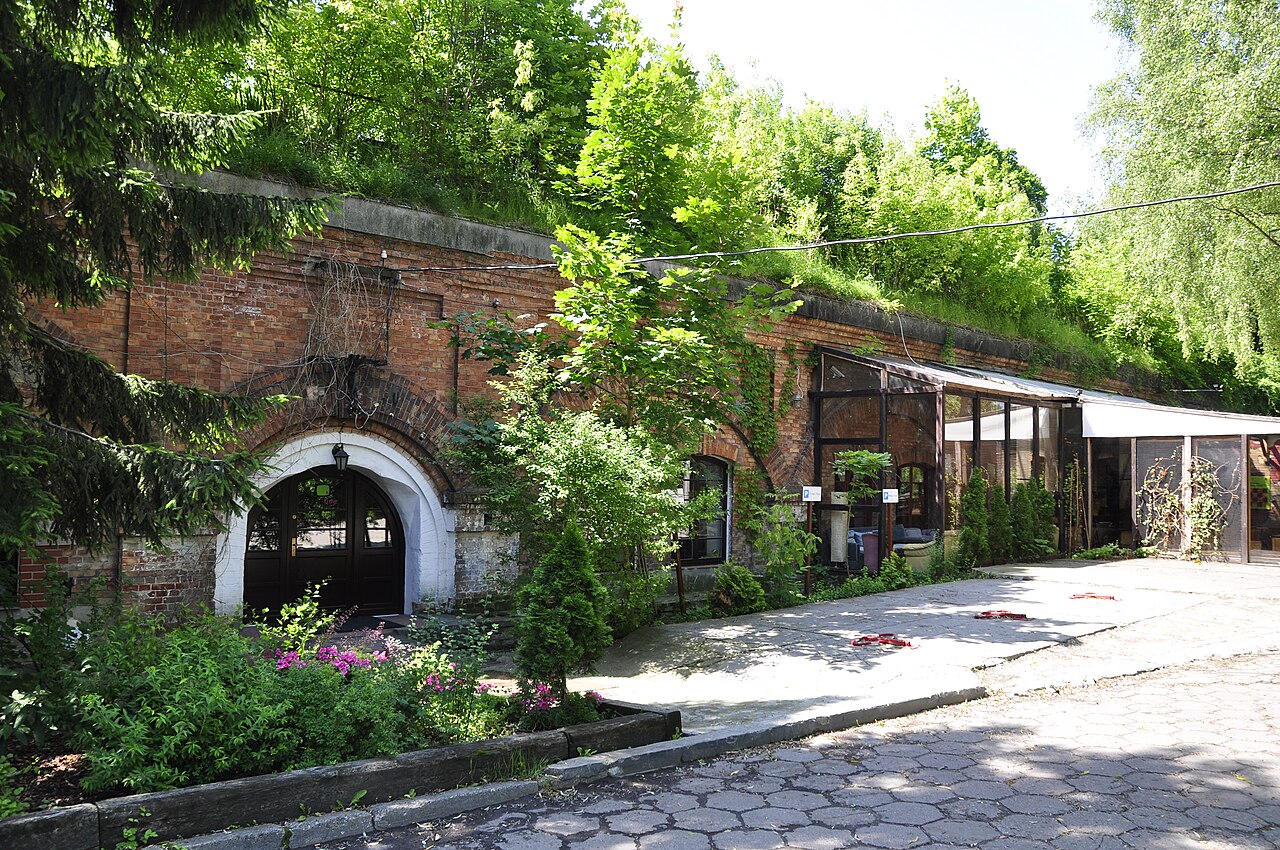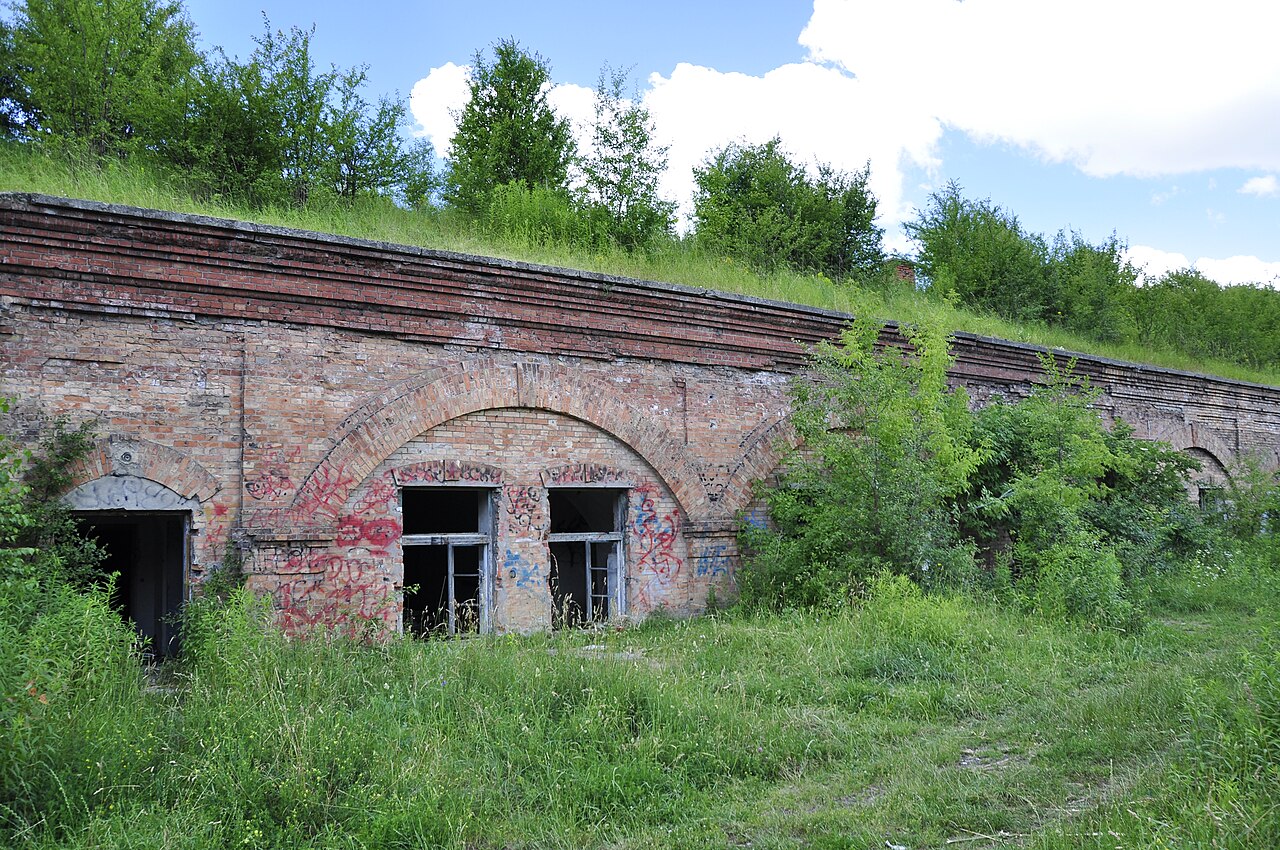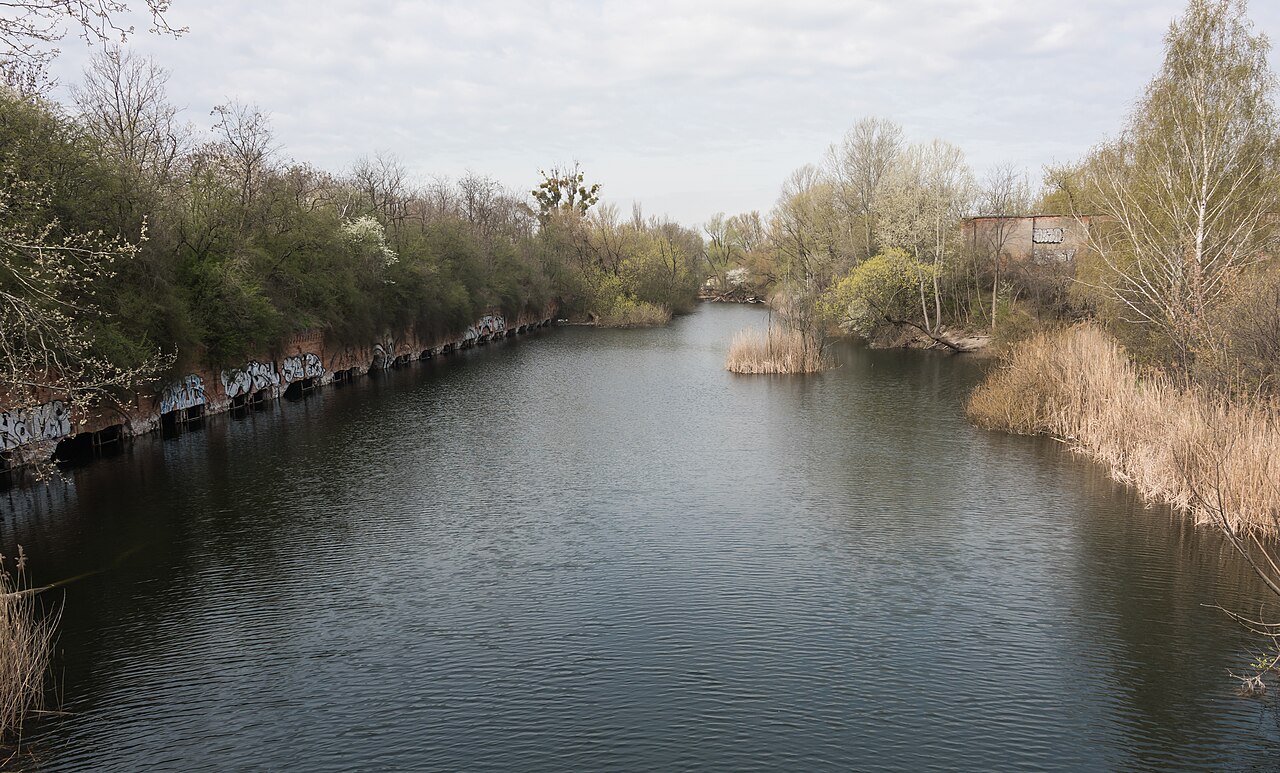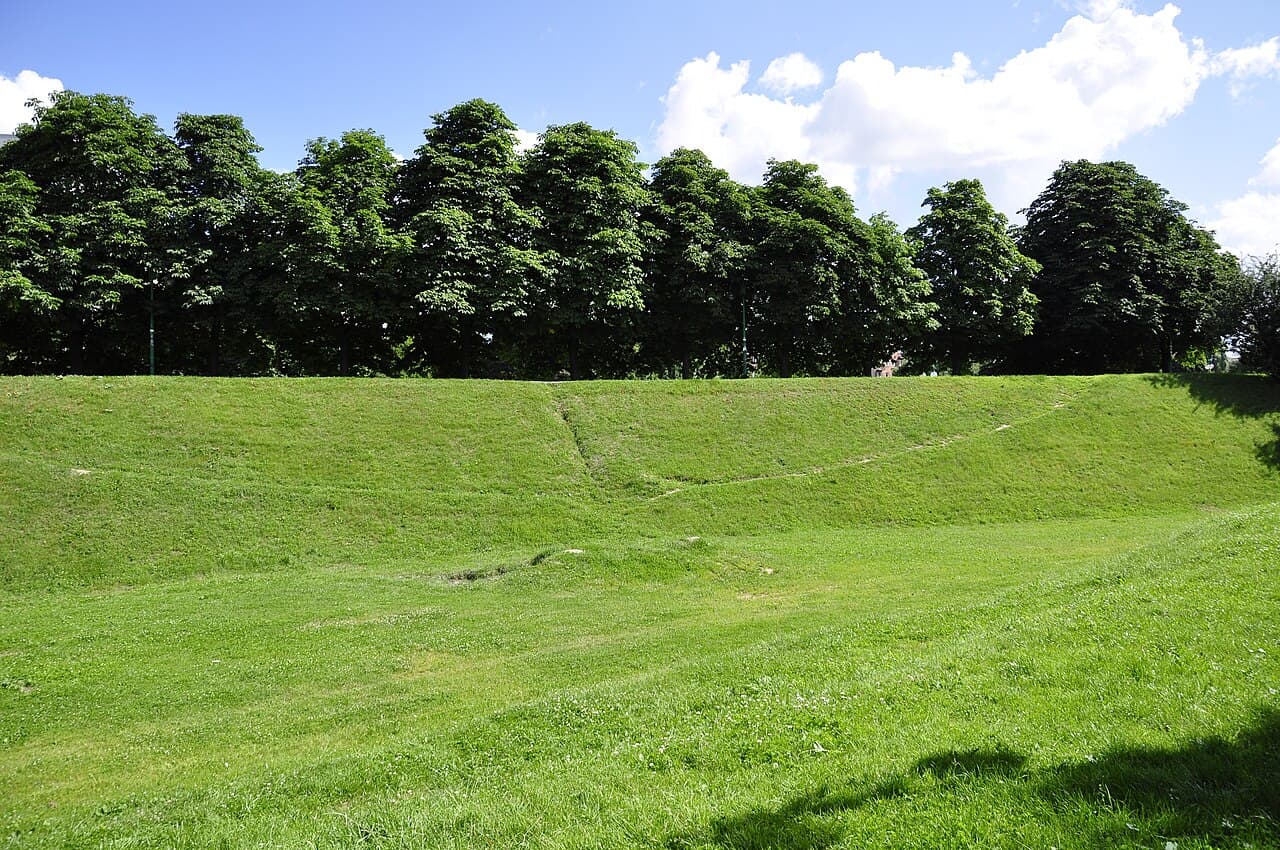
Fort Tscha-M is a notable example of a bastioned fortress located in Poland, reflecting the military architectural advancements of the 19th century. These fortifications were designed to withstand artillery fire and improve defensive capabilities through the use of angled bastions, which allowed defenders to cover all approaches with overlapping fields of fire.
Historical context and strategic importance
The development of bastioned fortresses like Fort Tscha-M was driven by the evolution of siege warfare and artillery technology in Europe during the 18th and 19th centuries. Poland, situated at a crossroads of various empires and conflicts, saw the construction of such fortifications to protect key strategic locations, including cities, borders, and transportation routes.
While specific historical records on Fort Tscha-M are limited, its classification as a bastioned fortress indicates it was part of a network of defensive works intended to secure territorial integrity and control over important military or administrative centers during periods of political instability.
Architectural features of Fort Tscha-M
The hallmark of a bastioned fortress is the presence of star-shaped bastions projecting from the main walls. These bastions allowed defenders to fire along the faces of adjacent walls, eliminating blind spots and enhancing defensive coverage. Fort Tscha-M likely includes:
- Thick masonry walls designed to absorb and deflect cannon fire.
- Angular bastions positioned at corners to provide overlapping fields of fire.
- Moats or ditches surrounding the fortress to impede attackers.
- Casemates and bombproof shelters for troops and ammunition storage.
- Gatehouses and drawbridges controlling access to the interior.
These features combined to create a robust defensive system tailored to the warfare technology of the time.
Construction period and style
Fort Tscha-M is associated with the post-medieval military architecture period, specifically the 19th century, when bastioned fortifications were widely adopted across Europe. The style focuses on functionality and defense, characterized by geometric precision and the integration of artillery considerations into the design.
Preservation and current condition
The current condition of Fort Tscha-M is not well documented, but bastioned fortresses in Poland often exist today as ruins or partially preserved sites. Some have been restored or adapted for cultural and educational purposes, while others remain archaeological sites revealing the military heritage of the region.
Significance in military architecture
Fort Tscha-M exemplifies the transition from medieval castle designs to modern fortifications shaped by gunpowder weaponry. Its bastioned layout reflects the shift towards star forts, which became a dominant form of military architecture from the Renaissance through the 19th century. Such fortresses represent an important chapter in the history of defensive structures, illustrating how architects and engineers responded to changing warfare technologies.
Frequently asked questions (FAQ)
- What is the historical significance of Fort Tscha-M?
- Fort Tscha-M is a remarkable example of 19th-century military architecture in Poland, serving as a strategic defensive structure during various conflicts. It played a crucial role in the region's history and reflects the military innovations of its time, attracting historians and architecture enthusiasts alike.
- When was Fort Tscha-M built?
- Construction of Fort Tscha-M began in the late 1800s and was completed in the early 1900s. The fort was designed to be part of a larger series of fortifications intended to protect the area from potential invasions.
- Can I visit Fort Tscha-M year-round?
- Yes, Fort Tscha-M is open to visitors year-round, although the best time to visit is during the spring and summer months when guided tours and outdoor activities are available. Be sure to check the official website for any seasonal events or temporary closures.
- What are the opening hours for Fort Tscha-M?
- Fort Tscha-M typically opens at 10 AM and closes at 6 PM during the peak season. Hours may vary during the off-season, so it's advisable to verify the current operating hours before your visit.
- Is it possible to take guided tours of Fort Tscha-M?
- Yes, guided tours are available and highly recommended for a comprehensive understanding of the fort's history and architecture. These tours often include access to areas that are not open to the general public, enhancing the visitor experience.
- What ticket prices can I expect for visiting Fort Tscha-M?
- Ticket prices for Fort Tscha-M are generally affordable, with discounts available for students and seniors. Children under a certain age may enter for free, making it a great family-friendly destination.
- Are there nearby attractions to visit after Fort Tscha-M?
- Yes, the area surrounding Fort Tscha-M is rich in historical and natural attractions. Visitors can explore nearby parks, museums, and other historic sites, making it easy to plan a full day of activities.
- How do I get to Fort Tscha-M?
- Fort Tscha-M is easily accessible by car and public transportation, with well-marked signs guiding visitors to the site. If you're traveling from larger cities, consider using local bus services or ride-sharing options for convenience.
- Is Fort Tscha-M accessible for individuals with disabilities?
- Fort Tscha-M strives to be accessible for all visitors, with facilities designed to accommodate individuals with disabilities. However, some areas may have limited access due to the fort's historical structure, so it's best to inquire ahead of your visit for specific accessibility information.
Photo gallery

Information
Loading map...
Visitor reviews
No reviews yet. Been here? Write the first review and help other travelers!
Write the first reviewVisited this castle? Share your experience
Your review helps other travelers and adds first-hand knowledge to our encyclopedia.