Fort St. George
Fort St. George, located in the coastal city of Chennai (formerly Madras), India, is a historically significant bastioned fortress that marked the beginning of British colonial presence in India. Constructed in 1639 by the English East India Company, it was the first English fortress established on the Indian subcontinent. This fortress played a pivotal role in the expansion of British influence and trade in the region, serving as a military stronghold and administrative center.<\/p>
Founding and strategic importance
The foundation of Fort St. George was initiated under the leadership of Francis Day, an agent of the English East India Company, who secured permission from the local rulers to build the fort on the Coromandel Coast. The site, originally a small fishing village, was strategically chosen for its coastal position, enabling control over maritime trade routes and providing a defensive bulwark against rival European powers and local adversaries. The fort's establishment in 1639 catalyzed the growth of the surrounding settlement, known historically as White Town, which eventually evolved into the city of Madras and later Chennai.
Architectural features and design
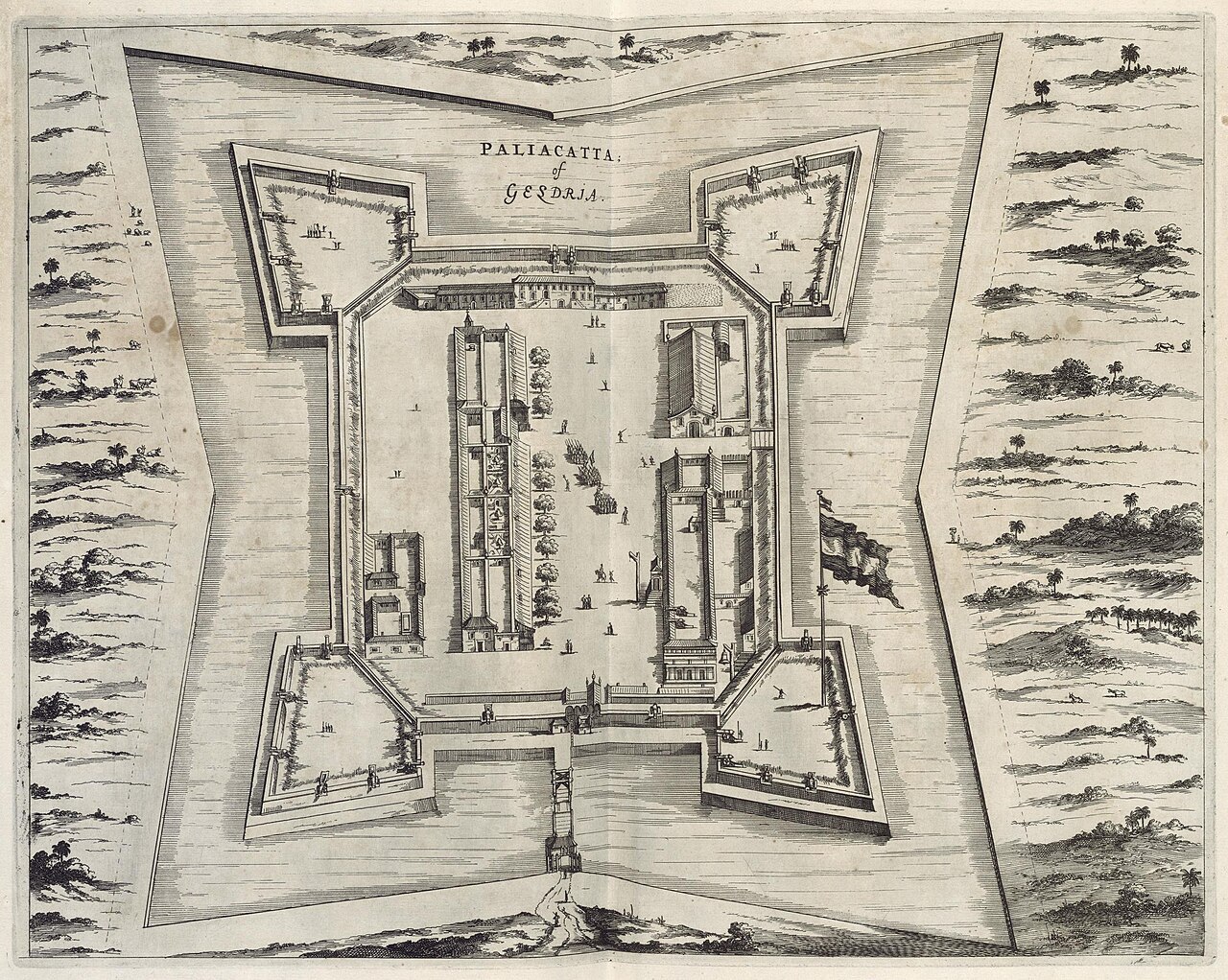
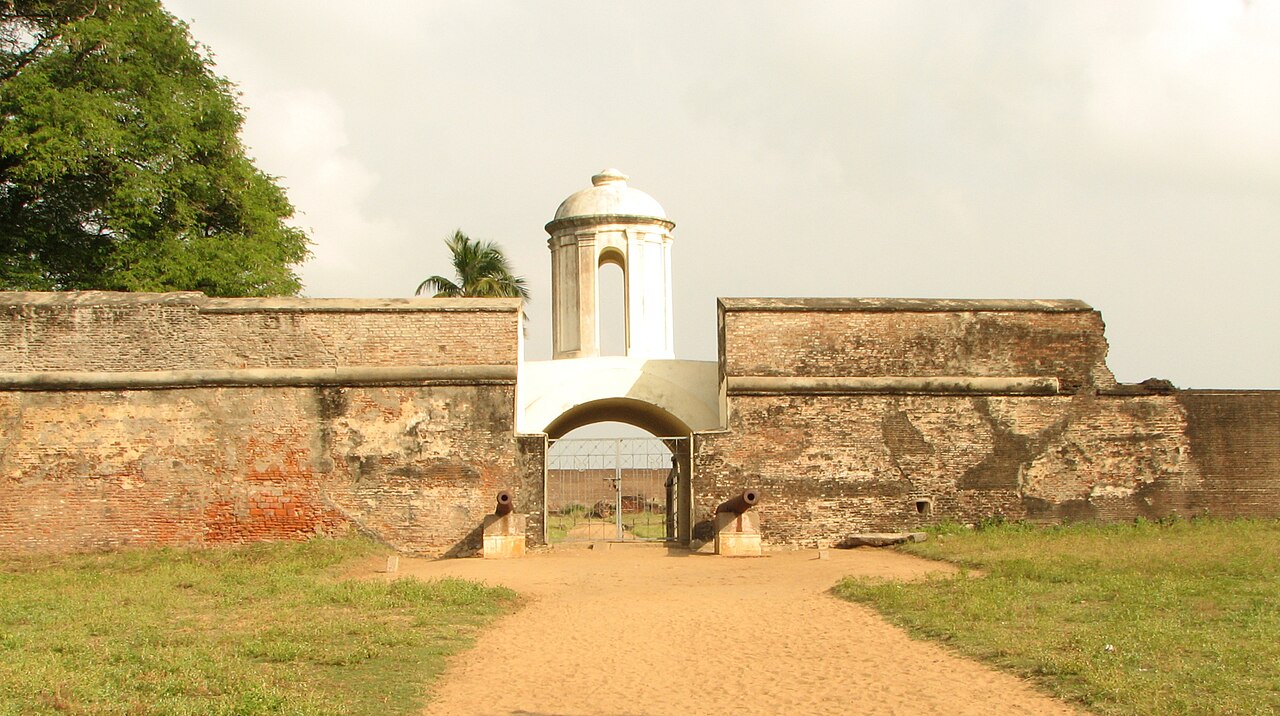
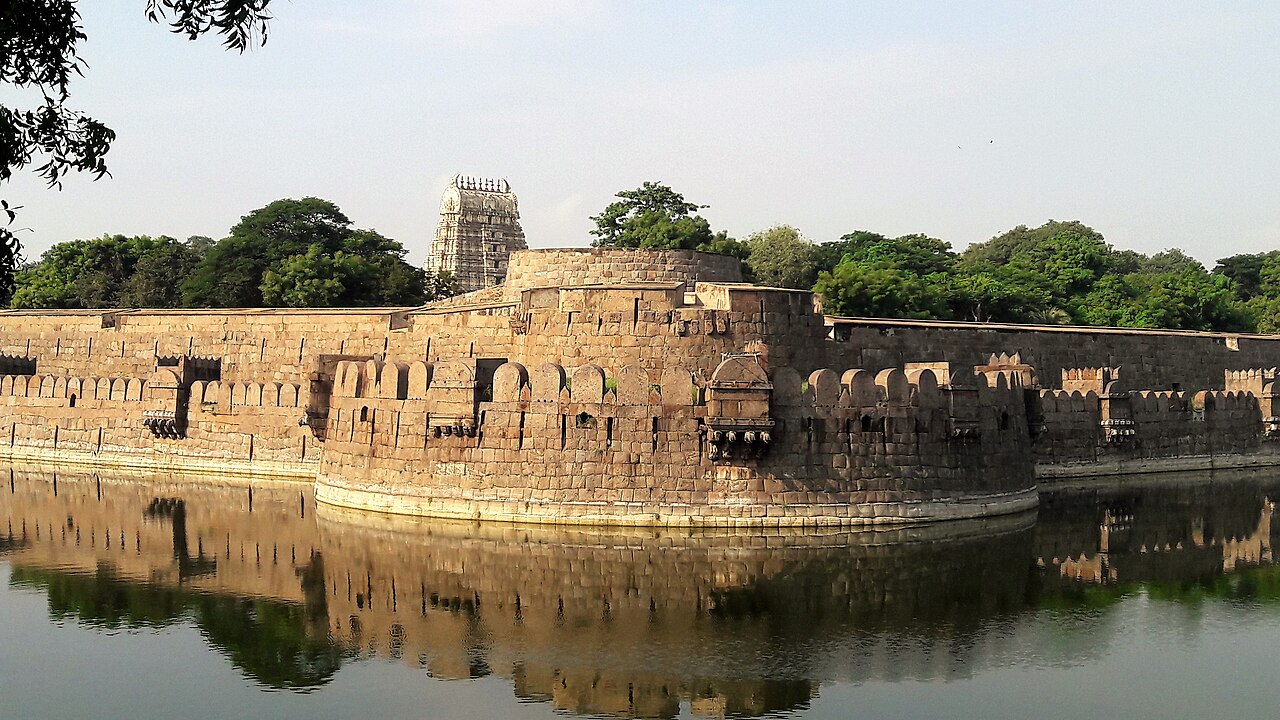
Fort St. George exemplifies the bastioned fortress style typical of the Renaissance period, incorporating European military architectural principles adapted to the Indian context. The fort's layout is characterized by thick, high walls constructed from granite and brick, designed to withstand artillery fire. It features bastions at the corners, allowing defenders to cover all approaches with cannon fire. The fortress includes a moat, gates, ramparts, and internal buildings such as barracks, warehouses, a church, and administrative offices.
One of the fort's notable structures is the St. Mary's Church, built within the fort complex in 1680. It is the oldest Anglican church in India and serves as a significant religious and architectural landmark. The church's design reflects early colonial ecclesiastical architecture, with simple yet sturdy construction suited to the tropical climate.
Historical role and evolution
Throughout the 17th and 18th centuries, Fort St. George functioned as the administrative headquarters of the English East India Company in the region. It was the site of military engagements and served as a base for expanding British territorial control in South India. The fort also played a role in conflicts with the Dutch, French, and local powers, reflecting the competitive colonial environment of the period.
As the city of Madras grew around it, the fort became the nucleus of British political and commercial activity. By the 19th century, the fort housed government offices, military barracks, and served as the seat of the Madras Presidency. Its strategic and administrative functions continued well into the British Raj era.
Modern use and preservation
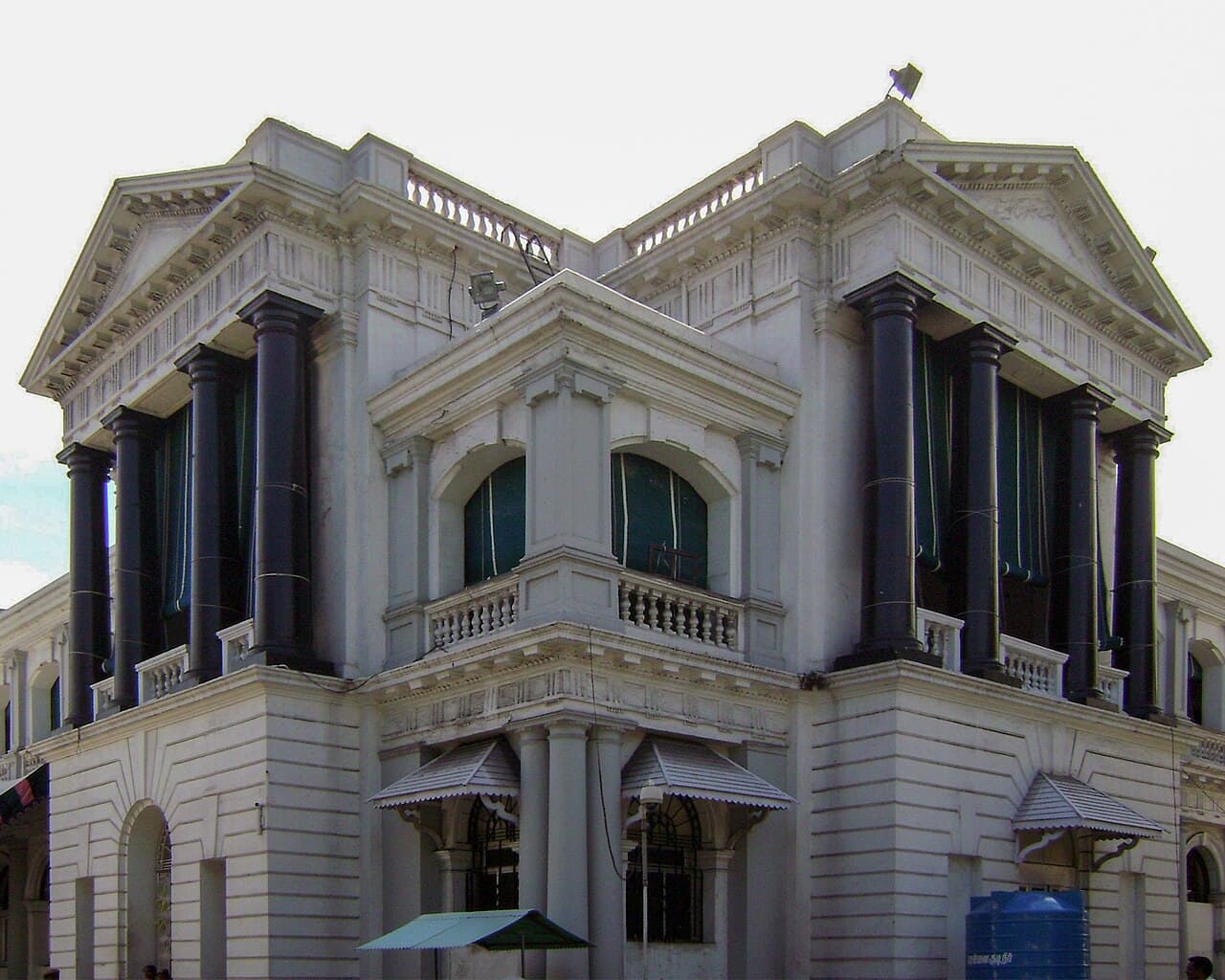
Today, Fort St. George remains a prominent landmark in Chennai. It houses the Tamil Nadu legislative assembly and several government offices, maintaining its role as a center of administration. The fort is also a popular tourist attraction, featuring a museum that displays artifacts related to the British colonial period, military history, and the fort's construction and evolution.
Efforts have been made to preserve the fort's architectural integrity, balancing its historical significance with contemporary administrative use. The site represents a tangible link to the early colonial history of India and the origins of modern Chennai.
Cultural and historical significance
Fort St. George is recognized as a symbol of the British colonial legacy in India. Its establishment marked the beginning of a new era in Indian history, influencing the political, economic, and cultural development of the region. The fort's architecture reflects the adaptation of European military design to Indian conditions, while its continued use underscores its enduring importance.
The fort's presence contributed to the transformation of a modest coastal village into one of India's major metropolitan centers. It remains an essential site for understanding the complex interactions between European colonial powers and Indian society during the early modern period.
Frequently asked questions (FAQ)
- What is the historical significance of Fort St. George?
- Fort St. George, built in 1644, is the first British fortress in India and marks the foundation of Chennai. It played a crucial role in the British colonization of India and is now a symbol of the city’s rich colonial history.
- When was Fort St. George constructed?
- Fort St. George was constructed in 1644 by the British East India Company. It served as a military fortification and administrative headquarters, marking the beginning of British influence in South India.
- What are the opening hours of Fort St. George?
- Fort St. George is typically open to visitors from 9:00 AM to 5:30 PM, Monday through Saturday. It is advisable to check for any changes in hours or special closures before your visit.
- Can I visit Fort St. George on weekends?
- Yes, Fort St. George is open for visitors on weekends. However, it's a good idea to arrive early, as weekends can attract larger crowds.
- Is it possible to access Fort St. George with a wheelchair?
- Fort St. George has limited accessibility for wheelchair users due to its historical architecture and uneven surfaces. It is recommended to check in advance for any assistance or accommodations available for visitors with mobility challenges.
- What are the ticket prices for visiting Fort St. George?
- The entry fee for Fort St. George is generally modest, with a nominal charge for Indian citizens and a slightly higher fee for foreign tourists. Children under a certain age may enter for free, so it’s best to confirm current rates before your visit.
- When is the best time to visit Fort St. George?
- The best time to visit Fort St. George is during the winter months from November to February when the weather is more pleasant and comfortable for exploration. Avoid the monsoon season, as heavy rains can disrupt your visit.
- What nearby attractions can I explore after visiting Fort St. George?
- After visiting Fort St. George, you can explore the nearby St. Mary's Church, the Fort Museum, and the Marina Beach. These attractions offer a deeper insight into the colonial history and culture of Chennai.
- How do I get to Fort St. George from the city center?
- Fort St. George is easily accessible from the city center by public transport, including buses and auto-rickshaws. Alternatively, you can use taxi services or ride-sharing apps for a more convenient journey.
Photo gallery

Photo by L.vivian.richard at English Wikipedia•Public domain
Information
Current owner
Government of Tamil Nadu
Loading map...
Visitor reviews
No reviews yet. Been here? Write the first review and help other travelers!
Write the first reviewVisited this castle? Share your experience
Your review helps other travelers and adds first-hand knowledge to our encyclopedia.