Fort Sadras
Fort Sadras is a significant example of an 18th-century bastioned fortress located on the southeastern coast of India. Constructed during the post-Renaissance period, it reflects the military architectural principles that evolved following the widespread use of gunpowder and cannon warfare. Fort Sadras was strategically positioned to guard the Coromandel Coast, serving both as a defensive stronghold and a trading post.
Historical context and strategic importance
Built by the Dutch East India Company in the early 1700s, Fort Sadras was part of the network of European colonial fortifications established along the Indian coastline. The fort's location near the Bay of Bengal allowed it to control maritime trade routes and protect Dutch commercial interests in the region. It was a key site during the colonial competition among European powers, including the Dutch, Portuguese, French, and British.
The fort witnessed various conflicts and changes in control, reflecting the turbulent colonial history of southern India. Its construction coincided with the rise of bastioned fortifications, which were designed to withstand artillery bombardment and provide overlapping fields of fire.
Architectural features and design
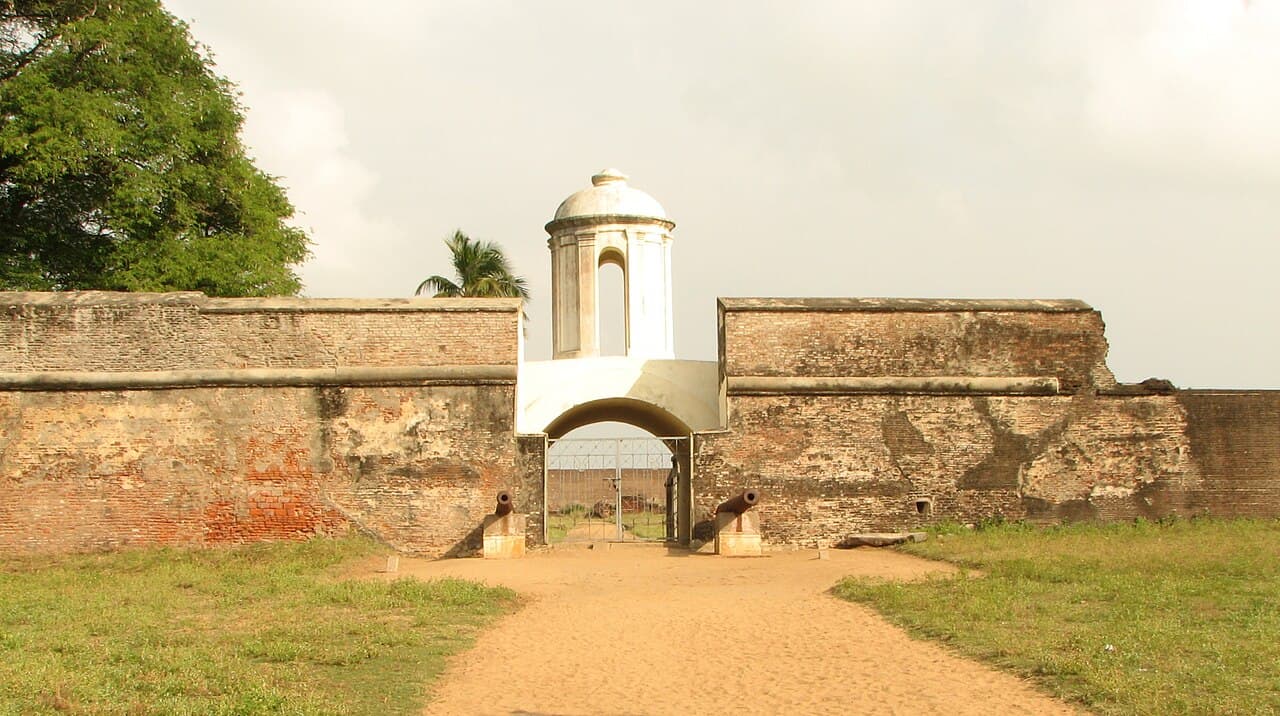
Fort Sadras exemplifies the bastioned fortress typology, characterized by angular bastions at the corners of the curtain walls. These bastions allowed defenders to cover adjacent walls with cannon and musket fire, eliminating blind spots. The fort's walls are thick and robust, constructed from local granite and brick, materials chosen for their durability against cannon fire and tropical weather.
The fortress is roughly rectangular, with four prominent bastions named after Dutch figures or symbolic references. The walls are punctuated by embrasures and gun ports, enabling effective artillery deployment. A moat originally surrounded the fort, enhancing its defensive capabilities by deterring direct assaults on the walls.
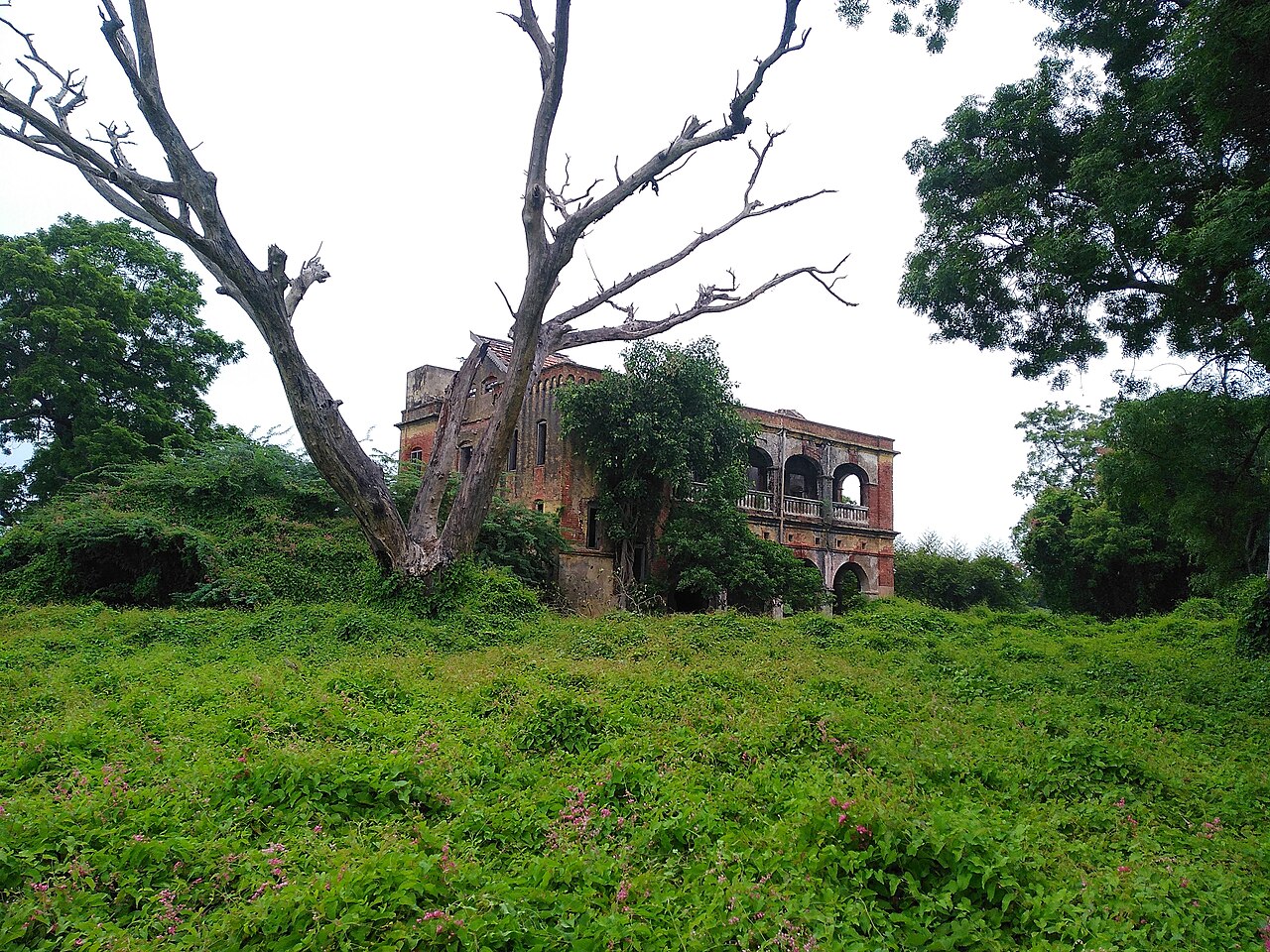
Within the fort, there are remains of barracks, a magazine for storing gunpowder, and administrative buildings. The layout reflects practical military needs, with a central courtyard facilitating movement and communication among troops.
Coastal defenses and maritime role
Given its coastal position, Fort Sadras was equipped to defend against naval attacks. The bastions facing the sea were designed to mount heavy cannons capable of firing at approaching ships. The fort's harbor facilities supported Dutch ships engaged in trade and military operations.
Preservation and current condition
Today, Fort Sadras is partially preserved, with many of its bastions and walls still standing, though some sections have deteriorated due to weathering and neglect. The fort is recognized for its cultural and historical significance, attracting visitors interested in colonial history and military architecture.
Conservation efforts have been initiated to stabilize the structure and promote it as a heritage site. The fort's location near the modern town of Sadras makes it accessible for tourists and scholars alike.
Cultural significance and tourism
Fort Sadras serves as a tangible link to the colonial past of southern India and the maritime trade networks that shaped the region's history. Its bastioned design illustrates the adaptation of European military architecture to Indian coastal conditions.
Visitors to the fort can explore the ramparts, bastions, and remnants of the internal buildings, gaining insight into 18th-century fortification techniques and colonial life. The site also offers scenic views of the Bay of Bengal, enhancing its appeal as a cultural and historical destination.
Frequently asked questions (FAQ)
- What is the historical significance of Fort Sadras?
- Fort Sadras, built in the 17th century by the Dutch, served as an important coastal fortification during the colonial era. It played a crucial role in trade and military operations in the region, reflecting the strategic importance of the area during European conflicts in India.
- When was Fort Sadras constructed?
- Construction of Fort Sadras began in 1664 and was completed in 1670. It was part of the Dutch East India Company's efforts to establish a stronghold along the Indian coast to protect their trading interests.
- Can I visit Fort Sadras?
- Yes, Fort Sadras is open to visitors, providing a glimpse into its rich history and architectural features. Visitors can explore the fort's ruins and enjoy the scenic views of the coastline.
- What are the opening hours for Fort Sadras?
- Fort Sadras is typically open from 9 AM to 5 PM, allowing ample time for exploration. It is advisable to check for any specific holiday hours or changes in schedule before your visit.
- Is Fort Sadras accessible for all visitors?
- The fort is situated near the coastline, and while most areas are accessible, some parts may involve walking on uneven terrain. Visitors with mobility challenges should plan accordingly and may wish to contact local guides for assistance.
- What is the best time to visit Fort Sadras?
- The best time to visit Fort Sadras is between November and February when the weather is cooler and more pleasant for exploration. Avoiding the monsoon season will also enhance your experience, as heavy rains can hinder access.
- Are there any nearby attractions to Fort Sadras?
- Yes, nearby attractions include the serene beaches of Sadras and the historical town of Mahabalipuram, known for its rock-cut temples and UNESCO World Heritage sites. These locations offer additional cultural experiences and scenic beauty.
- What are the ticket prices for visiting Fort Sadras?
- There is typically a nominal entry fee to visit Fort Sadras, which helps with the maintenance of the site. It is recommended to check local resources or official websites for the most current ticket pricing before your visit.
Photo gallery

Information
Loading map...
Visitor reviews
No reviews yet. Been here? Write the first review and help other travelers!
Write the first reviewVisited this castle? Share your experience
Your review helps other travelers and adds first-hand knowledge to our encyclopedia.