Fort St. Elmo
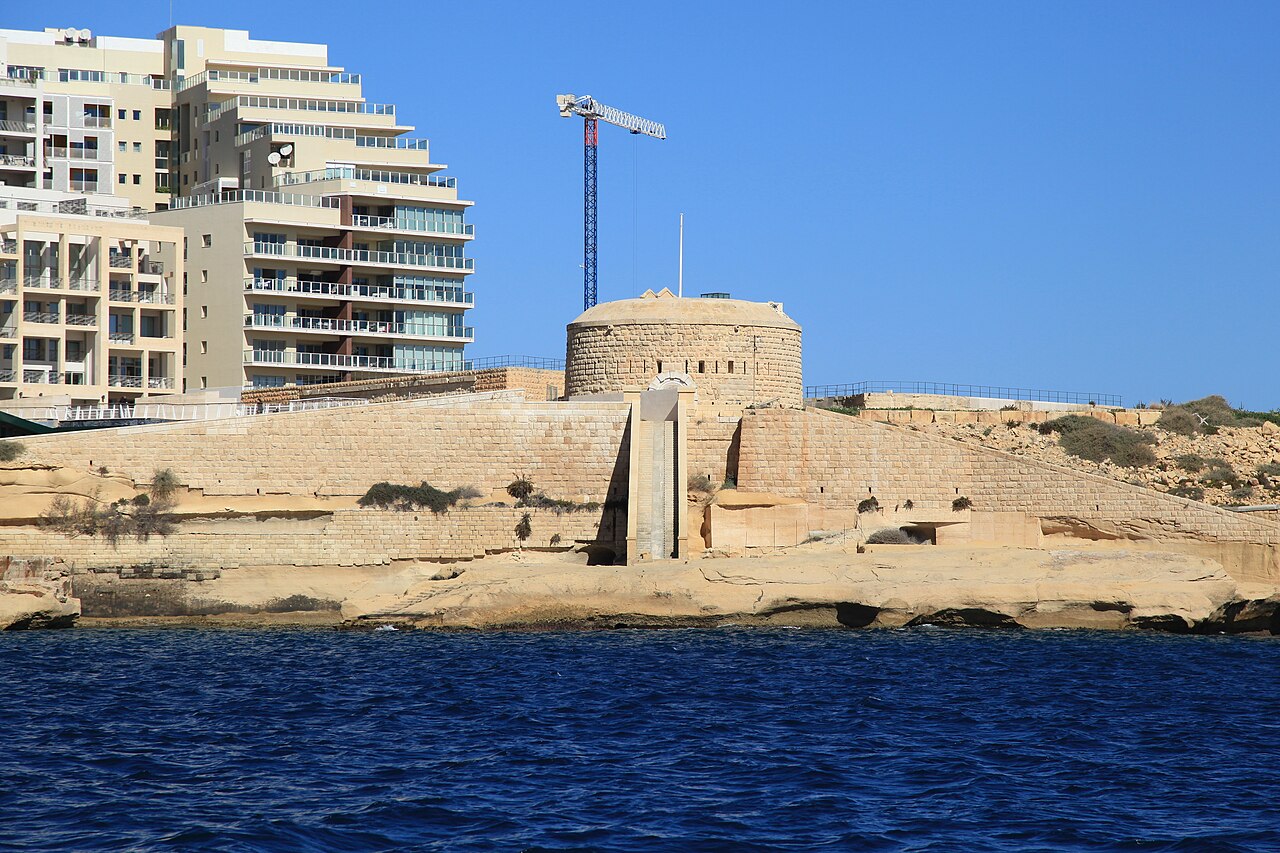
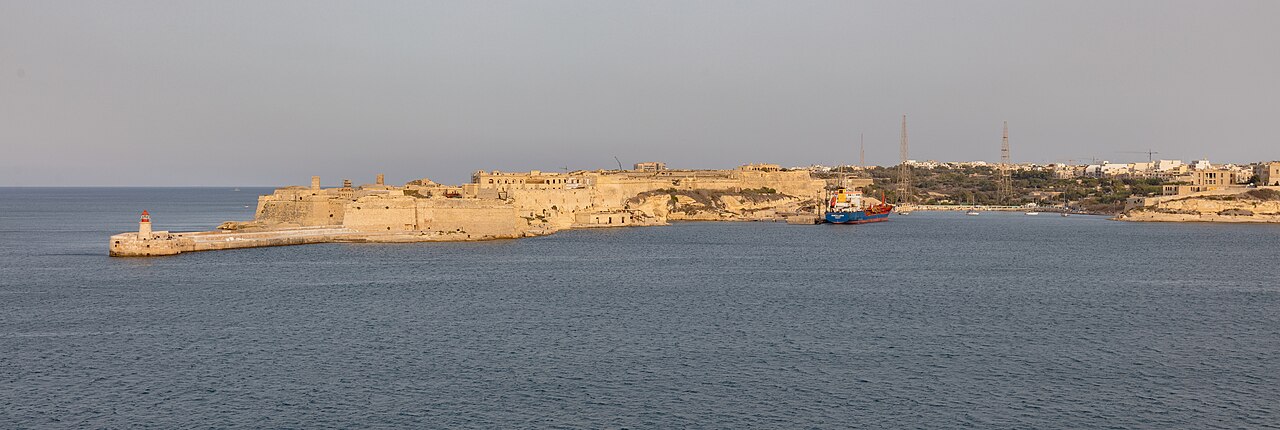
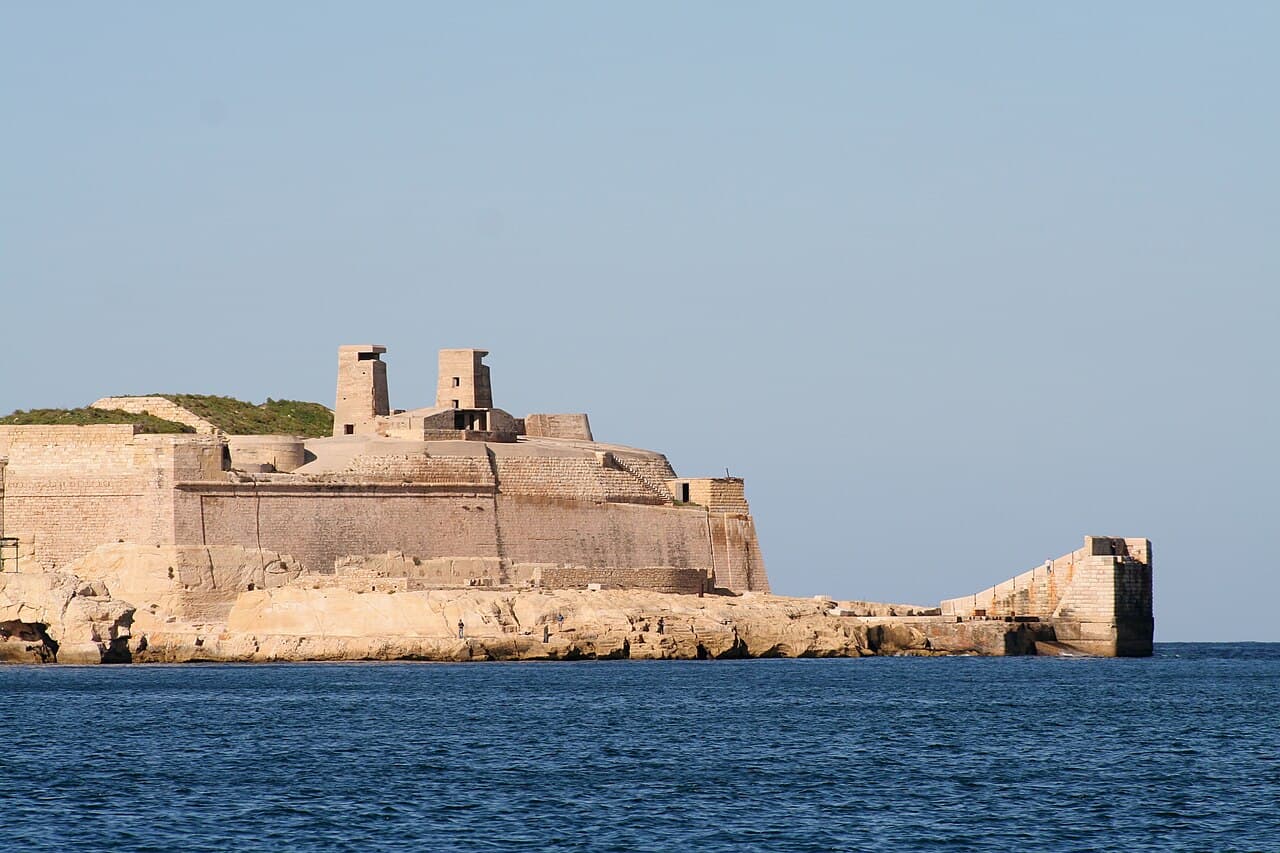
Fort Saint Elmo stands as a formidable Renaissance star fort commanding the entrances to both of Malta's principal harbours, Marsamxett and the Grand Harbour, alongside Fort Tigné and Fort Ricasoli. Its strategic location on the tip of the Sciberras Peninsula has made it a critical military bastion since medieval times, playing a pivotal role in the defense of Malta throughout centuries of conflict. The fort is most renowned for its heroic defense during the Great Siege of Malta in 1565, a defining moment in Maltese and Mediterranean history.
Early fortifications and origins
By 1417, the local Maltese militia had already established a permanent watch post at the site now occupied by Fort Saint Elmo, recognizing the importance of controlling access to the harbours. In 1488, the Aragonese rulers constructed a watchtower on Saint Elmo Point, dedicating it to Saint Erasmus of Formia, popularly known as Saint Elmo, the patron saint of sailors. This tower served as an early coastal defense and lookout point.
In 1533, the Order of Saint John took control of Malta and reinforced the existing watchtower, acknowledging its strategic value amid increasing Ottoman naval threats. However, the vulnerability of the position was exposed during the Ottoman raid of 1551, when the Turkish fleet sailed unopposed into Marsamxett Harbour, demonstrating the need for a more substantial fortification.
Construction of the star fort
In response to the 1551 raid, the decision was made to demolish the old tower and build a modern fortification. Construction of the new fort began in 1552, designed by a team of four Italian architects. The design adopted the star fort layout, a cutting-edge military architectural style of the Renaissance period, characterized by angled bastions and low, thick walls optimized to resist cannon fire.
The fort included a cavalier—a raised gun platform providing overlapping fields of fire—a covertway for protected infantry movement, and a tenaille to defend the curtain walls. In the months leading up to the siege of 1565, a ravelin was hastily constructed to strengthen the fort's outer defenses. These features made Fort Saint Elmo a formidable obstacle to any naval or land assault.
The great siege of malta, 1565
The Great Siege of Malta was a monumental conflict in which the Ottoman Empire launched a massive invasion to capture the island. Fort Saint Elmo was the focal point of some of the fiercest fighting during the siege. Despite relentless bombardment from Ottoman artillery positioned on the nearby Mount Sciberras and from batteries across Marsamxett Harbour, the fort's defenders held out for 28 days.
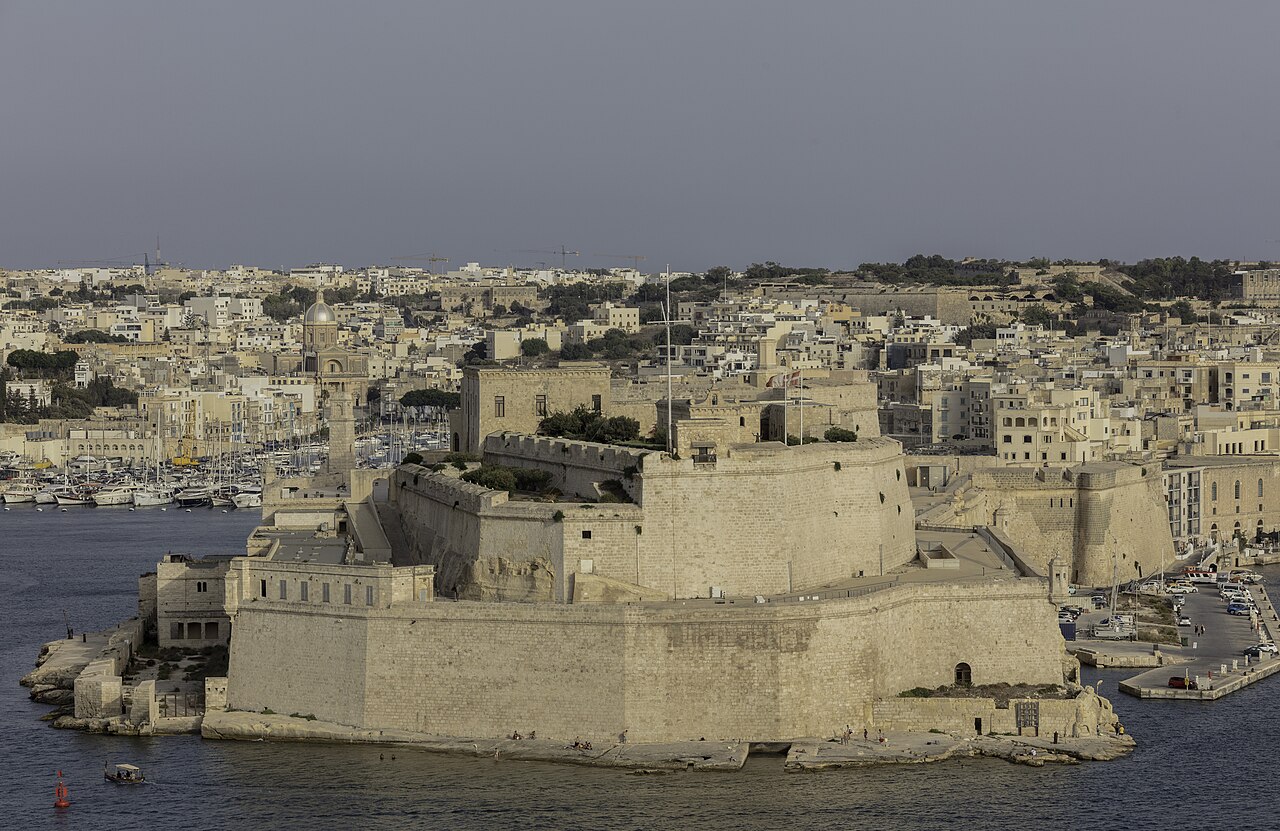
Ultimately, the fort fell on 23 June 1565, but the defenders' sacrifice was crucial. None of the knights defending the fort survived, and only nine Maltese defenders escaped by swimming to Fort St. Angelo across the Grand Harbour. The prolonged defense bought valuable time for the preparation of Malta's other fortifications and the arrival of Spanish reinforcements, which turned the tide against the Ottomans.
Post-siege reconstruction and modifications
Following the siege, Grandmaster Jean Parisot de Valette ordered the construction of a new fortified city on the peninsula, later named Valletta. The ruined Fort Saint Elmo was rebuilt and incorporated into the city's defensive walls. The fort underwent several modifications in the 17th century to enhance its defenses.
In 1614, the Vendôme Bastion was constructed, and in 1687, the Carafa Enceinte was built around the fort's foreshore, enclosing it with additional defensive works. The fort was linked directly to the cavalier, and part of the ditch was filled in, burying some original ramparts. In the 18th century, new storage facilities known as the Pinto Stores were built between the main fort and the Carafa Enceinte, forming what is known as Lower Saint Elmo.
Historical events and later military use
On 8 September 1775, Fort Saint Elmo was briefly captured during the Revolt of the Priests, when a group of rebel priests raised the banner of Saint Paul over the fort. The Order quickly recaptured the fort, and the rebellion was suppressed. The heads of executed rebels were displayed on nearby fortifications as a warning until Grandmaster Emmanuel de Rohan-Polduc removed them later that year.
During the British period in the 19th century, the fort was further modified, including the addition of a musketry parapet. In 1855, the polverista at Vendôme Bastion was converted into an armoury, and additional works were carried out in the 1870s on Abercrombie's Bastion.
In 1917, Fort Saint Elmo was notable as the site of the first heart operation performed on a soldier, marking a significant medical milestone. During World War II, the fort played a defensive role when Italian forces launched a seaborne attack on the Grand Harbour in 1941. The coastal artillery at Saint Elmo successfully engaged the attackers, preventing a major breach. The fort sustained damage from wartime bombing, scars of which remain visible today.
Modern era and restoration
The military presence at Fort Saint Elmo ended in 1972 when the Royal Malta Artillery left the site. Parts of the fort fell into disuse until restoration efforts began, culminating in significant works completed in 2015. Since 1975, Fort Saint Elmo has housed the National War Museum, displaying military artifacts from World War I and II, preserving the fort's rich martial heritage for visitors and scholars.
Today, Fort Saint Elmo stands as a well-preserved Renaissance fortress and a testament to Malta's strategic importance in Mediterranean history. Its star-shaped bastions, extensive defensive works, and layered history attract historians, architects, and tourists alike, offering insights into military architecture and the island's turbulent past.
Frequently asked questions (FAQ)
- How do I get to Fort St. Elmo?
- Fort St. Elmo is located in Valletta, Malta, and can be easily accessed by public transport or by walking from various points in the city. The nearest bus stop is a short walk away, and the fort is well-signposted throughout Valletta. Taxis and rideshare services are also readily available for convenience.
- What is the historical significance of Fort St. Elmo?
- Fort St. Elmo is a key historical site that dates back to the 16th century and played a crucial role during the Great Siege of Malta in 1565. It served as a military outpost and a defensive fortification for the Knights of St. John. The fort is a testament to Malta's rich military history and architectural heritage.
- When was Fort St. Elmo built?
- Construction of Fort St. Elmo began in 1552 and was completed in 1571. The fort was designed by the Knights of St. John to protect the Grand Harbour and the city of Valletta from potential invasions. Over the centuries, it has undergone various modifications and restorations to preserve its historical integrity.
- Can I visit Fort St. Elmo year-round?
- Yes, Fort St. Elmo is open to visitors year-round, although opening hours may vary depending on the season. It is advisable to check the official website for the most current visiting times and any special events that may be taking place. This ensures you have the best experience during your visit.
- Why is Fort St. Elmo considered an architectural marvel?
- Fort St. Elmo is renowned for its star-shaped design, which was innovative for its time and enhances its defensive capabilities. The fort showcases a blend of Renaissance and Baroque architectural styles, with impressive bastions and robust walls. Its design not only served military purposes but also reflects the artistic vision of the Knights of St. John.
- Is it possible to explore the interior of Fort St. Elmo?
- Yes, visitors can explore the interior of Fort St. Elmo, which includes various exhibitions and displays that highlight its military history and significance. Guided tours are also available to provide deeper insights into the fort's architecture and historical context. This immersive experience allows guests to appreciate the fort's storied past.
- What are the ticket prices for Fort St. Elmo?
- Tickets to Fort St. Elmo are reasonably priced, with discounts available for students, seniors, and children. Family tickets are also offered for a more economical option for groups. It is advisable to purchase tickets online in advance to avoid long queues during peak tourist seasons.
- What is the best time to visit Fort St. Elmo?
- The best time to visit Fort St. Elmo is during the spring and fall months when the weather is mild and pleasant for outdoor exploration. Additionally, visiting during weekdays can help you avoid larger crowds typically found on weekends. This allows for a more enjoyable and leisurely experience while discovering the fort's rich history.
- Are there any nearby attractions to Fort St. Elmo?
- Yes, Fort St. Elmo is conveniently located near several other attractions in Valletta, including the National War Museum and the beautiful Upper Barracca Gardens. The UNESCO World Heritage-listed city also offers stunning views of the Grand Harbour and numerous historic buildings. Exploring these nearby sites can enhance your visit to Fort St. Elmo.
Photo gallery

Loading map...
Visitor reviews
No reviews yet. Been here? Write the first review and help other travelers!
Write the first reviewVisited this castle? Share your experience
Your review helps other travelers and adds first-hand knowledge to our encyclopedia.