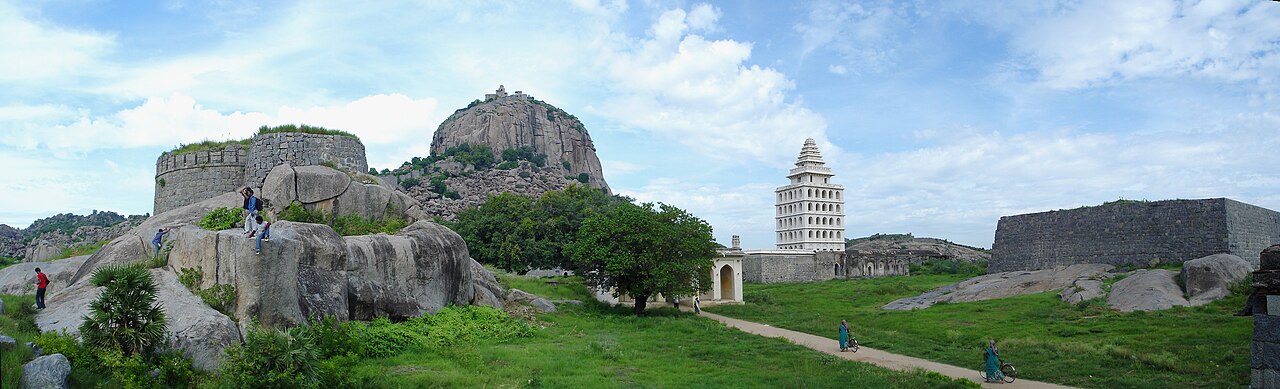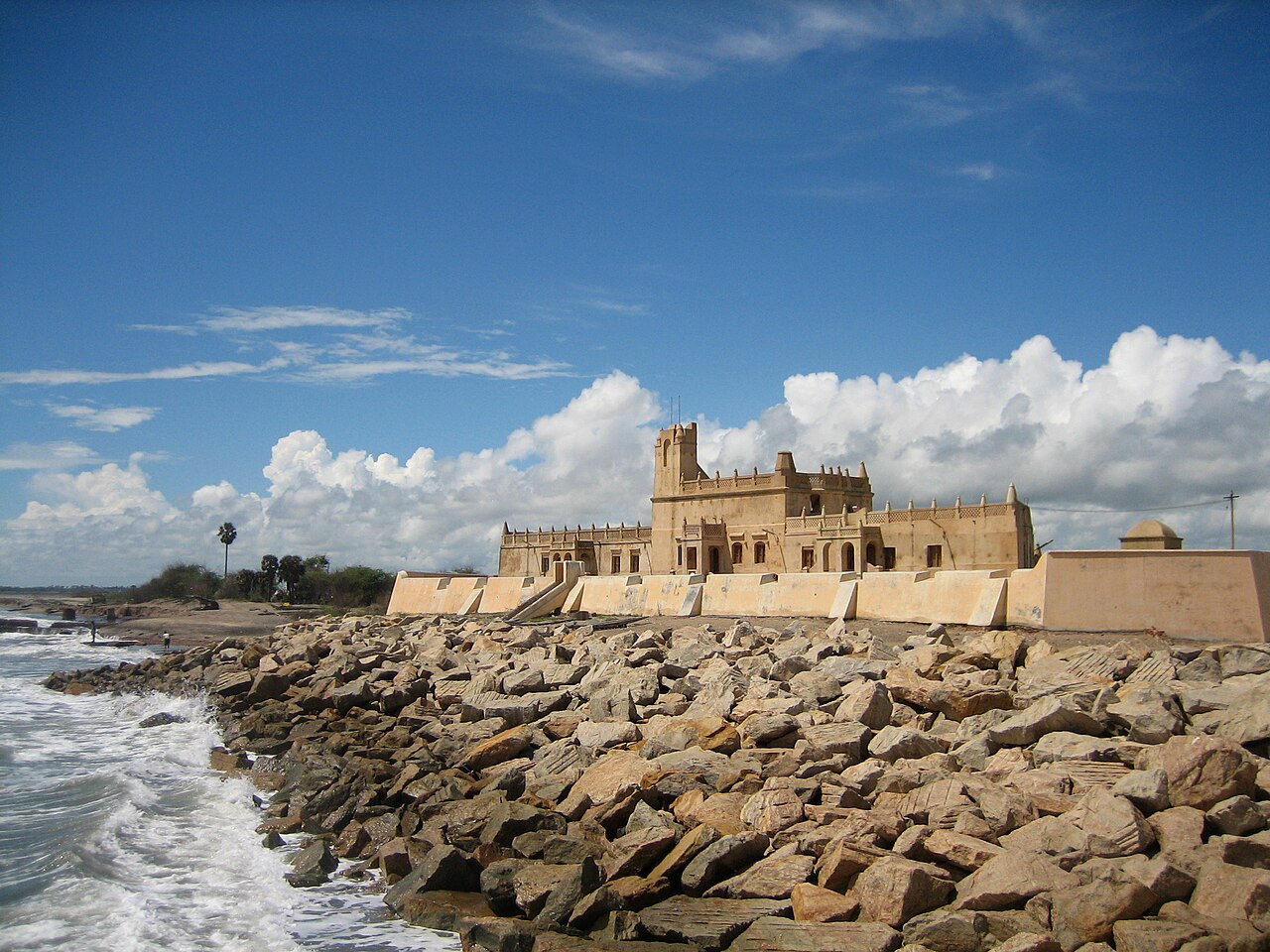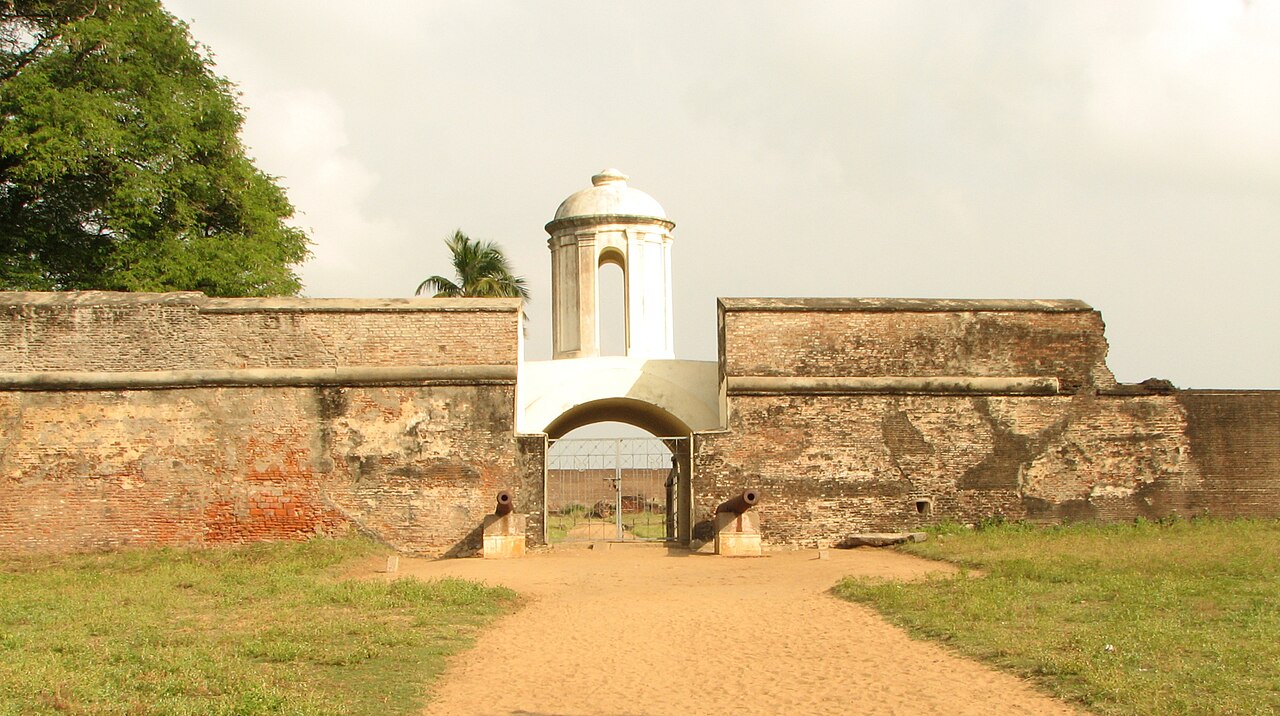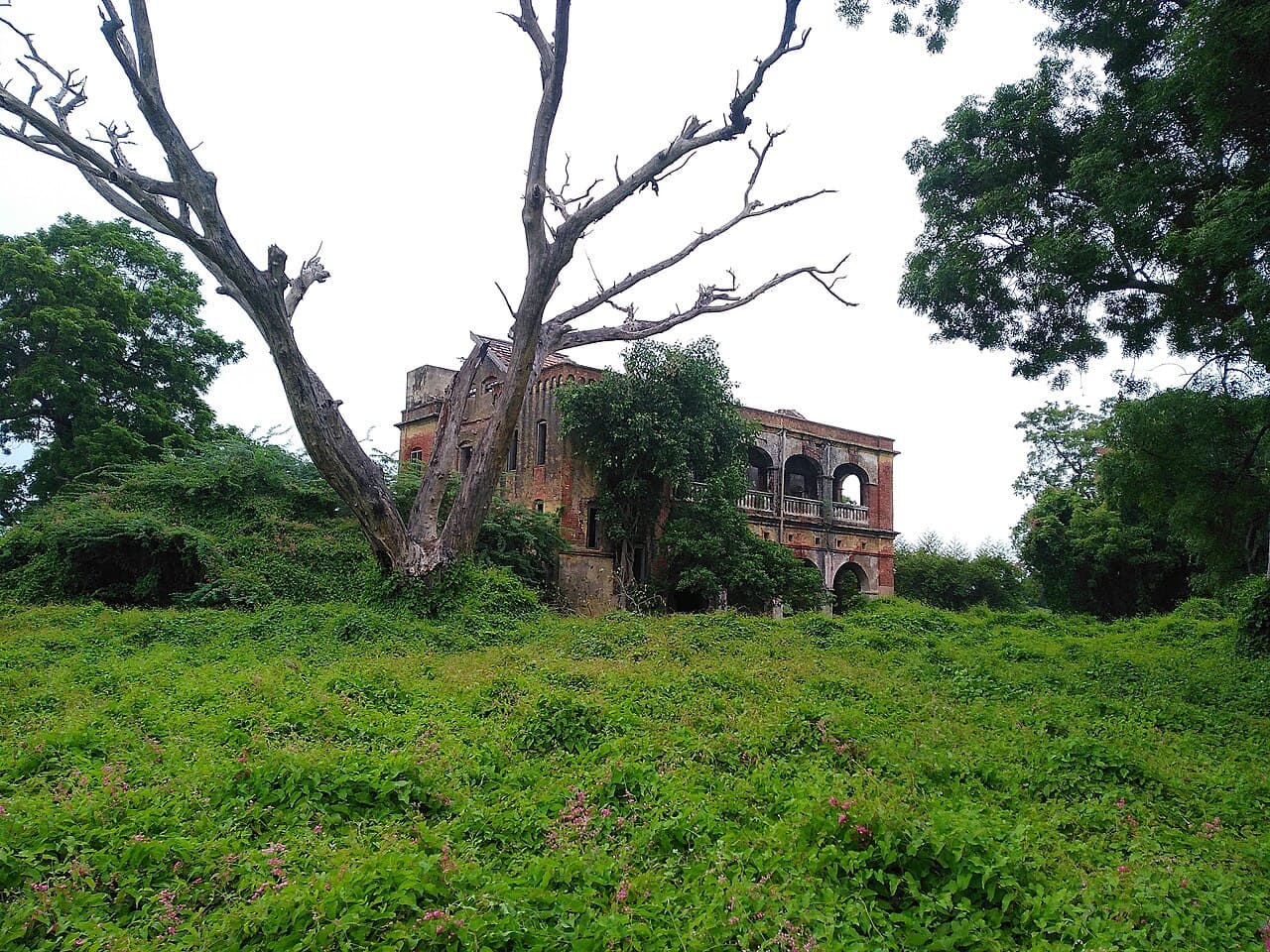
Fort St David stands as a significant historical site on the Coromandel Coast of India, near the town of Cuddalore, approximately a hundred miles south of Chennai. This British colonial fort played a crucial role during the 17th and 18th centuries in the struggle for control over southern India between European powers, particularly the British and the French. Though now in a state of ruins, the fort's remnants offer insight into colonial military architecture and the geopolitical dynamics of that era.
Historical background and strategic importance
Constructed initially by the British East India Company in the late 17th century, Fort St David was named after Saint David, the patron saint of Wales, reflecting the influence of Elihu Yale, the then governor of Madras and a Welshman. The fort was established as a defensive outpost to secure British interests along the Coromandel Coast and to serve as a counterbalance to the French stronghold at Pondicherry, located nearby.
Throughout the 18th century, the fort was a focal point during the Anglo-French conflicts in India, particularly during the Carnatic Wars. It changed hands multiple times between the British and French forces, underscoring its strategic importance. The fort's location near the coast allowed control over maritime routes and protection of trade interests.
Architectural features and layout
Though now largely in ruins, Fort St David was originally a well-fortified structure featuring typical elements of European military architecture adapted to the Indian context. The fort included bastioned walls designed to withstand artillery attacks, moats for added defense, and ramparts for the deployment of cannons. The layout was compact, with barracks, storehouses, and administrative buildings arranged within the walls.
The fort's design reflected the star fort principles prevalent in European fortifications of the time, emphasizing angled bastions to eliminate blind spots and maximize defensive coverage. The use of locally sourced materials combined with European construction techniques illustrates the colonial adaptation to the environment.
Decline and current condition
Following the consolidation of British power in India and the decline of French influence, Fort St David lost its military significance by the late 18th century. The fort was eventually abandoned and fell into disrepair. Today, it remains as archaeological ruins with minimal maintenance, located near Silver Beach in Cuddalore.
The site is accessible to visitors but lacks extensive conservation efforts, resulting in the gradual erosion of its remaining structures. Despite this, the ruins continue to attract historians and tourists interested in colonial military history and architecture.
Cultural and historical significance
Fort St David is a testament to the colonial contest for dominance in southern India and offers valuable insights into the military strategies and architectural practices of the British East India Company. Its association with figures like Elihu Yale connects it to broader narratives of colonial administration and trade.
The fort's proximity to other colonial sites, such as Pondicherry, enhances its importance as part of the network of European forts that shaped the region's history. Preservation of the site could provide educational opportunities and promote heritage tourism in Tamil Nadu.
Visiting information and accessibility
Visitors to Fort St David can explore the ruins freely, as there are no formal maintenance or ticketing systems in place. The fort's location near Silver Beach makes it accessible by road from Cuddalore and nearby cities like Chennai. The best time to visit is during the cooler months from November to February to avoid the intense heat of the Indian summer.
While the site lacks visitor facilities, its open access allows for personal exploration and photography. Visitors are advised to exercise caution due to the unstable condition of some structures.

Information
Loading map...
Visitor reviews
No reviews yet. Been here? Write the first review and help other travelers!
Write the first reviewVisited this castle? Share your experience
Your review helps other travelers and adds first-hand knowledge to our encyclopedia.