Fort of Our Lady of the Annunciation
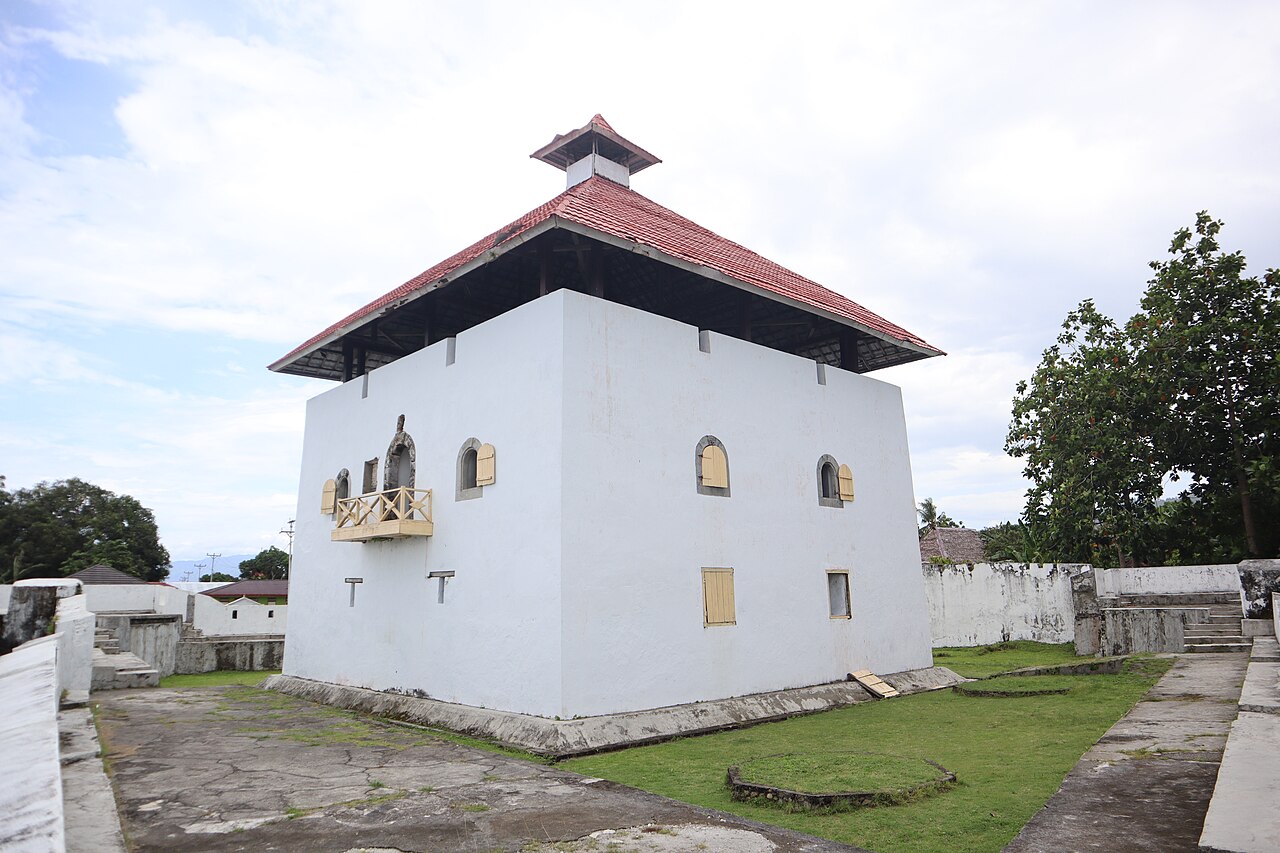
Fort Victoria, originally known as Forte de Nossa Senhora da Anunciada de Amboíno in Portuguese and later as Fort Nieuw Victoria under Dutch control, is a significant historical fortress located in the Sirimau District at the heart of Ambon City, Indonesia. Constructed in 1575 by the Portuguese during their expansion into the Maluku Islands, this fort stands as the oldest fortification in Ambon and one of the earliest European military structures in the region.
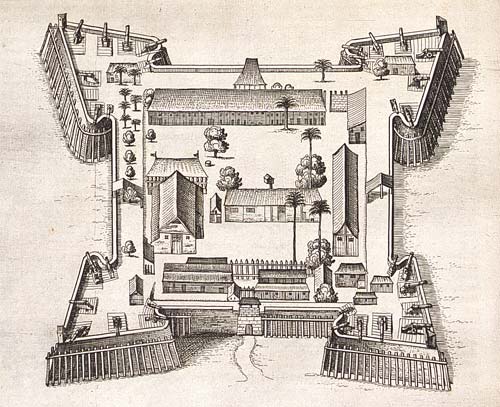
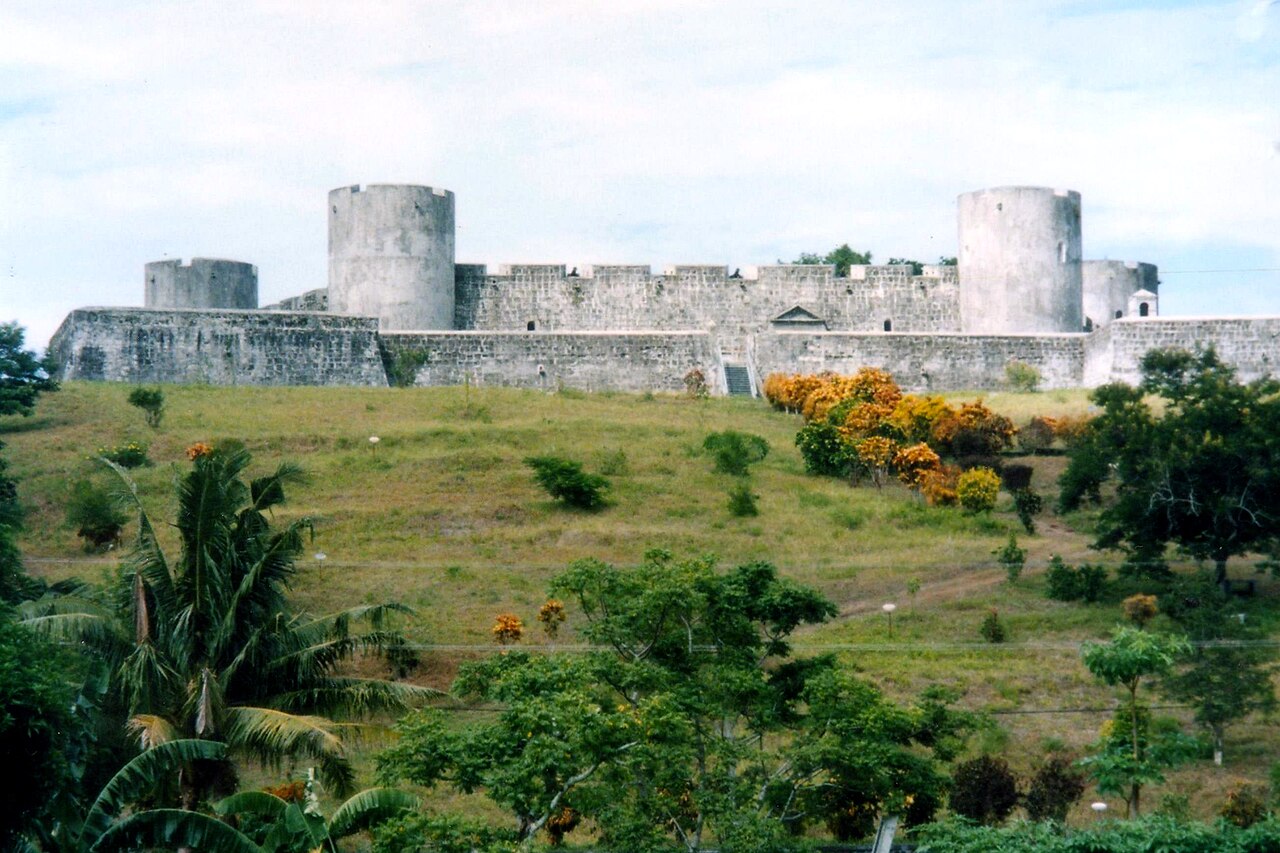
The fort was strategically built to control the lucrative spice trade, particularly cloves, which made Ambon a valuable colonial asset. As a Renaissance bastioned fortress, Fort Victoria features the characteristic angled bastions designed to withstand cannon fire, a military architectural innovation of the 16th century. Its robust stone walls and defensive layout reflect the military engineering principles of the Renaissance period, adapted to tropical conditions.
Historical significance and colonial transitions
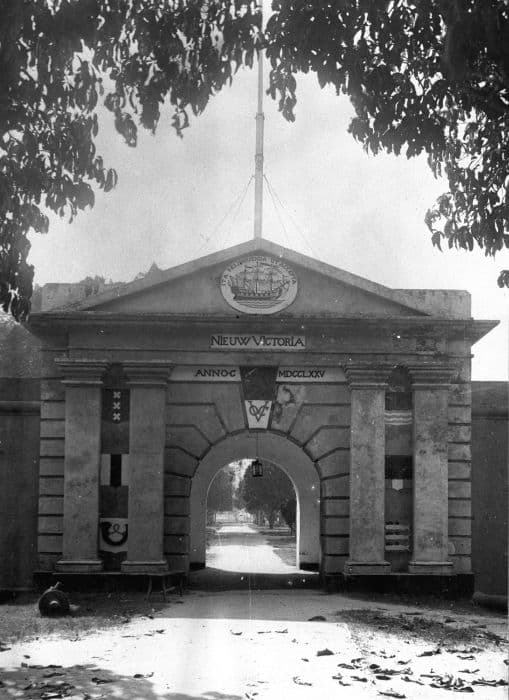
Initially established by the Portuguese to secure their dominance over the Maluku spice islands, Fort Victoria played a pivotal role in regional conflicts and trade control. In the early 17th century, the fort was captured by the Dutch East India Company (VOC), who renamed it Fort Nieuw Victoria. The Dutch enhanced the fortifications, maintaining its importance as a military stronghold and administrative center throughout their colonial rule.
The fort's strategic location in Ambon City made it a focal point during various military engagements and power struggles between European colonial powers and local sultanates. Its presence influenced the political and economic landscape of the region for centuries.
Architectural features and design
Fort Victoria exemplifies the bastioned fortress typology, characterized by its angular bastions protruding from the main walls, designed to provide overlapping fields of fire and eliminate blind spots. The walls are constructed from coral stone and bricks, materials commonly used in the region for their durability against tropical weather.
The fortress includes several key architectural elements such as:
- Bastions: Four main bastions positioned at the corners, enabling effective defense against attackers.
- Moat: Originally surrounded by a dry moat, enhancing its defensive capabilities.
- Gates and curtain walls: Thick curtain walls connect the bastions, with controlled entry points secured by heavy gates.
- Internal structures: Barracks, storage rooms, and command quarters were housed within the fort, supporting its military functions.
The fort's design reflects the adaptation of European military architecture to the local environment, incorporating features to withstand tropical climate challenges such as heavy rainfall and humidity.
Current status and cultural heritage
Today, Fort Victoria remains a well-preserved example of Renaissance military architecture in Indonesia. It serves as the headquarters of the Pattimura Military Command, continuing its legacy as a strategic military site. The fort is also a popular tourist attraction, drawing visitors interested in colonial history and architectural heritage.
In 2017, the fort was officially listed as one of Indonesia's national cultural heritage sites by the Ambon provincial government, recognizing its historical, architectural, and cultural importance. Preservation efforts aim to maintain its structural integrity and promote awareness of its role in Indonesia's colonial past.
Visiting Fort Victoria
Visitors to Fort Victoria can explore its extensive ramparts, bastions, and internal courtyards, gaining insight into the military strategies of the Renaissance period and the colonial history of Ambon. The fort's location in the city center makes it accessible for tourists, and guided tours provide detailed historical context.
The fort's surroundings include other historical sites and cultural landmarks, offering a comprehensive experience of Ambon's rich heritage.
Frequently asked questions (FAQ)
- When was Fort Victoria built and by whom?
- Fort Victoria was built in 1575 by the Portuguese as a strategic military fortification in Ambon to control the spice trade.
- What architectural style characterizes Fort Victoria?
- Fort Victoria is a Renaissance bastioned fortress featuring angled bastions and robust stone walls typical of 16th-century military architecture.
- Can visitors tour Fort Victoria today?
- Yes, Fort Victoria is open to visitors and serves as a popular tourist attraction in Ambon, with guided tours available to explore its historical and architectural features.
- What is the current use of Fort Victoria?
- The fort currently functions as the headquarters of the Pattimura Military Command, maintaining its military significance.
- Why is Fort Victoria important in Indonesian history?
- Fort Victoria is the oldest fort in Ambon and a key site reflecting Portuguese and Dutch colonial history, as well as the strategic spice trade in the Maluku Islands.
Photo gallery

Information
Current owner
Pattimura Military Command
Loading map...
Visitor reviews
No reviews yet. Been here? Write the first review and help other travelers!
Write the first reviewVisited this castle? Share your experience
Your review helps other travelers and adds first-hand knowledge to our encyclopedia.