Fort Senneville
Fort Senneville is a significant bastioned fortress located near Sainte-Anne-de-Bellevue, close to Montreal, Quebec, Canada. Constructed originally in 1671 by the Canadiens of New France, the fort was part of a strategic defense system protecting the fur trade routes and colonial settlements in the region. The property was initially part of a fief granted to Dugué de Boisbriant in 1672 by the Sulpicians, a religious order that played a major role in the early development of New France.
Early construction and architectural features
The first fortification included a large stone windmill built on a hill by late 1686. This windmill was not only functional but also served as a watchtower with defensive features typical of military architecture of the period, including machicolations—overhanging parapets with openings through which defenders could drop projectiles on attackers. The windmill's dual role as a milling structure and a fortification element is a rare example of multifunctional colonial architecture. The original fort was constructed primarily of wood and stone, designed to withstand attacks from the Iroquois and other hostile forces in the region.
Destruction and reconstruction
In 1691, the fort was attacked and burned by the Iroquois, with the exception of the stone windmill which survived the assault. Recognizing the strategic importance of the site, Governor-General Frontenac ordered a more robust fortification to be built in 1692. This second fort was constructed with enhanced defensive capabilities, including extensive bastions and artillery placements designed to repel attackers and protect the nearby fur trading post.
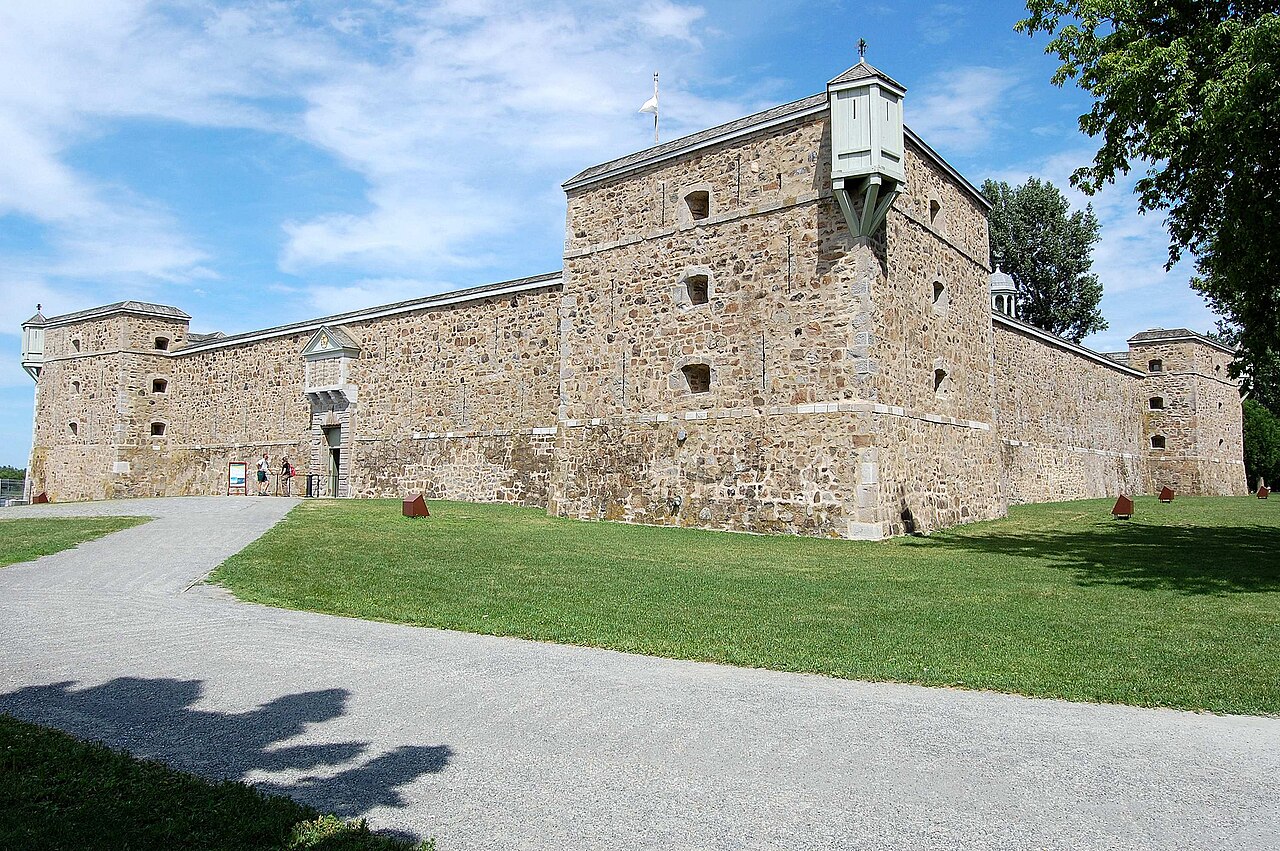
The fort underwent further strengthening and rebuilding in 1702–1703, incorporating a more complex design with cannons and swiveling wall guns that allowed a wide range of fire. This made Fort Senneville the "most substantial castle-like fort" in the Montreal area during its time. The fort's design reflected the influence of Renaissance military architecture, adapted to the North American frontier context, with angled bastions to deflect artillery fire and thick stone walls for durability.
Military role and eventual destruction
Fort Senneville played a crucial role in the defense of New France's western approaches, safeguarding trade routes and settler communities. However, its military significance declined after the British conquest of New France in 1763. During the American Revolutionary War, the fort was taken under American control and ultimately destroyed in 1776 by forces led by Benedict Arnold. The destruction marked the end of its active military use, but the site remained historically important.
Preservation and heritage status
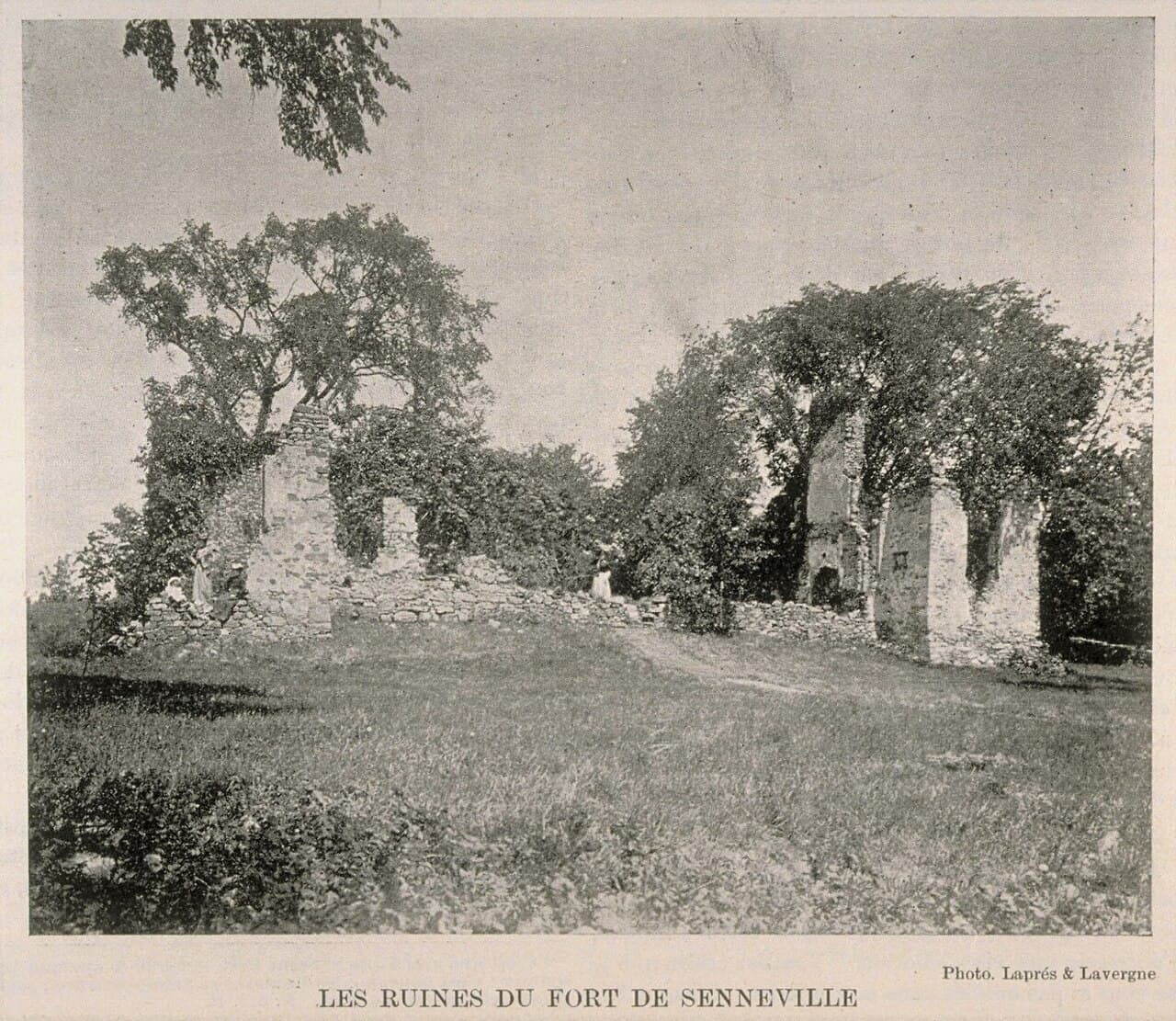
Since its destruction, the ruins of Fort Senneville have been preserved as a cultural heritage site. The surviving stone windmill and remnants of the fort's walls offer valuable insights into the colonial military architecture and early Canadian history. In 2003, the site was officially classified as a historic site, ensuring protection and recognition of its significance. Today, Fort Senneville is an important landmark for visitors interested in the military history of New France and the evolution of fortifications in North America.
Architectural legacy
The fort's combination of a functional windmill with defensive features is unique among North American colonial forts. Its bastioned design exemplifies the adaptation of European military engineering principles to the challenges of the New World. The use of stone construction and angled bastions reflects the influence of Renaissance-era fortification techniques, which aimed to resist cannon fire and improve defensive coverage.
Location and strategic importance
Situated near the western tip of the Island of Montreal, Fort Senneville controlled access along the waterways leading to the interior of the continent. This location was critical for protecting the lucrative fur trade and maintaining French colonial presence against indigenous and colonial rivals. The fort's elevated position on a hill provided extensive visibility and control over the surrounding landscape.
Frequently asked questions (FAQ)
- How do I get to Fort Senneville?
- Fort Senneville is located in Sainte-Anne-de-Bellevue, Canada, and is easily accessible by car or public transportation. If you are driving, you can find parking nearby. For public transit, check local bus schedules that connect to the area.
- What is the historical significance of Fort Senneville?
- Fort Senneville, built in the 19th century, played a crucial role in the defense of Montreal during the various conflicts in Canadian history. It served as a military installation and is part of the rich heritage of Canada's fortifications. Today, it stands as a testament to the strategic military planning of the era.
- When was Fort Senneville constructed?
- Construction of Fort Senneville began in 1865 and was completed in the early 1870s. The fort was designed to protect Montreal from potential invasions and has since become a significant historical site. Its architecture reflects the military styles of the 19th century.
- Can I visit Fort Senneville?
- Yes, Fort Senneville is open to visitors, offering a glimpse into Canada's military past. Guided tours are available, providing insights into the fort's history and architecture. Be sure to check the schedule for tour times before your visit.
- Why is Fort Senneville important for architecture enthusiasts?
- Fort Senneville showcases unique military architecture from the 19th century, featuring stone walls and earthworks designed for defense. The design reflects the strategic military needs of its time and offers visitors an opportunity to appreciate historical construction techniques. Its preservation allows for an understanding of historical architectural trends in Canada.
- Is it possible to hold events at Fort Senneville?
- Yes, Fort Senneville can be rented for special events, including weddings, corporate gatherings, and educational programs. The scenic surroundings and historic ambiance make it a unique venue. Interested parties should contact the management for availability and pricing details.
- What are the opening hours for Fort Senneville?
- Fort Senneville's opening hours vary by season, so it is best to check the official website for the most current information. Typically, the fort is open for visitors during the day, with extended hours in the summer months. Planning your visit according to these hours will ensure an enjoyable experience.
- What are the ticket prices for visiting Fort Senneville?
- Ticket prices for Fort Senneville are generally affordable, with discounts available for students and seniors. Children under a certain age may enter for free, making it an excellent destination for families. For the most accurate pricing, check the official website before your visit.
- What are some nearby attractions to Fort Senneville?
- Nearby attractions include the picturesque Sainte-Anne-de-Bellevue Canal and the historic village, which offers charming shops and restaurants. Additionally, the Morgan Arboretum is close by, providing nature trails and educational programs. Exploring these areas can enhance your visit to Fort Senneville.
Photo gallery

Photo by Illustrateur(s): A.J. Rice, Laprés & Lavergne•Public domain
Information
Current owner
Historic site authority
Loading map...
Visitor reviews
No reviews yet. Been here? Write the first review and help other travelers!
Write the first reviewVisited this castle? Share your experience
Your review helps other travelers and adds first-hand knowledge to our encyclopedia.