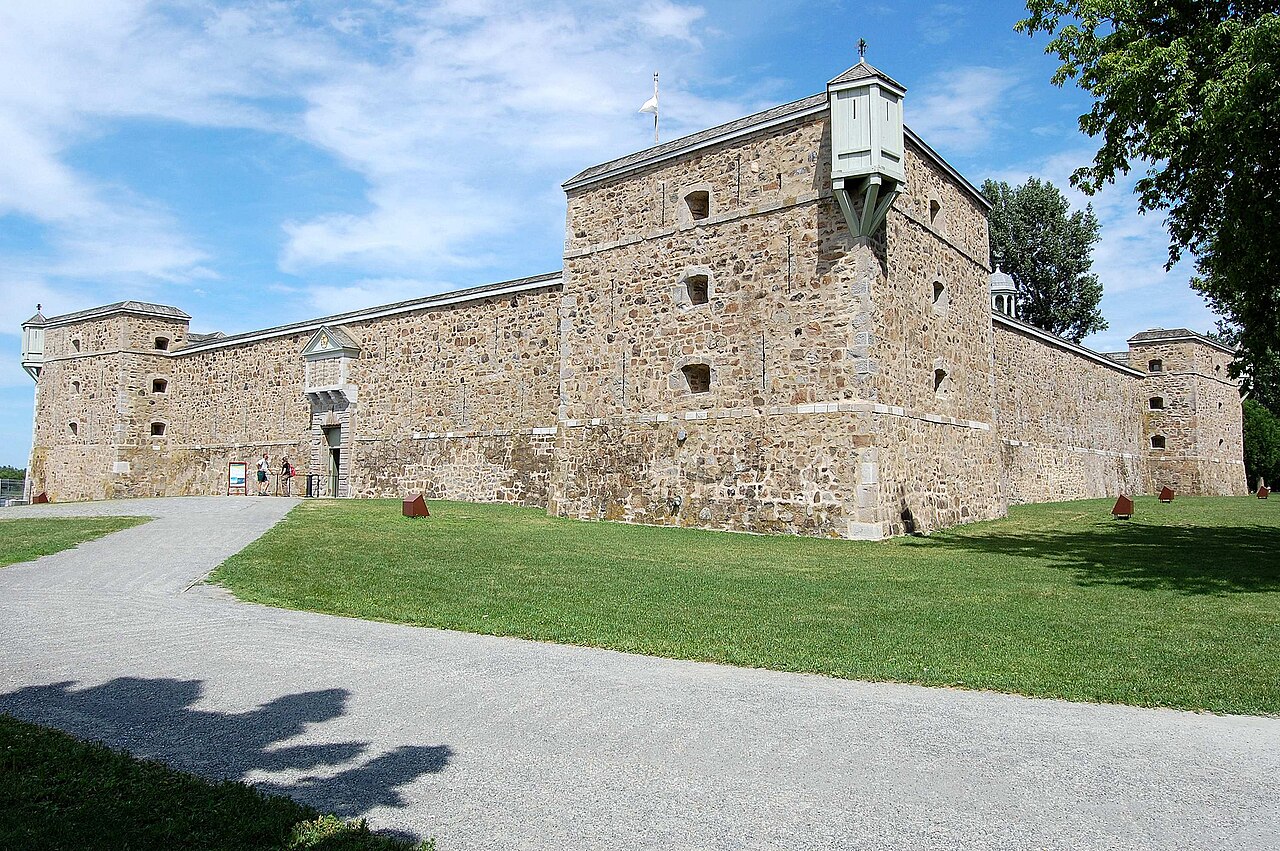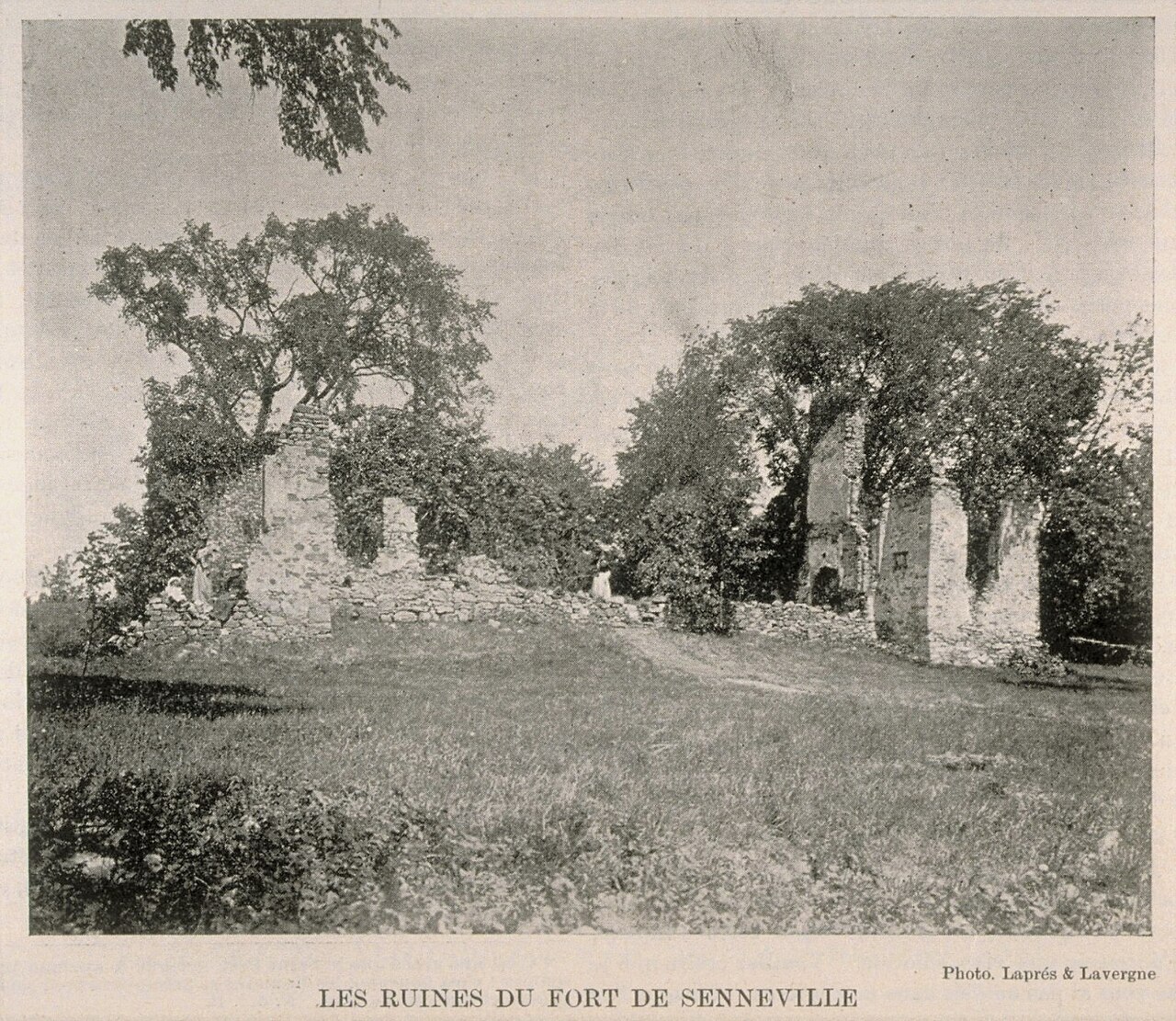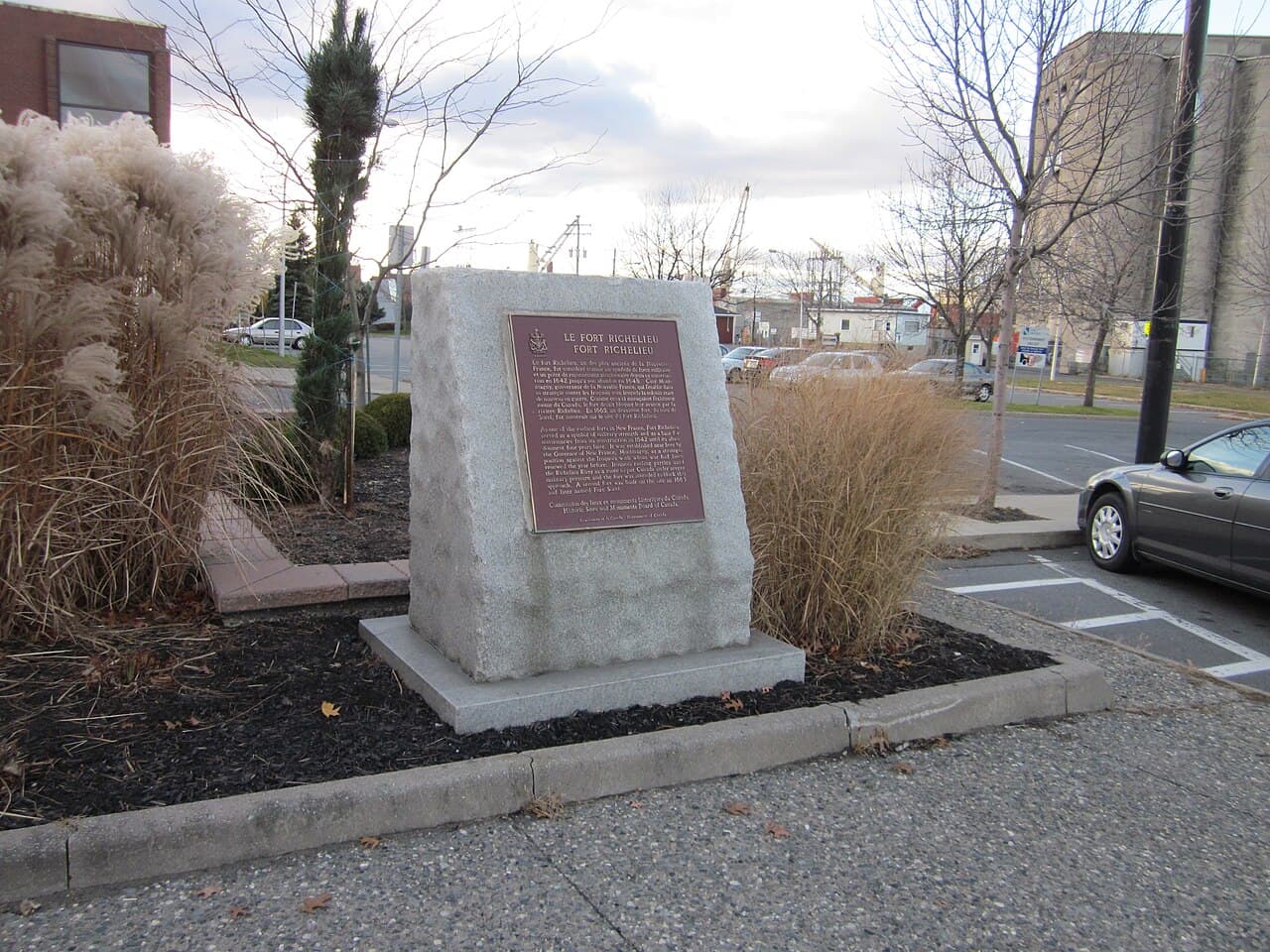
Fort Richelieu is a significant historic bastioned fortress located in the La Vallée-du-Richelieu Regional County Municipality in Quebec, Canada. Constructed in the 17th century, it served as a critical defensive structure during the Renaissance period, designed to protect French colonial interests and travelers navigating the Richelieu River from attacks by the Iroquois Confederacy.
Strategic importance and historical context
Fort Richelieu was part of a network of five forts built along the Richelieu River, a vital waterway connecting the St. Lawrence River to Lake Champlain and further south into the interior of North America. This chain of forts included Fort Chambly (formerly Fort St. Louis) at Chambly, Fort Sainte-Thérèse, Fort Saint-Jean at Saint-Jean-sur-Richelieu, and Fort Sainte Anne on Isle La Motte, Vermont. These forts collectively formed a defensive line to secure French colonial territories and ensure safe passage for settlers, traders, and military forces.
The construction of Fort Richelieu and its sister forts was initiated in response to ongoing conflicts with the Iroquois, who resisted French expansion into their traditional lands. The fortifications aimed to provide protection against raids and to assert French control over the region known informally as la Vallée-des-Forts.
Architectural features and design
Fort Richelieu exemplifies the bastioned fortress style typical of the Renaissance military architecture introduced to New France. This style was characterized by angled bastions projecting from the main walls, allowing defenders to cover adjacent walls with overlapping fields of fire, eliminating blind spots vulnerable to attackers. The fort's design reflects the influence of the Vauban-style fortifications that became prominent in Europe during this period, adapted to the local landscape and available materials.
The fort was constructed primarily of wood and earthworks, which was common in early colonial forts in North America due to the abundance of timber and the need for rapid construction. The bastions were reinforced with palisades and surrounded by a defensive ditch or moat to impede enemy advances. The layout included barracks, storage buildings, and artillery placements, all arranged to maximize defensive capabilities.
Role in colonial defense and regional development
Throughout its active use, Fort Richelieu played a crucial role in the defense of New France against indigenous resistance and later British incursions. It functioned not only as a military installation but also as a trading post and a center for French colonial administration in the region. The fort's presence encouraged settlement along the Richelieu River, fostering the development of communities that would eventually grow into modern towns.
Its location at the mouth of the Richelieu River was strategic for controlling access to the interior via waterways, making it a key point in the network of colonial defenses. The fort also facilitated communication and coordination between other forts along the river, contributing to the overall security and stability of the region.
Preservation and current status
Today, Fort Richelieu is recognized as a National Historic Site of Canada, reflecting its importance in Canadian heritage and colonial history. While much of the original structure has not survived intact, archaeological efforts and historical research have helped to preserve the site and interpret its significance for visitors.
The fort's remains and the surrounding area are accessible to the public, offering educational opportunities about early colonial military architecture, the French presence in North America, and the complex interactions between European settlers and indigenous peoples. The site contributes to the cultural identity of the La Vallée-du-Richelieu region and serves as a reminder of the area's turbulent past.
Related forts along the richelieu river
The network of forts including Fort Richelieu was critical in establishing French dominance in the region. Fort Chambly, known previously as Fort St. Louis, is located downstream and is notable for its stone construction and role in various colonial conflicts. Fort Sainte-Thérèse and Fort Saint-Jean similarly contributed to the layered defense system, each with unique architectural features and historical roles.
Further upstream near the source of the Richelieu River, Fort Sainte Anne on Isle La Motte in Vermont marked the southern extent of this defensive chain. Together, these forts illustrate the strategic military planning of New France during the 17th century and highlight the importance of riverine routes in colonial warfare and settlement.
Frequently asked questions (FAQ)
- What is the historical significance of Fort Richelieu?
- Fort Richelieu, built in the 17th century, played a crucial role in the defense of New France against British forces. It served as a strategic military installation during the colonial conflicts and showcases the early French military architecture in Canada.
- When was Fort Richelieu constructed?
- Construction of Fort Richelieu began in 1665 and was completed in 1667. It was named after Cardinal Richelieu, a prominent figure in the French government, and reflects the military strategies of the time.
- What are the opening hours for Fort Richelieu?
- Fort Richelieu is open to visitors from 10 AM to 5 PM daily during the summer months, typically from May to September. Please check the official website for any seasonal changes or holiday hours.
- Can I visit Fort Richelieu year-round?
- While Fort Richelieu is primarily open during the warmer months, special events and guided tours may be available during the off-season. It's advisable to check the official website for specific dates and availability.
- Is Fort Richelieu accessible for visitors with disabilities?
- Yes, Fort Richelieu has made efforts to improve accessibility for all visitors. While some areas may pose challenges due to the historical structure, there are accessible pathways and facilities available to ensure an enjoyable experience.
- What is the best time to visit Fort Richelieu?
- The best time to visit Fort Richelieu is during the summer months when the weather is pleasant and the fort hosts various events and reenactments. Visiting during the fall can also provide a beautiful backdrop with the changing colors of nature.
- What are the ticket prices for Fort Richelieu?
- Ticket prices for Fort Richelieu are generally around $10 for adults, with discounts available for seniors and children. Family packages and group rates may also be offered, so be sure to check the official website for current pricing details.
- Are there any nearby attractions to Fort Richelieu?
- Yes, Fort Richelieu is located near several attractions, including historical sites and beautiful parks. Visitors can explore the surrounding area, which includes nature trails and cultural landmarks that enhance the overall experience.
Photo gallery

Information
Loading map...
Visitor reviews
No reviews yet. Been here? Write the first review and help other travelers!
Write the first reviewVisited this castle? Share your experience
Your review helps other travelers and adds first-hand knowledge to our encyclopedia.