Fort Chambly
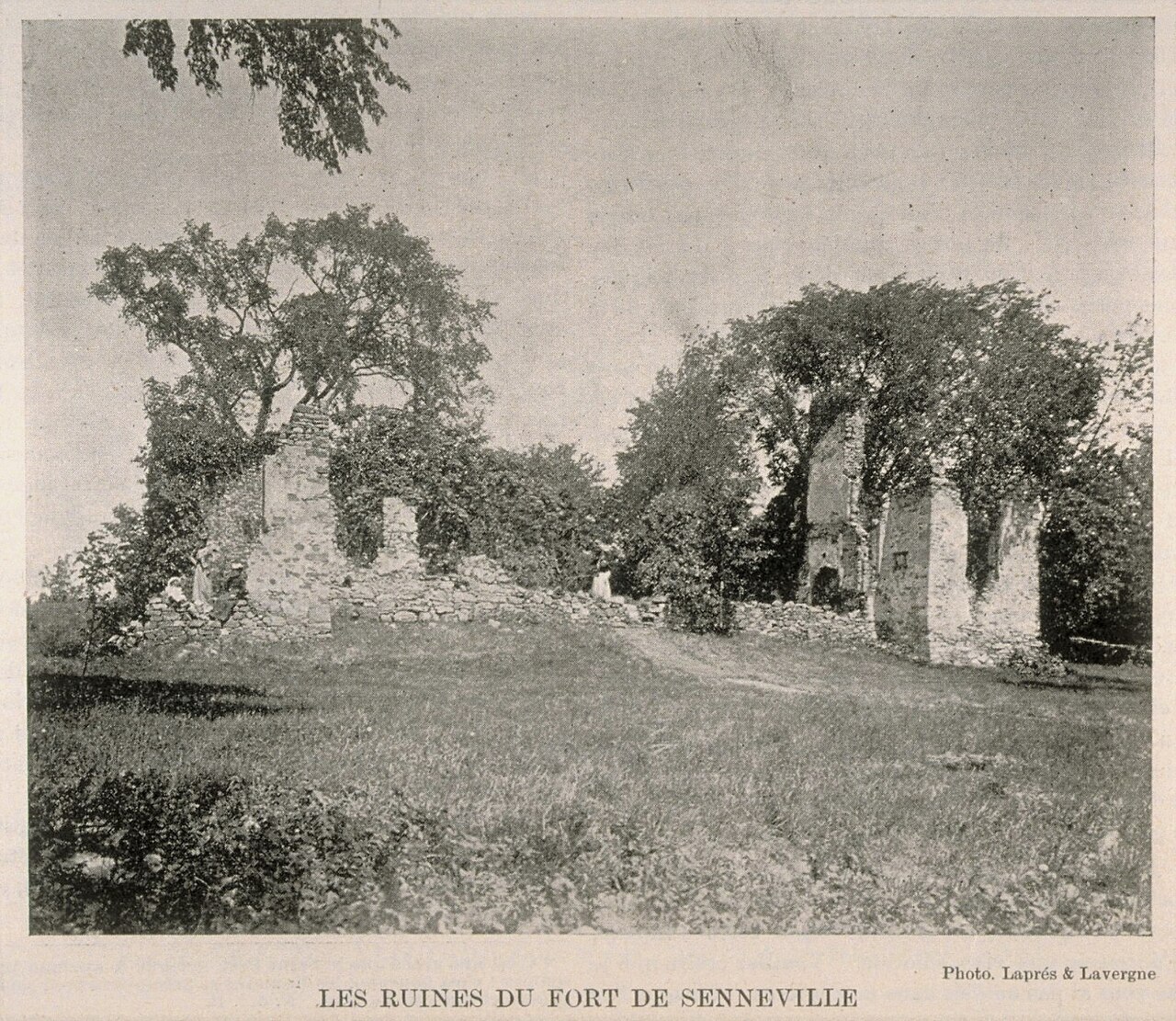
Fort Chambly, located in the La Vallée-du-Richelieu Regional County Municipality of Quebec, Canada, is a significant historic military structure originally constructed in the 17th century. Known formerly as Fort St. Louis, it served as a critical defensive bastion for French colonial interests during the period of New France. Strategically positioned along the Richelieu River, the fort was part of a network of five fortifications designed to protect travelers and settlers from attacks by the Iroquois Confederacy. This area is often referred to as la Vallée-des-Forts due to the concentration of these military installations.
Historical context and construction
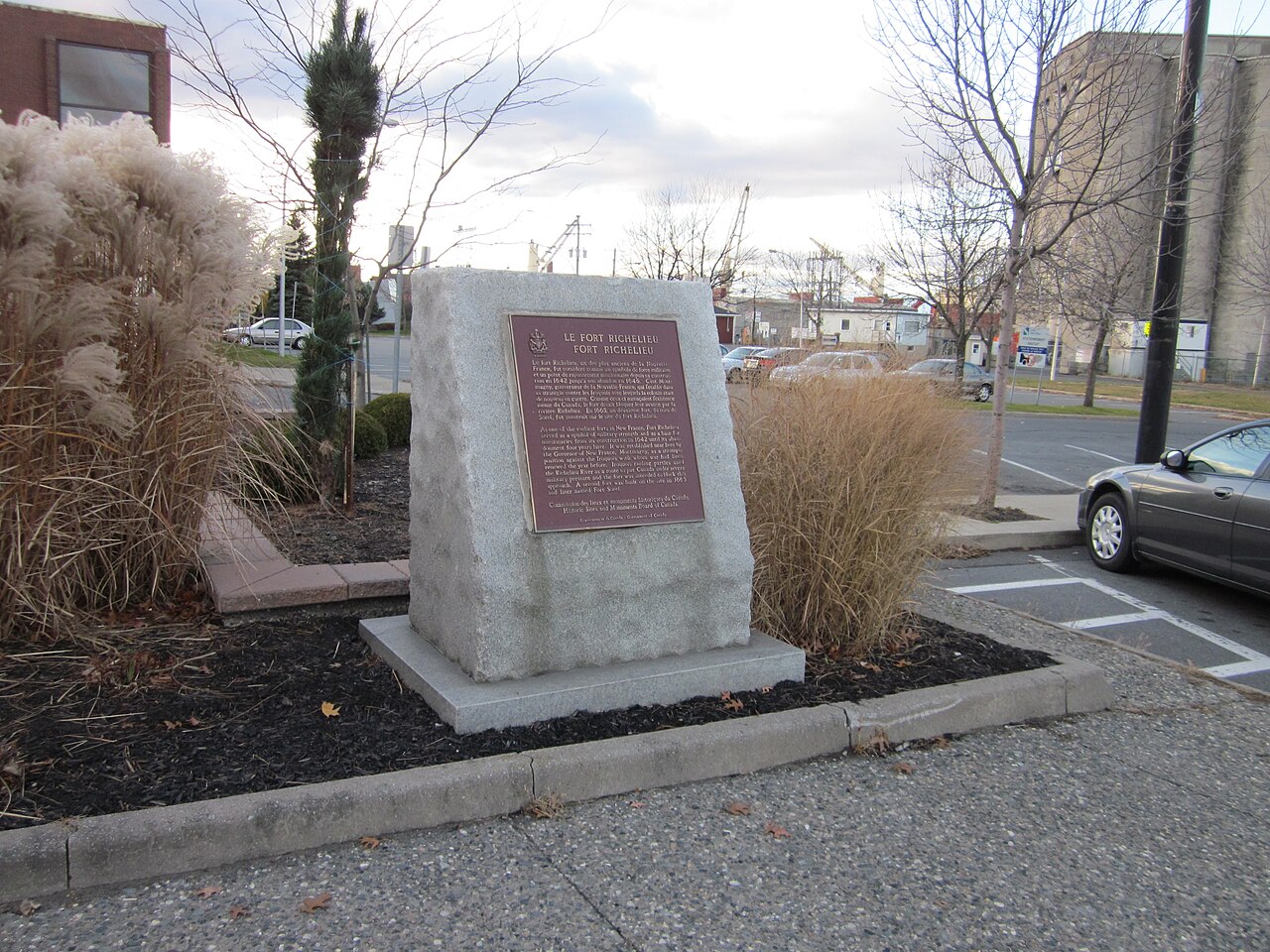
The fort's origins date back to the early 1660s when the French colonial authorities recognized the need to secure the Richelieu River corridor, a vital route for trade and military movements between the Saint Lawrence River and the interior of the continent. The initial fortification was a wooden structure built under the direction of Captain Jacques de Chambly, from whom the fort takes its name. The current stone structure was constructed later, reflecting advancements in military architecture and the need for more durable defenses.
Role in New France's defense system
Fort Chambly was integral to the defense strategy of New France, serving as a bulwark against frequent raids by the Iroquois. It guarded the southern approach to Montreal and helped control navigation along the Richelieu River. The fort's placement allowed French forces to monitor and restrict access to the interior, protecting settlements and trade routes.
Architectural features and design
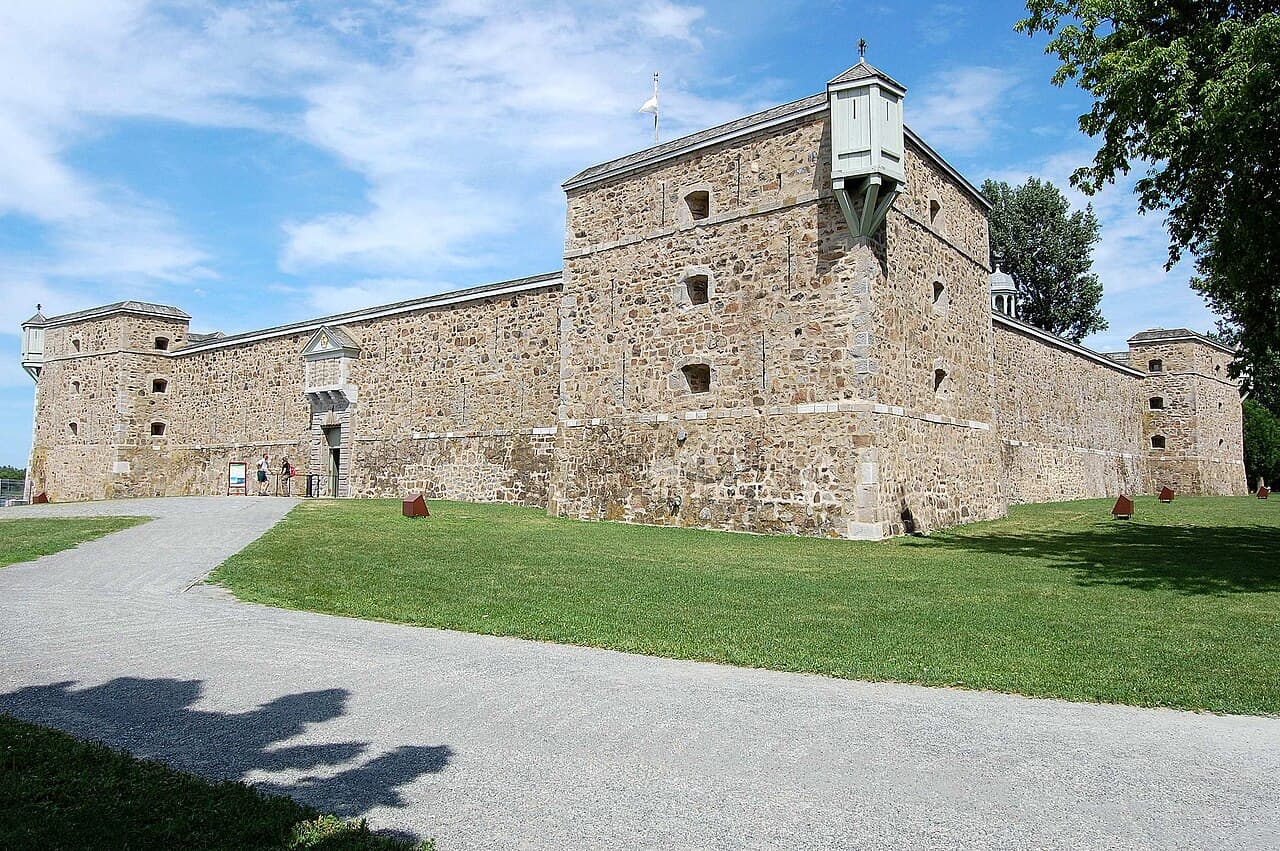
The fort is classified as a bastioned fortress, a style characteristic of the Renaissance military architecture that emphasized angular bastions projecting from the walls. These bastions allowed defenders to cover adjacent walls with crossfire, eliminating blind spots. The design of Fort Chambly incorporates these principles, with stone walls and bastions arranged to maximize defensive capabilities.
Structural elements
- Bastions: Four prominent bastions at the corners provide overlapping fields of fire.
- Stone walls: Thick masonry walls built to withstand artillery attacks.
- Moat: A surrounding ditch enhanced the fort's defense against direct assaults.
- Gatehouse: A fortified entrance controlling access to the interior.
- Interior buildings: Barracks, powder magazines, and officers' quarters arranged within the walls.
Later history and preservation
After its initial military use, Fort Chambly saw various modifications and periods of occupation, including during the British conquest of New France in the 18th century. It was used intermittently by British forces and later Canadian authorities. The fort eventually fell out of military use and was preserved as a historic site.
Modern status
Today, Fort Chambly is designated as a National Historic Site of Canada. It is well preserved and open to the public as a museum and cultural heritage site. Visitors can explore the fort's bastions, walls, and interior structures to gain insight into 17th-century military architecture and colonial history. The site also hosts educational programs and reenactments that highlight its historical significance.
Significance in Canadian heritage
Fort Chambly represents an important chapter in Canada's colonial past, illustrating the military and strategic challenges faced by French settlers. Its preservation offers valuable lessons on fortification design during the Renaissance period and the complex interactions between European colonists and Indigenous peoples. The fort remains a key attraction for those interested in military history, architecture, and early Canadian settlement.
Frequently asked questions (FAQ)
- What is the historical significance of Fort Chambly?
- Fort Chambly is a national historic site in Canada, originally constructed in the 17th century to protect the strategic waterways of the Richelieu River. It played a crucial role during the French and Indian War and is a symbol of the military history and colonial struggles of New France.
- When was Fort Chambly built?
- Fort Chambly was built between 1665 and 1672. It was later rebuilt and fortified in the 18th century, reflecting the evolving military architecture of the time.
- What are the opening hours for Fort Chambly?
- Fort Chambly is typically open from May to October, with specific hours varying by season. It is advisable to check the official website for the most current information regarding hours of operation.
- Can I visit Fort Chambly year-round?
- Fort Chambly is primarily open to visitors during the warmer months, from late spring to early fall. While the grounds may be accessible year-round, many of the facilities and guided tours are limited to the summer season.
- Is Fort Chambly accessible for visitors with disabilities?
- Yes, Fort Chambly offers accessibility features to accommodate visitors with disabilities. The site is equipped with ramps and accessible restrooms to ensure a comfortable experience for all guests.
- What are the ticket prices for Fort Chambly?
- Admission to Fort Chambly typically has a nominal fee, with discounts available for seniors, students, and children. It's best to check the official website for the most accurate and up-to-date pricing information.
- When is the best time to visit Fort Chambly?
- The best time to visit Fort Chambly is during the summer months when the weather is pleasant and many special events and programs are held. Visiting during this time allows for a fuller experience of the castle's historical reenactments and guided tours.
- Are there nearby attractions to visit along with Fort Chambly?
- Yes, there are several attractions near Fort Chambly, including the picturesque town of Chambly, the Richelieu River, and various parks. Exploring the surrounding area can enhance your visit and provide a deeper understanding of the region's history.
Photo gallery

Information
Loading map...
Visitor reviews
No reviews yet. Been here? Write the first review and help other travelers!
Write the first reviewVisited this castle? Share your experience
Your review helps other travelers and adds first-hand knowledge to our encyclopedia.