Fort Komenda
Fort Komenda, located on the coast of present-day Ghana, is a historic British fortification originally constructed during the period of European colonial expansion in West Africa. The fort stands as a ruin today, bearing witness to the complex history of the Atlantic slave trade and the economic and political influence exerted by European powers along the Gold Coast.
Historical background and significance
The site of Fort Komenda has a history rooted in the intense competition among European powers for control of trade in West Africa, particularly in the 17th and 18th centuries. Though the current remains are primarily associated with British occupation, the fort's origins trace back to earlier European presence in the region, including the Portuguese and Dutch. Fort Komenda was part of a network of coastal fortifications built to secure trading posts, protect commercial interests, and serve as military strongholds.
Its strategic location on the Gold Coast made it a key point for the export of goods such as gold, ivory, and unfortunately, enslaved Africans. The fort's role in the transatlantic slave trade is a crucial aspect of its historical legacy, representing the darker chapters of European colonialism and the forced migration of millions of Africans.
Architectural features and layout
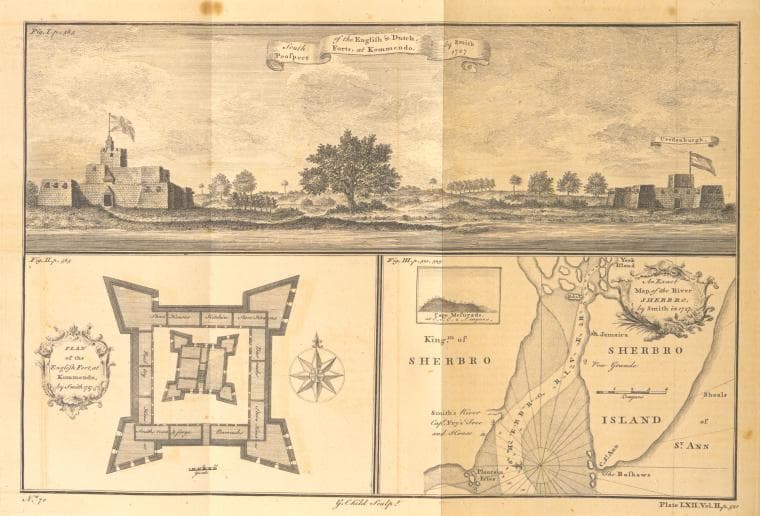
Fort Komenda was constructed primarily as a coastal fortress, designed to defend against naval attacks and rival European powers. The fortifications typically included thick stone walls, bastions, and gun emplacements facing the sea. Although much of the structure is now in ruins, archaeological studies have revealed the layout of the fort, including residential quarters, storage facilities for trade goods, and defensive structures.
The fort's architecture reflects the practical military engineering of the time, with an emphasis on durability and defense. The use of local materials combined with European construction techniques is evident in the surviving walls and foundations.
UNESCO World Heritage designation
In 1979, Fort Komenda was inscribed on the UNESCO World Heritage List as part of a collective recognition of several forts and castles along the Ghanaian coast. This designation highlights their importance as cultural heritage sites that document the history of European trade, colonialism, and the transatlantic slave trade in West Africa.
The UNESCO listing helps protect the site and promotes awareness of its historical significance, encouraging preservation efforts and educational tourism.
Current condition and preservation efforts
Today, Fort Komenda remains in a state of archaeological ruins, with only portions of the original fortifications still standing. The site is managed to preserve its remains and provide visitors with insight into its historical context. Conservation efforts focus on stabilizing the ruins and preventing further deterioration due to natural and human factors.
Visitors to the site can explore the remnants of the fort and learn about its role in the broader history of the Gold Coast and European colonialism in Africa.
Visiting Fort Komenda
While specific visitor facilities may be limited, Fort Komenda is accessible to those interested in exploring Ghana's colonial history. It is advisable to visit with a knowledgeable guide to fully appreciate the site's historical and cultural context. The fort's location along the coast also offers scenic views and opportunities to connect with the surrounding community and heritage sites.
Frequently asked questions (FAQ)
- What is the historical significance of Fort Komenda?
- Fort Komenda, built in the 15th century, played a crucial role in the transatlantic slave trade, serving as a trading post for European merchants. It stands as a testament to Ghana's colonial history and the complexities of trade and human trafficking that shaped the region's past.
- When was Fort Komenda built?
- Fort Komenda was constructed by the Portuguese in 1482, making it one of the oldest forts on the Ghanaian coast. Its strategic location made it an essential site for trade during the Age of Exploration.
- Can I visit Fort Komenda?
- Yes, Fort Komenda is open to visitors who wish to explore its rich history and architecture. Guided tours are available to provide insights into its past and significance.
- What are the opening hours for Fort Komenda?
- Fort Komenda is typically open from 9 AM to 5 PM, Monday through Saturday. It is advisable to check for any seasonal changes or special closures before planning your visit.
- Is it possible to access Fort Komenda by public transport?
- Yes, Fort Komenda is accessible via public transport from nearby towns and cities. Local taxis and buses frequently serve the area, making it convenient for visitors to reach the fort.
- What is the best time to visit Fort Komenda?
- The best time to visit Fort Komenda is during the dry season, from November to March, when the weather is more pleasant for outdoor exploration. Avoiding the rainy season will enhance your experience as you tour the fort and its surroundings.
- Are there any nearby attractions to visit while at Fort Komenda?
- Yes, visitors to Fort Komenda can also explore nearby attractions such as Elmina Castle and the beaches of Elmina. These sites offer additional insights into Ghana's coastal history and scenic views.
- How much does it cost to enter Fort Komenda?
- Ticket prices for Fort Komenda are relatively affordable, typically ranging from a few Ghanaian Cedis for locals to slightly higher fees for international tourists. Discounts may be available for students and large groups.
- What architectural features can I expect to see at Fort Komenda?
- Fort Komenda showcases classic colonial architecture, including thick stone walls, bastions, and a well-preserved courtyard. Visitors can admire the fort's design, which reflects the military and trading needs of its time.
Photo gallery

Photo by G. Child•Public domain
Information
Loading map...
Visitor reviews
No reviews yet. Been here? Write the first review and help other travelers!
Write the first reviewVisited this castle? Share your experience
Your review helps other travelers and adds first-hand knowledge to our encyclopedia.