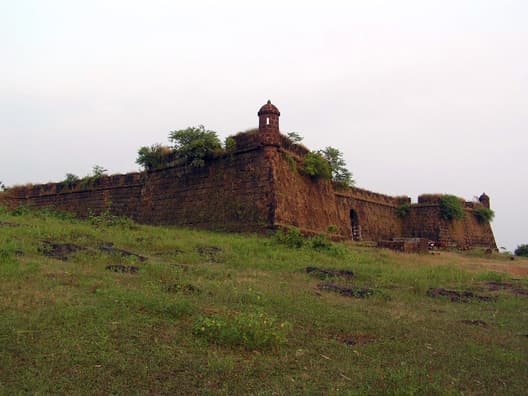
Corjuem Fort, also known as Fort Assunção, is a small but strategically significant bastioned fortress located on the river island of Corjuem in Goa, India. Situated approximately 4 kilometres from the village of Aldona and about 12 kilometres from Panjim, the fort played a key role in the defense system of Portuguese India. Despite its modest size compared to other Goan forts, Corjuem Fort commands an excellent vantage point overlooking the surrounding river and land, which was vital for monitoring and controlling riverine and land-based approaches.
Historical context and strategic importance
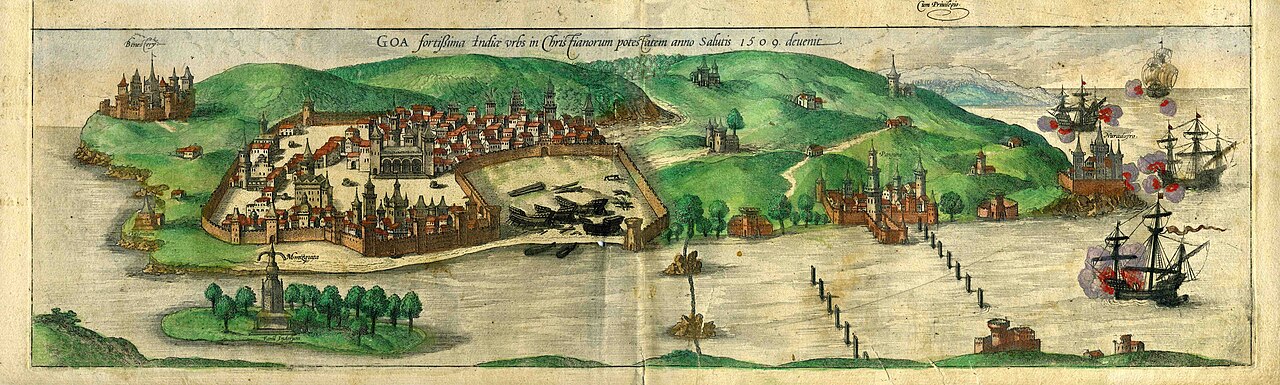
Constructed during the period when the Portuguese established their colonial presence in Goa, Corjuem Fort was part of a network of fortifications designed to protect their territories from rival colonial powers and local adversaries. The fort's location on a river island allowed it to serve as a defensive outpost guarding the waterways, which were crucial for transportation and trade. Its bastioned design reflects the military architectural principles of the time, emphasizing angled bastions for better defense against artillery and infantry attacks.
Architectural features and design
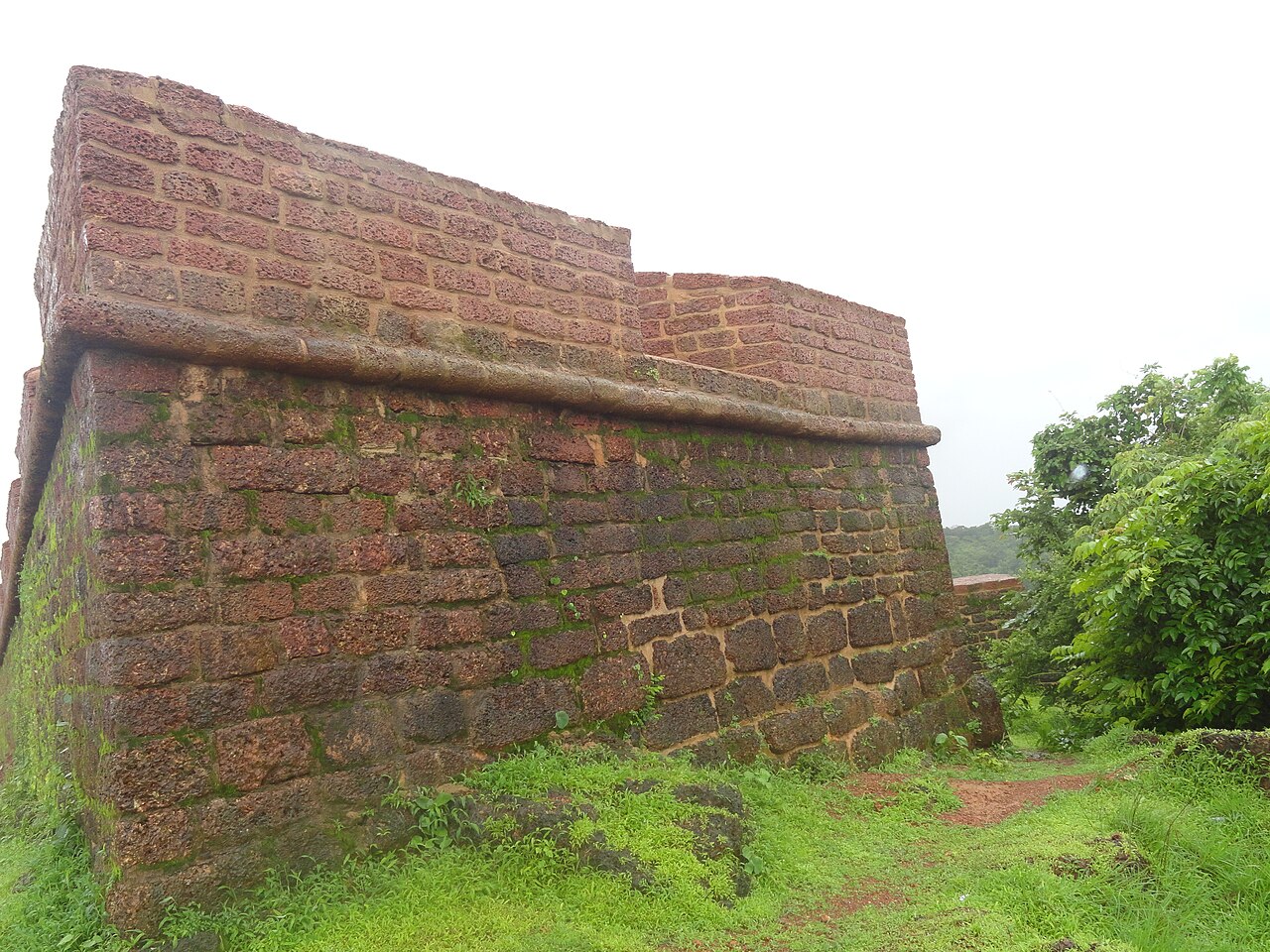
The fort exemplifies typical bastioned fortress characteristics, including thick stone walls and angular bastions projecting outward to cover adjacent walls with defensive fire. The smaller scale of Corjuem Fort compared to other Goan forts does not diminish its architectural significance. Its compact layout was adapted to the island's geography, maximizing defensive capabilities while maintaining a manageable footprint.
The fort's walls enclose a courtyard that would have housed essential military facilities and quarters for the garrison. The elevated position provides commanding views of the surrounding river channels and adjacent land, enabling early detection of enemy movements.
Materials and construction techniques
Constructed primarily from locally sourced laterite stone, a common building material in Goa, the fort's masonry exhibits the durability necessary to withstand tropical weather and military assaults. The use of lime mortar and traditional stone-cutting techniques ensured the fort's resilience over centuries.
Preservation and current status
Today, Corjuem Fort is a protected monument under the Goa, Daman and Diu Ancient Monuments and Archaeological Sites and Remains Act. While smaller and less well-known than other Goan forts such as Aguada or Chapora, it remains an important heritage site illustrating the Portuguese military presence in the region. The fort is partially preserved, with some walls and bastions intact, allowing visitors to appreciate its historical layout and strategic location.
Visitor experience and accessibility
The fort is accessible via a short boat ride or road journey from Aldona village, making it a quieter alternative to more frequented forts in Goa. Visitors can explore the ramparts and enjoy panoramic views of the surrounding river and countryside. The site offers insight into the colonial military architecture adapted to the unique river island environment.
Corjuem Fort in the context of Goan fortifications
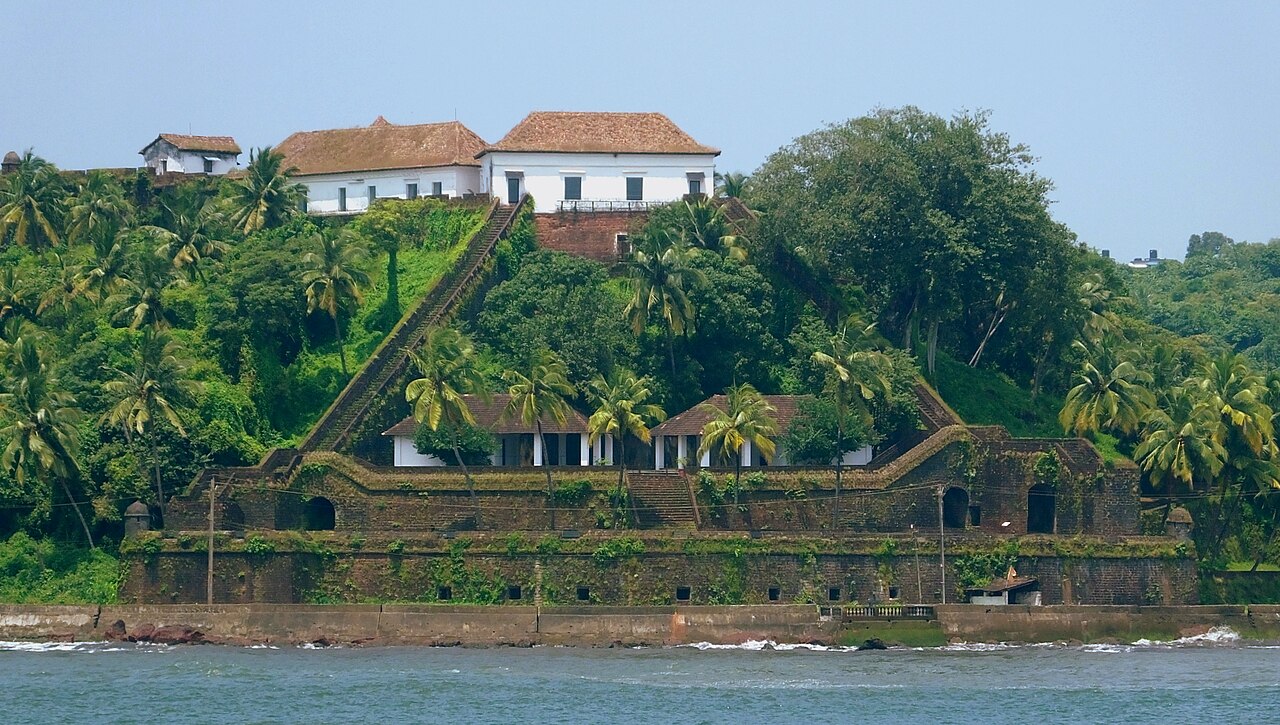
Corjuem Fort complements the network of coastal and inland fortifications that the Portuguese built to secure their hold over Goa. Its role was more specialized in controlling riverine access rather than serving as a major coastal defense. This distinction highlights the varied strategic approaches employed by the Portuguese in fort design and placement.
The fort's relatively modest size and remote location have contributed to its lesser prominence in popular tourism, but it remains a valuable site for understanding the military history and colonial architecture of Goa.
Frequently asked questions (FAQ)
- How do I get to Corjuem Fort?
- Corjuem Fort is located in Goa, India, and can be easily accessed by road. The nearest major town is Mapusa, from where you can hire a taxi or take a local bus to reach the fort.
- What is the historical significance of Corjuem Fort?
- Corjuem Fort was built in the 18th century by the Portuguese to defend against Maratha invasions. It holds a significant place in Goa's colonial history and showcases the strategic military architecture of the time.
- When was Corjuem Fort constructed?
- Corjuem Fort was constructed in 1705 and played a crucial role in the defense system of Portuguese Goa. It was built on a hilltop, which provided a vantage point over the surrounding areas.
- Can I enter Corjuem Fort without a ticket?
- Yes, entry to Corjuem Fort is free of charge, making it accessible for all visitors. You can explore the fort and enjoy the scenic views without any admission fee.
- Why is Corjuem Fort a popular tourist destination?
- Corjuem Fort is popular for its rich history, stunning views, and well-preserved architecture. It offers visitors a glimpse into Goa's past while providing a peaceful environment to enjoy nature.
- Is it possible to visit Corjuem Fort year-round?
- Yes, Corjuem Fort is open year-round, but the best time to visit is between November and February when the weather is pleasant. The fort can be quite hot and humid during the monsoon season.
- What are the opening hours for Corjuem Fort?
- Corjuem Fort is open to visitors at all times, allowing you to explore its grounds at your convenience. However, it's advisable to visit during daylight hours for safety and to fully appreciate the views.
- Are there any nearby attractions to Corjuem Fort?
- Yes, there are several attractions near Corjuem Fort, including the beautiful Aldona Church and the scenic views of the Chapora River. You can also explore local villages nearby for an authentic Goan experience.
- What are the architectural features of Corjuem Fort?
- Corjuem Fort features impressive bastions, thick walls, and a unique star-shaped design. The fort's architecture reflects the military engineering skills of the Portuguese, with strategic placements for defense and observation.
Photo gallery

Information
Loading map...
Visitor reviews
No reviews yet. Been here? Write the first review and help other travelers!
Write the first reviewVisited this castle? Share your experience
Your review helps other travelers and adds first-hand knowledge to our encyclopedia.