Fort Santa Isabel
Fort Santa Isabel, also known locally as Taytay Fort, is a prominent 17th-century bastioned fortress located in the municipality of Taytay, on the island of Palawan in the Philippines. This coastal fortification was constructed during the Spanish colonial period as part of the defensive network protecting the island and its strategic bay from foreign invaders and local uprisings. It stands as a significant example of Renaissance military architecture adapted to tropical conditions and local materials.
Historical context and construction
The construction of Fort Santa Isabel began in the 17th century, a time when the Spanish Empire sought to consolidate its hold over the Philippines and protect its valuable maritime routes in Southeast Asia. The fort was built primarily to defend the town of Taytay and its harbor, which was a crucial anchorage point for Spanish galleons and local shipping. The fort's strategic position allowed control over the bay and served as a deterrent against pirate raids and attacks by rival colonial powers.
Built mainly from coral stones and bricks, the fort reflects the typical bastioned fortress design principles of the Renaissance period. This style emphasized angular bastions protruding from the walls, allowing defenders to cover all approaches with overlapping fields of fire. Such design improved the fort's resilience against cannon fire and infantry assaults, a significant evolution from earlier medieval fortifications.
Architectural features and layout
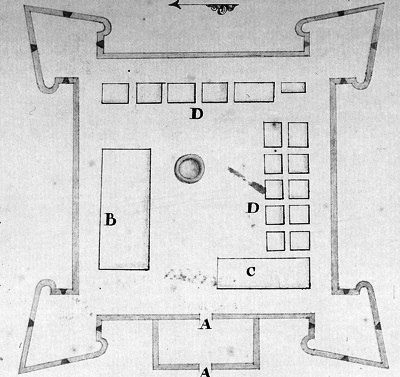
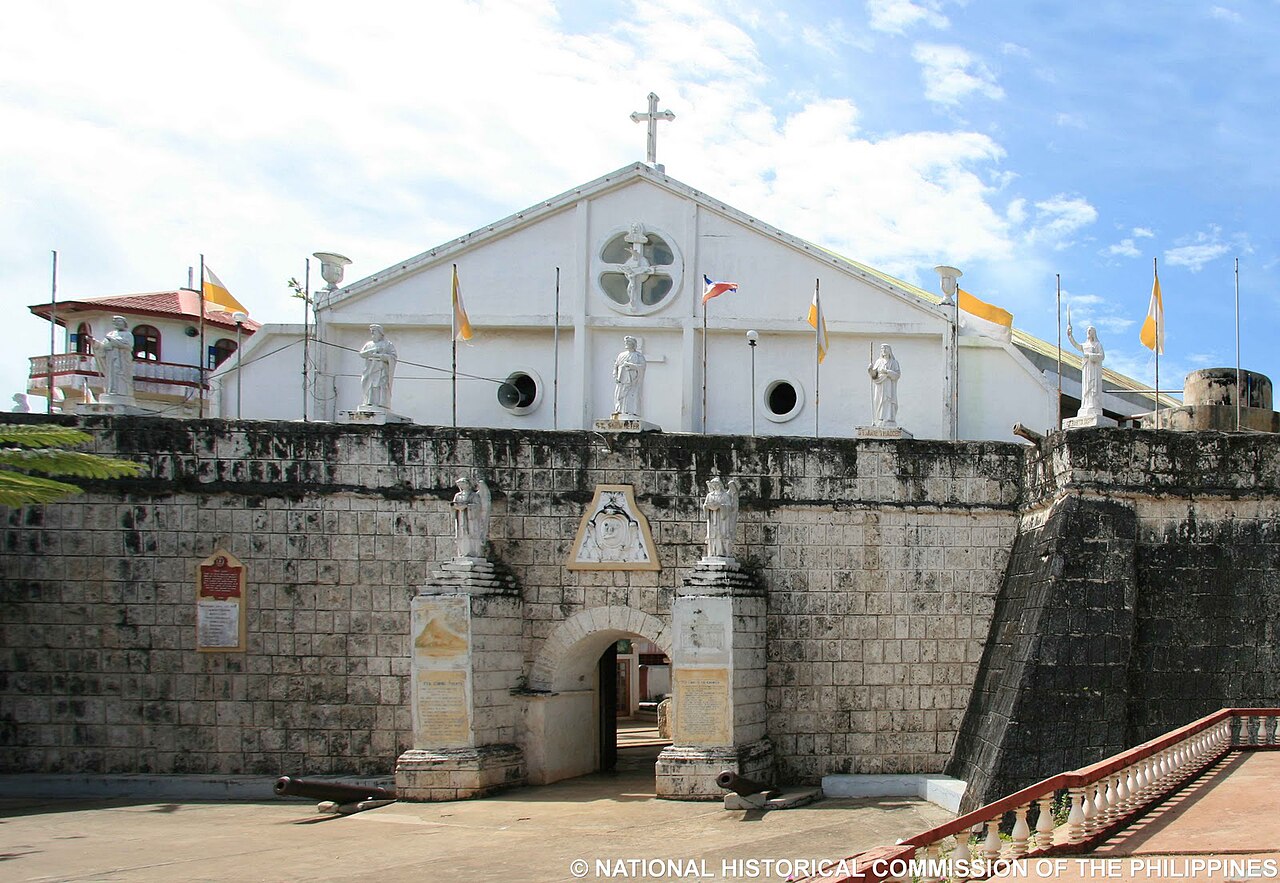
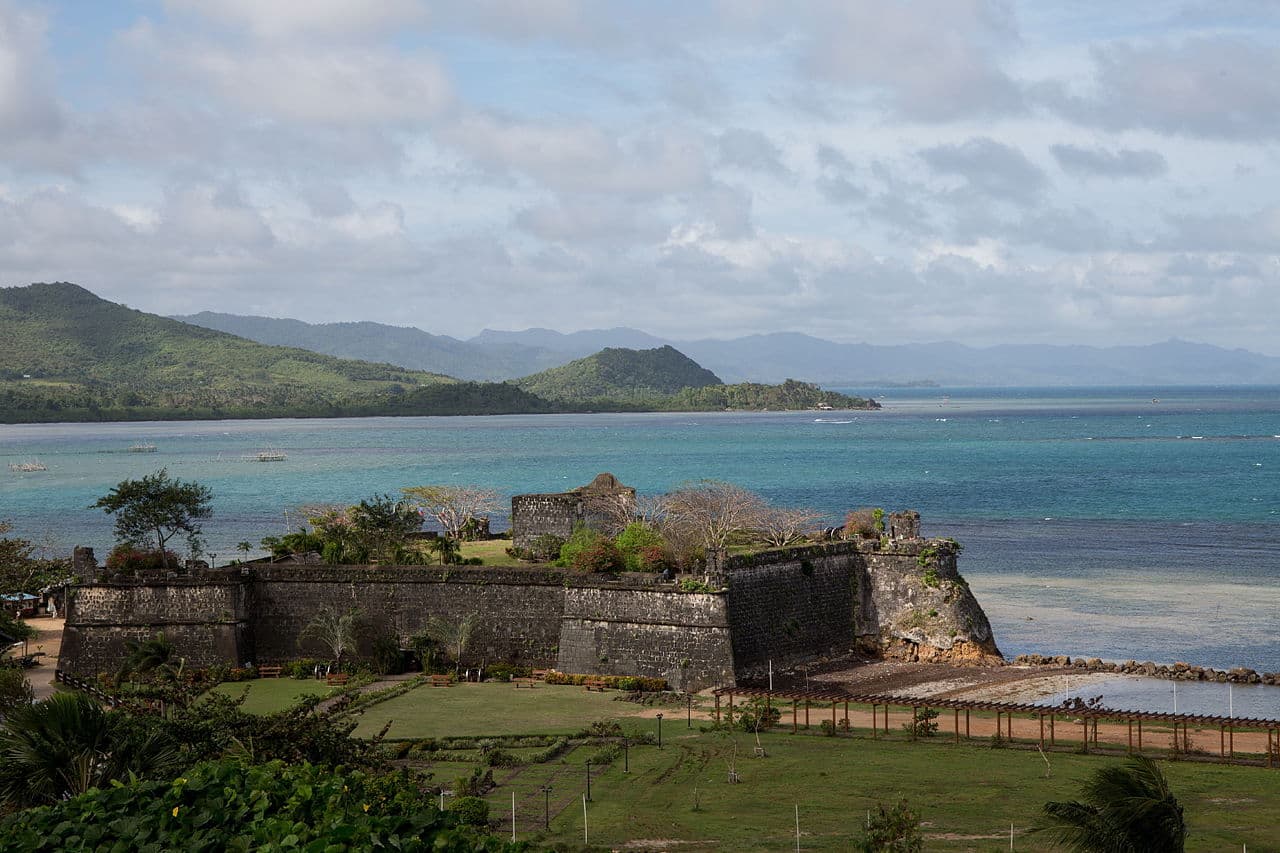
Fort Santa Isabel is characterized by its robust bastions at the corners, thick defensive walls, and a commanding view over the surrounding bay and landscape. The fort's walls are constructed from coral stone blocks, a locally sourced material that provided durability and resistance to the humid tropical climate.
The fortress encloses a central courtyard, which historically housed the garrison's living quarters, storage rooms, and a chapel dedicated to Santa Isabel. The entrance gate is fortified and designed to withstand sieges, with narrow openings for musket fire and cannon embrasures integrated into the walls.
Its coastal location means the fort also features elements adapted for naval defense, such as platforms for mounting cannons facing the sea to repel attackers approaching by water.
Role in local history and significance
Throughout its history, Fort Santa Isabel played a vital role in the defense of Palawan against various threats, including pirate incursions and local revolts during Spanish rule. It also functioned as a military outpost and administrative center, helping to maintain Spanish control over the region.
The fort’s presence contributed to the development of Taytay as a significant town in Palawan, facilitating trade and security. Its strategic importance diminished after the Spanish colonial period, but it remains a symbol of the island’s colonial past and military heritage.
Preservation and current condition
Today, Fort Santa Isabel is partially preserved. While some sections of the walls and bastions remain intact, other parts have suffered from natural weathering and lack of maintenance. Efforts have been made by local authorities and heritage organizations to conserve and restore the fort, recognizing its cultural and historical value.
The site is accessible to visitors interested in Philippine colonial history and military architecture, offering panoramic views of the bay and insights into 17th-century fortification techniques.
Visiting Fort Santa Isabel
Visitors to Fort Santa Isabel can explore the remaining structures and learn about the fort's role in the defense of Palawan. The fort is located within the town of Taytay, which is reachable by road from the provincial capital of Puerto Princesa. Guided tours are sometimes available, providing historical context and architectural details.
The best time to visit is during the dry season to avoid heavy rains, which can affect accessibility and the condition of the ruins. Visitors should wear comfortable footwear due to uneven surfaces and bring sun protection given the tropical climate.
Frequently asked questions (FAQ)
- What is Fort Santa Isabel?
- Fort Santa Isabel is a 17th-century bastioned fortress located in Taytay, Palawan, Philippines, built to defend the coastal town and its harbor.
- When was Fort Santa Isabel built?
- The fort was constructed in the 17th century during the Spanish colonial period to protect against pirate attacks and rival colonial powers.
- How can I visit Fort Santa Isabel?
- Fort Santa Isabel is located in Taytay, Palawan, and can be visited by travelers who reach the town via road from Puerto Princesa. Visitors should check local conditions and weather before planning their trip.
- What architectural style characterizes Fort Santa Isabel?
- The fort exhibits Renaissance military architectural features, including bastioned walls and cannon platforms adapted to coastal defense.
- Is Fort Santa Isabel well preserved?
- The fort is partially preserved, with some walls and bastions intact, though other sections have suffered from weathering and require conservation efforts.
Photo gallery

Information
Loading map...
Visitor reviews
No reviews yet. Been here? Write the first review and help other travelers!
Write the first reviewVisited this castle? Share your experience
Your review helps other travelers and adds first-hand knowledge to our encyclopedia.