Fort Culion
Fort Culion is a notable example of an 18th-century bastioned fortress constructed during the Spanish colonial period in the Philippines. Built in 1740 by the Recollect Augustinians, the fort served as a defensive stronghold against Muslim raiders who frequently threatened the region. Its strategic role was to protect the local population and religious missions from incursions along the coast.
Architectural design and construction
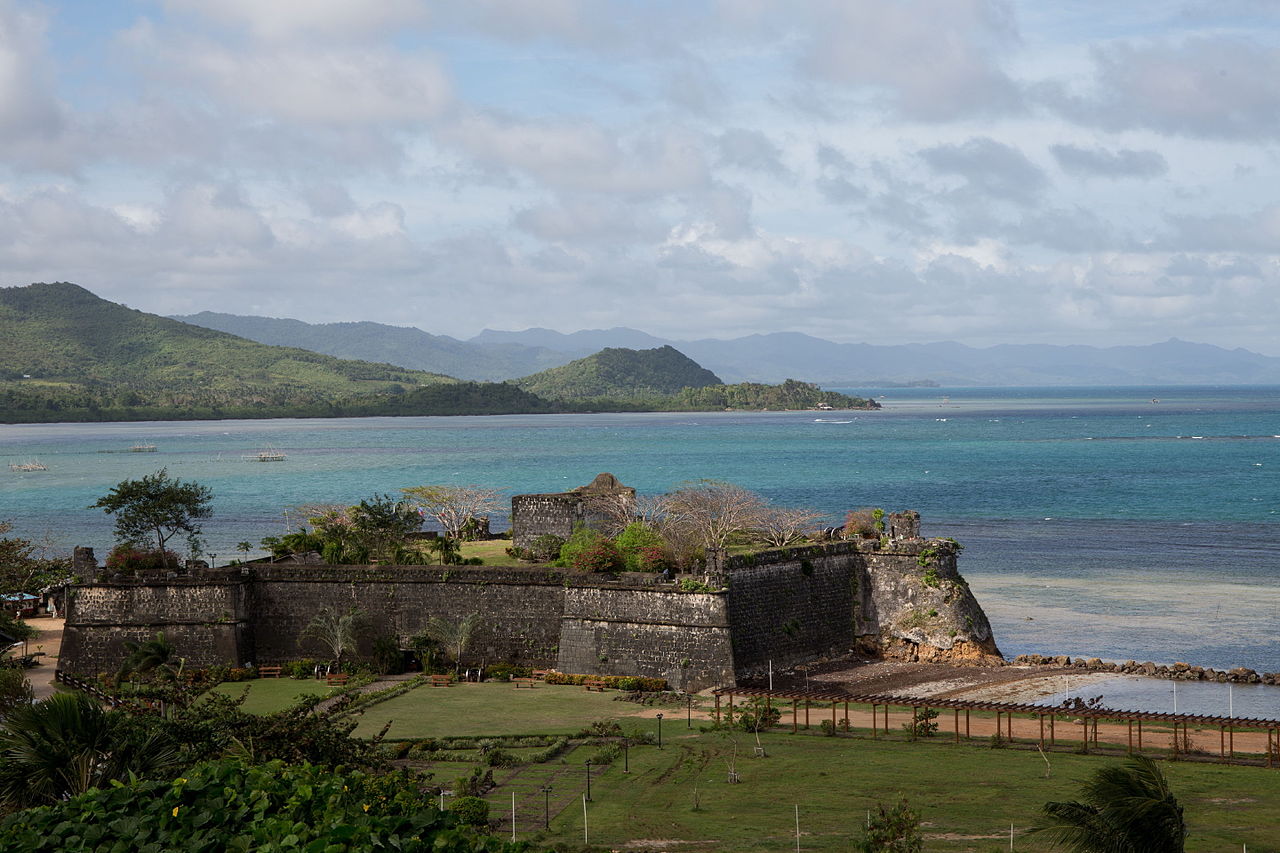
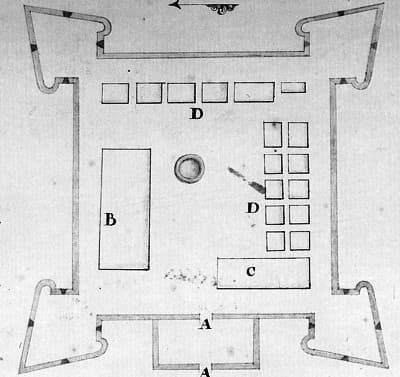
The fort is characterized by its square-shaped layout with four bastions at each corner, a design typical of bastioned fortresses of the post-Renaissance period. Constructed primarily from stone and coral blocks, the structure's robust walls were designed to withstand artillery attacks and provide vantage points for defenders. The use of coral stone was common in coastal fortifications in the Philippines due to its availability and durability.
The bastions allowed for crossfire coverage along the curtain walls, enhancing the fort's defensive capabilities. The fortress also included a central courtyard and facilities for the garrison, though much of the internal layout has been lost to time.
Historical context and significance
During the mid-18th century, the Philippines faced frequent raids from Muslim groups, particularly from the southern islands. The Spanish colonial government, along with religious orders such as the Recollect Augustinians, constructed several fortifications to secure their territories and mission settlements. Fort Culion was part of this broader defensive network.
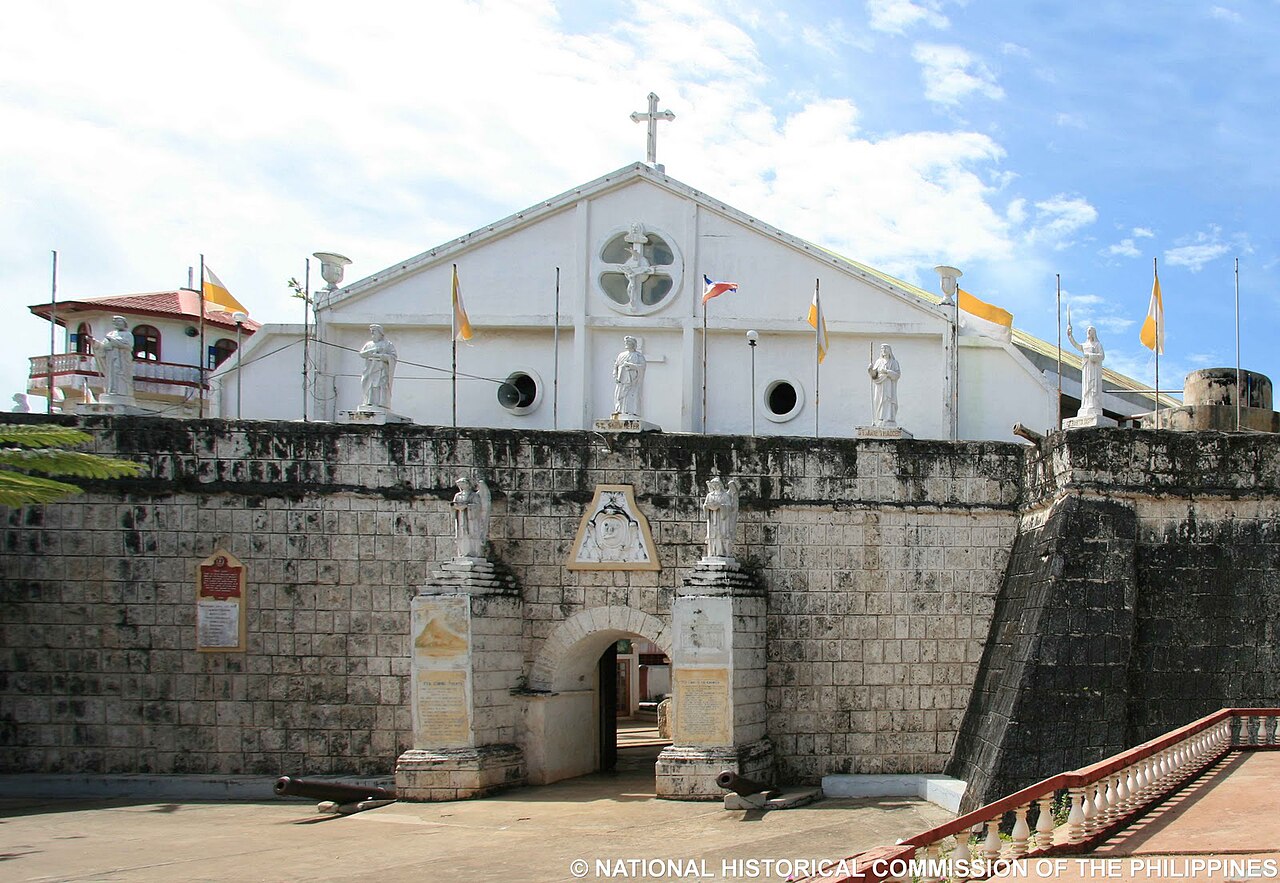
Its role extended beyond military defense; the fort also served as a symbol of Spanish authority and religious presence in the region. In 1930, the Jesuits repurposed the coral stones from the fort to build the walls of the Immaculate Conception Parish Church (also known as Culion Church), linking the fort's legacy to the local religious architecture.
Current condition and preservation
Today, Fort Culion stands in a ruined state, reflecting centuries of exposure to the elements and lack of extensive restoration. Despite this, several of its original features remain visible, including the canons positioned on the bastions and the remnants of its thick defensive walls.
The fort has been declared a historical landmark by the National Historical Commission of the Philippines in 1939, recognizing its cultural and historical importance. It currently functions as a lighthouse, continuing its legacy as a coastal sentinel.
Architectural features and legacy
The square plan with four bastions is a classic example of bastioned fortress architecture that evolved after the Renaissance to counter the threats posed by artillery warfare. This design allowed defenders to cover all approaches with overlapping fields of fire.
The use of coral stone and local materials reflects adaptation to the Philippine environment while maintaining European military architectural principles. The fort's remains provide valuable insights into Spanish colonial military engineering in Southeast Asia.
Visiting Fort Culion
While the fort is in ruins, it remains a site of interest for visitors exploring the history of the Philippines' colonial past. The visible artillery pieces and the imposing bastions offer a tangible connection to the island's defensive history. Visitors can also observe the nearby Immaculate Conception Parish Church, which incorporates materials from the fort, linking two significant historical landmarks.
Frequently asked questions (FAQ)
- What is the historical significance of Fort Culion?
- Fort Culion was built in 1740 by the Recollect Augustinians to defend against Muslim raids during the Spanish colonial period in the Philippines. It served as a military and religious stronghold in the region.
- Can I visit Fort Culion today?
- Yes, Fort Culion is accessible to visitors, although it is in ruins. Its bastions and canons remain visible, offering insight into 18th-century Spanish military architecture.
- How was Fort Culion constructed?
- The fort was built using stone and coral blocks in a square layout with four bastions, typical of bastioned fortresses designed for artillery defense during the post-Renaissance period.
- What happened to the materials from Fort Culion?
- In 1930, coral stones from Fort Culion were used by the Jesuits to build the walls of the Immaculate Conception Parish Church, also known as Culion Church.
- Is Fort Culion recognized as a historical landmark?
- Yes, the National Historical Commission of the Philippines declared Fort Culion a historical landmark in 1939, acknowledging its cultural and historical importance.
Photo gallery

Photo by Plano del fuerte de Culión, según el informe de Valdés Tamón.•Public domain
Information
Loading map...
Visitor reviews
No reviews yet. Been here? Write the first review and help other travelers!
Write the first reviewVisited this castle? Share your experience
Your review helps other travelers and adds first-hand knowledge to our encyclopedia.