Fort Cuyo
Fort Cuyo is a historic bastioned fortress constructed in 1680 during the Spanish colonial period in the Philippines. This 17th-century citadel was strategically built to defend the local population and Spanish settlers from Muslim raiders and other external threats prevalent in the region at the time.
Historical context and purpose
During the Renaissance period of the 16th and 17th centuries, Spanish colonial authorities in the Philippines faced frequent attacks from Muslim pirates and raiders coming from the southern islands. These incursions threatened the safety and stability of Spanish settlements and indigenous communities. To counter these threats, the Spanish implemented a network of fortified structures along vulnerable coastal and inland areas. Fort Cuyo was one such fortification, designed to serve as a defensive stronghold and refuge for locals.
Architectural design and features
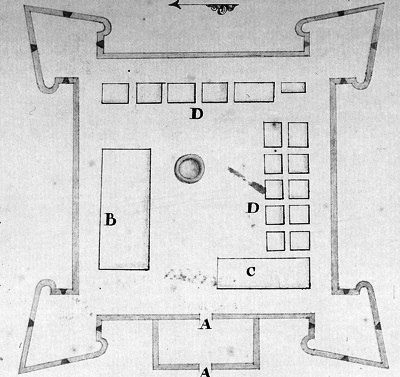
Fort Cuyo exemplifies the characteristics of a bastioned fortress, a military architectural style that emerged in response to advances in artillery technology. Its design includes angular bastions projecting from the main walls, allowing defenders to cover adjacent walls with overlapping fields of fire, reducing blind spots and enhancing defense against attackers.
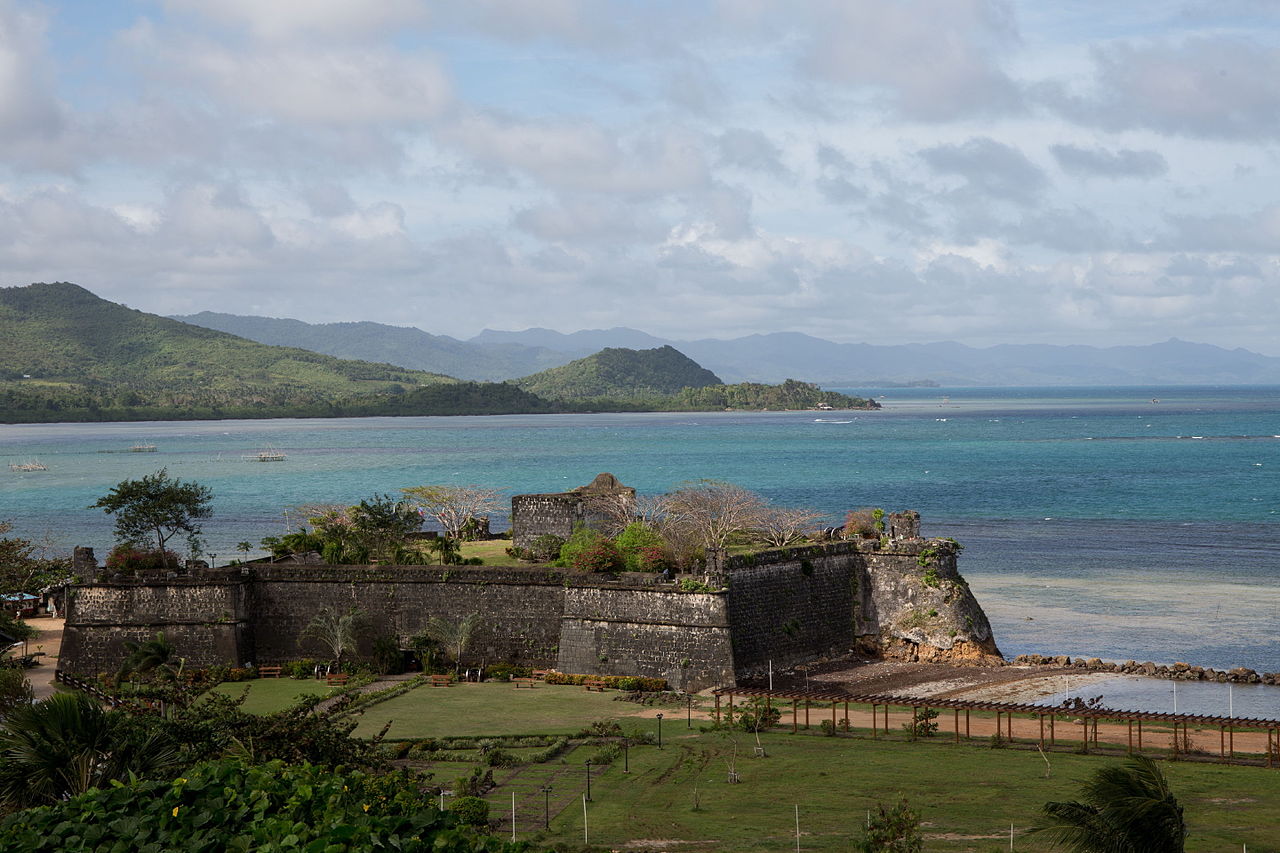
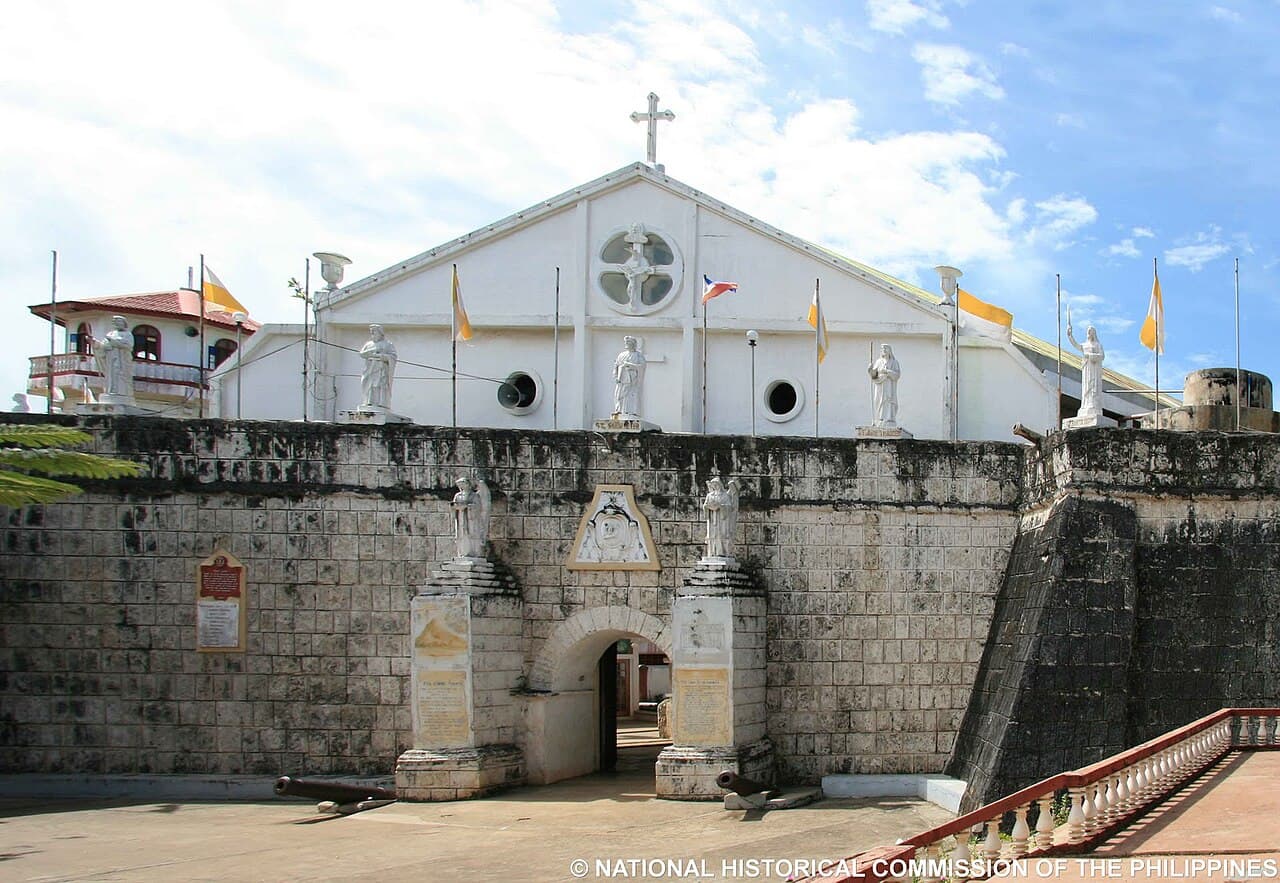
The fort's walls were likely constructed using local materials such as coral stone and bricks, common in Spanish colonial fortifications in the Philippines. These walls would have been thick and robust to withstand cannon fire and assaults.
Though detailed architectural plans or descriptions are scarce, typical bastioned forts of this era feature moats, gun platforms, and enclosed courtyards, which may also have been part of Fort Cuyo's layout.
Strategic location
While the exact city or town location of Fort Cuyo is not well documented, it is situated in a region vulnerable to maritime raids during the Spanish era. The fort's placement would have been chosen to maximize visibility and control over key access points, such as river mouths, coastal inlets, or trade routes, to provide early warning and defense against incoming threats.
Role in local history and legacy
Fort Cuyo played a vital role in protecting local communities during a turbulent period marked by frequent conflicts between Spanish colonizers and Muslim groups in the southern Philippines. The fortification helped secure Spanish influence and contributed to the gradual pacification of the region.
Today, Fort Cuyo stands as a testament to the military architecture and colonial history of the Philippines. Its preservation, condition, and accessibility may vary, but it remains an important cultural heritage site reflecting the complex interactions between colonial powers and local populations.
Preservation and tourism
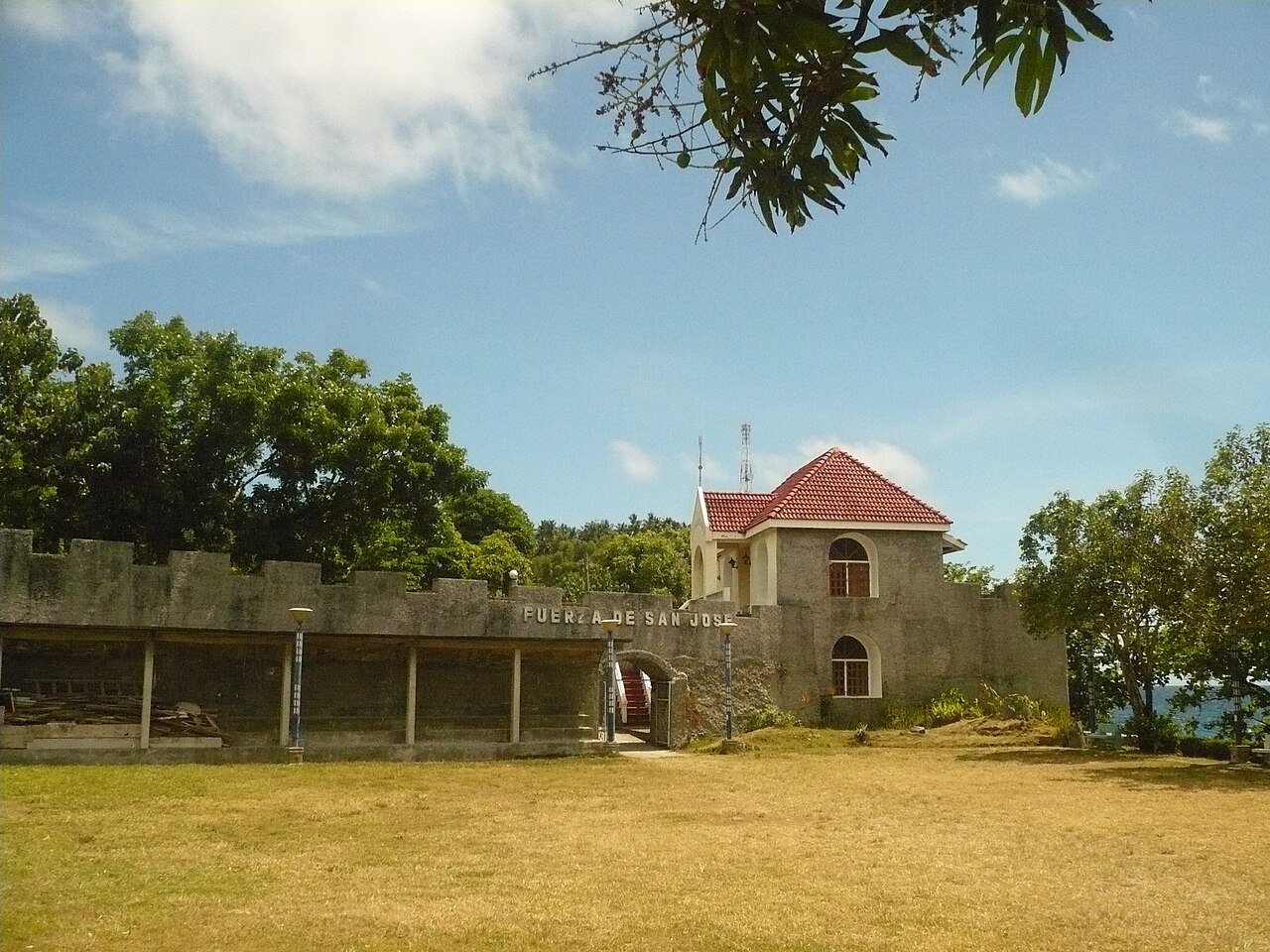
Information on the current condition and preservation status of Fort Cuyo is limited. Like many Spanish-era forts in the Philippines, it may be partially preserved or in ruins, depending on conservation efforts. Visitors interested in Spanish colonial military architecture and Philippine history may find Fort Cuyo a significant site to explore.
Frequently asked questions (FAQ)
- How do I get to Fort Cuyo?
- To reach Fort Cuyo, you can take a local ferry or boat service from nearby islands or the mainland. Once you arrive, local transportation options such as tricycles or walking paths are available to get to the fort's entrance.
- What is the historical significance of Fort Cuyo?
- Fort Cuyo is a historic fortress that dates back to the Spanish colonial period, serving as a military outpost to protect the area from pirates and invaders. Its preservation offers visitors insight into the Philippines' colonial history and military architecture.
- When was Fort Cuyo built?
- Construction of Fort Cuyo began in the late 17th century, specifically around 1680, and it was completed in the early 18th century. The fort has been an important landmark for centuries, showcasing the strategic military designs of its time.
- Can I take photographs inside Fort Cuyo?
- Yes, visitors are welcome to take photographs inside Fort Cuyo, allowing you to capture its stunning architecture and beautiful surroundings. However, it is advisable to be respectful of other visitors and the historical significance of the site.
- Why is Fort Cuyo a popular tourist destination?
- Fort Cuyo is popular among tourists for its rich history, breathtaking views of the ocean, and well-preserved architecture. The combination of cultural significance and natural beauty makes it an attractive spot for history buffs and nature lovers alike.
- Is it possible to explore the inside of the fort?
- Yes, visitors can explore various areas of Fort Cuyo, including its walls and lookout points. Guided tours may be available to provide additional insights into the fort's history and its role in the region.
- What are the opening hours of Fort Cuyo?
- Fort Cuyo is typically open to visitors daily from 8:00 AM to 5:00 PM. It is advisable to check for any seasonal changes or special closures before planning your visit.
- What are the ticket prices for Fort Cuyo?
- Entry to Fort Cuyo is generally affordable, with ticket prices around PHP 50 for adults and discounts available for seniors and students. It's best to confirm the latest pricing details upon your arrival.
- What is the best time to visit Fort Cuyo?
- The best time to visit Fort Cuyo is during the dry season, from November to April, when the weather is more pleasant and conducive for exploring. Visiting during weekdays may also provide a quieter experience compared to weekends.
- Are there any nearby attractions to Fort Cuyo?
- Yes, nearby attractions include beautiful beaches, local markets, and other historical sites that showcase the culture of the region. Exploring the surrounding area can enhance your visit to Fort Cuyo.
Photo gallery

Photo by National Historical Commission of the Philippines•Public domain
Information
Loading map...
Visitor reviews
No reviews yet. Been here? Write the first review and help other travelers!
Write the first reviewVisited this castle? Share your experience
Your review helps other travelers and adds first-hand knowledge to our encyclopedia.