Fort Rinella
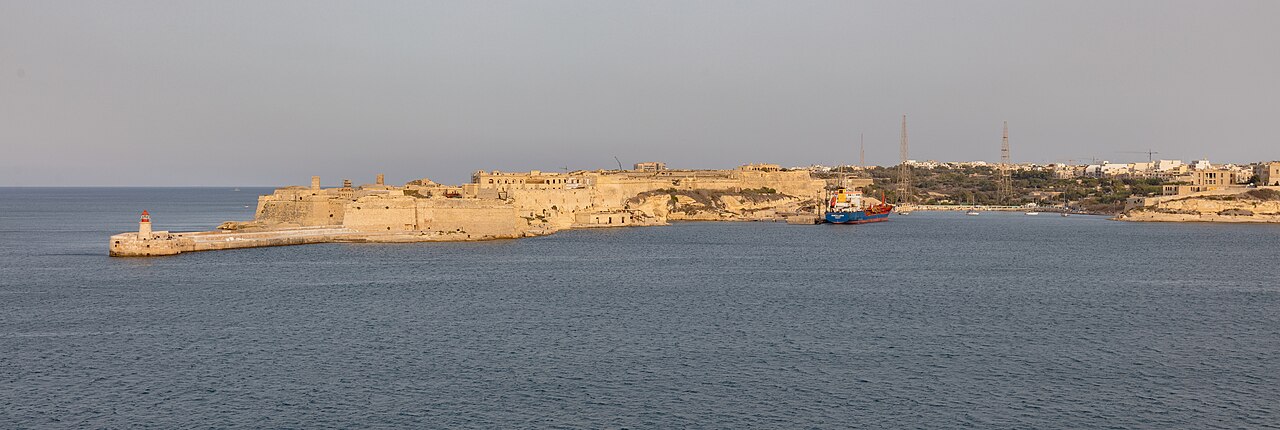
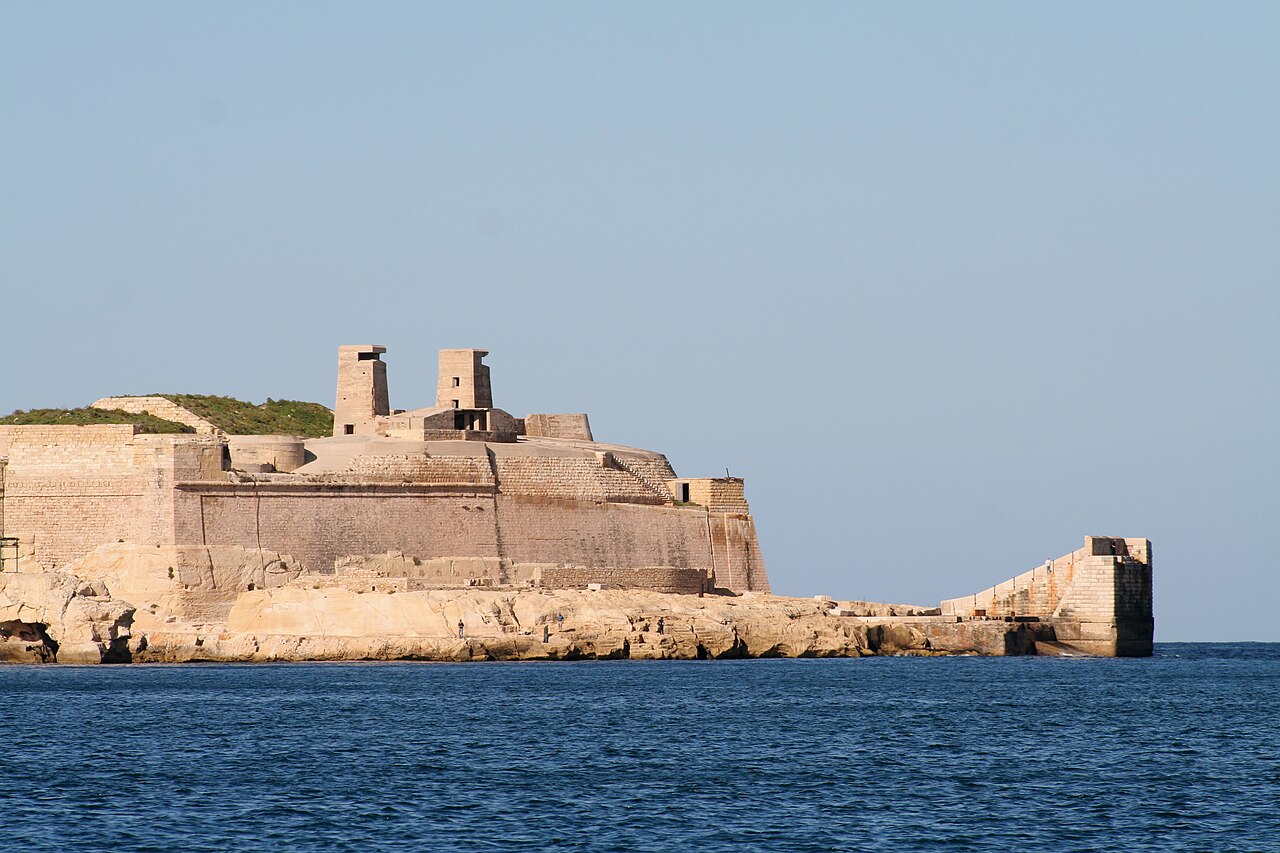
Fort Rinella stands as a remarkable example of Victorian coastal artillery architecture, constructed by the British Empire between 1878 and 1886 in Kalkara, Malta. This modern period fortification was part of a strategic series of four coastal batteries built in Malta and Gibraltar to house the formidable Armstrong 100-ton gun, a weapon designed to counter the rising naval power of Italy in the Mediterranean during the late 19th century.
Strategic context and construction
The impetus for Fort Rinella's construction arose from Britain's concern about maintaining naval dominance in the Mediterranean. Italy was rapidly expanding and modernizing its navy, prompting the British War Department to commission heavily armed fortifications at key points. In Malta, two sites at the entrance to the Grand Harbour were selected for these massive batteries: one at Sliema and the other at Rinella Bay.
Fort Rinella was designed as an irregular pentagonal fortification surrounded by a deep dry ditch, which was defended by three caponiers and a counter-scarp gallery. This layout provided comprehensive enfilading fire along the ditch, enhancing the fort's defensive capabilities against infantry assault. The fort was constructed on two levels: the underground level housed the magazines and loading chambers, while the ground level contained accommodation quarters and machinery rooms essential for operating the massive artillery piece.
The Armstrong 100-ton gun and its installation
The centerpiece of Fort Rinella is undoubtedly the Armstrong 100-ton gun, which arrived from Woolwich in 1882. The transportation of this colossal weapon from the Dockyard to Rinella Bay was a monumental feat, requiring about 100 men from the 1st Brigade Scottish Royal Artillery Division to manually haul it over several months until it was positioned in January 1884.
The gun was mounted en barbette on a wrought-iron sliding carriage, allowing it to fire over the parapet without exposing the crew to enemy fire. Due to its massive size and weight, manual operation was impossible; instead, an ingenious hydraulic system was employed to traverse and load the gun. This innovation made Fort Rinella the first battery equipped with a mechanically operated artillery piece, reflecting advanced military engineering of the era.
Design modifications and operational history
After the fort's completion in 1886, inspections by War Department officials led to modifications intended to improve its resilience against bombardment. Much of the masonry riveting within the gun emplacement was removed, and two musketry positions on the roof were filled with earth to enhance protection. Additionally, the gun's machinery underwent upgrades to improve efficiency.
Despite its impressive design and firepower, the 100-ton guns were declared obsolete by 1906, just twenty years after Fort Rinella's completion. The fort was subsequently stripped of its machinery and abandoned as a frontline defense installation. Notably, these guns never fired in combat, highlighting the rapid pace of military technological change in the early 20th century.
Later use and preservation
Following its military obsolescence, Fort Rinella served as a Position Finding Station for nearby Fort Ricasoli until the mid-1930s. Later, the fort was transferred to the Admiralty before being surrendered to the Government of Malta in 1965. Today, Fort Rinella is a well-preserved example of late 19th-century coastal artillery fortifications and is open to the public as a historic site.
Architectural and historical significance
Fort Rinella is a unique military structure that illustrates the evolution of coastal defense technology during the modern period. Its design incorporates hydraulic artillery mechanisms, defensive ditches, and enfilading caponiers that reflect contemporary military engineering principles. The fort's preservation offers insight into British imperial defense strategies and the technological arms race of the late 1800s in the Mediterranean region.
The site attracts historians, military enthusiasts, and tourists interested in Victorian military architecture and the history of Malta's strategic role in Mediterranean geopolitics.
Frequently asked questions (FAQ)
- What is the historical significance of Fort Rinella?
- Fort Rinella, built in 1878, is a coastal artillery fortification that reflects Malta's strategic military importance during the British colonial period. It houses one of the world's largest cannons, the Armstrong 100-ton gun, showcasing advanced engineering of its time. The fort played a crucial role in defending the Grand Harbour and offers insights into Malta's military history.
- When was Fort Rinella built?
- Fort Rinella was constructed between 1878 and 1886 as part of the British Empire's efforts to strengthen its naval defenses in the Mediterranean. The fortification was designed to protect the Grand Harbour from potential attacks, particularly from the threat of the Italian navy. Its construction represents a significant period in Malta's military architecture.
- What are the opening hours of Fort Rinella?
- Fort Rinella is typically open to visitors from 9:00 AM to 5:00 PM, with extended hours during the summer months. It is advisable to check the official website for any seasonal changes or special events that may affect visiting times. Guided tours are often available, enhancing the experience for history enthusiasts.
- Can I visit Fort Rinella with children?
- Yes, Fort Rinella is family-friendly and offers a fascinating experience for visitors of all ages. Children can learn about the history of the fort and the significance of its artillery through engaging exhibits and demonstrations. Additionally, the spacious grounds provide a safe environment for exploration.
- Is it possible to take guided tours at Fort Rinella?
- Yes, guided tours are available at Fort Rinella, providing in-depth insights into its history and architecture. Knowledgeable guides share interesting stories and facts that bring the fort to life for visitors. It is recommended to book tours in advance, especially during peak tourist seasons.
- What is the best time to visit Fort Rinella?
- The best time to visit Fort Rinella is during the spring and fall months when the weather is mild and pleasant. These seasons also tend to have fewer crowds, allowing for a more enjoyable experience. Summer can be hot, but early morning visits can help avoid the heat while still enjoying the fort's attractions.
- What are the ticket prices for Fort Rinella?
- Ticket prices for Fort Rinella are generally affordable, with discounts available for students and seniors. A family pass is often offered, making it budget-friendly for those visiting with children. It's a good idea to check the official website for the most current pricing details and any special offers.
- How do I get to Fort Rinella?
- Fort Rinella is easily accessible by public transport, with several bus routes serving the area. There is also parking available for those who prefer to drive. The fort is located near other attractions in Kalkara, making it a convenient stop for a day of exploration.
- What nearby attractions can I visit after Fort Rinella?
- After visiting Fort Rinella, you can explore several nearby attractions, such as the picturesque Kalkara waterfront and the historic village of Birgu. The Malta Maritime Museum and Fort St. Angelo are also within a short distance, providing a rich cultural experience. These sites complement the historical insights gained at Fort Rinella, making for a full day of discovery.
Information
Website
Visit websiteSources & official resources
Verify the information above using these authoritative references.
Loading map...
Visitor reviews
No reviews yet. Been here? Write the first review and help other travelers!
Write the first reviewVisited this castle? Share your experience
Your review helps other travelers and adds first-hand knowledge to our encyclopedia.