Fort Saint-Elme
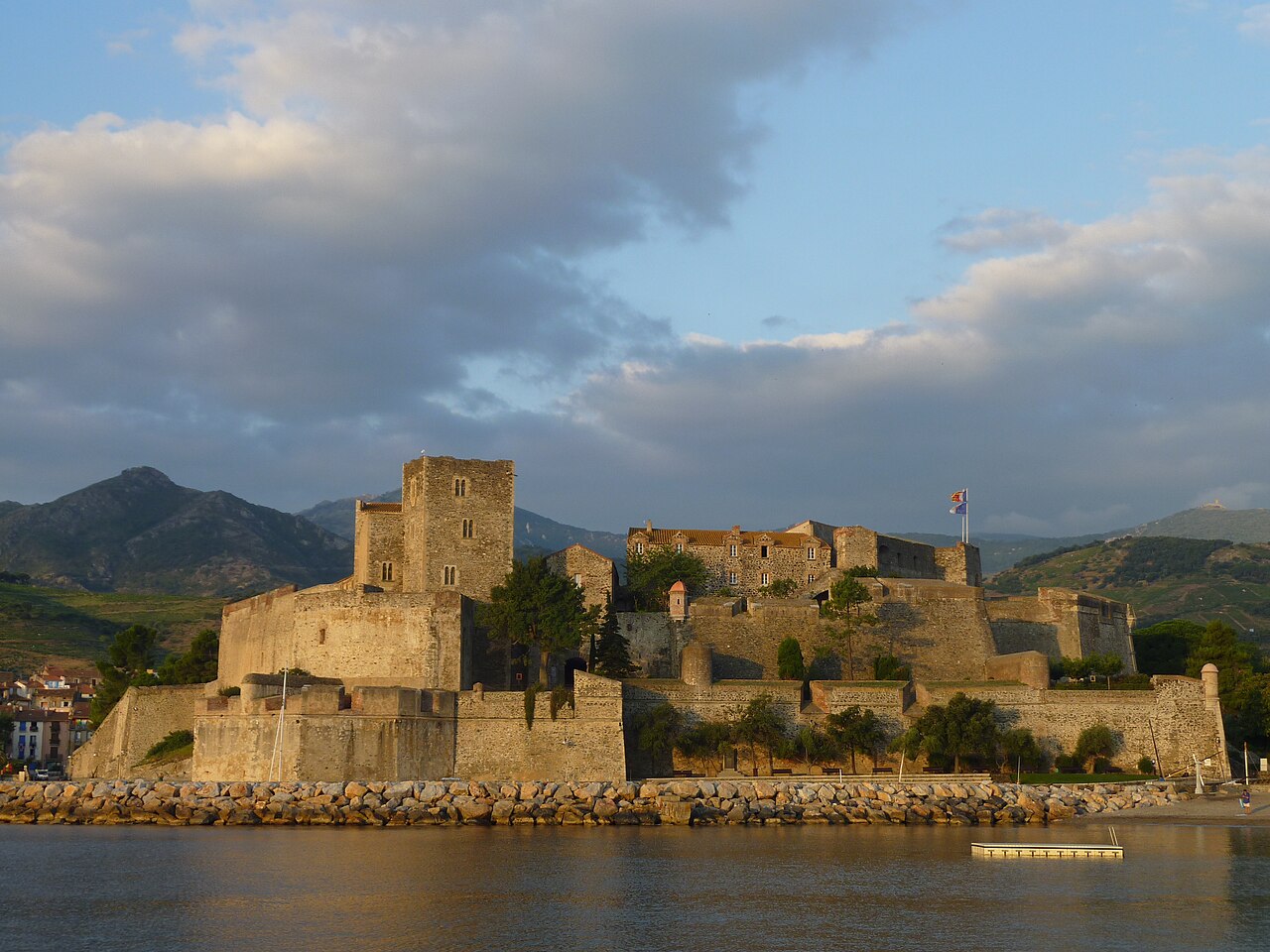
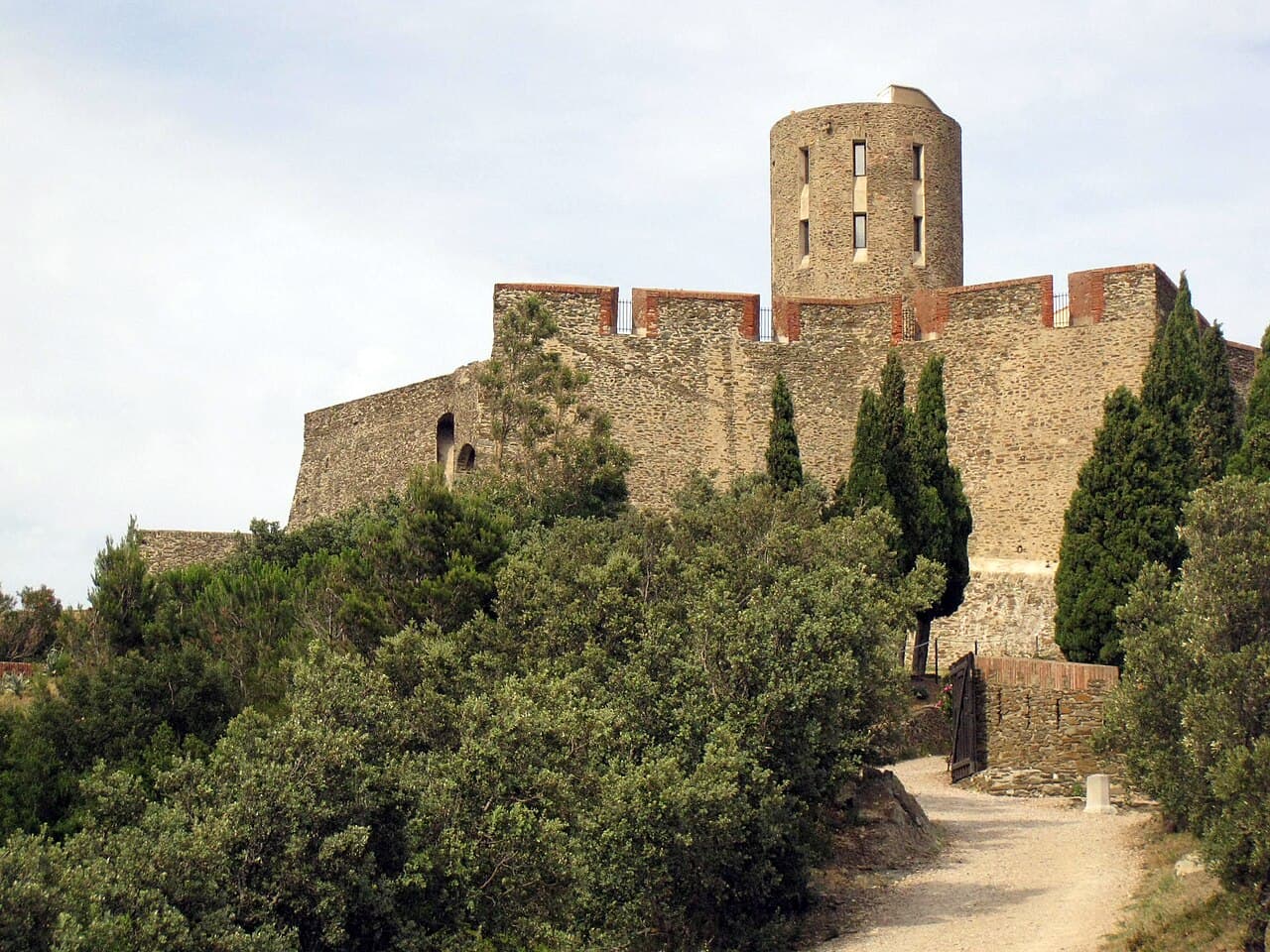
Fort Saint-Elme is a remarkable example of a Renaissance bastioned fortress constructed between 1538 and 1552 during the reign of Charles V. Located in the district of Collioure, about 30 kilometres southeast of Perpignan in the Pyrénées-Orientales department, this fort holds significant military and architectural importance as part of the coastal defenses of the Côte Vermeille region.
Historical context and strategic importance
Built in the mid-16th century, Fort Saint-Elme was designed to guard the Mediterranean coastline and protect the nearby town of Collioure from naval invasions and piracy. Its construction coincided with a period of intense military innovation, when the introduction of artillery required new defensive designs. The fort's location atop a hill overlooking the sea provided a commanding vantage point for monitoring maritime traffic and defending against enemy fleets.
The fort's construction was part of a broader effort by the Spanish Crown, under Emperor Charles V, to strengthen its border defenses in the region, which was contested between France and Spain during this era. The strategic position of Collioure made Fort Saint-Elme a crucial element in controlling access to the Roussillon coastline and safeguarding the surrounding territories.
Architectural features and design
Fort Saint-Elme exemplifies the bastioned fortress style characteristic of the Renaissance period, reflecting advances in military architecture designed to withstand cannon fire and siege warfare. The fort features a polygonal layout with angled bastions projecting outward, allowing defenders to cover all approaches with overlapping fields of fire.
The walls are constructed of thick stone masonry, designed to absorb and deflect artillery shots. The bastions are equipped with embrasures for cannons, and the fort includes a well-planned system of ramparts, parapets, and firing positions. The defensive perimeter is complemented by a dry moat, enhancing its protection against infantry assaults.
The interior of the fort contains various military buildings, including barracks, storage rooms, and powder magazines. The design balances defensive strength with practical considerations for housing troops and storing supplies during prolonged sieges.
Terrace and panoramic views
One of the fort's notable features is its terrace, which offers sweeping views of the Mediterranean Sea, the town of Collioure, and the surrounding landscape. This vantage point was vital for early detection of enemy ships and remains a highlight for visitors today.
Evolution and historical use
Throughout its history, Fort Saint-Elme played a role in various military conflicts, including the Franco-Spanish wars and later periods of regional unrest. Its fortifications were updated over time to adapt to changing military technologies and threats.
By the 19th century, the fort's military importance declined with the advent of new artillery and changes in warfare. It eventually ceased to function as an active military installation but was preserved due to its historical and architectural value.
Modern use and cultural significance
Since 2008, Fort Saint-Elme has operated as a museum, presenting collections of medieval and Renaissance arms and hosting various exhibitions related to the region's military history. The museum offers visitors an immersive experience of the fort's past, including displays of weaponry, armor, and historical artifacts.
The site is designated as a monument historique of the Côte Vermeille, reflecting its protected status and importance to French cultural heritage. Visitors can explore the fort's ramparts, bastions, and interior chambers while enjoying the panoramic views from the terrace, making it a popular destination for history enthusiasts and tourists alike.
Visitor information
The fort is accessible to the public with guided tours and educational programs that highlight its architectural features and historical significance. Its location near Collioure makes it convenient for travelers exploring the Mediterranean coast and the rich cultural landscape of southern France.
Frequently asked questions (FAQ)
- How do I get to Fort Saint-Elme from Perpignan?
- Fort Saint-Elme is located about 30 kilometres southeast of Perpignan. Visitors can reach Collioure by car or regional train, and from there, the fort is accessible by a short hike or local transport.
- What can I see inside Fort Saint-Elme museum?
- The museum displays collections of medieval and Renaissance arms, including weapons, armor, and historical artifacts, along with exhibitions on the fort's military history.
- When was Fort Saint-Elme built and by whom?
- Fort Saint-Elme was constructed between 1538 and 1552 under the reign of Charles V to protect the Mediterranean coast near Collioure.
- Is Fort Saint-Elme suitable for family visits?
- Yes, the fort offers educational exhibits and panoramic views that appeal to visitors of all ages, making it a family-friendly destination.
- What architectural style characterizes Fort Saint-Elme?
- Fort Saint-Elme is an example of Renaissance bastioned fortress architecture, designed to withstand artillery attacks with angled bastions and thick stone walls.
Photo gallery

Information
Opening hours
10:00-18:00, daily
Ticket prices
Varies by exhibition, generally moderate
Current owner
State museum
Loading map...
Visitor reviews
No reviews yet. Been here? Write the first review and help other travelers!
Write the first reviewVisited this castle? Share your experience
Your review helps other travelers and adds first-hand knowledge to our encyclopedia.