Fort Rice
Fort Rice (Lakota: Psíŋ Otȟúŋwahe, meaning "Wild Rice Village") was a significant frontier military fort established in the 19th century in what was then the Dakota Territory, now the state of North Dakota. Named after American Civil War General James Clay Rice, the fort played a crucial role in the United States' westward expansion and military presence during the turbulent post-Civil War period.
Historical context and establishment
The fort was constructed in 1864 during the height of the Indian Wars as part of a strategic effort to secure the northern plains and protect settlers and trade routes from Native American resistance. It was positioned near the Missouri River, a vital artery for transportation and supply. Fort Rice was built to serve as a stronghold against the Lakota and other tribes resisting encroachment on their lands.
The fort's garrison included the 50th Wisconsin Infantry Regiment, which arrived in October 1865, among other military units tasked with frontier defense. The presence of these troops at Fort Rice was instrumental in maintaining U.S. control over the region during a period of frequent conflicts and treaty negotiations.
Architectural design and features
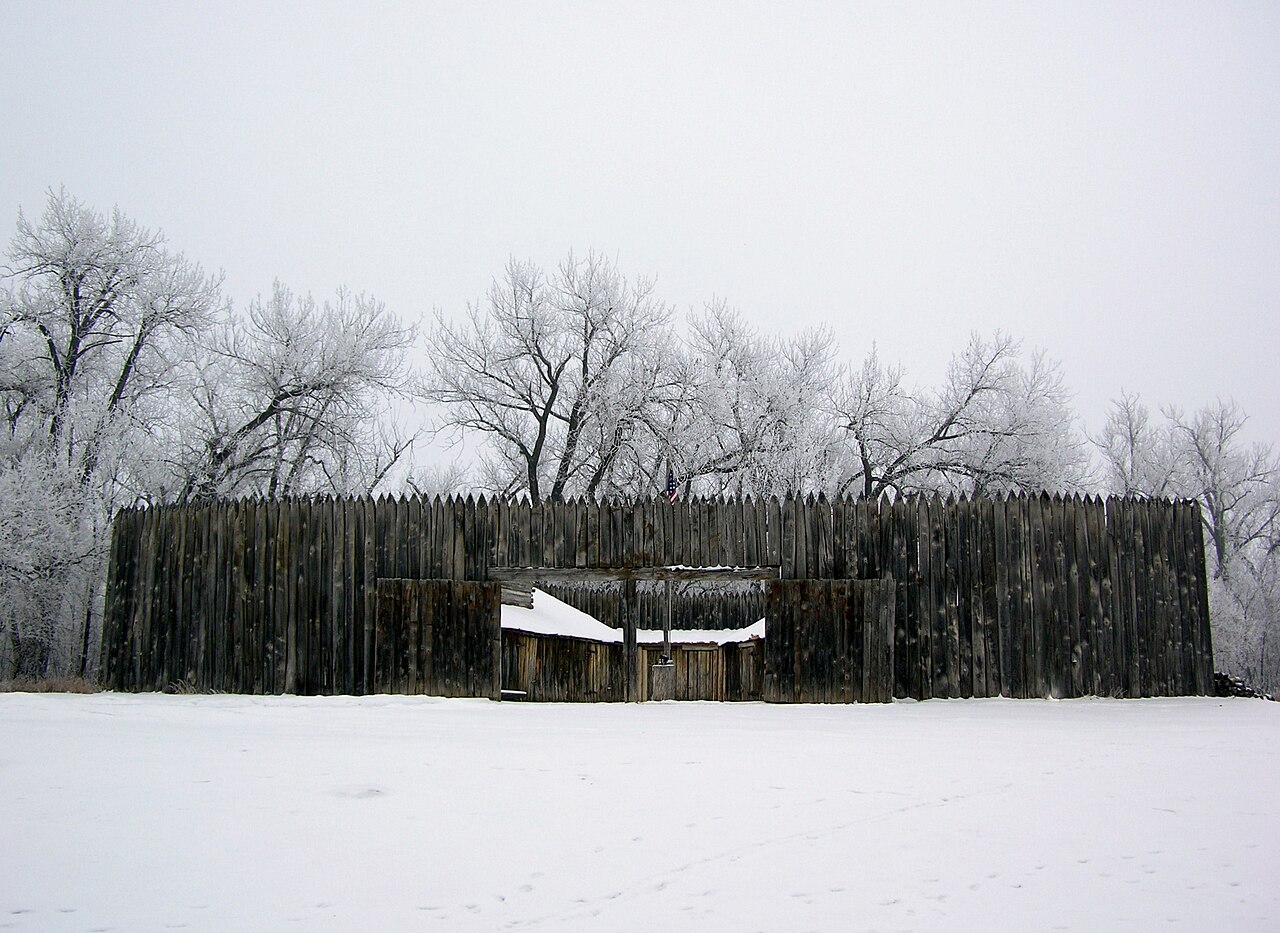
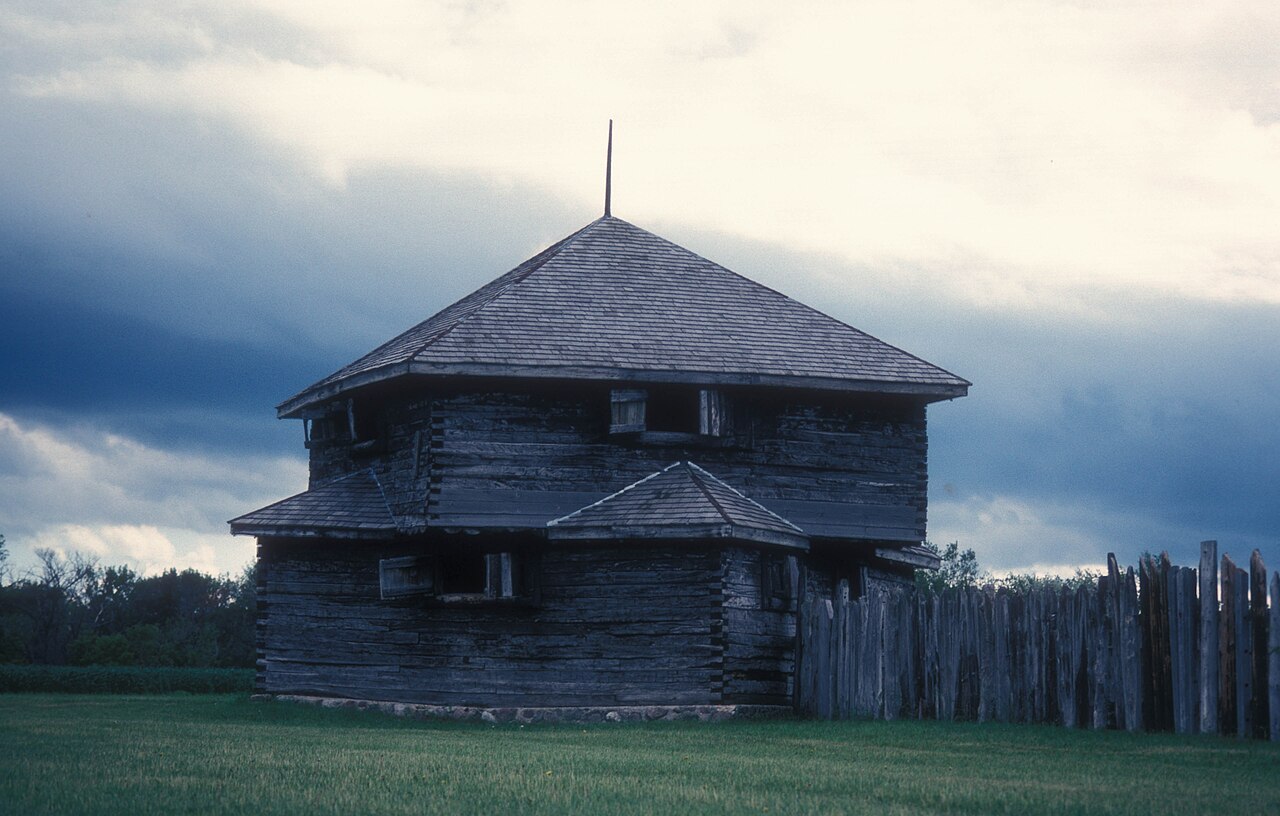
Fort Rice was designed as a bastioned fortress, a style that incorporates angular bastions projecting from the main walls to provide defensive fire coverage along all approaches. This design was typical of military forts built in the 19th century to withstand attacks and sieges. The fort included robust earthworks and wooden palisades, complemented by artillery placements on the bastions.
The layout of the fort was organized around a central parade ground, with barracks, officers' quarters, storage facilities, and other support buildings arranged systematically. Defensive ditches and ramparts surrounded the fort, enhancing its protective capabilities against potential assaults.
Military significance and operations
Throughout its active years, Fort Rice served as a base for military campaigns and patrols aimed at controlling the northern plains. It was a staging ground for expeditions during the Great Sioux War of 1876-77 and other conflicts involving the Lakota and allied tribes.
The fort's strategic location allowed the U.S. Army to monitor movements along the Missouri River and to project power into the surrounding territories. It also functioned as a supply depot and communication hub for military operations in the region.
Decline and present condition
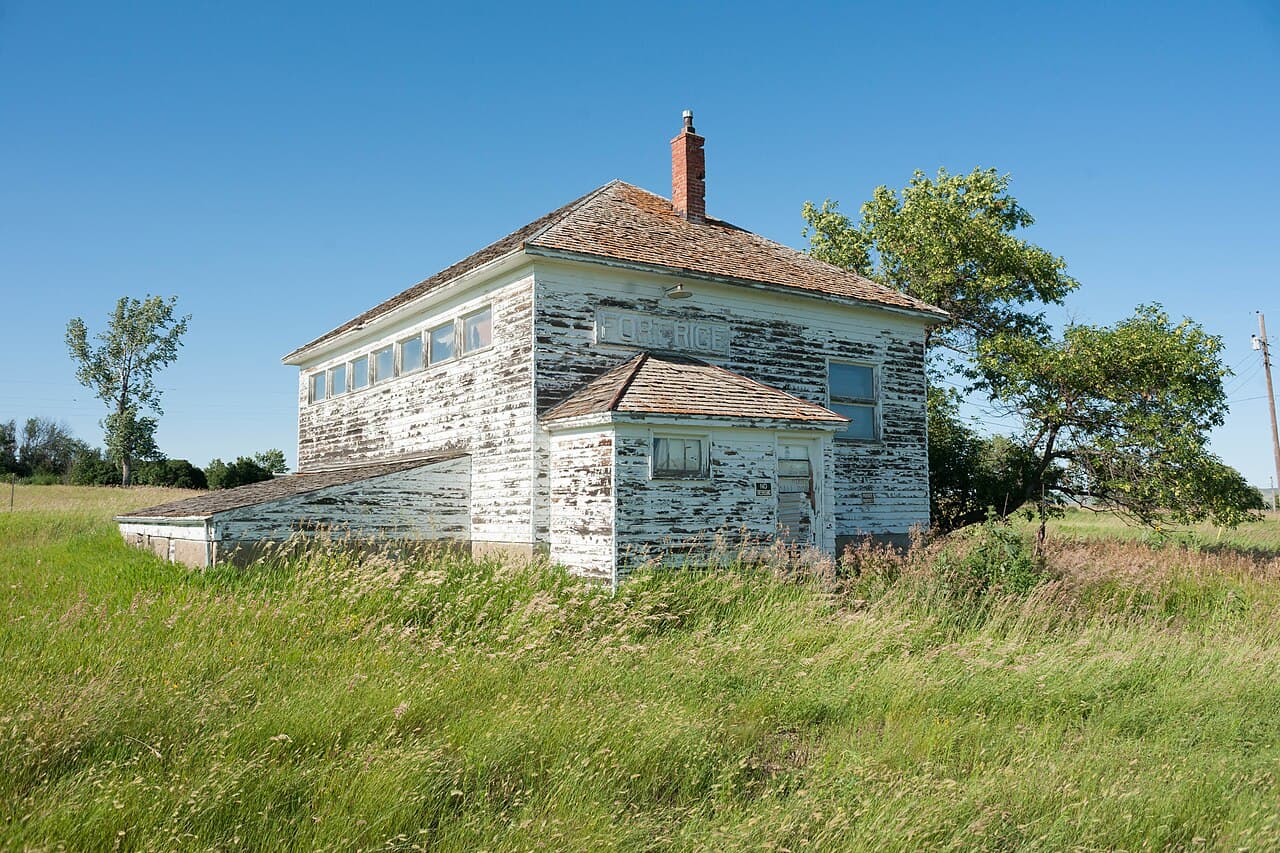
Fort Rice was eventually abandoned as military priorities shifted and Native American resistance diminished. The fort fell into disuse by the late 19th century, and today it remains an archaeological site with remnants of its earthworks and foundations visible.
Archaeological investigations have helped to uncover the fort's layout and construction techniques, providing valuable insights into frontier military architecture and life during the post-Civil War era. The site is recognized for its cultural and historical significance, reflecting the complex interactions between the U.S. government and Native American peoples during westward expansion.
Legacy and cultural importance
Fort Rice holds an important place in the history of the American West. It symbolizes the military efforts to control and settle the frontier and the resistance faced from indigenous populations. The fort's Lakota name, Psíŋ Otȟúŋwahe, acknowledges the native heritage and the natural environment of the region, particularly the wild rice that grew nearby.
Today, Fort Rice is a subject of historical study and interest, with efforts to preserve its remains and educate the public about its role in shaping the history of North Dakota and the broader United States.
Frequently asked questions (FAQ)
- When was Fort Rice built and for what purpose?
- Fort Rice was built in 1864 during the Indian Wars to serve as a military stronghold protecting settlers and trade routes in the Dakota Territory.
- What architectural style characterizes Fort Rice?
- Fort Rice was designed as a bastioned fortress, featuring angular bastions for defensive coverage, earthworks, and wooden palisades typical of 19th-century military forts.
- Which military units were stationed at Fort Rice?
- The 50th Wisconsin Infantry Regiment was among the primary garrisons stationed at Fort Rice starting in October 1865, playing a key role in frontier defense.
- What is the current condition of Fort Rice?
- Fort Rice is now an archaeological site with visible remnants of its earthworks and foundations, reflecting its historical military architecture.
- Why is Fort Rice historically significant?
- Fort Rice was a strategic military post during the American frontier era, important for controlling the northern plains and supporting U.S. expansion during the Indian Wars.
Photo gallery

Information
Loading map...
Visitor reviews
No reviews yet. Been here? Write the first review and help other travelers!
Write the first reviewVisited this castle? Share your experience
Your review helps other travelers and adds first-hand knowledge to our encyclopedia.