Fort Reis Magos
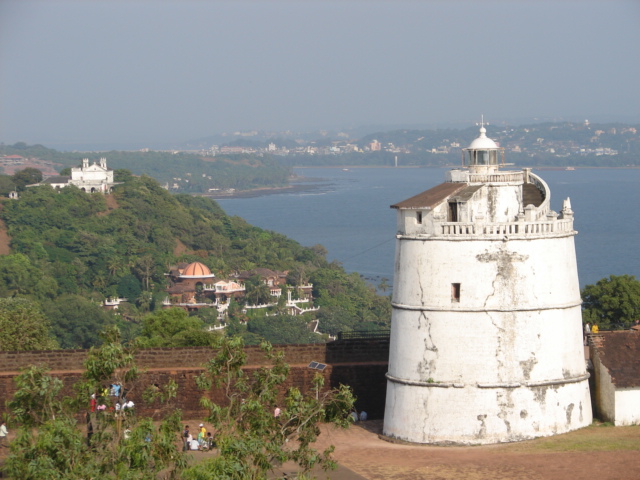
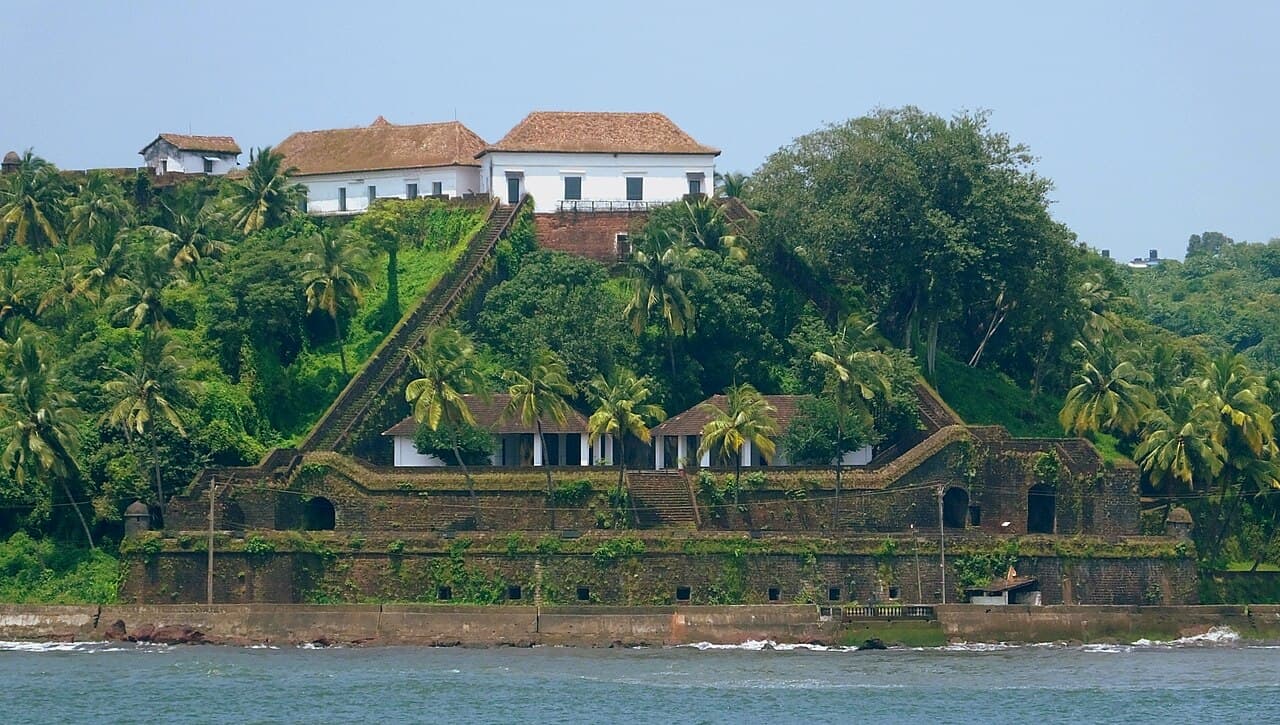
Fort Reis Magos, located in the Indian state of Goa, is a significant example of a 16th-century bastioned fortress constructed during the Renaissance period. This fort was strategically built to guard the mouth of the Mandovi River, which was a vital waterway for trade and defense. Its position allowed it to control naval access to the region and protect the colonial interests of the Portuguese, who ruled Goa for several centuries.
Historical context and construction
The construction of Fort Reis Magos began in the mid-1500s, a period marked by European colonial expansion in Asia. The Portuguese, having established a foothold in Goa, fortified their holdings to defend against rival colonial powers and local resistance. The fort's name, "Reis Magos," translates to "Magi Kings," reflecting its dedication to the biblical Three Wise Men, a common dedication in Portuguese colonial architecture.
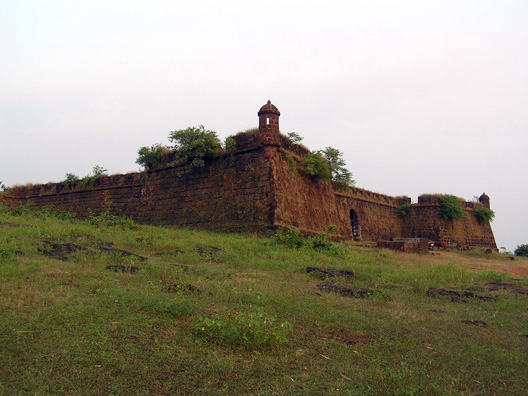
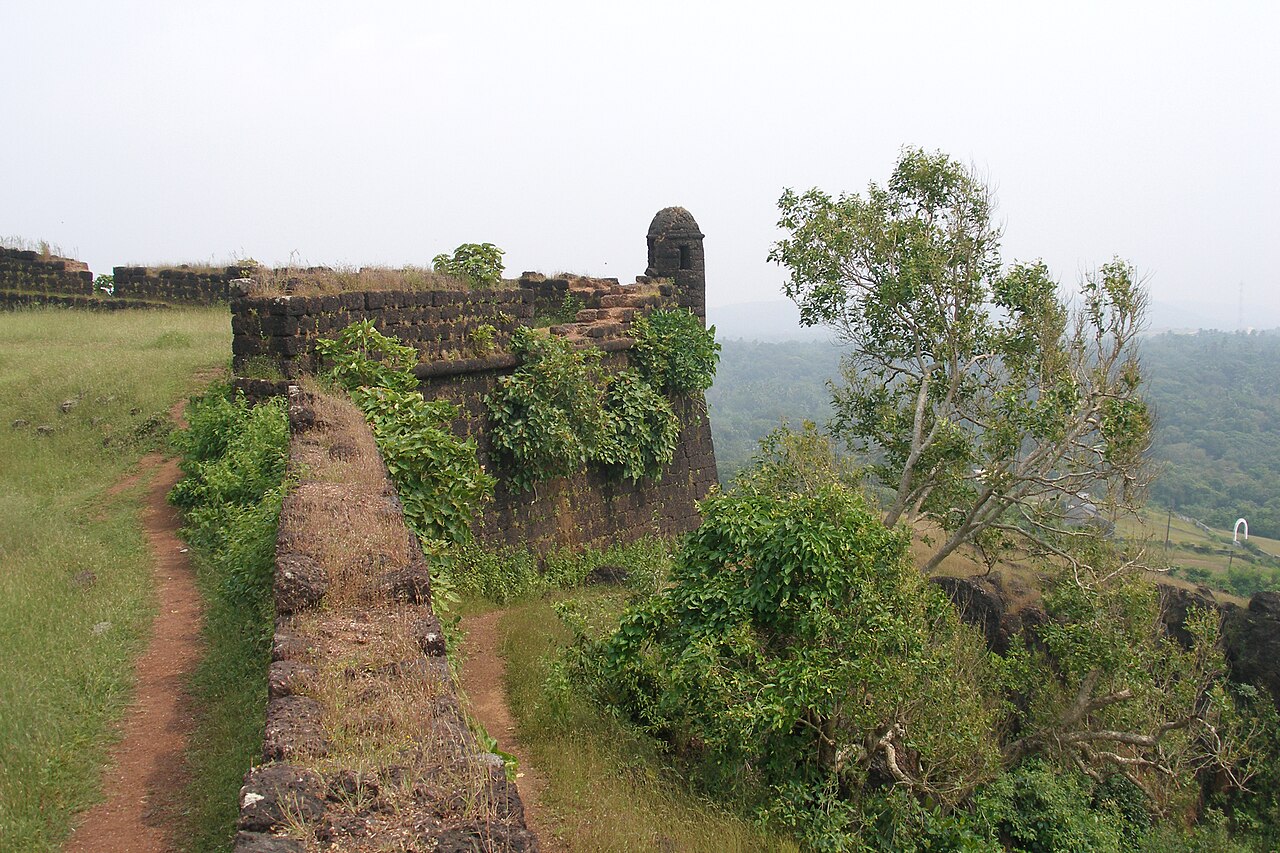
The fort was built using robust laterite stone, a material commonly found in the region, which provided durability against tropical weather and attacks. Its design features thick bastioned walls that allowed defenders to cover all approaches with cannon fire, a hallmark of Renaissance military architecture adapted to the local geography.
Architectural features and layout
Fort Reis Magos is characterized by its star-shaped bastions, a typical feature of bastioned fortresses designed to eliminate blind spots and improve defensive capabilities. The fort includes a main gate fortified with a drawbridge and a moat, which further enhanced its defense against invaders.
Inside, the fort contains barracks, a chapel, and storage rooms, arranged around a central courtyard. The chapel is notable for its simple yet elegant design, reflecting the Portuguese colonial religious influence. The fort's walls are punctuated by embrasures for cannons and muskets, demonstrating its military function.
Strategic importance and military role
Throughout its history, Fort Reis Magos served as a frontline defense against naval attacks and piracy in the Arabian Sea. Its elevated position overlooking the river and the sea allowed the Portuguese to monitor and control maritime traffic effectively. The fort played a crucial role in securing Portuguese dominance in the region until the decline of their colonial power.
Later history and preservation
After the Portuguese era, the fort's military significance diminished, and it underwent periods of neglect. However, restoration efforts have been undertaken to preserve its structure and historical value. Today, Fort Reis Magos stands as a well-preserved monument, open to visitors interested in Goa's colonial past and military architecture.
The fort is managed by local heritage organizations and serves as a cultural landmark. It offers panoramic views of the Mandovi River and the Arabian Sea, attracting tourists and history enthusiasts alike.
Visiting fort reis magos
Visitors to Fort Reis Magos can explore its bastioned walls, the chapel, and the central courtyard. The site provides interpretive displays about its history and architecture. The best time to visit is during the cooler months from November to February, avoiding the monsoon season, which can make access difficult.
Frequently asked questions (FAQ)
- What is the historical significance of Fort Reis Magos?
- Fort Reis Magos, built in 1551, is one of the oldest forts in Goa, India. It played a crucial role in defending the region against invasions and served as a strategic military outpost for the Portuguese. Today, it stands as a testament to the colonial history and architectural prowess of that era.
- When was Fort Reis Magos constructed?
- Fort Reis Magos was constructed in the year 1551 by the Portuguese to protect the Mandovi River and the surrounding area. It was strategically located to defend against potential threats from the Marathas and other invaders. The fort has since been renovated and is a popular historical site.
- How do I get to Fort Reis Magos?
- Fort Reis Magos is easily accessible by road and is located just a few kilometers from the city of Panaji. Visitors can take a taxi or use local transportation to reach the fort. There is also parking available for those who choose to drive.
- Is Fort Reis Magos accessible for visitors with disabilities?
- While Fort Reis Magos has made efforts to be more accessible, some areas may be challenging for visitors with mobility issues due to the fort's historical structure and uneven surfaces. It is advisable to check with local guides or staff for the best routes and assistance when visiting.
- What are the opening hours of Fort Reis Magos?
- Fort Reis Magos is open to visitors from 9:30 AM to 5:30 PM, Tuesday to Sunday. It remains closed on Mondays. Visitors are encouraged to arrive early to explore the fort and enjoy the stunning views of the Mandovi River.
- Can I take photographs inside Fort Reis Magos?
- Yes, photography is permitted inside Fort Reis Magos, and visitors are encouraged to capture the beautiful architecture and scenic views. However, it is advisable to be respectful of other guests and avoid using flash in certain areas.
- What is the ticket price for entering Fort Reis Magos?
- The entry fee for Fort Reis Magos is quite affordable, typically around INR 10 for Indian citizens and INR 100 for foreign tourists. This nominal fee helps preserve the fort and maintain its historical significance. Children under a certain age may enter for free.
- When is the best time to visit Fort Reis Magos?
- The best time to visit Fort Reis Magos is during the winter months, from November to February, when the weather is cooler and more pleasant. This is also the peak tourist season in Goa, so visitors can enjoy various cultural events and activities in the region. Early mornings or late afternoons provide the best lighting for photography.
- Are there any nearby attractions to visit after Fort Reis Magos?
- Yes, after visiting Fort Reis Magos, you can explore nearby attractions such as the Reis Magos Church and the beautiful beaches of Candolim and Calangute. Additionally, the vibrant capital city of Panaji offers various dining and shopping options for a complete day out.
Photo gallery

Information
Loading map...
Visitor reviews
No reviews yet. Been here? Write the first review and help other travelers!
Write the first reviewVisited this castle? Share your experience
Your review helps other travelers and adds first-hand knowledge to our encyclopedia.