Fort Pulaski National Monument
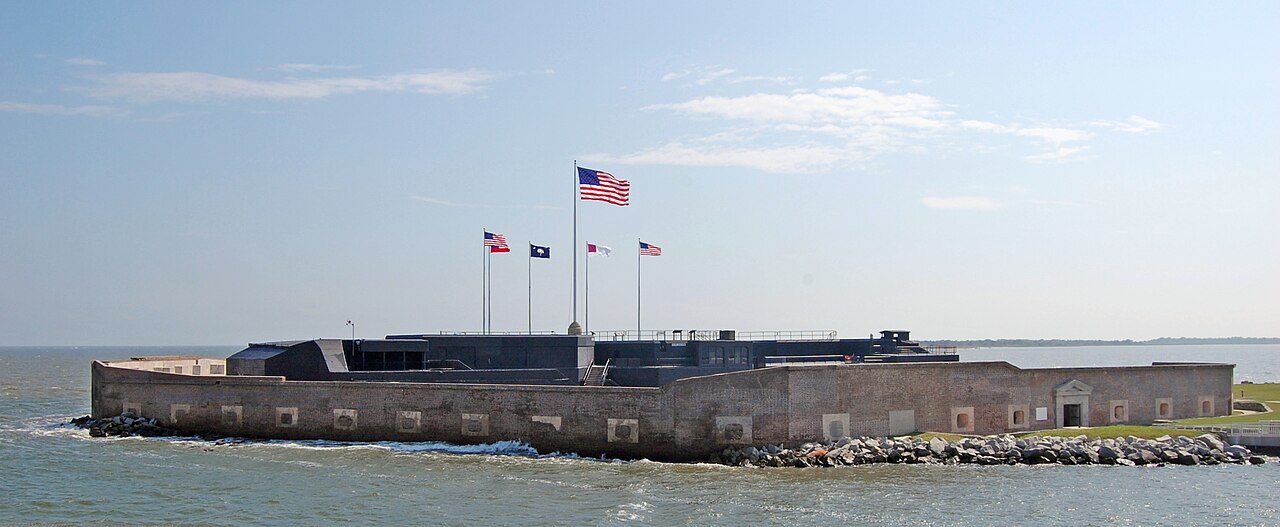
Fort Pulaski National Monument is a significant historic site located on Cockspur Island, Georgia, positioned strategically between Savannah and Tybee Island. This bastioned fortress was constructed in the 19th century as part of the coastal defense system designed to protect the vital port of Savannah and the surrounding waterways. The fort's imposing walls and defensive design reflect the military engineering principles of the era, emphasizing the use of thick brick masonry and bastions to provide overlapping fields of fire against naval assault.
Construction and design of fort pulaski
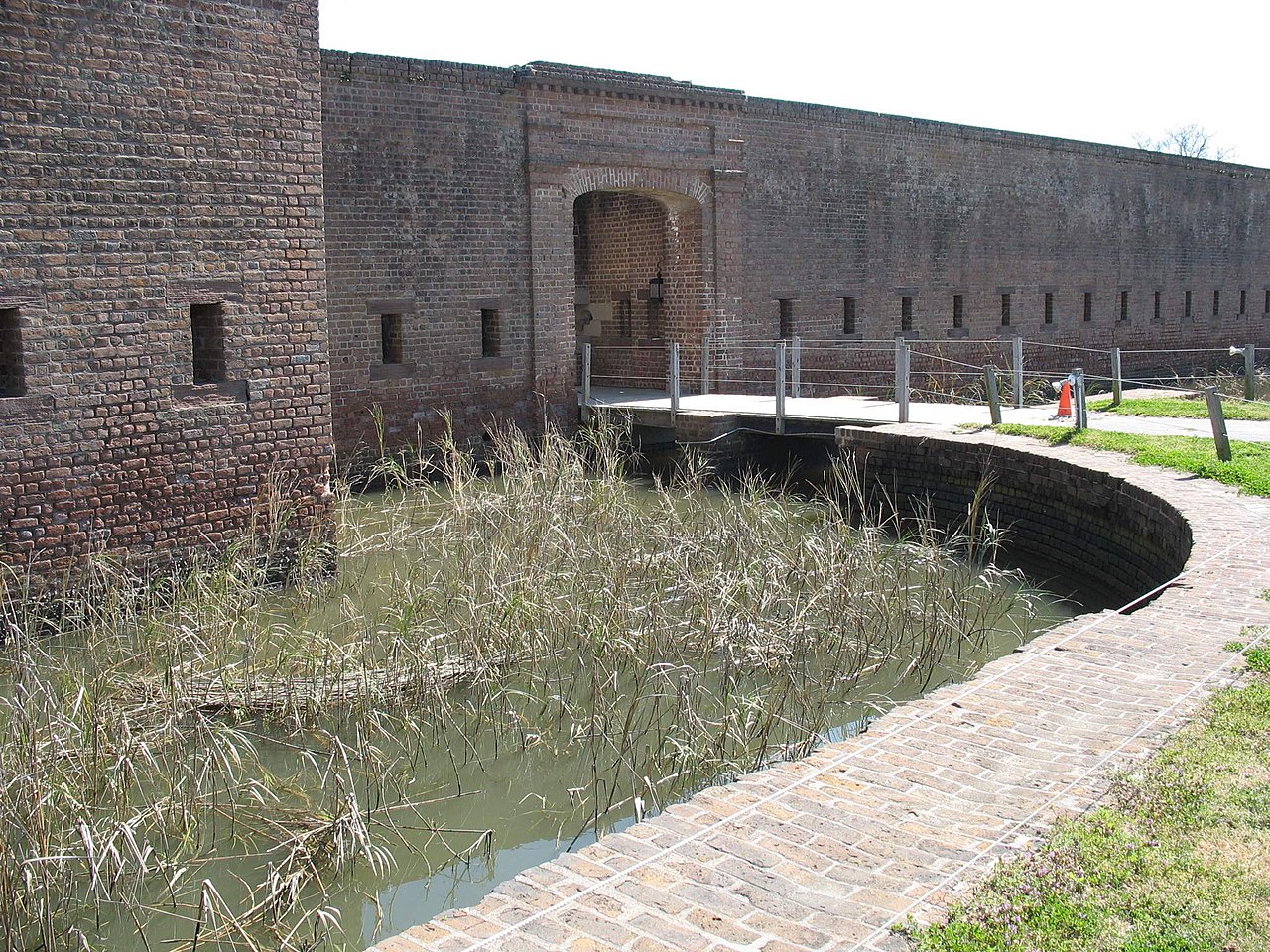
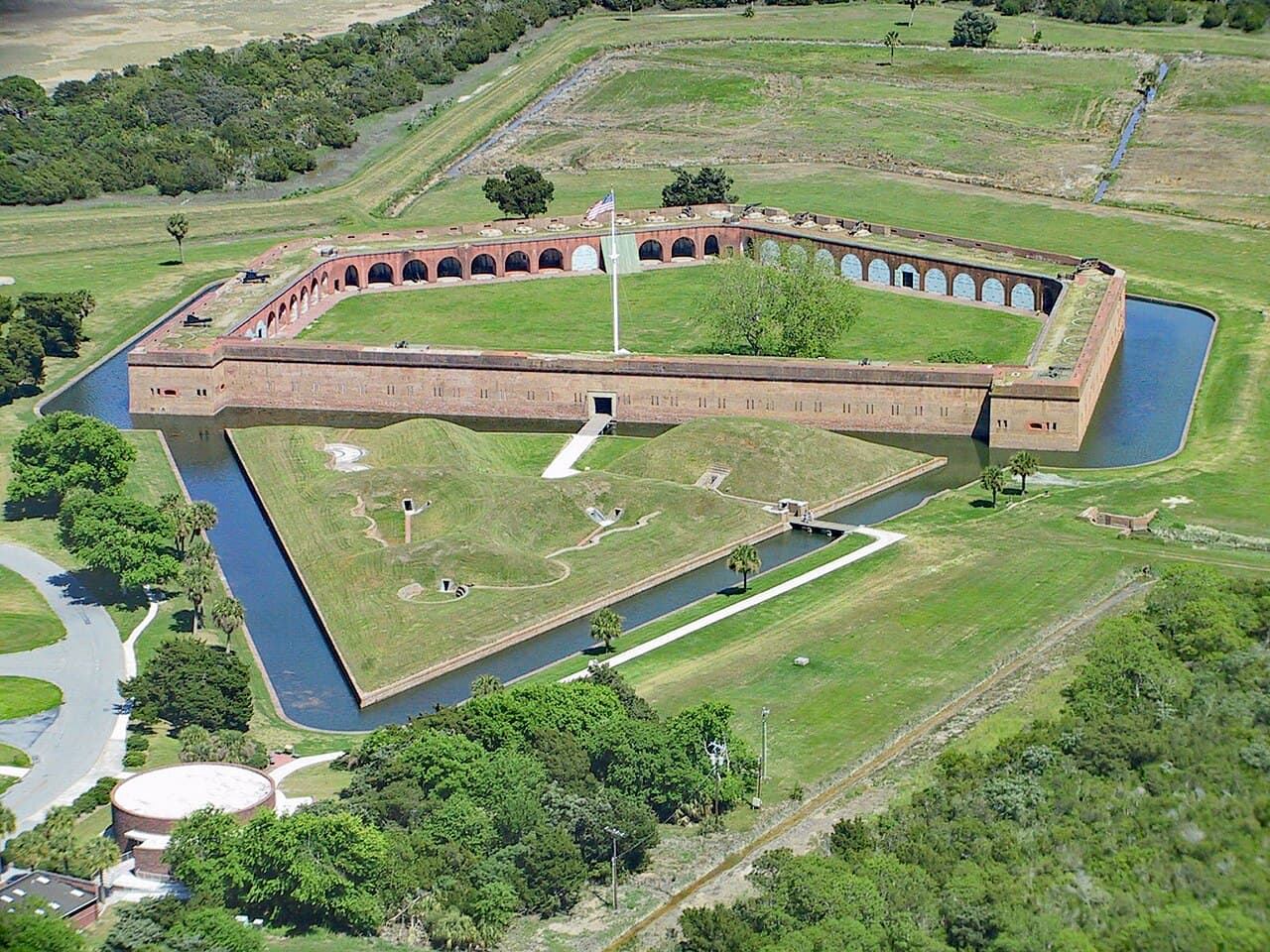
Construction of Fort Pulaski began in 1829 and was completed in 1847, embodying the bastioned fortress style derived from European military architecture. The fort features a pentagonal layout with five bastions projecting outward, allowing defenders to cover all approaches with cannon fire. The walls reach up to 7 feet thick, constructed primarily of brick, designed to withstand the artillery of the early 19th century. The fort's moat and drawbridge further enhanced its defensive capabilities, creating a formidable barrier against attackers.
Architectural features
The fort includes multiple tiers of casemates—vaulted chambers within the walls—that housed artillery pieces protected from enemy fire. These casemates also served as barracks and storage areas, demonstrating the multifunctional use of space within the fortress. The parade ground at the center of the fort was used for troop assembly and drills. The design incorporated embrasures for cannon placement and firing, with the bastions arranged to provide crossfire coverage.
Historical significance during the american civil war
Fort Pulaski is most renowned for its role in the American Civil War. In April 1862, Union forces laid siege to the fort during the Battle of Fort Pulaski. This engagement marked a pivotal moment in military history due to the use of rifled cannons by the Union Army. These rifled artillery pieces demonstrated superior range and accuracy compared to traditional smoothbore cannons, allowing Union forces to breach the fort's thick brick walls from a distance previously thought impossible.
The successful bombardment led to the fort's surrender after just 30 hours, effectively rendering traditional brick fortifications obsolete in modern warfare. This event highlighted the transformative impact of rifled artillery on military engineering and fortification design worldwide.
Use as a prisoner-of-war camp
Following its capture, Fort Pulaski was repurposed by Union forces as a prisoner-of-war camp. The fort housed Confederate prisoners under harsh conditions, reflecting the broader context of wartime imprisonment during the Civil War. The site remains a somber reminder of the human cost of the conflict.
Preservation and current status
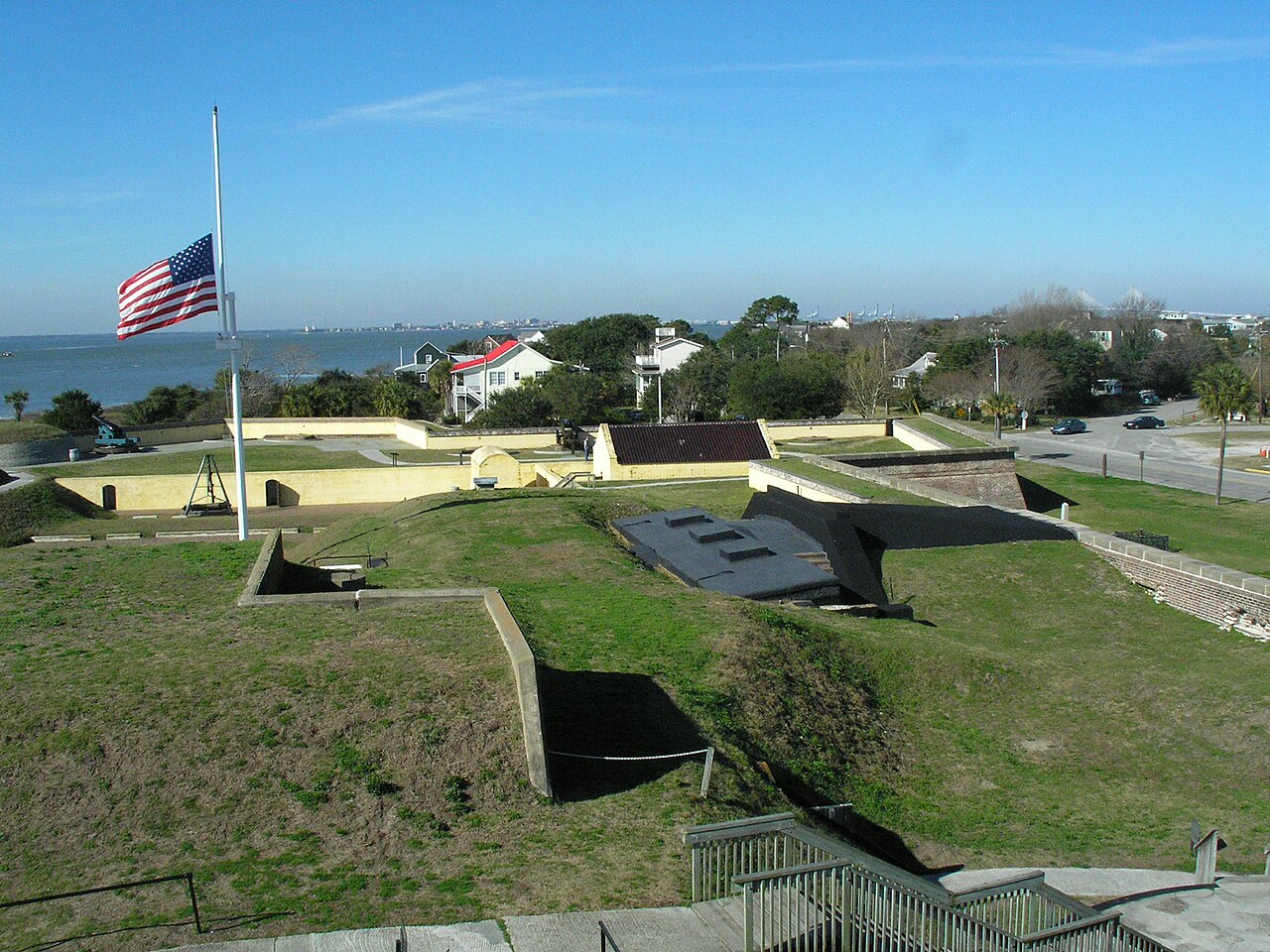
Today, Fort Pulaski National Monument encompasses most of Cockspur Island and adjacent McQueens Island. The site is managed by the National Park Service and is well preserved, offering visitors insight into 19th-century military architecture and Civil War history. The fort's walls, casemates, and moat remain largely intact, providing a tangible connection to its past.
The monument includes a visitor center with exhibits detailing the fort's construction, military significance, and role during the Civil War. Educational programs, guided tours, and reenactments help interpret the site's history for the public. The surrounding natural environment, including salt marshes and tidal creeks, adds ecological value to the monument.
Visitor information and access
Fort Pulaski is accessible by ferry from nearby Tybee Island or by car via a causeway. The site offers walking trails around the fort and through the island's natural areas. Visitors can explore the fort's interior, including the parade ground and casemates, and learn about the evolution of military technology and coastal defense strategies.
The monument is open year-round with seasonal variations in hours. Admission is generally free, supporting public access to this important cultural and historical resource.
Frequently asked questions (FAQ)
- How do I get to Fort Pulaski National Monument?
- Fort Pulaski is accessible by ferry from Tybee Island or by car via a causeway, with parking available near the visitor center.
- What is the historical significance of Fort Pulaski?
- Fort Pulaski is notable for the 1862 Union siege where rifled cannons breached its walls, marking a turning point in military fortification history.
- Can I explore the interior of Fort Pulaski?
- Yes, visitors can tour the fort's interior, including the parade ground, casemates, and moat, to learn about 19th-century military architecture.
- Is there an admission fee to visit Fort Pulaski?
- Admission to Fort Pulaski National Monument is free, making it accessible for all visitors interested in history and architecture.
- When is the best time to visit Fort Pulaski?
- The fort is open year-round, but spring and fall offer mild weather ideal for exploring the outdoor trails and historic structures.
Photo gallery

Information
Ticket prices
Free
Current owner
National Park Service
Loading map...
Visitor reviews
No reviews yet. Been here? Write the first review and help other travelers!
Write the first reviewVisited this castle? Share your experience
Your review helps other travelers and adds first-hand knowledge to our encyclopedia.