Fort Moultrie
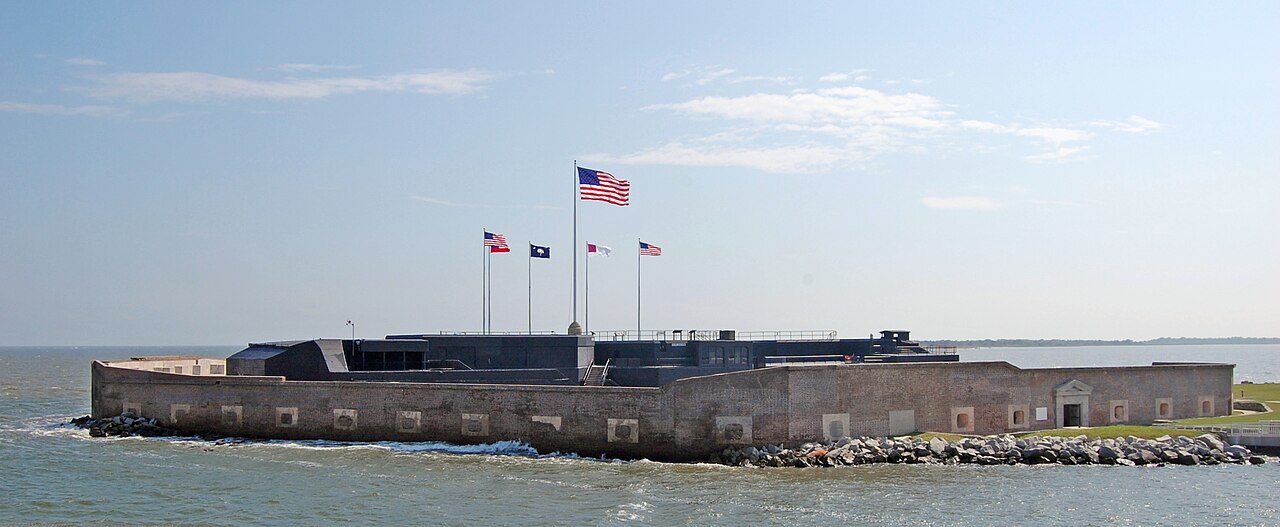
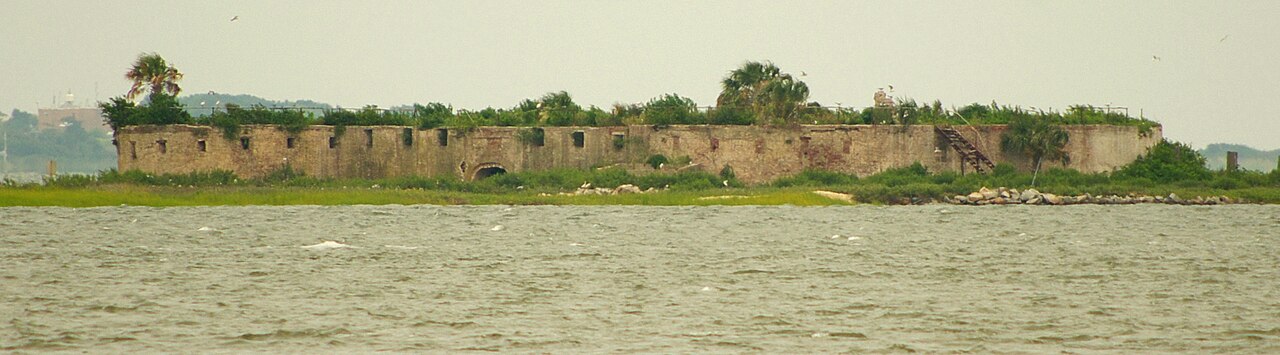
Fort Moultrie is a prominent bastioned fortress located on Sullivan's Island, South Carolina, constructed in the 18th century to defend the vital port city of Charleston. Originally known as Fort Sullivan, this fortification was built primarily from palmetto logs, a material chosen for its remarkable ability to absorb cannon fire without splintering. This unique construction inspired the design of the South Carolina state flag and earned the state its enduring nickname, "The Palmetto State." The fort was renamed in honor of General William Moultrie, the patriot commander who led the successful defense against the British during the Battle of Sullivan's Island in 1776.
Early construction and strategic importance
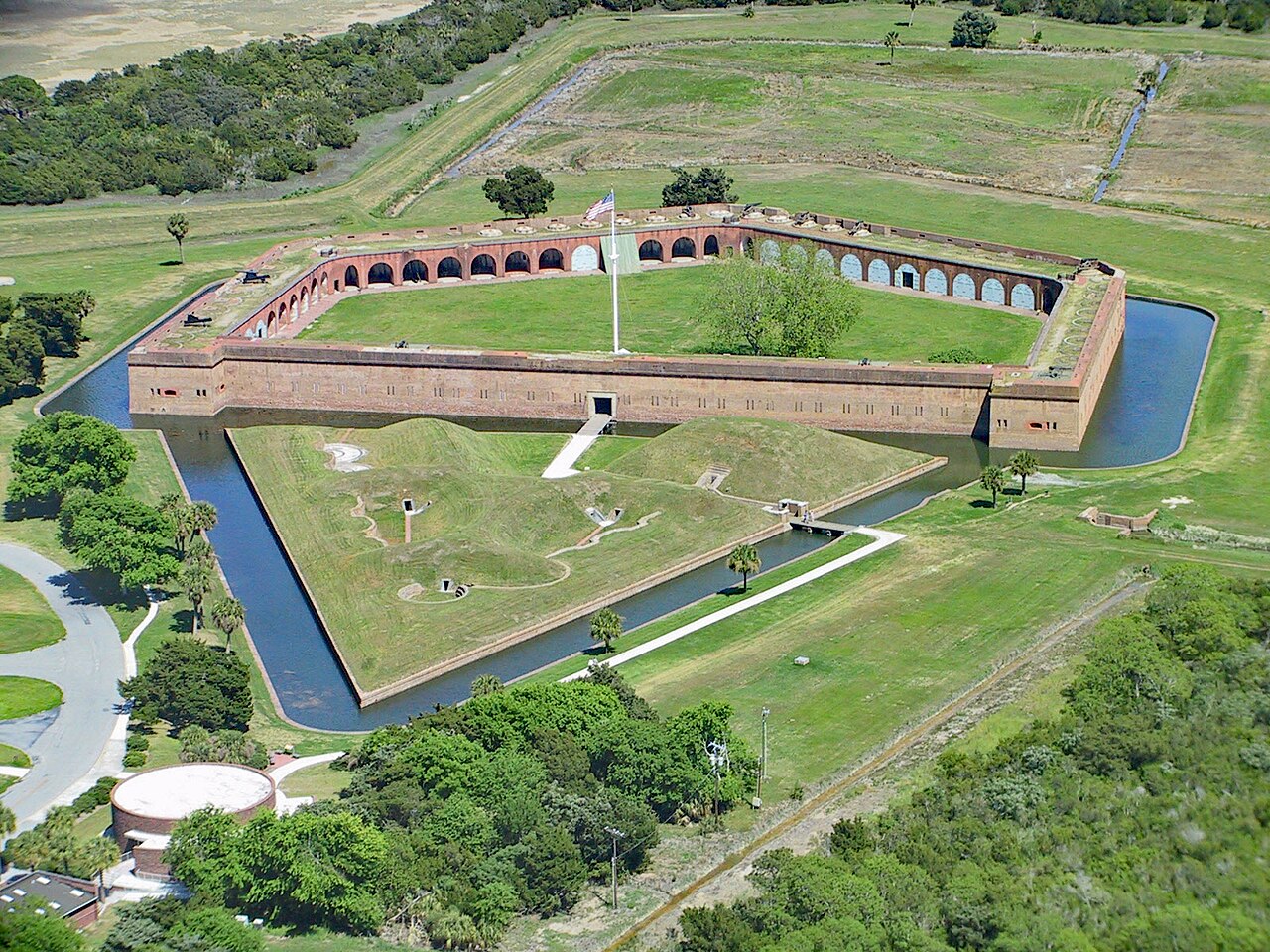
The first iteration of Fort Moultrie was erected in 1776, during the American Revolutionary War, under the supervision of Colonel William Moultrie. The fort's location on Sullivan's Island was critical, as it guarded the entrance to Charleston Harbor, a major port and strategic naval base. The fort's design featured a bastioned layout allowing defenders to cover all approaches with overlapping fields of fire, a common feature in post-Renaissance military architecture influenced by the principles of the trace italienne style.
Palmetto log construction
The use of palmetto logs in the fort's walls was innovative. These logs were soft enough to absorb the impact of cannonballs, preventing the walls from shattering and thus providing a resilient defense against artillery bombardment. This construction method was a key factor in the fort's successful resistance during the British assault on June 28, 1776, when British naval forces failed to capture Charleston.
Role in the American Revolutionary War
The Battle of Sullivan's Island was a pivotal moment in the Revolutionary War. Under the command of General Moultrie, the fort's defenders repelled an intense British naval attack. The British fleet, consisting of several warships, was unable to breach the fort's defenses, partly due to the palmetto log walls and the strategic positioning of the bastions. This victory boosted American morale and helped secure the southern colonies during the early years of the war.
Renaming and British occupation
Following the battle, the fort was renamed Fort Moultrie to honor its commander. However, in 1780, the British captured Charleston and occupied the fort, renaming it Fort Arbuthnot. During this period, the fort was modified and reinforced by British forces to strengthen their control over the harbor. The British occupation lasted until 1782, when American forces regained control.
Subsequent modifications and military significance
Throughout the 19th and early 20th centuries, Fort Moultrie underwent numerous upgrades to adapt to advances in military technology. The original palmetto log walls were eventually replaced or supplemented with masonry and concrete fortifications. The site played roles in the War of 1812, the American Civil War, and both World Wars, serving as a coastal defense installation.
Architectural evolution
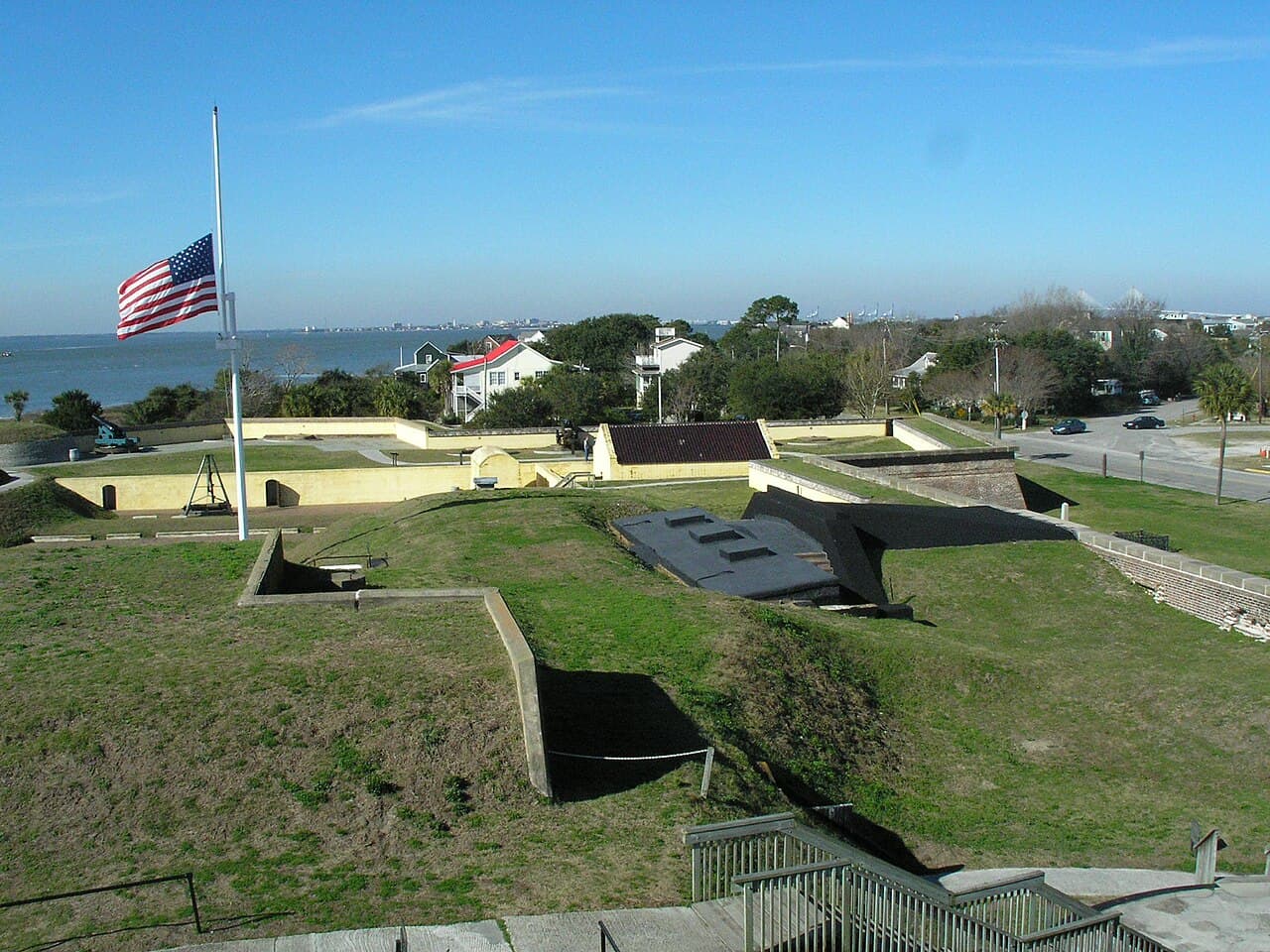
The fort's layout evolved from its simple Revolutionary War-era bastioned design into a more complex system of artillery batteries, casemates, and reinforced gun emplacements. The introduction of rifled artillery and explosive shells necessitated stronger fortifications. By the late 19th century, concrete and earthworks were incorporated to absorb and deflect artillery fire more effectively.
Preservation and public access
Today, Fort Moultrie is part of the Fort Sumter National Monument and is managed by the National Park Service. It stands as a well-preserved example of American coastal fortifications spanning several centuries. Visitors can explore the fort's historic walls, batteries, and interpretive exhibits that detail its role in American military history. The site offers educational programs and reenactments that bring to life the fort's storied past.
Visiting Fort Moultrie
The fort is accessible via ferry from Charleston and offers guided tours and self-guided exploration. Its location on Sullivan's Island provides scenic views of Charleston Harbor and the Atlantic Ocean. The site is open seasonally with varying hours, and admission is typically included with the Fort Sumter National Monument ticket.
Frequently asked questions (FAQ)
- What is Fort Moultrie's historical significance?
- Fort Moultrie is a vital historical site that played a key role in the American Revolution and the Civil War. Its strategic location on Sullivan's Island helped defend Charleston Harbor against British naval attacks and symbolizes American resilience and military history.
- When was Fort Moultrie built?
- Construction of Fort Moultrie began in 1776, and it was named after Colonel William Moultrie, a hero of the Revolutionary War. The fort has undergone several renovations and expansions over the years, with its current structures dating back to the late 19th century.
- Can I visit Fort Moultrie year-round?
- Yes, Fort Moultrie is open to visitors year-round, but it's advisable to check for any seasonal closures or special events before planning your trip. The fort offers a unique glimpse into military history and scenic views of the surrounding area.
- What are the opening hours for Fort Moultrie?
- Fort Moultrie typically opens at 9:00 AM and closes at 5:00 PM, with extended hours during the summer months. Visitors should verify the current hours on the official website before their visit, as they may vary due to holidays or special events.
- Is there an admission fee to visit Fort Moultrie?
- Yes, there is a nominal admission fee to enter Fort Moultrie, which helps support the maintenance and preservation of the site. Entry fees may vary for adults, seniors, and children, so it's best to check the official website for the latest pricing information.
- What is the best time to visit Fort Moultrie?
- The best time to visit Fort Moultrie is during the spring and fall when the weather is mild and pleasant. These seasons offer comfortable temperatures for exploring the fort and enjoying the beautiful coastal scenery.
- Is Fort Moultrie accessible for visitors with disabilities?
- Yes, Fort Moultrie is committed to accessibility and provides facilities for visitors with disabilities. The main areas of the fort are wheelchair accessible, and staff are available to assist with any specific needs during your visit.
- What nearby attractions can I visit while at Fort Moultrie?
- Visitors to Fort Moultrie can also explore nearby attractions such as the historic city of Charleston, beautiful beaches on Sullivan's Island, and the Fort Sumter National Monument. These sites offer additional insights into the region's rich history and natural beauty.
Photo gallery

Photo by Dima Sergiyenko; Please attribute this image as the work of "DiscoverWithDima."•CC BY-SA 4.0
Information
Loading map...
Visitor reviews
No reviews yet. Been here? Write the first review and help other travelers!
Write the first reviewVisited this castle? Share your experience
Your review helps other travelers and adds first-hand knowledge to our encyclopedia.