Fort James Jackson
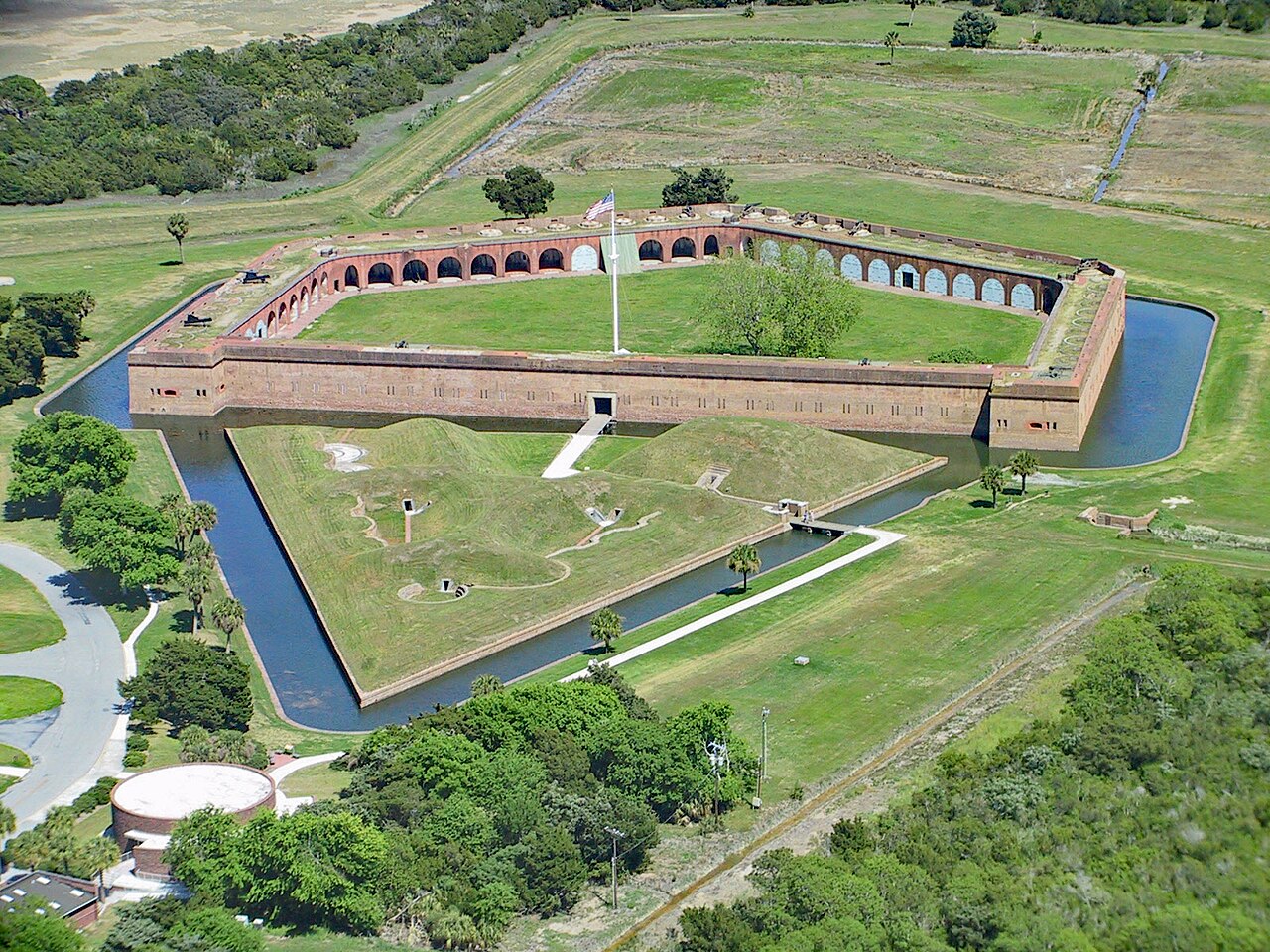
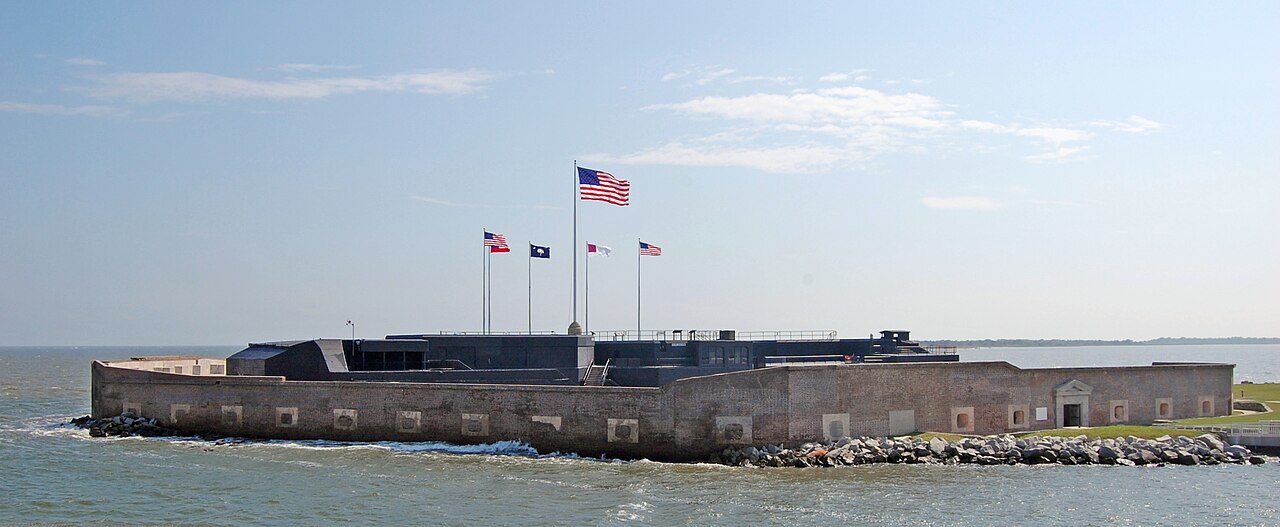
Fort James Jackson, commonly known as Old Fort Jackson, is a restored nineteenth-century bastioned fortress situated approximately one mile east of Savannah, Georgia, along the Savannah River. This fortification is a significant example of early American coastal defense and is currently operated as a museum by the Coastal Heritage Society. It holds the designation of a National Historic Landmark, reflecting its importance in United States military history.
Early history and construction
The site where Fort James Jackson stands was originally sold by Nichols Turnbull in 1808. Prior to the current fort, a smaller fortification known as Fort Mud was built on the same site but was destroyed by fire in 1833. The construction of Fort Jackson began shortly after, between 1808 and 1812, during a period when the young United States was strengthening its coastal defenses against potential foreign threats.
The fort was named in honor of James Jackson (1757–1806), a British-born political figure and military leader in Georgia who played a prominent role in the state's early history. The design and engineering of Fort Jackson were carried out by William McRee, a recent graduate of the United States Military Academy at West Point. McRee's design incorporated the bastioned fortress style, characterized by angled bastions that allowed defenders to cover all approaches with overlapping fields of fire, a common military architectural feature of the period.
Architectural features and military role
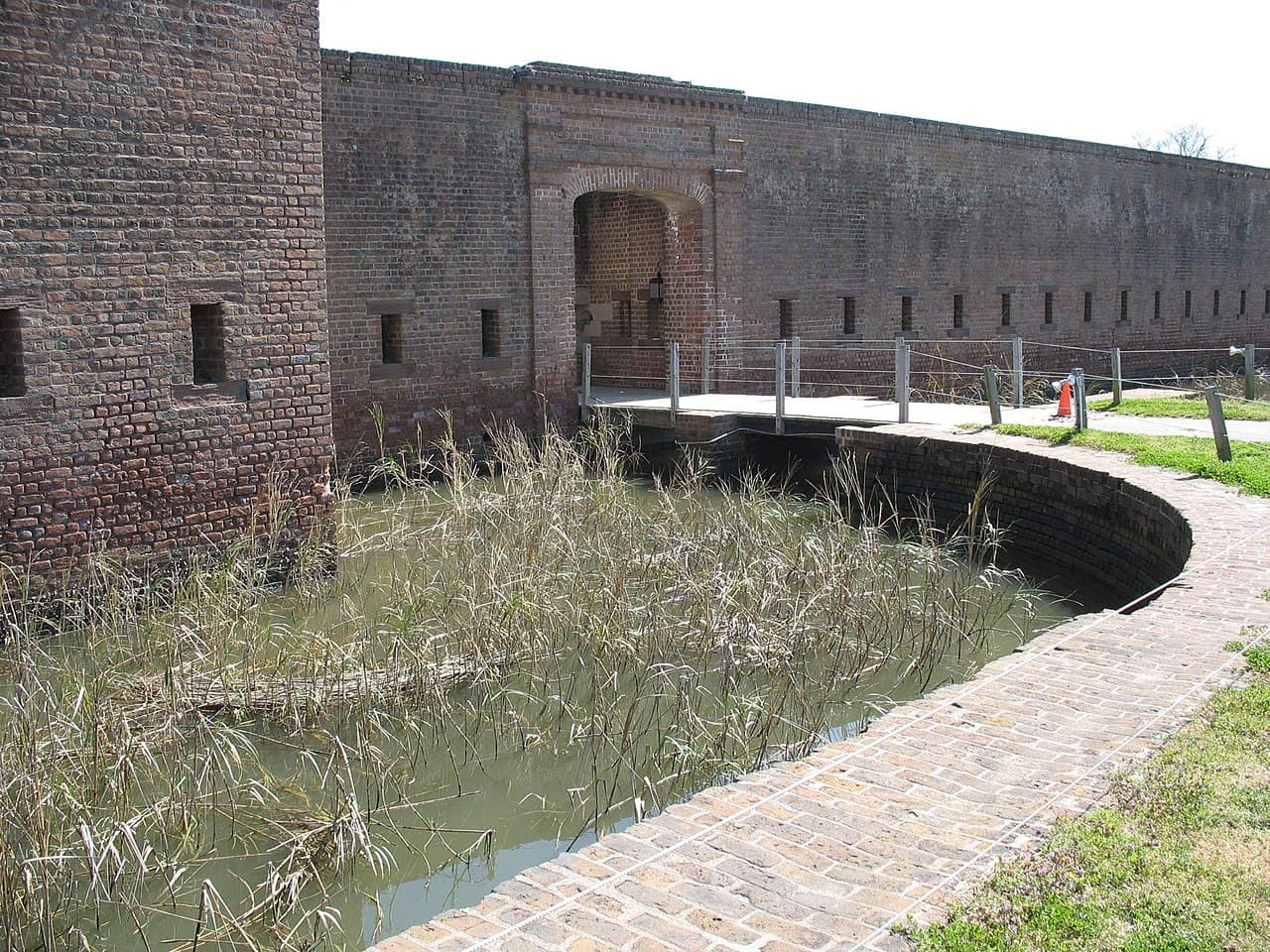
Fort James Jackson is a classic example of a bastioned coastal fortress built in the early 19th century. The fort's walls are constructed from brick and earthworks, designed to absorb and deflect artillery fire. The structure includes several bastions projecting outward from the curtain walls, allowing defenders to fire along the walls and prevent blind spots.
The fort was strategically positioned on the Savannah River to protect the city of Savannah from naval attacks. Its location allowed it to control river traffic and serve as a deterrent against enemy ships attempting to approach the port. The fort's armament historically included numerous cannons mounted on the bastions and within the fort's interior.
Civil war significance
During the American Civil War (1861–1865), Fort James Jackson was one of three key Confederate fortifications defending Savannah, alongside Fort McAllister and Fort Pulaski. These forts formed a defensive network protecting the vital port city from Union naval and land assaults.
In December 1864, Union General William T. Sherman led his famous March to the Sea, culminating in the capture of Savannah. Fort Jackson fell quickly to Union forces during this campaign, marking a significant moment in the Union's efforts to control the Southern coast and disrupt Confederate supply lines.
Post-civil war history and restoration
Following the Civil War, the fort underwent several changes in name and use. In 1885, it was renamed Fort Oglethorpe in honor of James Edward Oglethorpe, the founder of the colony of Georgia. During this period and up until 1905, the fort saw limited military use.
Its original name, Fort Jackson, was restored in 1906. The fort was eventually sold to the city of Savannah in 1924 for use as a public park. By the 1970s, the fort underwent a comprehensive restoration to preserve its historical structures and interpret its military heritage for the public.
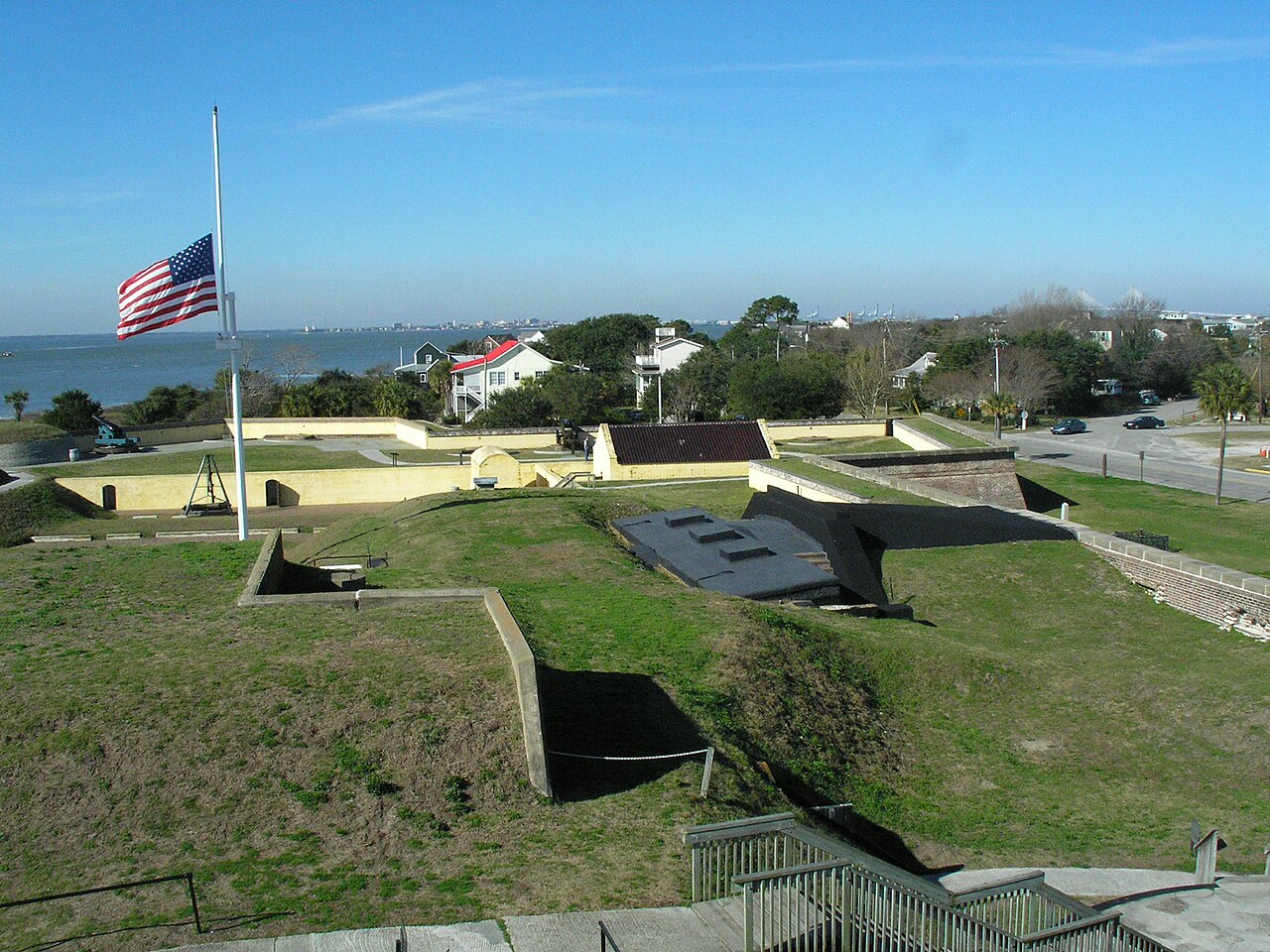
Today, Fort James Jackson is owned by the state of Georgia and managed by the Coastal Heritage Society. It operates as a museum offering visitors a chance to explore its historic bastions, walls, and gun emplacements. The site features daily cannon and small-arms firing demonstrations, providing an immersive experience of 19th-century military life.
Location and visitor information
Fort James Jackson is located at 1 Fort Jackson Road, accessible via the Islands Expressway that connects Savannah to Fort Pulaski National Monument and Tybee Island. Its riverside position offers scenic views of the Savannah River and surrounding marshlands.
The fort is open to the public year-round, with educational programs and guided tours available. Visitors can learn about the fort's architectural design, military history, and role in coastal defense through exhibits and live demonstrations.
Architectural legacy
Fort James Jackson stands as a well-preserved example of early 19th-century American military architecture, particularly the bastioned fortress design adapted for coastal defense. Its preservation allows for study and appreciation of the engineering techniques used during a period of evolving military technology and strategy.
The fort's brickwork, earthworks, and cannon placements illustrate the practical considerations of fortification against naval artillery, reflecting broader trends in fortress construction during the post-Revolutionary War era.
Cultural and historical significance
Beyond its military function, Fort James Jackson embodies the complex history of the American South, including its colonial roots, Civil War struggles, and post-war transformation. As a museum, it serves to educate the public on these themes, preserving the memory of the fort's role in shaping regional and national history.
The fort's designation as a National Historic Landmark underscores its importance as a cultural asset and a symbol of Savannah's maritime heritage.
Frequently asked questions (FAQ)
- How do I get to Fort James Jackson?
- Fort James Jackson is located in Savannah, Georgia, and can be easily accessed by car. There are also public transportation options available, including local buses that can take you close to the site.
- What is the historical significance of Fort James Jackson?
- Fort James Jackson played a crucial role in the defense of Savannah during the War of 1812 and the Civil War. It is an important historical site that reflects military architecture and technology from the early 19th century.
- When was Fort James Jackson built?
- Construction of Fort James Jackson began in 1808 and was completed in 1812. The fort was named in honor of James Jackson, a prominent figure in Georgia's early history.
- Can I take a guided tour of Fort James Jackson?
- Yes, guided tours are available and provide an in-depth look at the fort's history and architecture. These tours are led by knowledgeable staff who can answer any questions you may have.
- Why is Fort James Jackson an important architectural site?
- Fort James Jackson is an excellent example of early 19th-century military architecture, featuring brick and earthwork construction. Its design reflects the strategic military needs of the time and showcases historical building techniques.
- Is it possible to host events at Fort James Jackson?
- Yes, Fort James Jackson is available for special events, including weddings and educational programs. Interested parties should contact the fort’s administration for more information on availability and planning.
- What are the opening hours for Fort James Jackson?
- Fort James Jackson is open to visitors from 10 AM to 5 PM, Tuesday through Saturday. It is closed on major holidays, so it's a good idea to check the official website for any updates before your visit.
- What are the ticket prices for visiting Fort James Jackson?
- Admission to Fort James Jackson is generally affordable, with discounts available for seniors and children. Check the official website for the most current pricing and any special promotions that may be available.
- When is the best time to visit Fort James Jackson?
- The best time to visit Fort James Jackson is during the spring and fall when the weather is mild and pleasant. These seasons often have fewer crowds, allowing for a more enjoyable experience.
- What nearby attractions can I visit while at Fort James Jackson?
- While visiting Fort James Jackson, you can explore other nearby attractions such as the Savannah History Museum and River Street. The scenic waterfront and historic district are also just a short drive away, offering plenty of options for a full day of exploration.
Photo gallery

Information
Loading map...
Visitor reviews
No reviews yet. Been here? Write the first review and help other travelers!
Write the first reviewVisited this castle? Share your experience
Your review helps other travelers and adds first-hand knowledge to our encyclopedia.