Fort Prince of Beira — Brazil castle

Fort Prince of Beira

Fort prince of Beira: historic bastioned fortress in Rondônia, Brazil
Post-Renaissance (17th–18th c.)
Partially Preserved

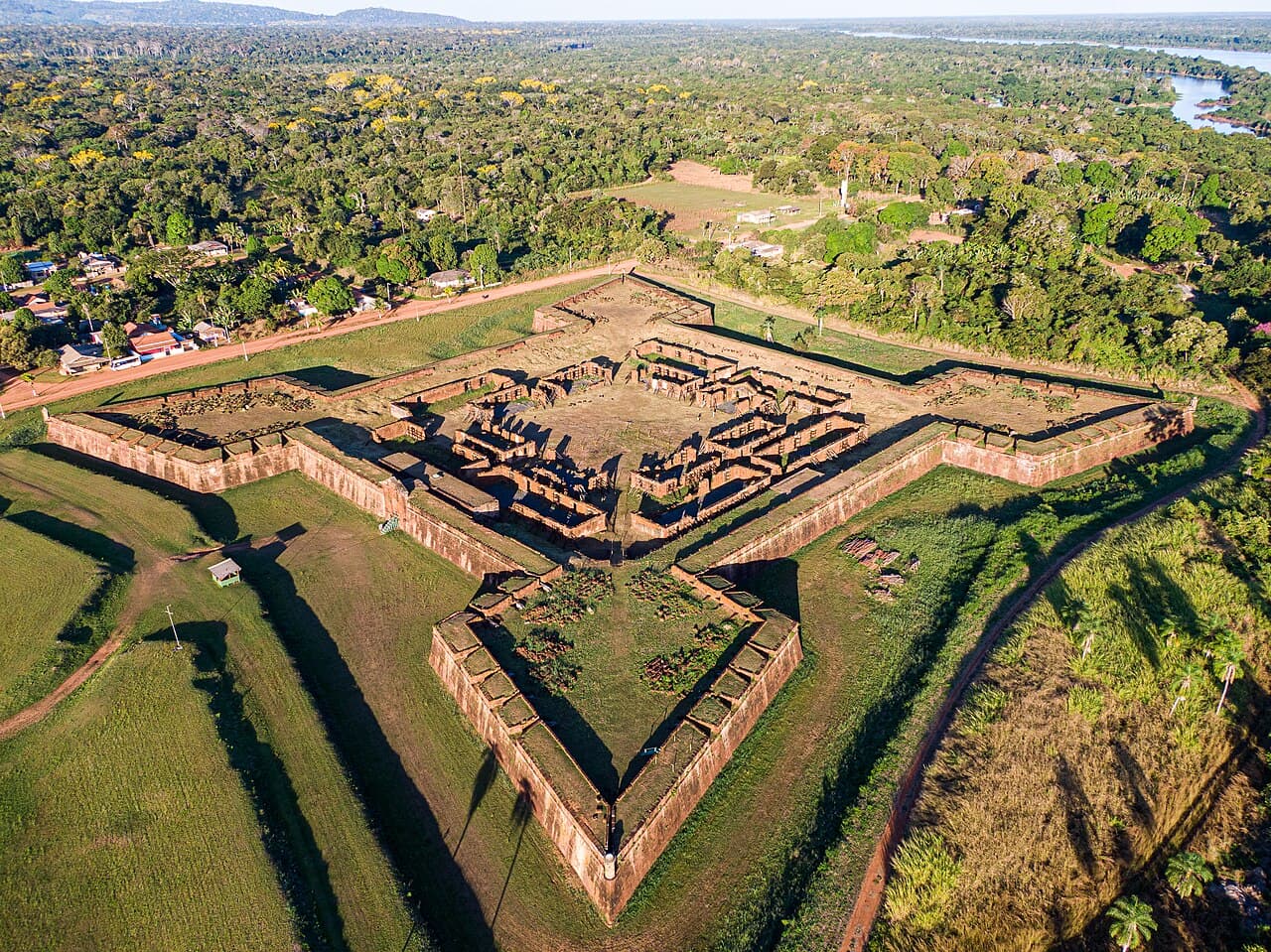
Fort Prince of Beira is a significant bastioned fortress located in the Brazilian state of Rondônia, near the confluence of the Guaporé and Mamoré rivers. Constructed between 1776 and 1783, this fortification was one of only two forts established by the Portuguese Empire deep within the interior of Brazil during the post-Renaissance period. Its primary purpose was to secure the Portuguese colonial border against the territorial advances of the Spanish Empire, which controlled lands to the southwest of Rondônia.

Strategic location and historical context

The fort's location on the lower Guaporé River was strategically chosen to control river traffic and assert Portuguese sovereignty in the region. During the late 18th century, the rivalry between Spain and Portugal in South America intensified, especially in the Amazon basin and surrounding areas. The construction of Fort Prince of Beira was a direct response to these geopolitical tensions, aiming to protect Portuguese claims and prevent Spanish incursions into the territory.

Architectural features and layout

Fort Prince of Beira exemplifies the bastioned fortress design typical of the era, incorporating defensive elements suited to withstand artillery attacks. The fort is enclosed by a massive outer wall approximately 10 meters high and stretching about 1 kilometer in length. This wall is reinforced by four bastions, projecting angularly to provide overlapping fields of fire and eliminate blind spots along the walls.

Originally, each bastion was armed with 14 cannons, though today only a single cannon remains preserved on site. Inside the walls, the fort contained various essential structures, including the ruins of a chapel, soldier quarters, a prison, and multiple utility buildings necessary for sustaining the garrison.

Defensive design elements

The bastioned design allowed defenders to cover all approaches with cannon and musket fire, a common military architectural style influenced by the trace italienne system. The fort's walls and bastions were constructed using local materials, adapted to the tropical environment to resist weathering and potential siege warfare.

Military use and decline

Throughout its active years, Fort Prince of Beira served as a key military outpost for the Portuguese Empire in the Amazon region. It was a deterrent against Spanish expansion and a symbol of Portuguese territorial claims. The fort's military significance diminished towards the late 19th century, coinciding with changes in political boundaries and military technology.

In 1889, the fort was officially abandoned as a military installation. Since then, it has fallen into a state of partial ruin, with many of its internal buildings deteriorated but the outer walls and bastions still standing as testimony to its historical importance.

Cultural and heritage significance

Today, Fort Prince of Beira is recognized as an important cultural heritage site in Brazil. It offers valuable insights into the colonial military architecture and border conflicts of the 18th century. Preservation efforts focus on maintaining the remaining structures and promoting the fort as a historical tourist attraction.

The fort's location in a remote part of Rondônia makes it a unique example of Portuguese colonial fortifications in the Amazon basin, reflecting the broader history of European imperial competition in South America.

Visitor experience and accessibility

Visitors to the site can explore the extensive perimeter walls and bastions, observe the ruins of the chapel and other internal buildings, and gain an understanding of the fort's strategic role. While facilities may be limited due to the site's remote location, the fort remains a significant destination for those interested in military history and colonial architecture.

Frequently asked questions (FAQ)

How do I get to Fort Prince of Beira?
Fort Prince of Beira is located in the state of Bahia, Brazil. You can reach the castle by taking a bus or car from nearby cities, with ample parking available for visitors. The surrounding area is well-connected, making it easy to incorporate the castle into your travel itinerary.
What is the historical significance of Fort Prince of Beira?
Fort Prince of Beira, built in the 17th century, played a crucial role in Brazil's colonial defense against foreign invasions. It served as a strategic military outpost for the Portuguese, showcasing the architectural style of the time. Today, it stands as a testament to Brazil's rich history and military heritage.
When was Fort Prince of Beira constructed?
Construction of Fort Prince of Beira began in 1680 and was completed in 1706. It was designed to protect the region from attacks by pirates and rival colonial powers. Its long-standing presence makes it one of the notable historical sites in Brazil.
Can I take a guided tour of Fort Prince of Beira?
Yes, guided tours of Fort Prince of Beira are available and highly recommended for visitors wanting to learn more about its history and architecture. Tours are typically led by knowledgeable guides who share fascinating stories and insights about the fortress. Check the official website for tour schedules and availability.
Why is Fort Prince of Beira a popular tourist destination?
Fort Prince of Beira attracts visitors for its historical significance, well-preserved architecture, and stunning views of the surrounding landscape. It offers a unique opportunity to explore Brazil's colonial past while enjoying scenic vistas. The castle's cultural heritage and picturesque setting make it a must-visit for history enthusiasts and travelers alike.
Is it possible to visit Fort Prince of Beira year-round?
Yes, Fort Prince of Beira is open to visitors year-round, but it is advisable to check specific opening hours and any seasonal schedules before planning your visit. The castle may have reduced hours during holidays or special events. Always verify in advance to ensure a smooth trip.
What are the ticket prices for visiting Fort Prince of Beira?
Ticket prices for Fort Prince of Beira vary depending on age and group discounts. Generally, entrance fees are modest, making it accessible for families and groups. It's best to check the official website for the latest pricing information and any special offers.
What is the best time to visit Fort Prince of Beira?
The best time to visit Fort Prince of Beira is during the dry season, which typically runs from May to September. During this period, the weather is more pleasant for exploring the castle and its surroundings. Additionally, visiting during weekdays can help you avoid larger crowds.
Are there any nearby attractions to Fort Prince of Beira?
Yes, there are several nearby attractions, including beautiful beaches, local markets, and historical towns that showcase Brazil's rich culture. Visitors can explore the nearby city of Ilhéus, known for its colonial architecture and chocolate production. A day trip can easily include a mix of history, culture, and relaxation by the sea.

Photo gallery

Fort Prince of Beira
Click to view

Photo by Israelvalejr•CC BY-SA 4.0

1 photo • Click any image to view in full screen

Information

Bastioned Fortress

Loading map...

Visitor reviews

No reviews yet. Been here? Write the first review and help other travelers!

Write the first review

Visited this castle? Share your experience

Your review helps other travelers and adds first-hand knowledge to our encyclopedia.
Write a review

(5/5)

0/2000 characters

Your review will be visible after admin approval

Nearby castles

800.9 km
Pikillaqta — Peru castle

Pikillaqta

, Peru

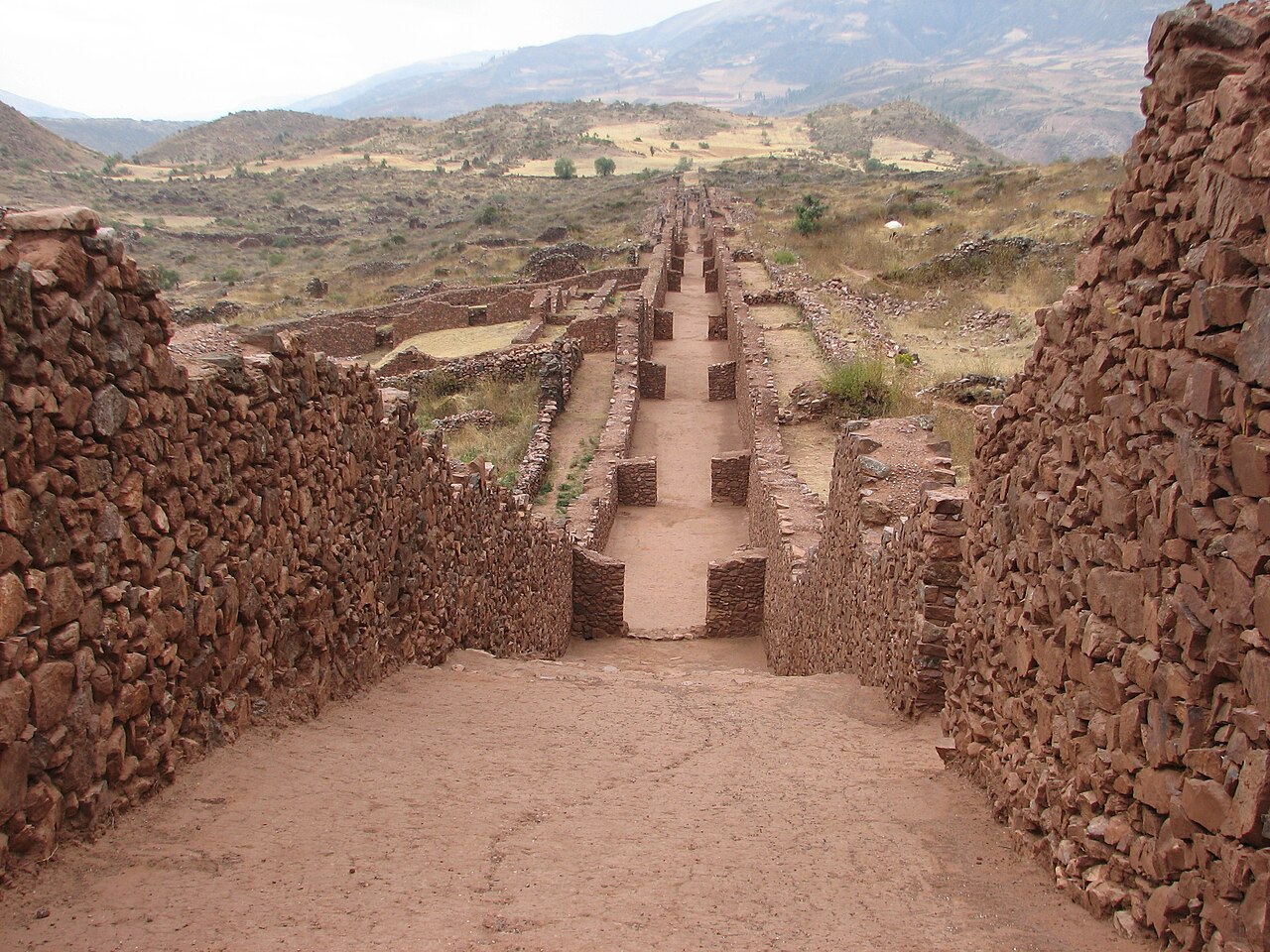
Pikillaqta is a prominent archaeological site representing the ancient Wari culture, located in the Quispicanchi province of the Cusco Region, Peru. This extensive complex is among the largest known Wari settlements, offering valuable insights into the early development of Andean civilizations during the Early Medieval period. The name Pikillaqta derives from the Quechua words "piki" meaning flea and "llaqta" meaning place or village, often translated as "flea place". Variants of the name include Piki Llacta, Pikillacta, Piquillacta, and Piquillaqta. The Wari culture and historical context The Wari civilization flourished in the central highlands of Peru from approximately 550 to 1100 AD. Pikillaqta was one of several important Wari sites that illustrate the culture's expansion and influence across the Andean region. While the Wari capital was located near modern Ayacucho, Pikillaqta served as a strategic administrative and ceremonial center in the Cusco area, demonstrating the reach of Wari power beyond their heartland. The site reflects the Wari's complex social and political organization, which included a network of provincial centers. Pikillaqta's construction and layout reveal the Wari's advanced urban planning and architectural capabilities, which were innovative for the time and influenced later Andean cultures. Architecture and layout of Pikillaqta Urban design and structures Pikillaqta is characterized by a well-planned urban grid system, with streets and avenues laid out in a rectilinear pattern. The site covers approximately 60 hectares and includes a variety of architectural features such as enclosure walls, residential compounds, ceremonial plazas, storerooms, and public buildings. The use of finely cut stone masonry and adobe bricks is evident throughout the site. One of the distinctive architectural elements is the presence of large rectangular enclosures that likely served administrative or ritual functions. These enclosures are surrounded by high walls and often contain multiple rooms arranged around central courtyards. Ceremonial and ritual spaces Pikillaqta was primarily used for ceremonial purposes, as indicated by the presence of large plazas and platforms designed for public gatherings and rituals. The site includes several ceremonial halls and temple-like structures that would have accommodated religious activities, possibly related to ancestor worship and state rituals central to the Wari culture. The layout of these ceremonial spaces reflects a deliberate architectural plan to emphasize social hierarchy and control, with restricted access areas and imposing walls reinforcing the authority of the ruling elite. Occupation and abandonment The archaeological evidence suggests that Pikillaqta was occupied from around 550 AD until approximately 1100 AD. During this time, the site evolved but was never fully completed, possibly due to shifting political dynamics or environmental factors. The abandonment of Pikillaqta coincides with the decline of the Wari state, which fragmented into smaller polities before the rise of the Inca Empire. Excavations have revealed that the site was intentionally left unfinished, with some buildings and plazas incomplete at the time of abandonment. This unfinished state provides important clues about the challenges faced by the Wari during their decline. Archaeological significance and preservation Pikillaqta remains an essential site for understanding the Wari civilization and its contributions to Andean history. As an archaeological ruin, it offers a rare glimpse into the urban planning, architecture, and ceremonial life of a pre-Inca culture that significantly influenced later societies. The site is currently classified as ruins and is protected as a cultural heritage location. Ongoing archaeological research continues to uncover new information about the Wari's social structure, economy, and interactions with neighboring cultures. Visitors to Pikillaqta can explore the extensive remains of walls, plazas, and buildings, gaining insight into the architectural sophistication and cultural complexity of the Wari people. The site also contributes to the broader understanding of Andean civilizations' development prior to the Inca period.

Early Medieval (5th–10th c.)
Details
806.7 km
Waqrapukara — Peru castle

Waqrapukara

, Peru

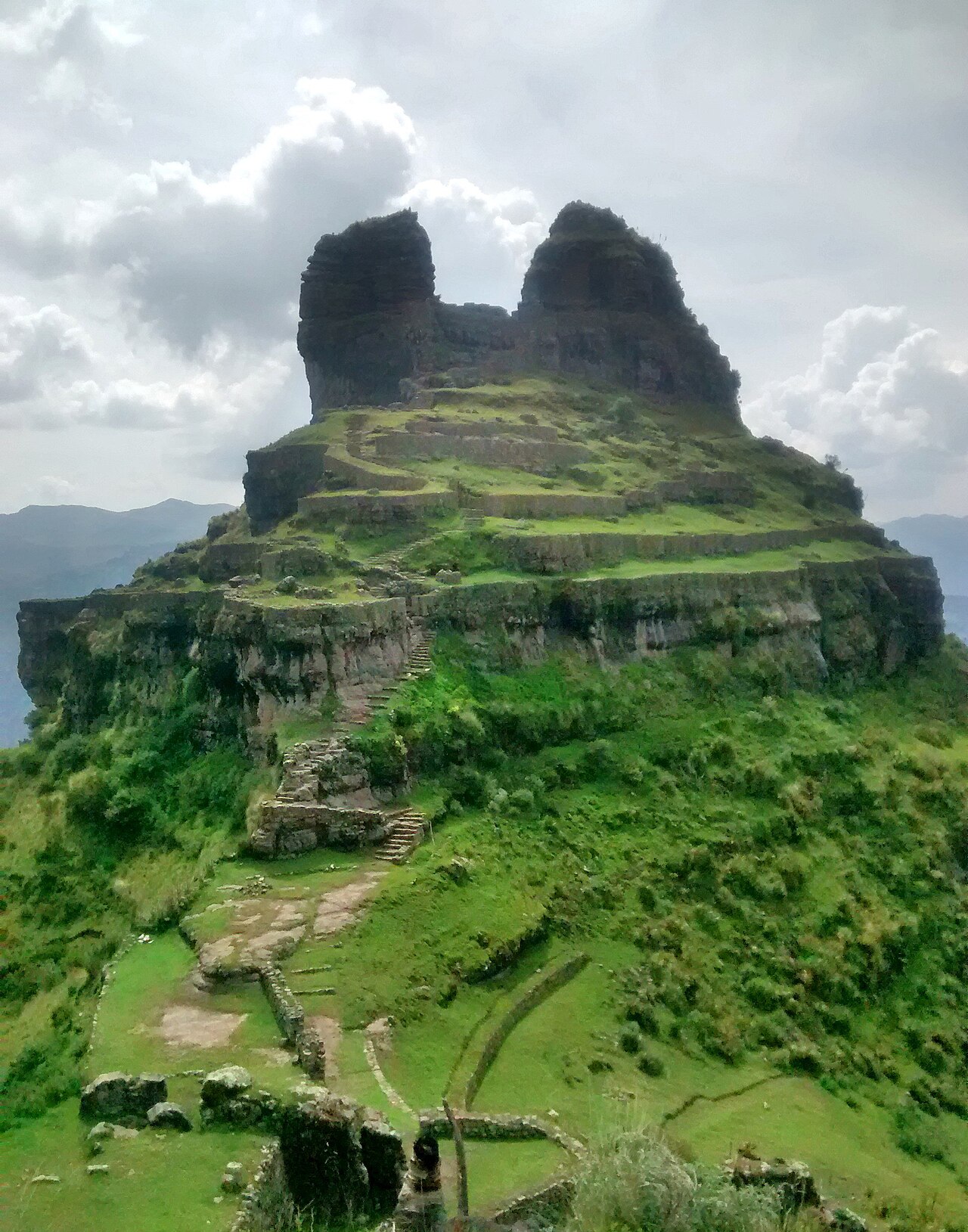
Waqrapukara, also spelled Waqra Pukara, is a remarkable archaeological site located in the Cusco Region of Peru, within the Acomayo Province, Acos District. Situated near the Apurímac River at an altitude of approximately 4,300 metres (14,100 feet) above sea level, this site stands out for its strategic location and unique architectural features. The name Waqrapukara likely derives from the Quechua language, combining waqra meaning "horn" and pukara meaning "fortress," thus often translated as the "horn fortress." Historical context and cultural significance The site was originally constructed by the Canchis people, an indigenous group who built distinctive circular stone buildings that characterize the complex. These structures reflect the architectural ingenuity and cultural practices of the Canchis prior to Inca domination. Later, the site was conquered and integrated into the expansive Inca Empire, which repurposed it as a sanctuary or ceremonial center. This transition highlights the site's importance in the regional power dynamics and religious landscape during the Late Medieval period. Architectural features and layout Waqrapukara's architecture is notable for its combination of defensive and ceremonial elements. The fortress-like design includes massive stone walls that form enclosures with a distinctive horn-shaped outline, which may have served both symbolic and practical functions. The complex contains numerous circular buildings, which are relatively rare in Andean architecture and suggest specialized uses, possibly for ritual activities or elite residences. The stonework demonstrates advanced masonry techniques typical of Andean cultures, with carefully fitted stones that have withstood centuries of weathering at high altitude. The site also features terraces, stairways, and platforms that integrate with the rugged mountainous terrain, enhancing its defensive capabilities and ceremonial prominence. Location and environmental setting Perched high in the Andes, Waqrapukara overlooks the Apurímac River valley, providing commanding views that were likely advantageous for surveillance and defense. The altitude and remote location contribute to the site's preservation but also present challenges for modern visitors. The surrounding landscape is characterized by steep cliffs and mountainous terrain, which adds to the fortress-like impression and the site's strategic importance. Cultural heritage and modern recognition In July 2017, Waqrapukara was declared a National Cultural Heritage Site by the Peruvian Ministry of Culture, recognizing its historical, architectural, and cultural value. This designation has helped promote conservation efforts and increased awareness of the site's significance within Peru's rich pre-Columbian history. Today, Waqrapukara attracts archaeologists, historians, and tourists interested in Andean civilizations and Inca heritage. Although the site remains in a state of ruins, ongoing research and preservation initiatives aim to protect its structures and interpret its complex past for future generations. Visiting waqrapukara Visitors to Waqrapukara should be prepared for high-altitude conditions and rugged terrain. The site is accessible by trekking routes from nearby towns in the Cusco Region, offering an immersive experience of Andean culture and history. Due to its remote location, facilities are limited, so travelers are advised to plan accordingly and respect the site's cultural and natural environment.

Late Medieval (14th–15th c.)
Details
812.5 km
Písac — Peru castle

Písac

Písac, Peru

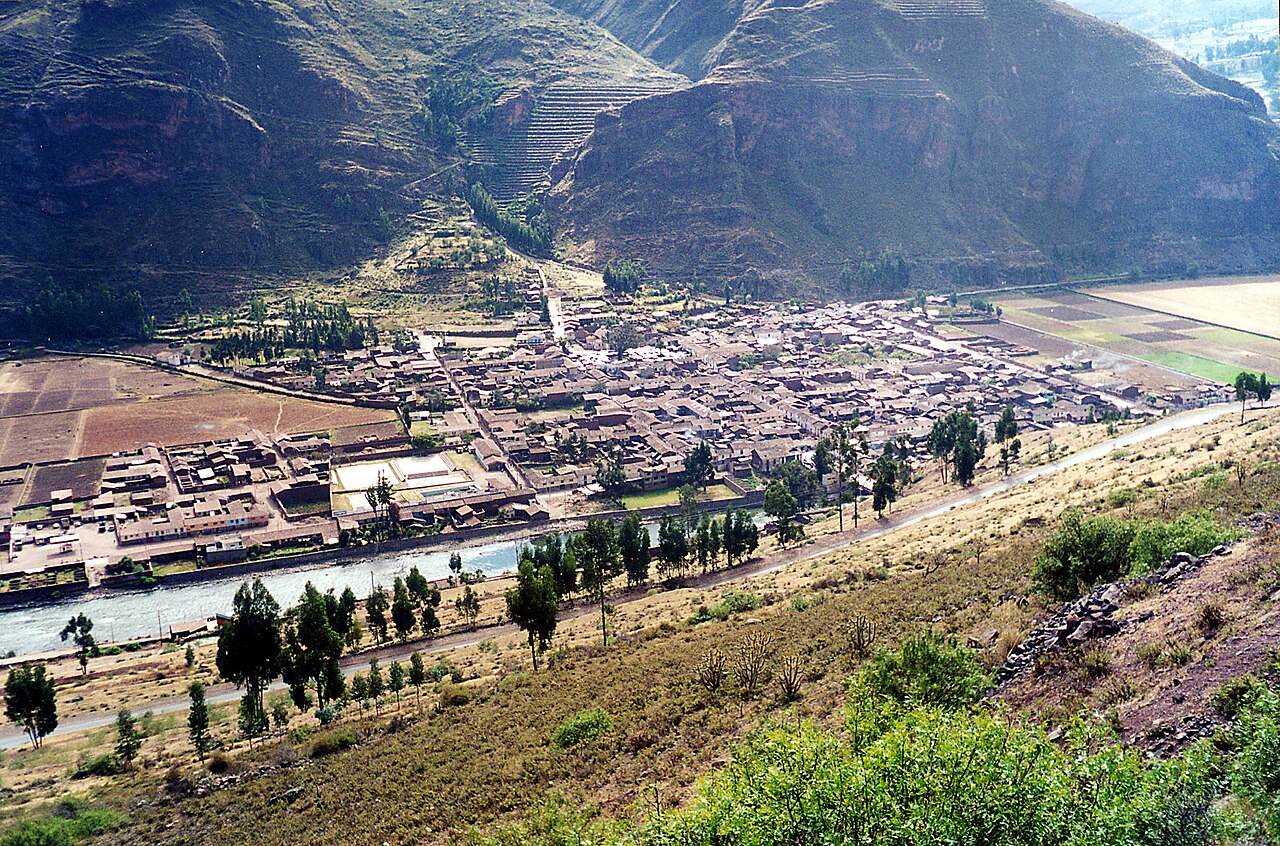
Písac, located in the Sacred Valley of the Incas near Cusco, Peru, is a significant 15th-century archaeological site renowned for its extensive Incan ruins and vibrant cultural heritage. This site, perched on a hillside overlooking the Urubamba River, offers a compelling glimpse into the architectural and agricultural ingenuity of the Inca Empire during the Late Medieval period. Historical context and significance The construction of Písac is attributed to the reign of the Inca ruler Yupanqui Pachacuti or his successors in the 15th century. It was strategically positioned to serve both defensive and agricultural purposes. The site functioned as a fortress, a religious center, and a farming hub, reflecting the multifaceted nature of Incan urban planning. Its location allowed control over the entrance to the Sacred Valley, a vital area for the Inca civilization. Architectural features and layout Písac is characterized by its remarkable terracing system, which was used for intensive agriculture on the steep Andean slopes. These terraces not only maximized arable land but also helped with irrigation and soil conservation. The site includes a complex of residential areas, ceremonial plazas, and fortress walls made from finely cut stone blocks typical of Incan masonry. The fortress and defensive structures The fortress section of Písac is situated on the highest part of the site, featuring massive stone walls and watchtowers that provided panoramic views of the surrounding valley. These defensive structures were designed to protect the inhabitants and control access to the Sacred Valley. Residential and ceremonial zones The residential areas contain stone houses with trapezoidal doors and windows, a distinctive Incan architectural style that enhanced structural stability. The ceremonial plazas include temples and intihuatana stones, believed to have been used for astronomical observations and religious rituals. Cultural importance and tourism Today, Písac remains a vital cultural site attracting numerous visitors interested in Incan history and architecture. The nearby town is famous for its traditional market, where local artisans sell textiles, pottery, and other handicrafts. The site’s combination of natural beauty, historical significance, and cultural vibrancy makes it a key destination in Peru’s tourism landscape. Preservation and current condition As an archaeological ruin, Písac is subject to ongoing preservation efforts to protect its delicate stonework and terraces from environmental damage. While parts of the site have deteriorated over time, many structures remain well-preserved, offering valuable insights into Incan engineering and lifestyle.

Late Medieval (14th–15th c.)
Details