Fort Patience (Dutch: Fort Lijdzaamheid, or Fort Leydsaemheyt in 17th-century spelling) is a significant 17th-century bastioned fortress located in Apam, a coastal township in the Central Region of Ghana. Constructed by the Dutch in 1697, this fortification was built as both a defensive stronghold and a trading post during the era of European expansion along the West African coast. It stands today as a prominent example of the Renaissance period military architecture adapted to local conditions and strategic needs.
Historical context and construction
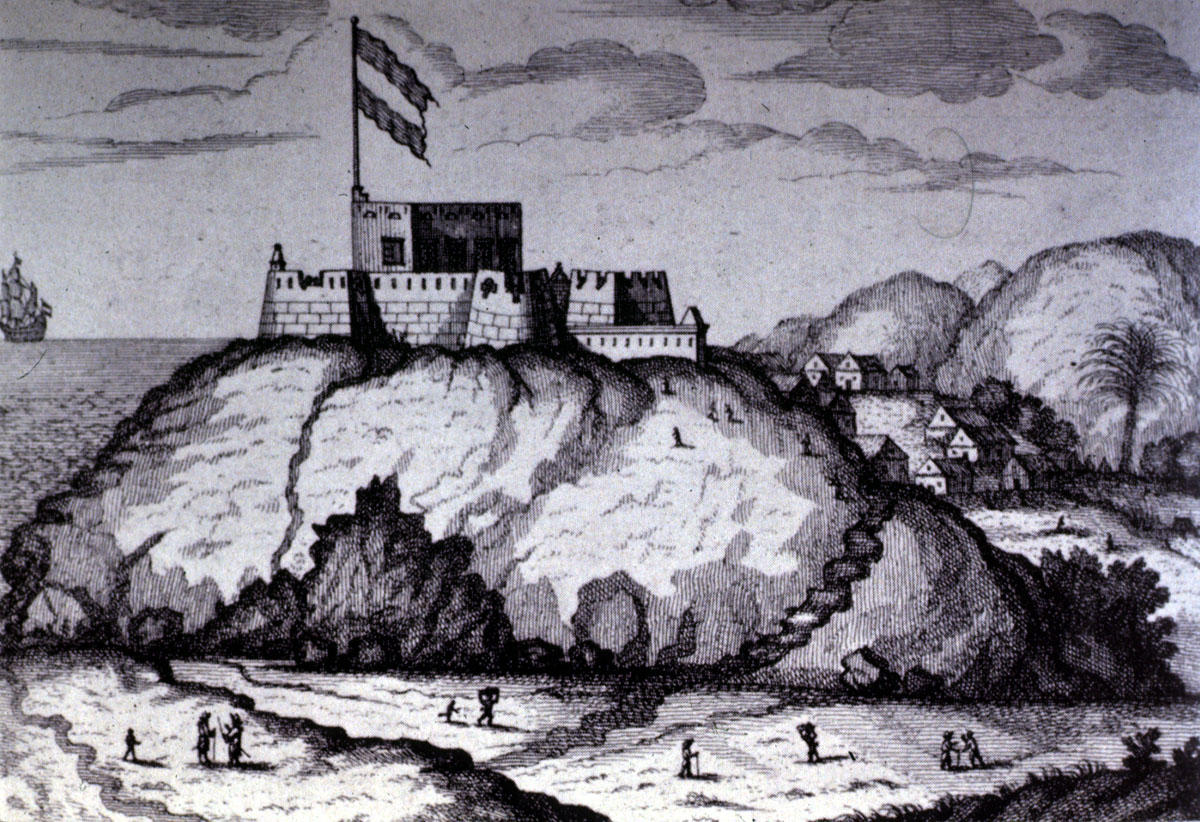
The construction of Fort Patience took place during a period of intense competition among European powers for control of trade routes and resources in West Africa. The Dutch, who had established a strong presence in the region through the Dutch West India Company, built the fort to secure their interests against rival European nations and local resistance. The fort's name, "Patience," reflects the long and challenging process of its construction and the endurance required to maintain control in a hostile environment.
As a bastioned fortress, Fort Patience features angular bastions projecting from the main walls, designed to provide overlapping fields of fire and improved defensive capabilities against artillery attacks. This style was characteristic of the Renaissance military architecture influenced by the Italian trace italienne fortification system, which spread throughout Europe and its colonies during the 16th and 17th centuries.
Architectural features and layout
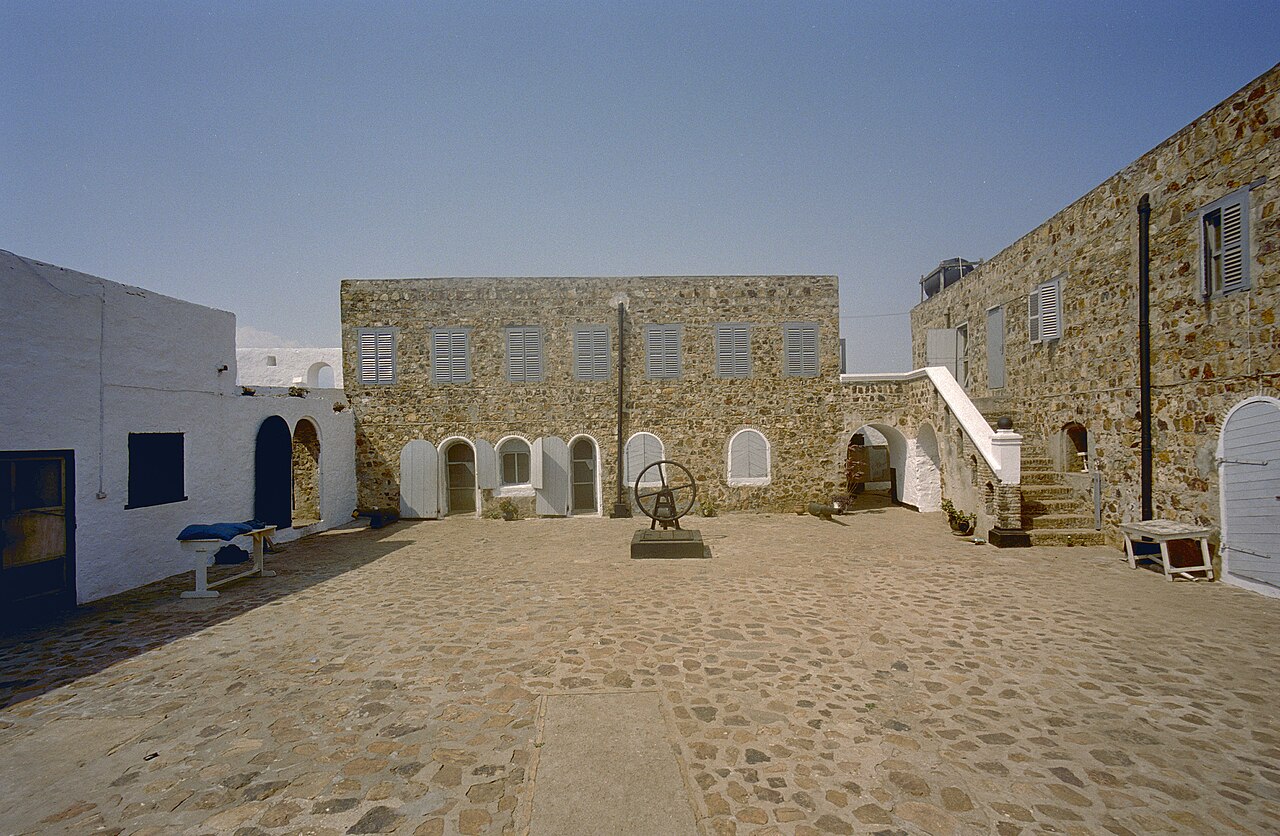
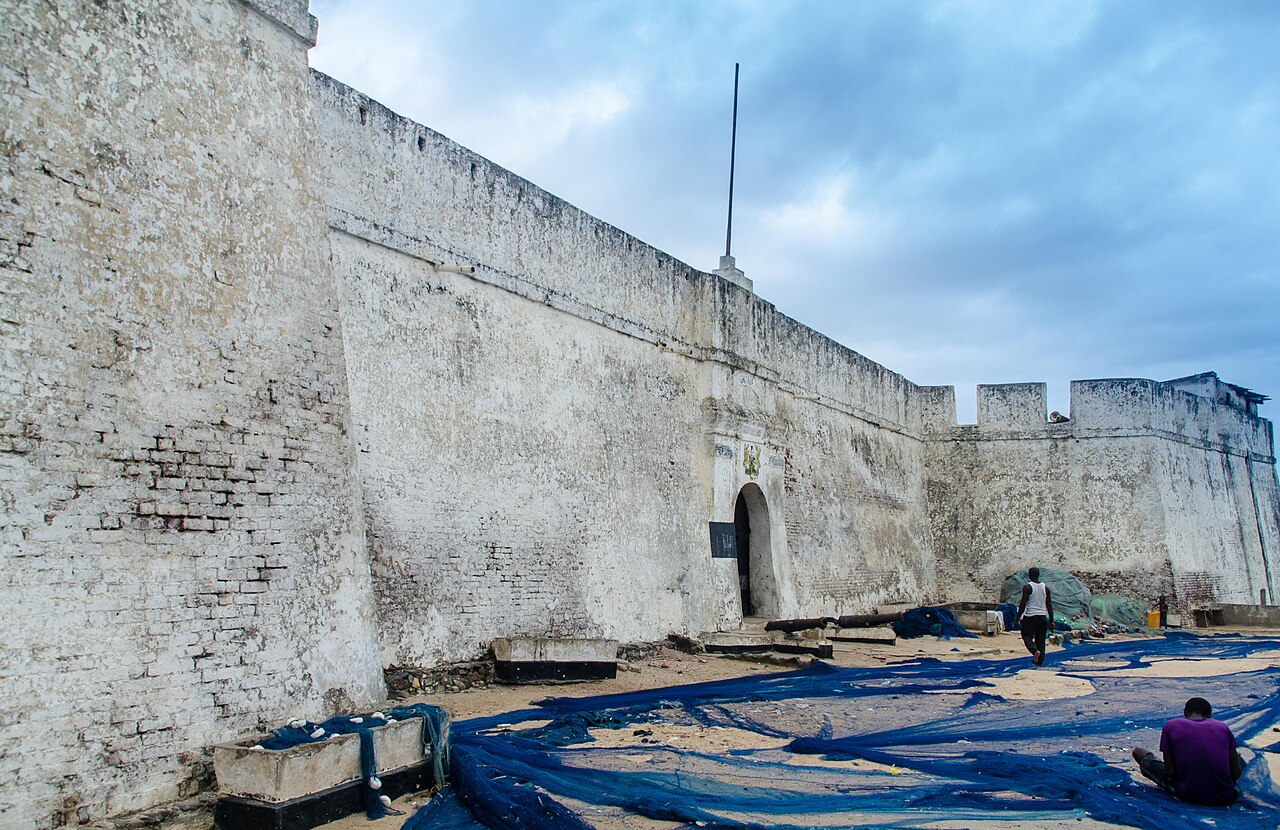
The fort's design incorporates thick stone walls and bastions that allowed defenders to cover all approaches with cannon and musket fire. The bastions are positioned at the corners of the fort, creating a polygonal shape that maximizes defense. Inside the walls, the fort contained living quarters, storage rooms, a chapel, and facilities necessary for sustaining a garrison and managing trade operations.
Unlike some larger forts on the Gold Coast, Fort Patience is relatively modest in size but strategically placed to control access along the coast and nearby trade routes. Its location in Apam allowed the Dutch to monitor and participate in the regional trade of gold, ivory, and enslaved people, commodities that were central to the economic activities of the time.
Role in the trans-Atlantic trade and colonial history
Throughout its operational history, Fort Patience served as a key node in the network of European forts along the Gold Coast, facilitating the exchange of goods and the movement of enslaved Africans to the Americas. The fort's presence symbolizes the complex and often tragic history of European colonialism and the trans-Atlantic slave trade in West Africa.
Despite changes in colonial powers and shifting trade dynamics, Fort Patience remained a significant military and commercial site well into the 18th century. Its endurance highlights the strategic importance of coastal fortifications in maintaining European influence in the region.
Preservation and cultural significance
Today, Fort Patience is recognized as part of the group of forts and castles in Ghana inscribed on the UNESCO World Heritage List for their testimony to the European pre-colonial and colonial impact on West Africa. The fort is partially preserved, with substantial portions of its walls and bastions still intact, allowing visitors to appreciate its historical and architectural value.
The site attracts historians, architects, and tourists interested in the military architecture of the Renaissance period and the complex history of the Gold Coast. Efforts to maintain and protect Fort Patience contribute to preserving Ghana's cultural heritage and educating the public about the region's past.
Visiting Fort Patience
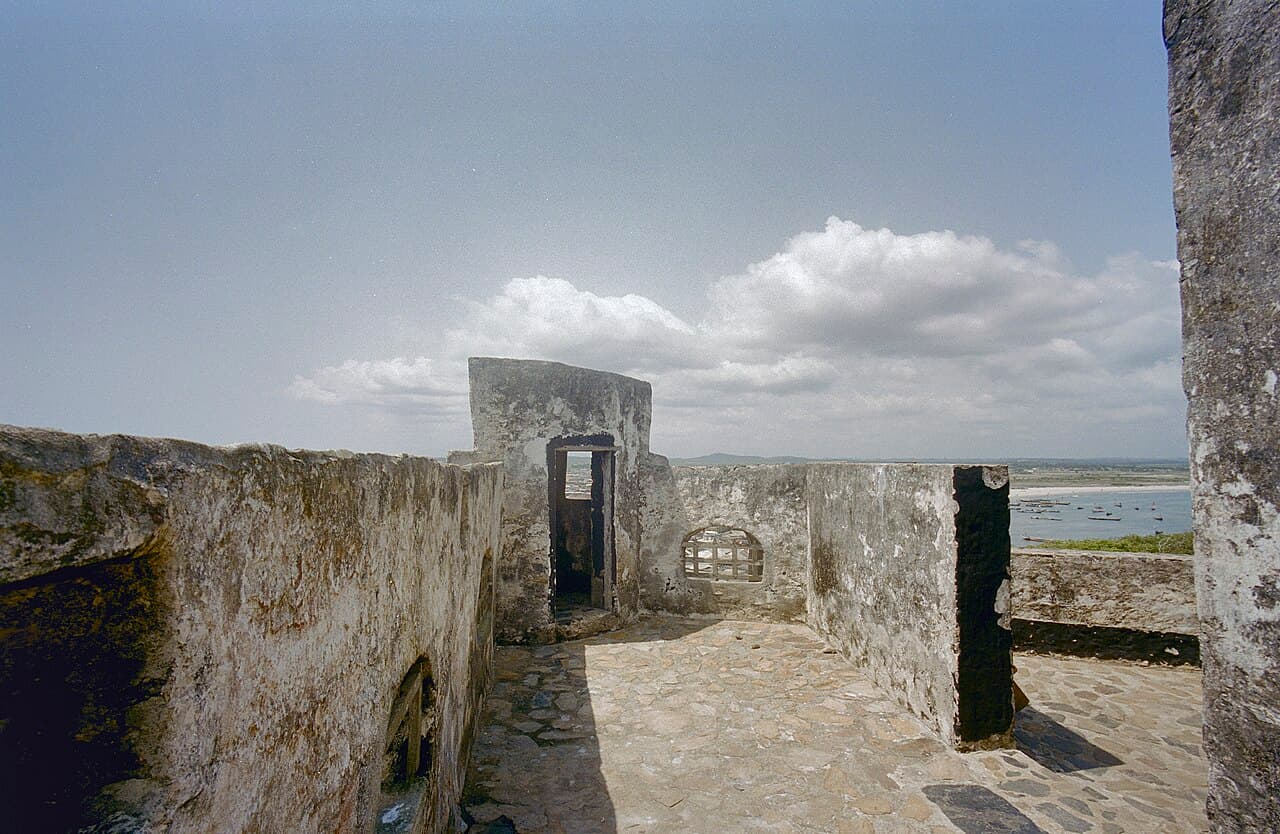
Visitors to Fort Patience can explore the fort's ramparts, bastions, and internal structures, gaining insight into the defensive strategies employed by the Dutch and the daily life of those stationed there. The fort's coastal setting provides scenic views and a tangible connection to the maritime history of the area.
Information about opening hours and ticket prices may vary, so prospective visitors are advised to check with local tourism authorities or heritage organizations before planning their visit.
Frequently asked questions (FAQ)
- What is the historical significance of Fort Patience?
- Fort Patience was built by the Dutch in 1697 as a bastioned fortress and trading post on the Gold Coast, playing a key role in European colonial and trade activities in West Africa.
- Can I visit Fort Patience today?
- Yes, Fort Patience is partially preserved and open to visitors. It offers insights into 17th-century military architecture and the history of the trans-Atlantic trade.
- What architectural style is Fort Patience built in?
- The fort is an example of Renaissance military architecture, featuring bastioned walls designed for artillery defense, typical of the trace italienne style.
- Where is Fort Patience located?
- Fort Patience is located in Apam, a coastal town in the Central Region of Ghana, along the Atlantic Ocean.
- Why is Fort Patience included on the UNESCO World Heritage List?
- It is part of the group of Ghanaian forts and castles inscribed by UNESCO for their testimony to European pre-colonial and colonial influence in West Africa.
Photo gallery

Information
Loading map...
Visitor reviews
No reviews yet. Been here? Write the first review and help other travelers!
Write the first reviewVisited this castle? Share your experience
Your review helps other travelers and adds first-hand knowledge to our encyclopedia.