Fort Good Hope, located in the small town of Senya Beraku in Ghana, stands as a significant monument to the complex history of European trade and colonial influence on the West African coast. Originally established by the Dutch in the mid-17th century, this fort played a pivotal role in the trade networks involving gold, ivory, and, most notably, the transatlantic slave trade.
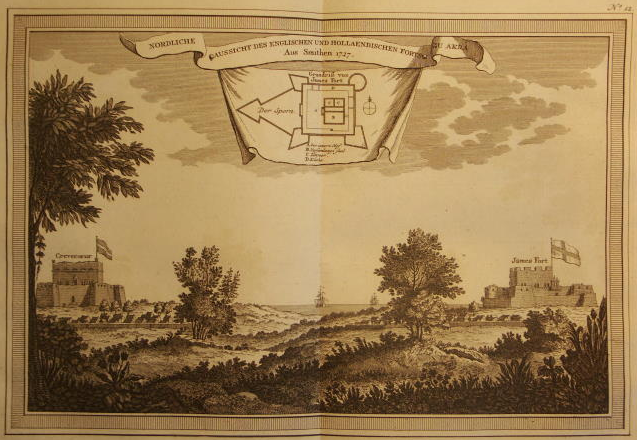
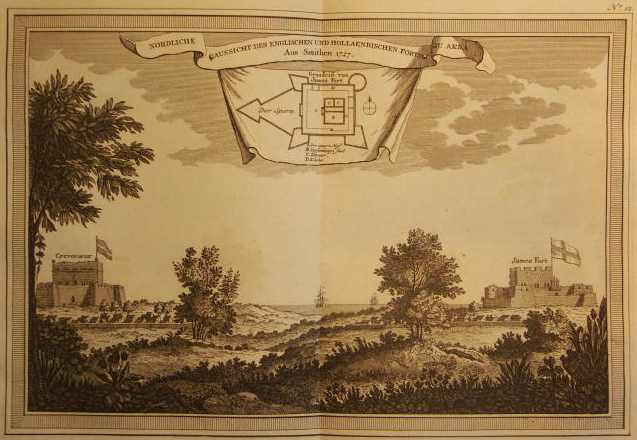
The origins of Fort Good Hope date back to 1667, when the Dutch first set up a lodge in Senya Beraku. This initial foothold was modest, but in 1705-06, upon the invitation of the local Agona chief, the Dutch constructed a small stone triangular fortification. They named it Fort de Goede Hoop, which translates directly to Fort Good Hope. The name reflected the Dutch aspirations that this fort would become a thriving center for commerce in gold, ivory, and slaves. Strategically, the fort was built on a promontory overlooking a cove with a favorable landing beach, providing easy access for ships and a defensible position against potential attackers.
Early construction and strategic importance
The initial triangular design of the fort was typical of early European coastal fortifications in West Africa, focusing on a compact and defensible structure. However, the anticipated boom in gold trade did not materialize as expected. Instead, the fort became more involved in the slave trade, which intensified due to the increased capture of prisoners during conflicts among local tribes. By 1715, the original fort was insufficient to handle the growing volume of enslaved people being held and traded.
Expansion and architectural transformation
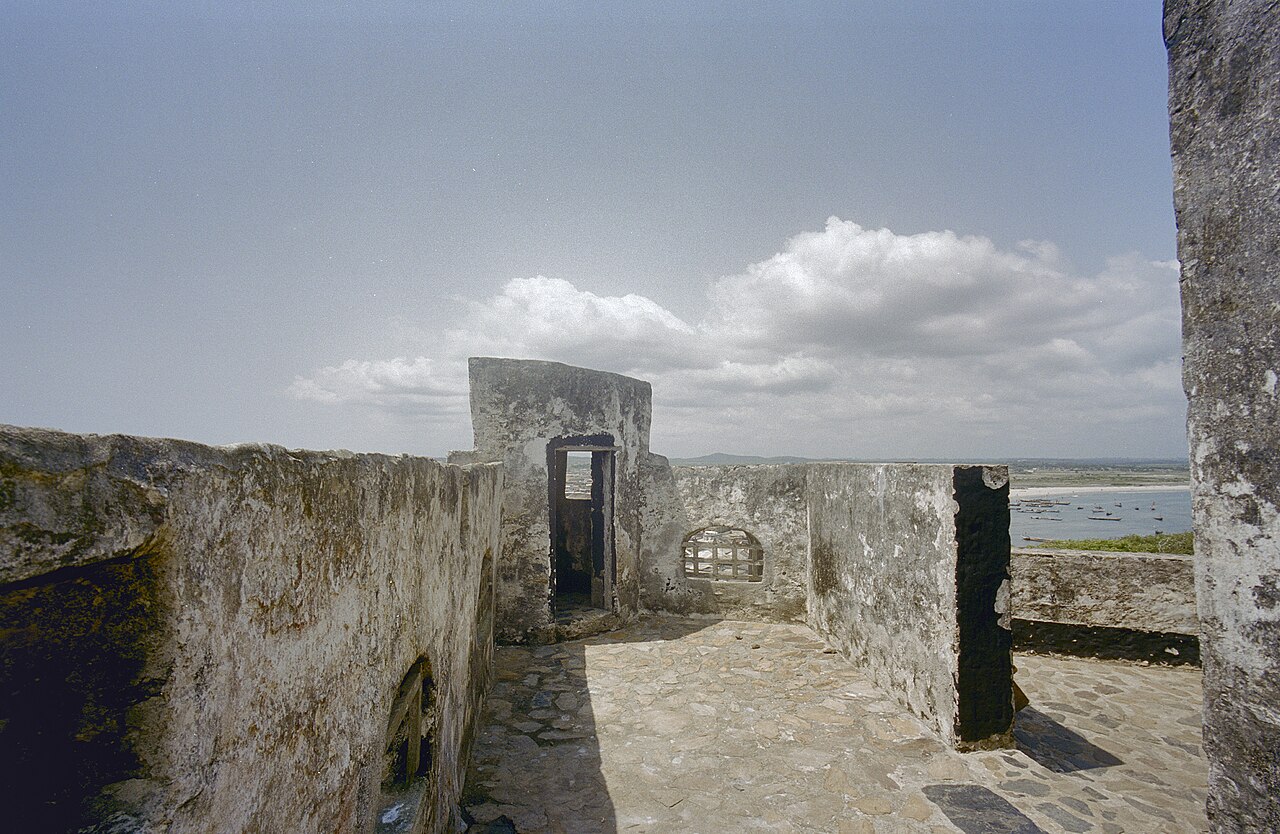
Recognizing the need for a larger and more functional facility, the Dutch undertook a major reconstruction of Fort Good Hope in 1724. The fort was rebuilt into its current form, adopting a larger rectangular layout featuring four bastions connected by curtain walls. This design enhanced the fort's defensive capabilities and allowed for better management of the various activities within its walls.
Structural layout and facilities
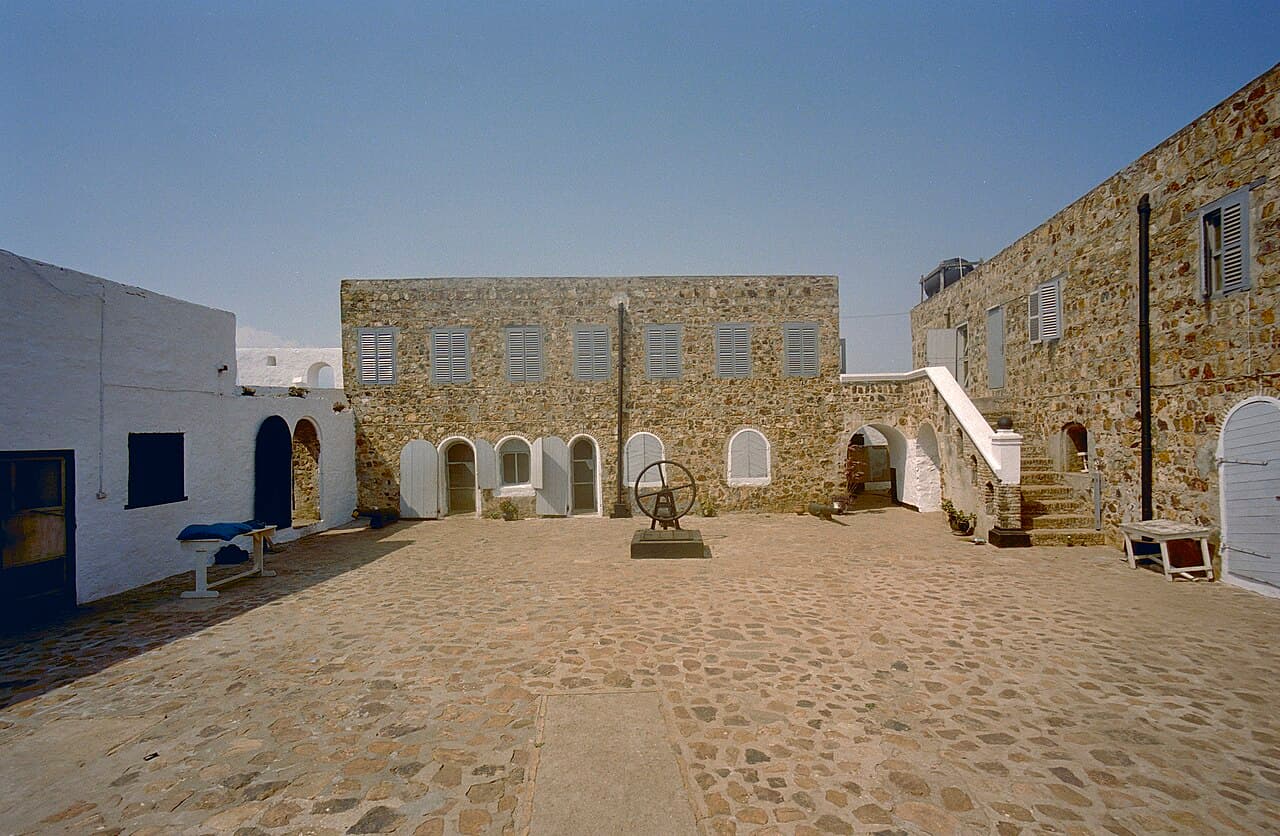
The southwest bastion was specially designed to accommodate a large male slave prison, reflecting the fort's central role in the slave trade. Around a spacious central courtyard, the fort housed several important facilities, including apartments and a hall designated for officers and the garrison. Additionally, there were storage rooms, kitchens, a granary, a female slave prison, and a powder magazine for storing gunpowder and ammunition. These features made Fort Good Hope a self-sufficient military and trading post capable of sustaining its occupants and operations for extended periods.
Later, an outer wall was constructed around the fort to provide an additional layer of defense. However, this outer wall has largely disappeared over time, leaving only traces of its former presence.
Historical transitions and decline
In 1816, the Dutch abandoned Fort Good Hope, marking the end of their direct control over the site. Subsequently, in 1868, the fort was transferred to British control as part of an exchange of forts along the Gold Coast. Under British administration, the fort gradually fell into disuse and was reported to be in a state of partial ruin by 1957.
Restoration and current use
During the 1980s, efforts were made to restore Fort Good Hope, recognizing its historical and cultural significance. Restoration work stabilized the structure, and part of the fort was adapted for use as a rest house. Today, Fort Good Hope continues to serve as a small bed and breakfast and rest house, welcoming visitors who come to explore its rich history and enjoy the scenic views.
Visitors can tour the fort free of charge, though tips are appreciated to support its upkeep. The fort's location offers beautiful views of the sea and the surrounding landscape, making it a charming and educational destination for those interested in the history of European colonialism, West African trade, and the architecture of coastal forts.
Architectural significance and heritage
Fort Good Hope is an excellent example of a coastal fortress built by European powers during the early modern period to secure trading interests along the West African coast. Its rectangular design with bastions reflects military architectural trends of the 18th century, emphasizing defense and control. The fort's adaptation over time, including the addition of prisons and administrative buildings, illustrates the evolving functions of such forts in the context of the transatlantic slave trade.
Today, Fort Good Hope stands as a testament to the complex and often painful history of the Gold Coast region. It offers valuable insights into the interactions between European traders and African societies, the economic drivers of the era, and the architectural responses to the challenges of coastal defense and trade management.
Frequently asked questions (FAQ)
- How do I visit Fort Good Hope?
- Fort Good Hope is located in Senya Beraku, Ghana, and can be visited free of charge. It is advisable to check local tourism information for current opening hours and guided tour availability.
- What is the historical significance of Fort Good Hope?
- Fort Good Hope was a key Dutch fort involved in the trade of gold, ivory, and slaves on the Gold Coast. Its architecture and history reflect the colonial and economic dynamics of the 17th and 18th centuries.
- Can I stay overnight at Fort Good Hope?
- Yes, part of Fort Good Hope has been restored and converted into a rest house and small bed and breakfast, allowing visitors to stay overnight in this historic setting.
- Why was Fort Good Hope rebuilt in 1724?
- The original triangular fort was too small to handle the increasing volume of slaves and trade activities. The 1724 reconstruction expanded the fort into a larger rectangular structure with bastions for improved defense and capacity.
- Is Fort Good Hope accessible for visitors interested in architecture?
- Absolutely. The fort's 18th-century bastioned design and layout provide valuable insights into coastal fortress architecture and colonial military engineering.
Photo gallery

Information
Ticket prices
Free
Current owner
State museum
Loading map...
Visitor reviews
No reviews yet. Been here? Write the first review and help other travelers!
Write the first reviewVisited this castle? Share your experience
Your review helps other travelers and adds first-hand knowledge to our encyclopedia.