Fort Oswego
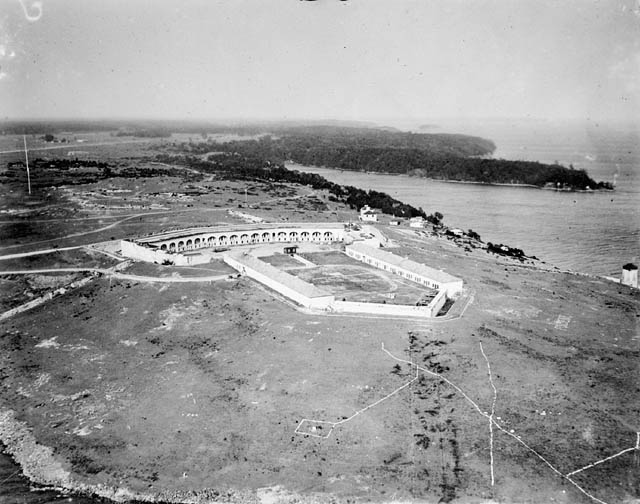
Fort Oswego was a significant 18th-century bastioned fortress located on the southeastern shore of Lake Ontario in what is now the city of Oswego, New York. Originally established in 1727 under the direction of New York Governor William Burnet, the fort was constructed to secure British interests in the strategically vital Great Lakes region. It was built adjacent to an earlier 1722 French blockhouse, which had served as a trading post and way station for French traders. This positioning marked a deliberate British effort to establish a foothold in a contested frontier area dominated by French and Native American alliances.
Early establishment and architectural features
The initial fortifications at Fort Oswego consisted of a log palisade enclosing a trading post and military garrison. Over time, the site was expanded and fortified with bastioned earthworks characteristic of post-Renaissance military architecture. These bastions allowed defenders to cover all approaches with overlapping fields of fire, a critical design feature in the era of gunpowder warfare. The fort's layout included defensive walls, ramparts, and artillery placements overlooking the lake and surrounding land routes.
Strategic importance in the great lakes region
Fort Oswego played a pivotal role in controlling access to the interior of North America via the Great Lakes and the St. Lawrence River corridor. It served both as a military stronghold and a commercial hub for trade with Native American tribes, facilitating the exchange of furs and goods. The fort's location made it a flashpoint in the escalating conflict between British and French colonial empires vying for dominance in the region.
The 1756 siege during the french and indian war
During the French and Indian War (the North American theater of the Seven Years' War), Fort Oswego was the scene of a critical battle in 1756. A garrison composed primarily of British Army soldiers from the 50th and 51st Foot regiments defended the fort against a combined force of French troops and their Native American allies. The siege was intense and resulted in approximately 150 British casualties. Ultimately, the fort surrendered, and the French captured about 1,700 soldiers and civilians. Following the surrender, the French forces destroyed the fortifications to prevent the British from reestablishing their presence.
Legacy and current status
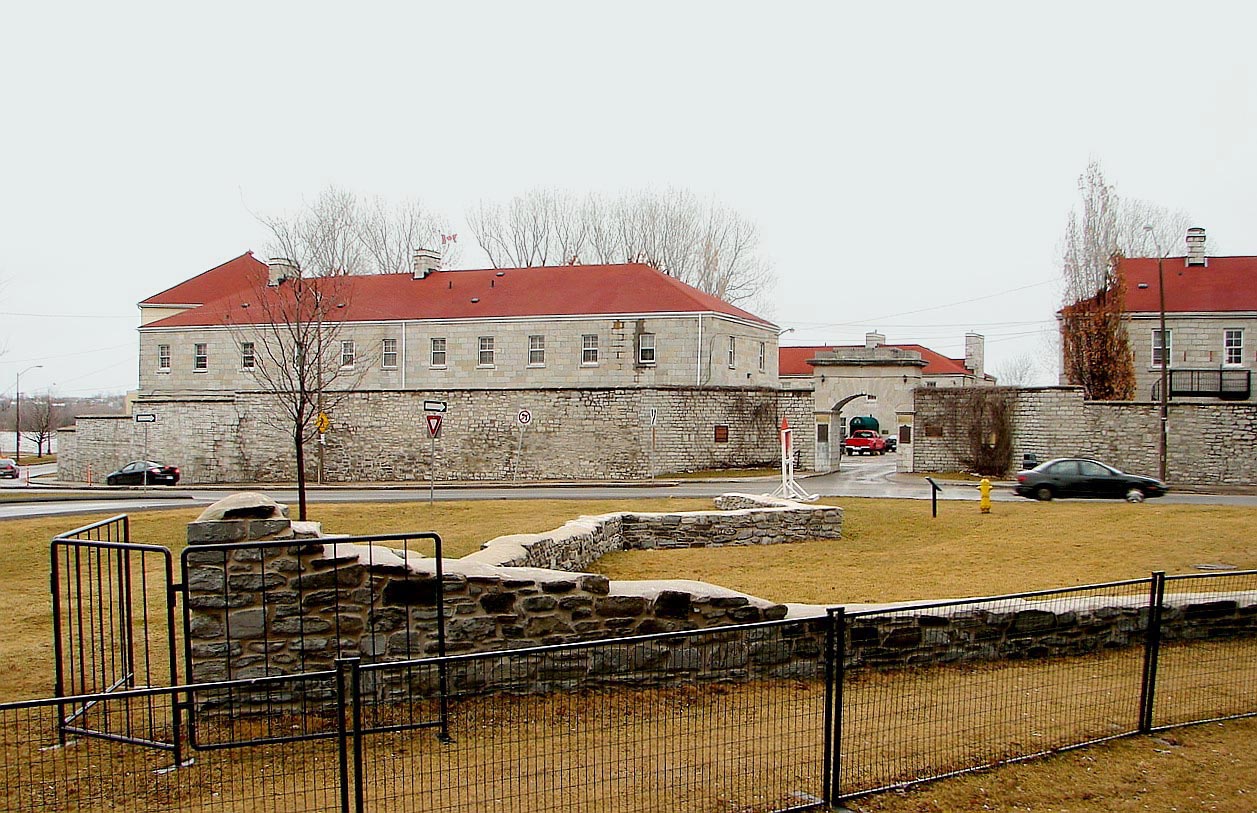
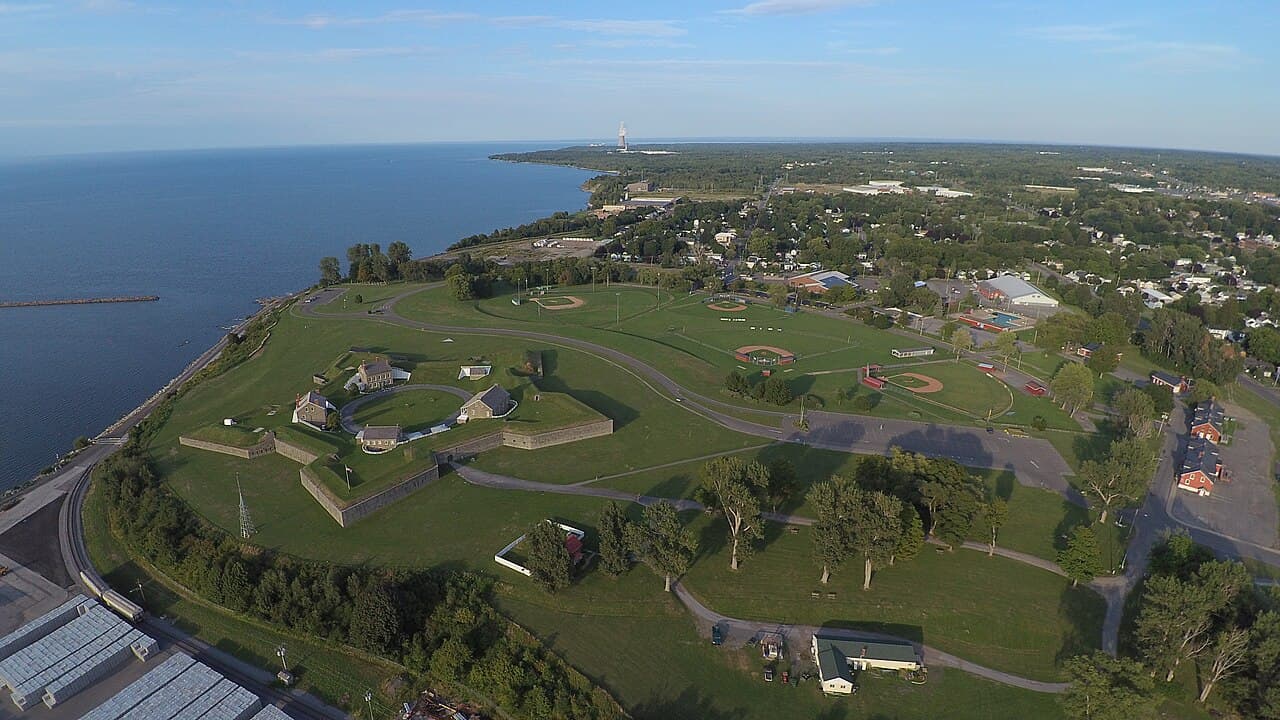
Today, the site of Fort Oswego is part of the city of Oswego, New York. Although the original fortifications were destroyed, the location remains a point of historical interest for its role in colonial military history and the struggle for control over the Great Lakes region. The fort was known to the French as Fort Chouaguen, reflecting its place in the broader contest between European powers in North America.
Architectural and historical significance
Fort Oswego exemplifies the bastioned fortress design typical of the post-Renaissance period, incorporating angled bastions for defensive artillery coverage. Its construction and subsequent destruction highlight the volatility of colonial frontier warfare and the shifting control of strategic sites during the mid-18th century. The fort's history provides insight into the military strategies employed by European powers in North America and their interactions with indigenous peoples.
Frequently asked questions (FAQ)
- When was Fort Oswego built and by whom?
- Fort Oswego was established in 1727 by order of New York Governor William Burnet to secure British interests on the Great Lakes.
- What architectural style characterizes Fort Oswego?
- Fort Oswego features bastioned fortress design typical of the post-Renaissance period, with angled bastions for artillery defense.
- What happened during the 1756 siege of Fort Oswego?
- In 1756, British troops defending Fort Oswego were besieged by French and Native American forces, resulting in the fort's surrender and destruction.
- Is Fort Oswego open to the public today?
- The site of Fort Oswego is part of the city of Oswego, New York, and is accessible as a historical site, though the original fort no longer stands.
- Why was Fort Oswego strategically important?
- Fort Oswego controlled access to the Great Lakes and interior North America, serving as a military and trading post during colonial conflicts.
Photo gallery

Information
Current owner
Municipality
Loading map...
Visitor reviews
No reviews yet. Been here? Write the first review and help other travelers!
Write the first reviewVisited this castle? Share your experience
Your review helps other travelers and adds first-hand knowledge to our encyclopedia.