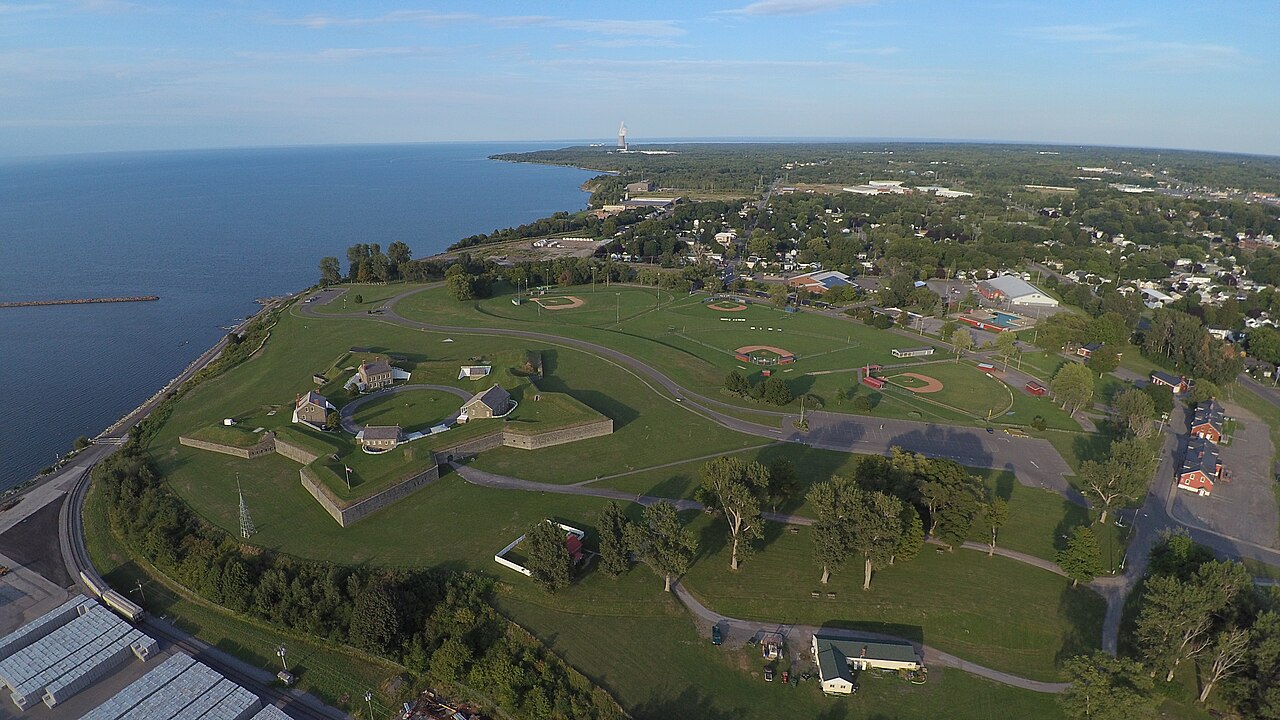
The White Lady's Castle
The White Lady's Castle, located in Durand-Eastman Park near Rochester, New York, is a site of intriguing historical and cultural interest. Although the remains resemble a medieval fortress, the structure was originally part of an early 20th-century hotel dining hall that served visitors to the nearby Lake Ontario. Today, visitors encounter only the crumbling stone foundations and curved steps that evoke the image of a European castle ruin, lending the site a mysterious and romantic atmosphere that has inspired local folklore and ghost stories.
Historical background and architectural context
The remains that comprise The White Lady's Castle were once integral to a hotel complex built in the early 1900s, catering to the recreational needs of swimmers and tourists visiting the lakeside park. The structure served as a dining hall for hotel guests, designed with stylistic elements that mimicked the grandeur and solidity of medieval architecture, possibly to enhance the romantic appeal of the lakeside resort. The use of curved stone steps and a tall stone wall with a rampart-like top gave the building an imposing presence, which over time has weathered into evocative ruins.
While the building was never a true castle, its architectural features reflect a romantic revival approach popular in early 20th-century American resort architecture, where medieval motifs were often adopted to create picturesque settings. The stone masonry and layout suggest a purposeful design to evoke the feeling of a fortress or castle, contributing to the site's enduring mystique.
Local legends and cultural significance
The most captivating aspect of The White Lady's Castle is the local legend that has grown around the ruins. According to folklore, the site was once the home of an overprotective mother and her daughter. The story tells of the daughter disappearing one night during a stroll, presumed to have run away with a suitor. The mother, driven to madness by grief and loss, is said to haunt the ruins to this day.
Visitors and locals alike report sightings of a white apparition hovering above the ramparts, known as the White Lady. More dramatic accounts describe the ghost accompanied by spectral dogs that chase those who dare to linger or engage in romantic activities near the site. This haunting narrative has cemented the ruins as a place of supernatural intrigue and a popular destination for ghost hunters and curious visitors.
Architectural features and current condition
The surviving elements of The White Lady's Castle include curved stone steps that ascend to a high stone wall, which serves as a makeshift rampart. The wall's top edge, reminiscent of battlements, enhances the illusion of a defensive structure. The stonework is weathered and partially collapsed in places, reflecting decades of exposure to the elements and lack of restoration.
The site is classified as ruins, with only foundational elements and partial walls remaining. There are no intact roofs or enclosed chambers, and the overall footprint suggests the original building was modest in scale compared to true castles. However, the evocative ruins provide a tangible link to the early 20th-century recreational history of Rochester and the cultural landscape of Durand-Eastman Park.
Visiting The White Lady's Castle
Today, The White Lady's Castle is accessible to the public within Durand-Eastman Park, a popular recreational area in Rochester. Visitors can explore the ruins and surrounding natural scenery, which includes forested areas and views of Lake Ontario. The site offers a unique blend of architectural curiosity and local folklore, making it a compelling destination for history enthusiasts, photographers, and those intrigued by ghost stories.
While there are no formal facilities or guided tours specifically for the ruins, the park provides walking paths and picnic areas nearby. Visitors should exercise caution on the uneven stone steps and walls, as the ruins are not maintained as a formal historic site. The best time to visit is during daylight hours when the natural light highlights the textures of the stonework and the surrounding landscape.
Legacy and preservation considerations
The White Lady's Castle stands as a testament to the layered history of Rochester, blending early 20th-century leisure architecture with enduring local legends. Although the structure is not a medieval castle, its romantic design and evocative ruins contribute to the cultural heritage of the region. Preservation efforts have been limited, and the site remains a fragile reminder of a bygone era.
Future conservation could focus on stabilizing the stonework to prevent further deterioration while maintaining the atmospheric qualities that inspire its ghostly reputation. As a cultural landmark, The White Lady's Castle continues to fascinate residents and visitors, embodying the intersection of history, architecture, and folklore in the American landscape.
Frequently asked questions (FAQ)
- What is the history behind The White Lady's Castle in Rochester?
- The White Lady's Castle was originally part of an early 20th-century hotel dining hall in Durand-Eastman Park, serving visitors to Lake Ontario. Over time, the structure fell into ruin and became associated with local ghost legends.
- Can visitors explore the ruins of The White Lady's Castle?
- Yes, the ruins are accessible to the public within Durand-Eastman Park. Visitors can walk around the stone foundations and steps, but should be cautious as the site is not formally maintained.
- Why is the site called The White Lady's Castle?
- The name comes from a local legend about a ghostly white apparition of a mother mourning her lost daughter, said to haunt the ruins along with spectral dogs.
- Is there any architectural style associated with The White Lady's Castle?
- The structure reflects early 20th-century romantic revival architecture with medieval-inspired stone masonry, designed to evoke a castle-like appearance.
- When is the best time to visit The White Lady's Castle?
- Daylight hours are best for visiting to safely explore the ruins and enjoy the natural surroundings of Durand-Eastman Park.
Loading map...
Visitor reviews
No reviews yet. Been here? Write the first review and help other travelers!
Write the first reviewVisited this castle? Share your experience
Your review helps other travelers and adds first-hand knowledge to our encyclopedia.