Fort of São Julião da Barra
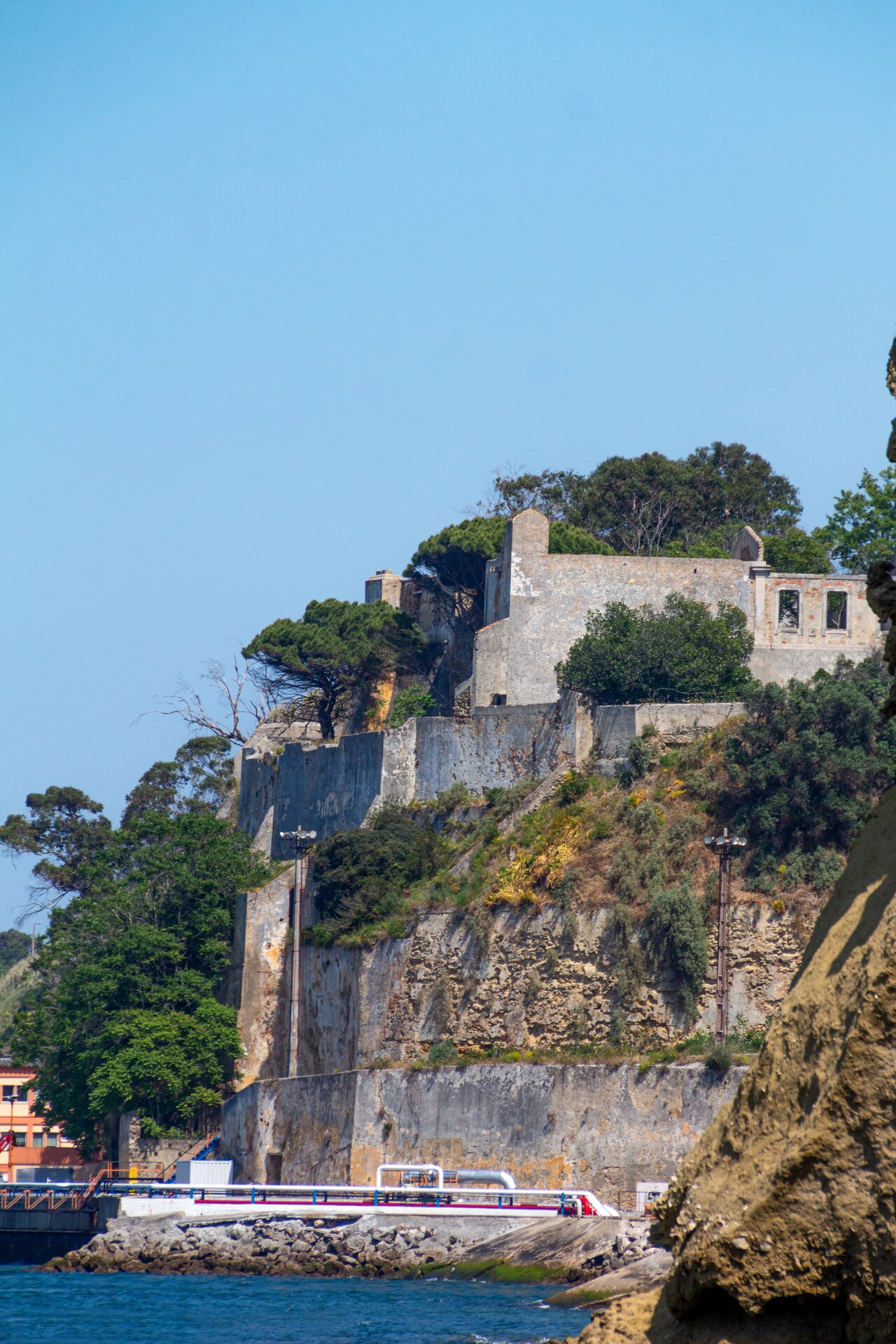
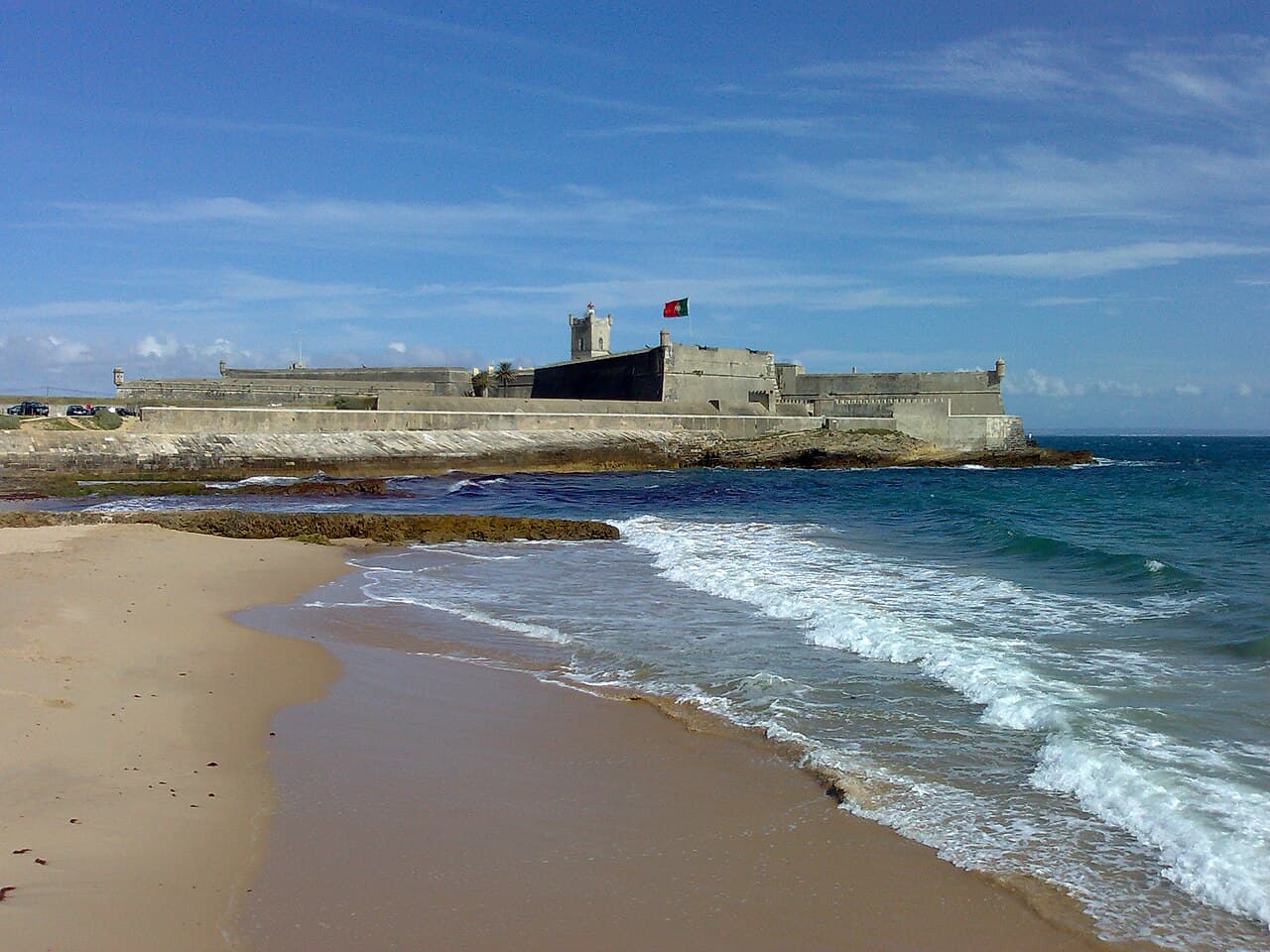
The Fort of São Julião da Barra stands as the largest and most complete example of a Renaissance bastioned fortress in Portugal, showcasing the military architectural principles of the Vauban style. Situated at the strategic point of São Gião in the parish of Oeiras e São Julião da Barra, within the Oeiras Municipality of the Lisbon District, this imposing fortification played a pivotal role in the defense of the Portuguese capital and its vital maritime access.
Constructed in the 16th century, the fort was part of a comprehensive coastal defense system designed to protect the entrance to the Tagus River estuary and the port of Lisbon. Together with the Fort of São Lourenço do Bugio, located on a sandbank in the river, São Julião da Barra controlled naval traffic and safeguarded the city from seaborne attacks. Its strategic location on the point of São Gião allowed it to oversee the maritime approaches effectively.
Architectural design and fortifications
The fort exemplifies the Renaissance military architecture adapted to the evolving demands of artillery warfare. Its design incorporates bastions—angular structures projecting outward from the curtain walls—that enabled defenders to cover adjacent walls with overlapping fields of fire, minimizing blind spots. The complex includes thick, sloped walls constructed to absorb and deflect cannon fire, a dry moat surrounding the fort, and multiple layers of defensive works.
The layout is characterized by a polygonal plan with four main bastions, each named and strategically positioned to cover different sectors of the harbor and coastline. These bastions are linked by curtain walls equipped with artillery emplacements. The fort also features a main gate with a drawbridge, guardhouses, barracks, storerooms, and a chapel, reflecting its role not only as a military installation but also as a self-contained garrison.
Vauban style influence
The fort's architecture is influenced by the principles developed by the French military engineer Sébastien Le Prestre de Vauban, renowned for his innovations in fortress design during the late 17th century. Although São Julião da Barra predates Vauban's most famous works, it was later modified to incorporate bastioned fortifications that align with his defensive concepts. This style emphasizes angled bastions, low-profile walls, and layered defenses to withstand siege artillery.
Historical significance and military role
Throughout its history, the Fort of São Julião da Barra has served as a critical military stronghold protecting Lisbon, especially during periods of conflict such as the Portuguese Restoration War in the 17th century and the Napoleonic invasions in the early 19th century. Its strategic position enabled control over naval access, preventing enemy fleets from entering the Tagus River and threatening the capital.
During the Portuguese Restoration War (1640–1668), the fort was reinforced to counter Spanish attempts to regain control over Portugal. Later, in the Napoleonic Wars, it played a defensive role against French incursions. The fort's artillery batteries were updated over time to accommodate advances in military technology.
Role in maritime defense
As the primary maritime defense installation in Portugal for centuries, São Julião da Barra was integral to the protection of the Lisbon harbor and the safeguarding of maritime trade routes. Its presence deterred hostile naval forces and ensured the security of the capital's supply lines.
Current status and use
Today, the Fort of São Julião da Barra remains remarkably well preserved and is considered one of the finest examples of bastioned fortifications in Portugal. It serves as the official residence of the Portuguese Minister of National Defence, a function that has ensured its maintenance and restricted public access.
The fort's extensive grounds and robust structures continue to reflect its military heritage, with many original elements intact, including the bastions, walls, and internal buildings. While it is not generally open to the public, the fort occasionally hosts official events and ceremonies related to national defense.
Architectural features in detail
Bastions and curtain walls
The four main bastions—named São Julião, São Pedro, São João, and São Lourenço—are designed to provide comprehensive coverage of the surrounding waters and land approaches. These bastions feature thick masonry walls with earthen ramparts behind them to absorb artillery impact. The curtain walls connecting the bastions are equipped with embrasures for cannons, allowing defenders to deliver crossfire against attackers.
Internal structures
Inside the fort, there are barracks that housed soldiers, storerooms for ammunition and supplies, and a chapel dedicated to the patron saint of the fort. The internal layout was planned to support a self-sufficient military garrison capable of withstanding prolonged sieges.
Moat and access points
The fort is surrounded by a dry moat that adds an additional layer of defense against infantry assaults. Access is controlled via a main gate protected by a drawbridge, which could be raised in times of attack. The gatehouse includes defensive features such as machicolations and firing slits.
Preservation and cultural importance
The fort is recognized as a significant cultural and historical monument in Portugal, representing the evolution of military architecture from the Renaissance through the early modern period. Its preservation offers valuable insights into the defensive strategies employed to protect one of Europe's key maritime capitals.
Efforts to maintain the fort have focused on conserving its original structures and adapting it for contemporary use without compromising its historical integrity. It remains a symbol of Portugal's maritime heritage and military history.
Frequently asked questions (FAQ)
- What is the historical significance of the Fort of São Julião da Barra?
- The Fort of São Julião da Barra is a significant 16th-century military fortress located at the mouth of the Tagus River in Oeiras, Portugal. It served as a crucial defense point against maritime invasions and played a vital role in protecting Lisbon throughout its history.
- When was the Fort of São Julião da Barra built?
- Construction of the Fort of São Julião da Barra began in 1568 and was completed in 1571. The fort was commissioned by King Sebastian of Portugal to strengthen the coastal defenses of the region during a period of increased naval threats.
- Can I visit the Fort of São Julião da Barra?
- Yes, visitors can explore the Fort of São Julião da Barra, which offers guided tours to learn about its rich history and architecture. It's advisable to check the official website for any special events or restrictions before planning your visit.
- What are the opening hours for the Fort of São Julião da Barra?
- The Fort of São Julião da Barra is typically open to visitors from 10:00 AM to 6:00 PM, but hours may vary seasonally. It’s best to verify the current schedule on the official website to ensure you have the most accurate information before your visit.
- Is it possible to access the Fort of São Julião da Barra by public transportation?
- Yes, the fort is accessible via public transportation, including buses and trains from nearby cities. Additionally, there are designated walking paths leading to the fort, making it convenient for visitors to reach this historical site.
- What is the best time to visit the Fort of São Julião da Barra?
- The best time to visit the Fort of São Julião da Barra is during the spring and fall months when the weather is mild and pleasant. These seasons also see fewer crowds, allowing for a more enjoyable experience as you explore the fort's grounds.
- Are there any nearby attractions to visit while at the Fort of São Julião da Barra?
- Yes, nearby attractions include the beautiful coastal areas of Oeiras, such as the Parque dos Poetas and the lovely waterfront promenade. You can also explore the charming town center of Oeiras, which offers shops, cafes, and cultural sites.
- What are the ticket prices for visiting the Fort of São Julião da Barra?
- Entry to the Fort of São Julião da Barra is usually free, but it’s important to check for any special events that may require a ticket purchase. Certain guided tours may have associated fees, so be sure to confirm the details before your visit.

Information
Address
São Julião da Barra, Oeiras Municipality, Lisbon District, Portugal
Loading map...
Visitor reviews
No reviews yet. Been here? Write the first review and help other travelers!
Write the first reviewVisited this castle? Share your experience
Your review helps other travelers and adds first-hand knowledge to our encyclopedia.