Belém Tower
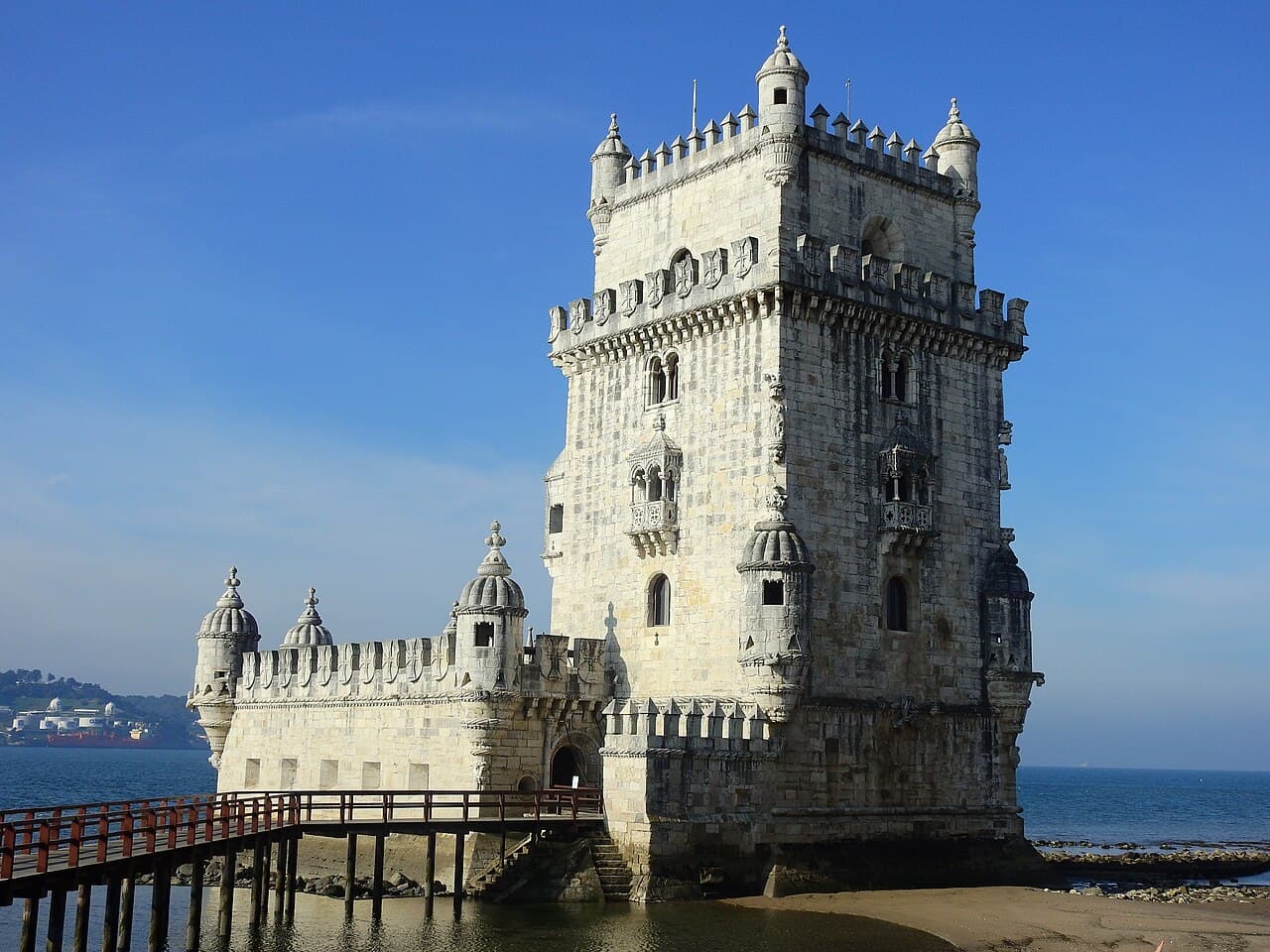
Belém Tower, also known as Torre de Belém or officially Torre de São Vicente, is one of the most iconic landmarks in Lisbon, Portugal, and a celebrated symbol of the city's maritime heritage. Situated on the northern bank of the Tagus River in the Lisboa region, this fortified tower was constructed during the early 16th century and remains a prime example of the distinctive Manueline architectural style, which flourished during the Portuguese Age of Discoveries.
The tower was commissioned initially by King John II of Portugal in the late 15th century as part of a strategic defense system to protect Lisbon from naval attacks. Although John II passed away before plans were finalized, his successor, King Manuel I, revived the project around 1514. The construction was completed by 1519 under the direction of the architect Francisco de Arruda, who infused the fortress with elaborate Manueline decorative elements that blend maritime motifs with Gothic and Renaissance influences.
Architectural design and features
Belém Tower was originally built as a four-storey tower on a small rocky island at the mouth of the Tagus River. The structure is primarily constructed from lioz limestone, a dense, durable stone native to the Lisbon region, which has helped preserve the tower's intricate carvings and robust form over centuries.
The tower consists of a bastion and a tall keep, reaching approximately 30 meters in height. The bastion was added shortly after the initial construction, around 1571, to enhance the tower's defensive capabilities against evolving military threats. This riverside bastion features rounded watchtowers topped with ornate Moorish-style domes, which are among the tower's most distinctive visual elements.
The main tower is adorned with numerous Manueline motifs, including twisted ropes, armillary spheres, crosses of the Order of Christ, and maritime symbols such as anchors and sea creatures. The windows and balconies display finely carved stonework, combining elements of Venetian Gothic with traditional Portuguese design. The tower also includes an arched loggia, which offers panoramic views of the river and surrounding landscape.
Interior layout and defensive structures
Inside, the tower contains several levels with distinct functions. The ground floor originally housed the gunpowder magazine and storage rooms. The upper floors accommodated the garrison's quarters, the governor's chamber, and a chapel. The top level features a terrace and bartizans (small overhanging turrets) that provided vantage points for lookouts and artillery placement.
The tower's dungeons were used as a prison from the late 16th century until the early 19th century. Its strategic position allowed it to control maritime traffic entering Lisbon, serving as both a defensive fortification and a ceremonial gateway welcoming explorers returning from overseas voyages.
Historical significance and transformations
Belém Tower played a crucial role during the Portuguese Age of Discoveries, a period marked by extensive overseas exploration and expansion. It was part of a larger defensive network guarding Lisbon, which was then one of the most important ports in Europe.
In 1580, during the Iberian Union, the tower's garrison surrendered to Spanish forces after a brief confrontation. Subsequently, the bastion was rebuilt and reinforced in the 1580s to strengthen its defenses. The tower's military importance declined over the centuries, but it remained a symbol of Portugal's maritime prowess.
During the Peninsular War (1808–1814), French troops occupied Lisbon and used Belém Tower as a military post. The tower also functioned as a customs house for ships until 1833, after which it gradually fell into neglect.
In the mid-19th century, the tower was restored to preserve its historical and architectural legacy. The devastating 1755 Lisbon earthquake had altered the course of the Tagus River, connecting the tower to the mainland rather than leaving it on a small island as originally built. This change significantly affected the tower's defensive role but enhanced its accessibility and symbolic presence.
Belém Tower today: cultural heritage and tourism
Today, Belém Tower is recognized as a UNESCO World Heritage Site, alongside the nearby Jerónimos Monastery, for its outstanding contribution to the maritime history of Portugal and its exceptional architectural value. The tower attracts millions of visitors annually, drawn by its scenic location overlooking the Tagus River and its rich historical significance.
Visitors can explore the tower's interior, including its battlements, chambers, and terraces, which offer spectacular views of the river and the city skyline. Due to limited space inside, visitor numbers are controlled, and queues can be long during peak tourist seasons. The tower is accessible for a fee, and guided tours provide in-depth insights into its history and architecture.
Belém Tower continues to captivate tourists and historians alike with its blend of defensive architecture and ornate decoration. Its role as a maritime sentinel and symbol of Portugal's Age of Discoveries makes it an indispensable part of Lisbon's cultural landscape.
Frequently asked questions (FAQ)
- How do I get to Belém Tower in Lisbon?
- Belém Tower is located in the Belém district of Lisbon, accessible by tram, bus, or taxi. The nearest tram stop is 'Belém' on tram line 15, which connects the tower to downtown Lisbon.
- What are the opening hours of Belém Tower?
- Belém Tower is open daily from 10:00 to 17:30. It is advisable to visit early in the day or late in the afternoon to avoid long queues, especially during the summer tourist season.
- Can I visit the interior of Belém Tower?
- Yes, visitors can explore the interior of Belém Tower, including its bastion, chambers, dungeons, and terraces. Due to limited space, visitor numbers are regulated to ensure a comfortable experience.
- What is the historical significance of Belém Tower?
- Belém Tower was a key defensive structure guarding Lisbon's harbor during the Age of Discoveries. It also served as a ceremonial gateway welcoming explorers returning from overseas voyages, symbolizing Portugal's maritime power.
- Is Belém Tower wheelchair accessible?
- Due to its historic structure and narrow staircases, Belém Tower has limited wheelchair accessibility. Visitors with mobility concerns should plan accordingly or contact the site in advance for assistance.
- Are there other attractions near Belém Tower?
- Yes, nearby attractions include the Jerónimos Monastery, the Monument to the Discoveries, and the Belém Cultural Center. These sites offer a comprehensive experience of Lisbon's maritime history and culture.
Photo gallery

Information
Opening hours
10:00-17:30, daily
Ticket prices
€6 adult, €3 child
Current owner
Portuguese government
Website
Visit websiteAddress
Av. Brasília, 1400-038 Lisboa, Portugal
Sources & official resources
Verify the information above using these authoritative references.
Loading map...
Visitor reviews
No reviews yet. Been here? Write the first review and help other travelers!
Write the first reviewVisited this castle? Share your experience
Your review helps other travelers and adds first-hand knowledge to our encyclopedia.