Fort of São Sebastião de Caparica
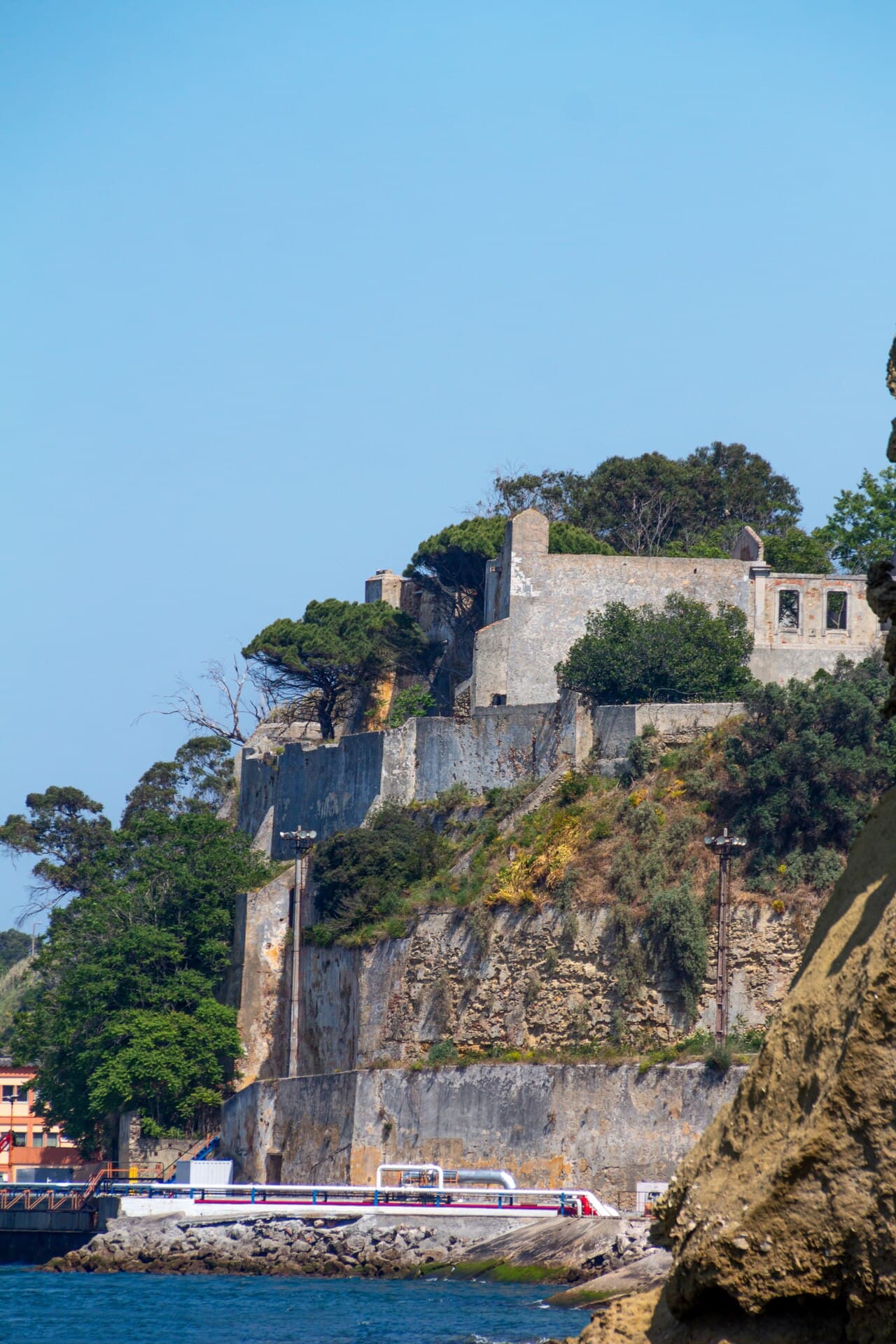
The Fort of São Sebastião de Caparica, also known as the Tower of São Sebastião or Fortress of the Old Tower, is a significant Renaissance-era bastioned fortress located in Monte da Caparica, within the civil parish of Caparica in the municipality of Almada, part of the Península de Setúbal region of Portugal. This fortification played a crucial role in the coastal defense system during the late 15th and early 16th centuries, a period marked by advances in artillery and military architecture.
Historical context and strategic importance
Constructed at the end of the 15th century and into the early 16th century, the Fort of São Sebastião de Caparica was part of a network of fortifications designed to protect the Tagus River estuary and the approaches to Lisbon from maritime threats. This system included other notable fortresses such as the Tower of Santo António de Cascais (1498) and the Fortress of São Vicente (1512). The fort's location on the Monte da Caparica provided a strategic vantage point for monitoring and controlling naval traffic, particularly during the height of Portuguese maritime exploration and expansion.
Architectural features and design
The fort exemplifies the Renaissance military architectural style characterized by the incorporation of bastions—angular, projecting structures that allowed defenders to cover adjacent walls with overlapping fields of fire. This design was a response to the increasing use of gunpowder artillery, which rendered traditional medieval walls vulnerable. The bastioned fortress layout of São Sebastião de Caparica includes thick, sloped walls built to absorb cannon fire, and low-profile ramparts that minimized exposure to enemy artillery.
Its construction reflects the transition from medieval fortifications to early modern military engineering, emphasizing artillery defense and the integration of multiple defensive elements such as curtain walls, ravelins, and moats. The fort's compact yet robust structure was designed to house a garrison capable of operating heavy artillery pieces to defend the coastline effectively.
Role in Portuguese maritime defense
During the Age of Discovery, Portugal's extensive coastline required a sophisticated defense system to protect its ports and naval assets. The Fort of São Sebastião de Caparica contributed to this by guarding the southern bank of the Tagus River estuary, a critical access point to Lisbon, the nation's capital and a major maritime hub. Its artillery could engage enemy ships attempting to enter the river, complementing the firepower of other forts on the opposite bank and along the coast.
This fortress was part of a broader military strategy to secure Portugal's maritime dominance and safeguard its overseas trade routes. Its presence deterred potential attackers and served as a base for local naval operations.
Preservation and current condition
Today, the Fort of São Sebastião de Caparica stands as a well-preserved bastioned fortress reflecting the military architectural innovations of the Renaissance period. Despite the passage of centuries, much of its original structure remains intact, allowing visitors to appreciate the design and strategic considerations of early modern coastal fortifications.
The fort is accessible to the public and offers insight into Portugal's defensive history and architectural heritage. Its location in Monte da Caparica also provides panoramic views of the Tagus estuary and the surrounding landscape.
Architectural elements and materials
The fort's construction primarily employs local stone and masonry techniques typical of the Renaissance era. The walls are reinforced with angled bastions that project outward to cover blind spots, a hallmark of bastioned fortifications. The use of thick curtain walls and low parapets demonstrates an understanding of the need to deflect cannonballs and reduce damage from artillery bombardment.
Inside, the fort would have contained barracks, storage rooms for ammunition and supplies, and artillery platforms. The design balances defensive capability with the practical needs of a permanent garrison.
Visitor information and cultural significance
The Fort of São Sebastião de Caparica is recognized as an important cultural monument within Portugal's military heritage. It attracts historians, architects, and tourists interested in Renaissance fortifications and Portuguese maritime history.
Visitors can explore the fort's ramparts and bastions, gaining a tangible sense of the military strategies employed during a transformative period in European fortification design. Its preservation allows for educational opportunities and cultural appreciation of Portugal's coastal defenses.
Frequently asked questions (FAQ)
- What is the historical significance of the Fort of São Sebastião de Caparica?
- The Fort of São Sebastião de Caparica was built in the late 16th century as a defense against pirate attacks and to protect the nearby coastline. It played a crucial role in the military history of Portugal, especially during the Age of Discoveries when maritime threats were prevalent. Today, it stands as a testament to the architectural and strategic ingenuity of its time.
- When was the Fort of São Sebastião de Caparica constructed?
- Construction of the Fort of São Sebastião de Caparica began in 1567 and was completed in 1571. It was designed by the renowned architect Giovanni Battista de Andrade and reflects the military architecture of the period. The fort has been well-preserved and offers a glimpse into the past.
- Can I visit the Fort of São Sebastião de Caparica?
- Yes, the Fort of São Sebastião de Caparica is open to visitors, allowing you to explore its historic walls and enjoy stunning views of the surrounding area. Guided tours are available to enhance your experience and provide insights into its history. Be sure to check for any special events or exhibitions that may be occurring during your visit.
- What are the opening hours for the Fort of São Sebastião de Caparica?
- The fort is typically open to visitors from 10 AM to 6 PM, but hours may vary depending on the season and special events. It's advisable to check the official website or contact the fort directly for the most accurate and up-to-date information. Plan your visit accordingly to make the most of your time there.
- Is it possible to access the Fort of São Sebastião de Caparica by public transportation?
- Yes, the fort is accessible by public transportation, with several bus routes connecting it to Almada and Lisbon. Visitors can take a bus from the city center to reach the fort quickly and conveniently. It’s a great option for those looking to explore without the hassle of driving.
- What is the best time to visit the Fort of São Sebastião de Caparica?
- The best time to visit is during the spring and fall months when the weather is mild and pleasant for outdoor exploration. Summer can be quite hot, which may affect your experience if you prefer cooler temperatures. Additionally, visiting during weekdays can help you avoid larger crowds.
- Are there any nearby attractions to visit along with the fort?
- Yes, nearby attractions include the beautiful beaches of Caparica, which are perfect for a relaxing day by the sea. Additionally, you can explore the scenic Almada waterfront and enjoy local restaurants offering Portuguese cuisine. The area is rich in culture and history, making it an ideal spot for a full day of exploration.
- What are the ticket prices for visiting the Fort of São Sebastião de Caparica?
- Tickets to the Fort of São Sebastião de Caparica are generally affordable, with discounts available for students and seniors. Specific prices may vary, so it’s best to check the official website for the latest information. Special rates may apply for guided tours or group visits.
Photo gallery

Information
Current owner
Municipality of Almada
Loading map...
Visitor reviews
No reviews yet. Been here? Write the first review and help other travelers!
Write the first reviewVisited this castle? Share your experience
Your review helps other travelers and adds first-hand knowledge to our encyclopedia.