Fort of Santiago do Outão
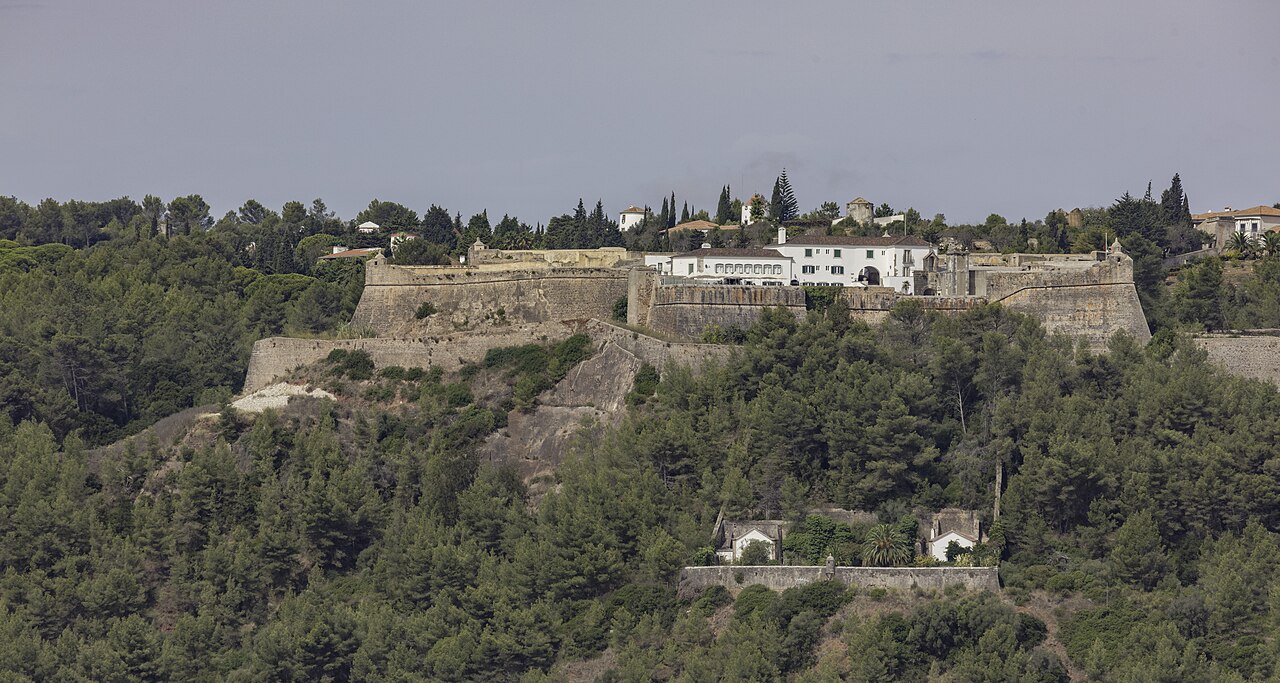
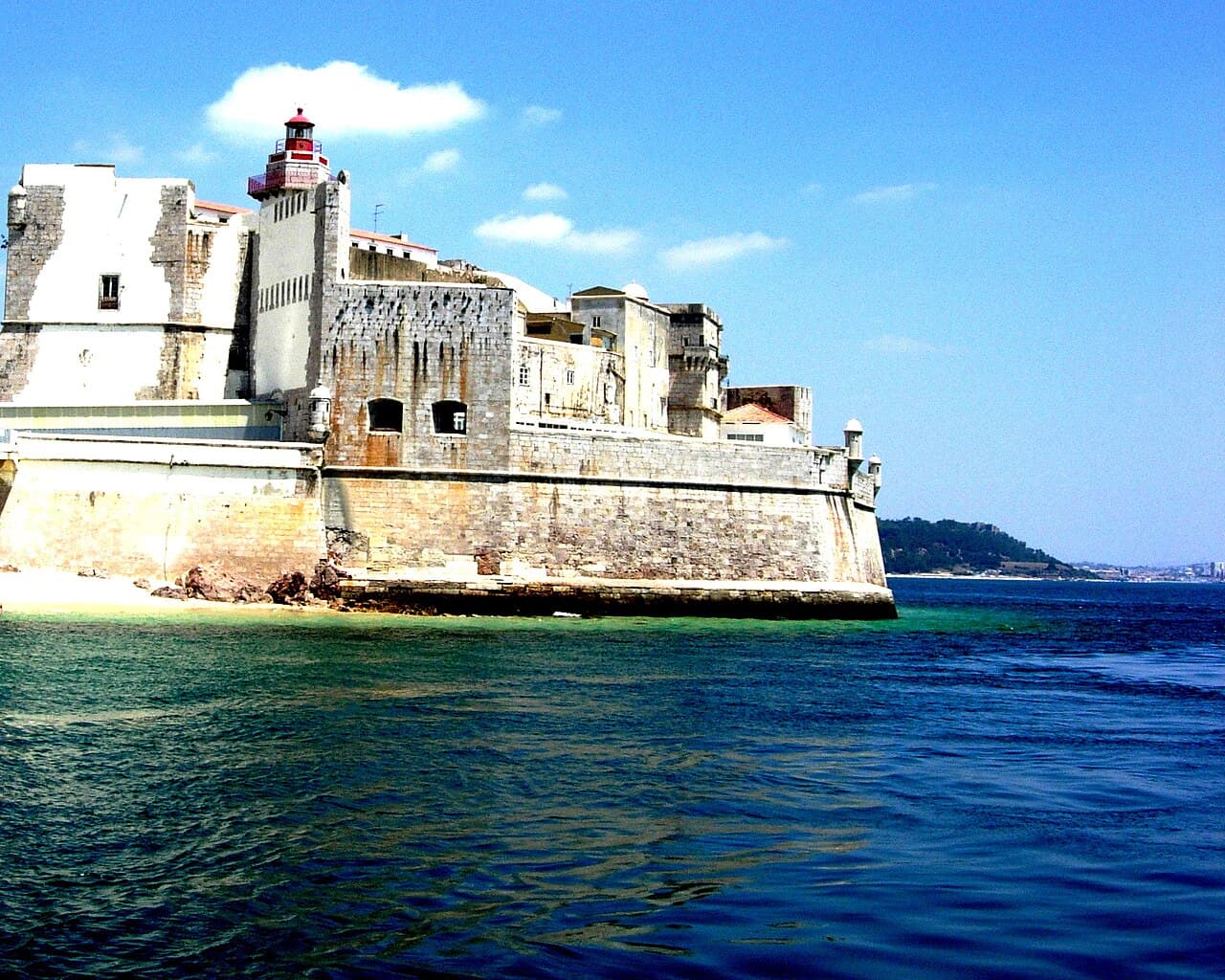
The Fort of Santiago do Outão is a prominent Renaissance bastioned fortress situated in Setúbal, Portugal, strategically positioned on the northern side of the Sado River's mouth along the Costa Azul. This coastal fortification played a significant role in the defense system protecting the estuary and the surrounding maritime approaches during the 16th century. Today, the fort serves a new purpose as the site of the Hospital Ortopédico Sant'Iago do Outão, blending historical architecture with modern medical use.
Historical context and strategic importance
Constructed in the 16th century during the Renaissance period, the Fort of Santiago do Outão was part of a larger network of coastal defenses developed by Portugal to protect its vital maritime interests. The fort's location at the mouth of the Sado River was crucial for controlling naval traffic entering the estuary, which was an important route for trade and military movements. This positioning allowed the fort to serve as a deterrent against potential invasions or pirate attacks, which were common threats during the era of Portuguese maritime expansion.
Architectural features and design
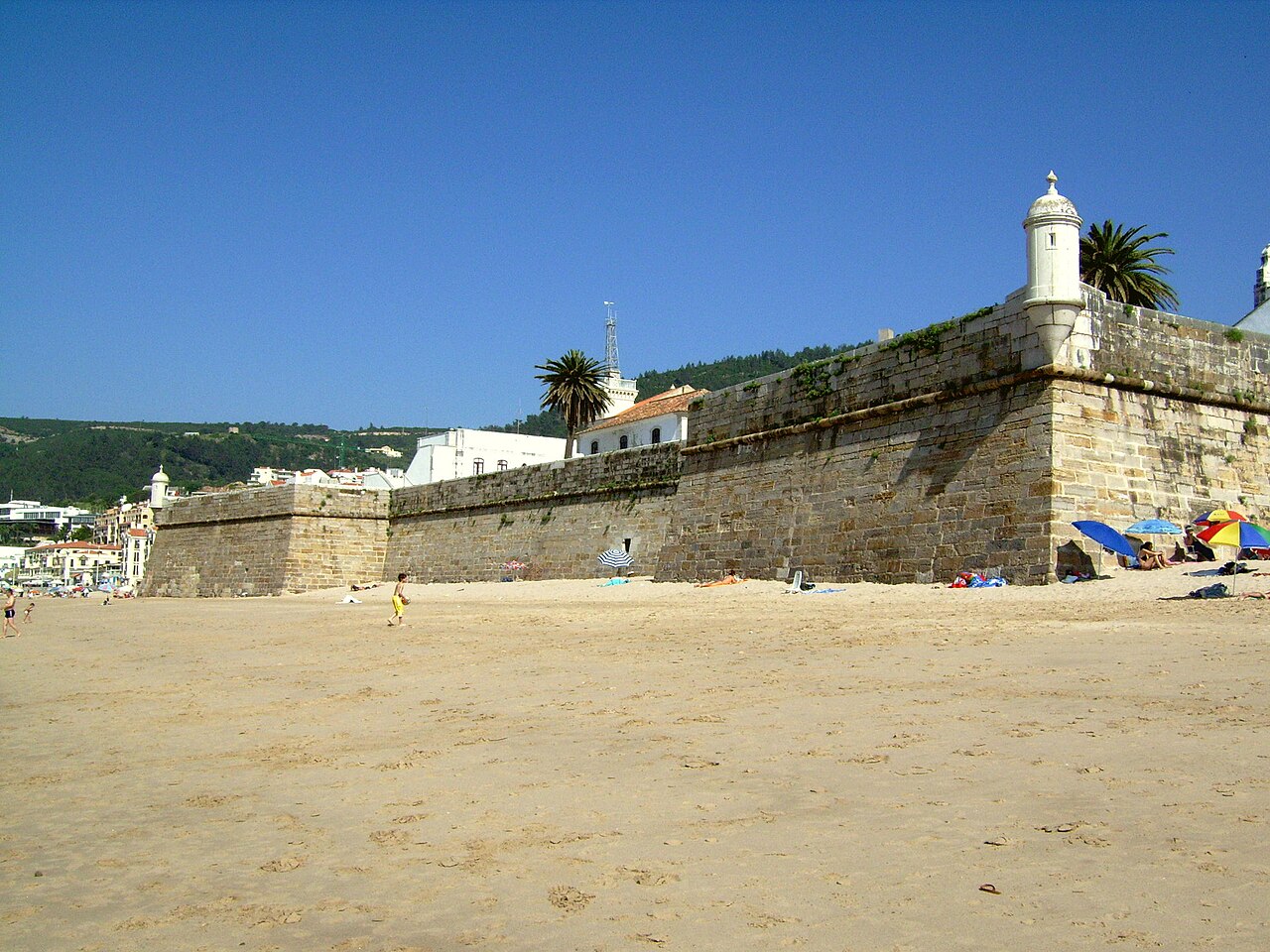
The fort exemplifies the bastioned fortress style characteristic of the Renaissance military architecture that emerged in response to the development of artillery. Its design includes angular bastions that project outward from the main walls, allowing defenders to cover adjacent walls with cannon fire, minimizing blind spots. The layout reflects the influence of the trace italienne style, which emphasized low, thick walls and angled bastions to better absorb and deflect cannonballs.
Key features of the fort include robust curtain walls, moats, and strategically placed gun platforms. The entrance is fortified with a gatehouse designed to withstand sieges, and the interior originally contained barracks, storage rooms, and command quarters. The fort's walls are constructed from local stone, providing durability against both natural erosion and military assault.
Adaptations and modifications
Over the centuries, the fort underwent various modifications to adapt to changing military technologies and needs. While the original Renaissance design remains largely intact, later adaptations included updates to the artillery emplacements and reinforcement of the walls. These changes reflect the evolving nature of coastal defense from the 16th century through subsequent centuries.
Current use and preservation
Today, the Fort of Santiago do Outão is notable for its adaptive reuse as the location of the Hospital Ortopédico Sant'Iago do Outão. This transformation has ensured the preservation of the fort's structural elements while providing a functional space for healthcare. The hospital specializes in orthopedic treatments and rehabilitation, integrating the historical setting with modern medical facilities.
Despite its conversion, many of the fort's original architectural features remain visible, allowing visitors and medical staff alike to appreciate its historical significance. The site is accessible to the public during certain events and guided tours, offering insight into Portugal's coastal defense heritage.
Legacy and cultural significance
The Fort of Santiago do Outão stands as a testament to Portugal's maritime defense strategies during the Renaissance, reflecting the broader European shift in fortress design prompted by gunpowder weaponry. Its preservation and adaptive reuse highlight the balance between maintaining historical structures and meeting contemporary needs.
As part of the cultural landscape of Setúbal and the Costa Azul region, the fort contributes to the understanding of Portugal's military history and coastal protection systems. It remains a point of interest for historians, architects, and visitors interested in Renaissance military architecture and Portuguese heritage.
Frequently asked questions (FAQ)
- What is the historical significance of the Fort of Santiago do Outão?
- The Fort of Santiago do Outão, built in the late 16th century, served as a vital defense point against invasions, particularly from pirates and other naval threats. It played an important role in protecting the city of Setúbal and its harbor, reflecting the strategic military architecture of the time.
- When was the Fort of Santiago do Outão constructed?
- The fort was constructed in 1582 under the orders of King Philip I of Portugal, during a period when coastal defenses were being strengthened. Its construction was part of a broader effort to safeguard important maritime routes and local settlements.
- What are the opening hours for visiting the Fort of Santiago do Outão?
- The Fort of Santiago do Outão is generally open to visitors from 10 AM to 6 PM, but it's advisable to check specific days as hours may vary seasonally. Visitors should also note that the fort may close on certain public holidays.
- Is it possible to access the Fort of Santiago do Outão by public transport?
- Yes, the fort is accessible by public transport, with several bus routes servicing the area. Visitors can take a bus from Setúbal city center, making it relatively easy to reach this historical site without a car.
- Can I purchase tickets in advance for the Fort of Santiago do Outão?
- Currently, tickets for the Fort of Santiago do Outão can be purchased on-site, and there is no advanced booking system. This allows visitors to enjoy spontaneous visits, but it’s advisable to arrive early during peak tourist seasons to avoid long waits.
- What is the best time to visit the Fort of Santiago do Outão?
- The best time to visit the Fort of Santiago do Outão is during the spring and fall when the weather is mild and the tourist crowds are smaller. These seasons provide a pleasant experience for exploring the fort and enjoying the surrounding natural beauty.
- Are there any nearby attractions to visit while at the Fort of Santiago do Outão?
- Yes, nearby attractions include the beautiful Troia Peninsula and the Arrábida Natural Park, offering stunning landscapes and outdoor activities. Additionally, the city of Setúbal itself has charming streets, local markets, and excellent seafood restaurants to explore.
- What architectural features can I expect to see at the Fort of Santiago do Outão?
- The Fort of Santiago do Outão showcases classic military architecture, including thick stone walls, bastions, and a strategic layout designed for defense. Visitors can also admire the fort's integration with the natural landscape, providing panoramic views of the surrounding area.
Photo gallery

Information
Loading map...
Visitor reviews
No reviews yet. Been here? Write the first review and help other travelers!
Write the first reviewVisited this castle? Share your experience
Your review helps other travelers and adds first-hand knowledge to our encyclopedia.